What to Wear on Safari
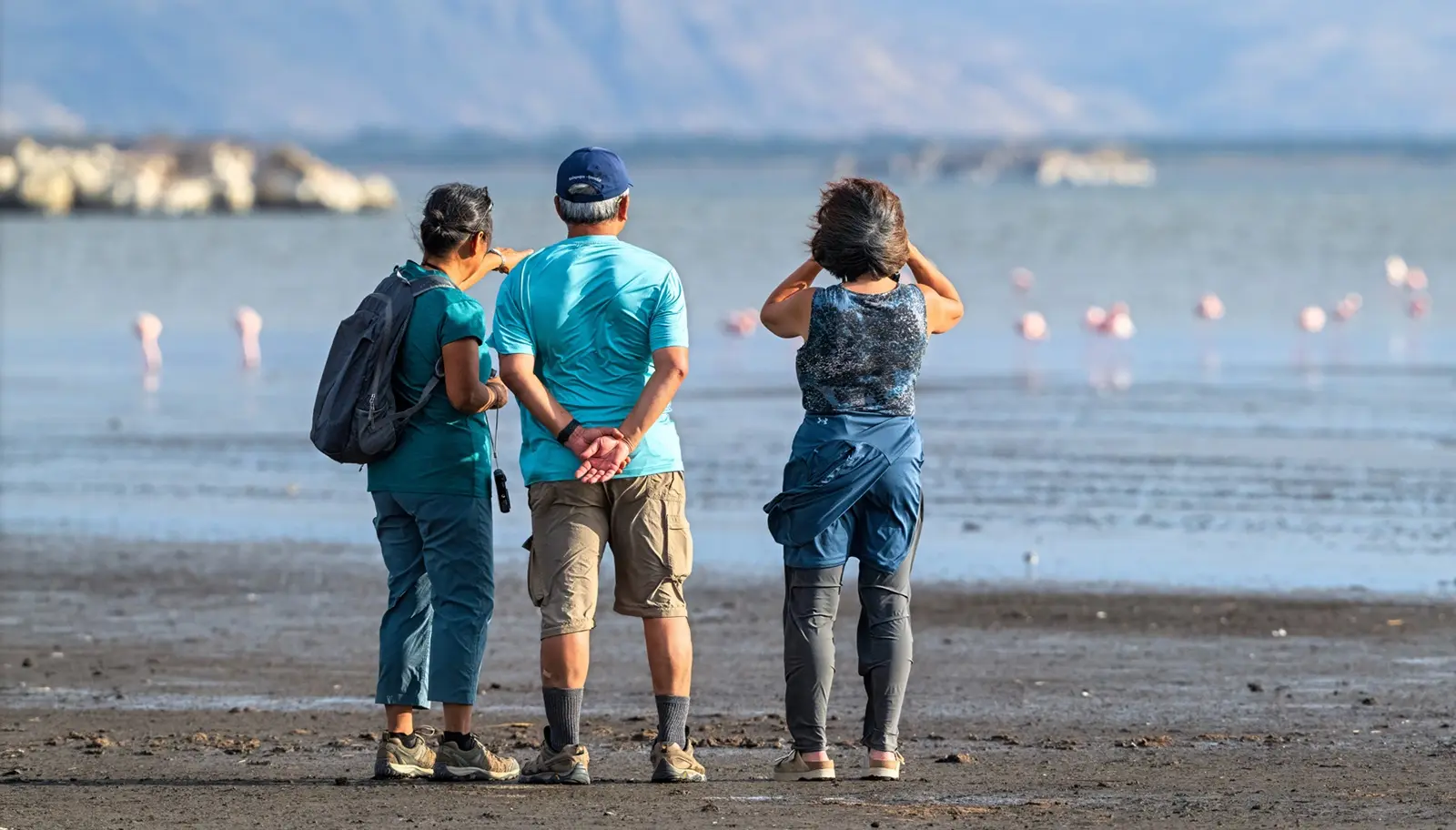
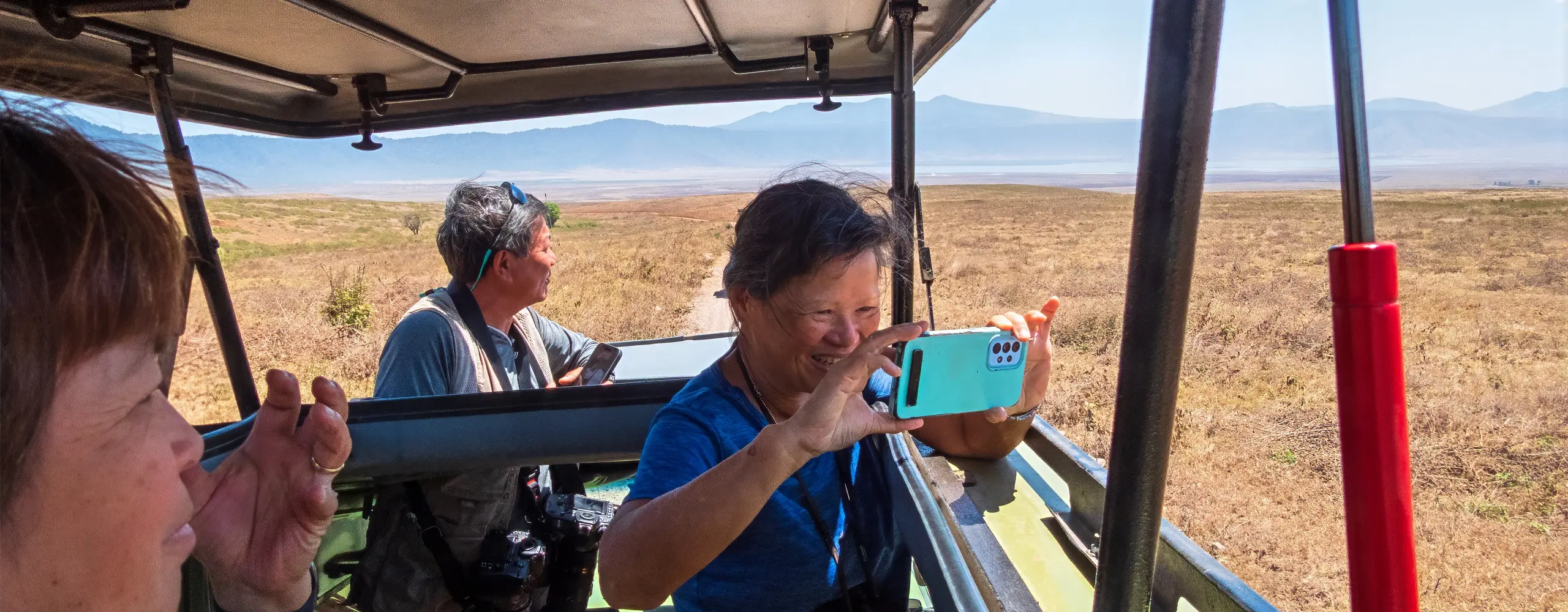
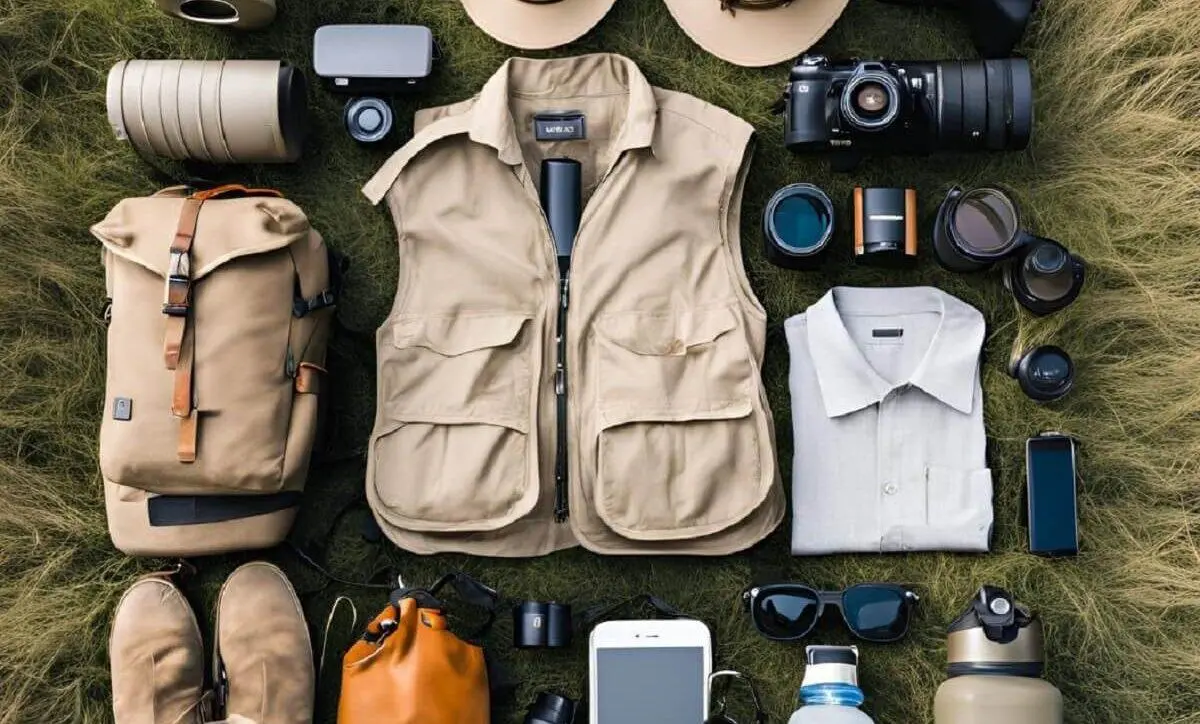
Safari clothing does not need to be complicated. Lightweight, breathable shirts and trousers work well during the day, while neutral or muted colors are practical for game drives. Khaki, olive, beige and brown are common choices, but you do not need a completely safari-themed wardrobe. Avoid very bright colors when possible, especially if you expect to spend a lot of time in the bush.
Long trousers and long-sleeved shirts can also help with sun, dust and insects. Choose fabrics that dry quickly and are comfortable for sitting in a safari vehicle for several hours.
Layers for Cool Mornings and Warm Afternoons
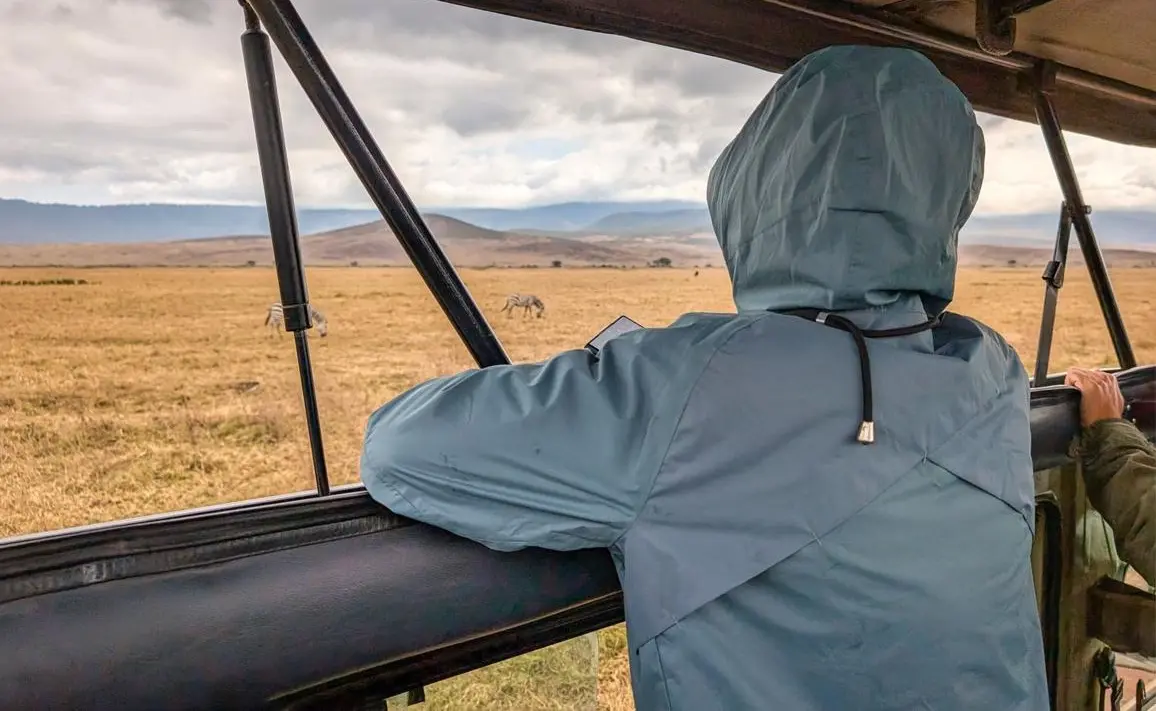
Tanzania can feel surprisingly cool before sunrise, particularly during early-morning game drives and at higher elevations around Ngorongoro. Pack a lightweight fleece, sweater or warm jacket that you can remove as the day warms up.
Layers are more useful than one heavy coat. A light windbreaker or softshell jacket can be especially useful in an open safari vehicle, where the wind makes early mornings feel colder.
Shoes, Hat and Rain Gear
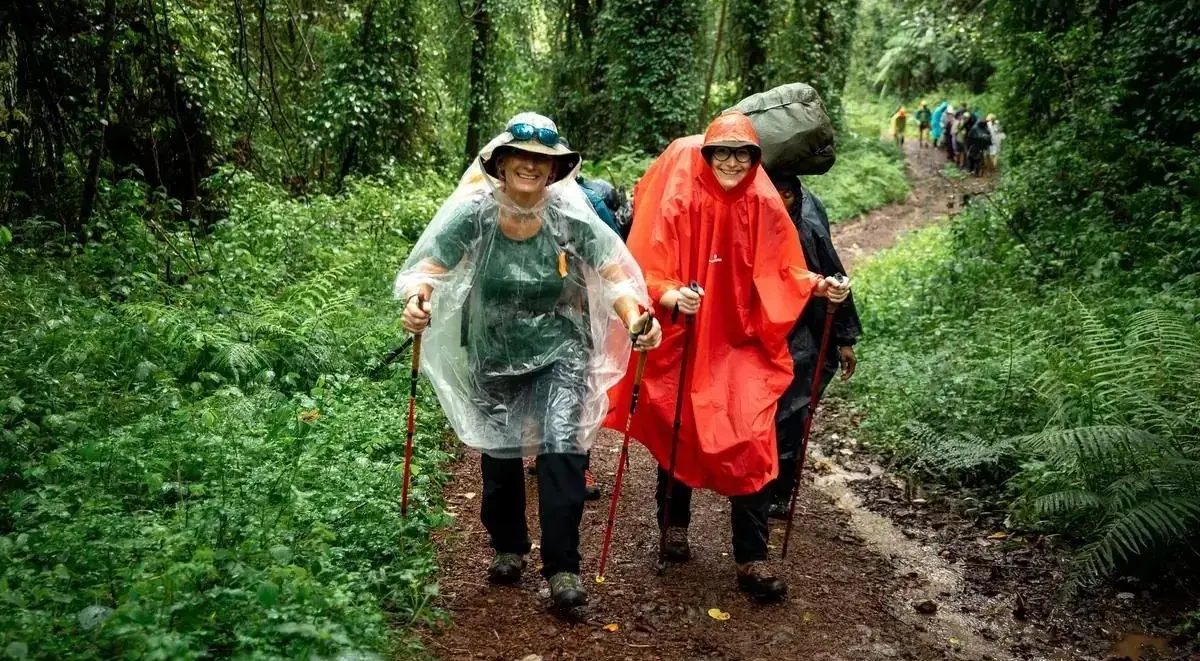
You generally do not need heavy hiking boots for a classic Tanzania safari. Comfortable walking shoes, trainers or lightweight hiking shoes are usually enough, unless your itinerary includes longer walks or trekking.
Bring a sun hat with good coverage, sunglasses and sunscreen. A lightweight waterproof jacket or poncho is worth packing during rainy periods, even if most of your safari is spent in a vehicle.
What to Wear for Camp Dinners
Safari camps are usually relaxed, so there is rarely a need for formal evening clothing. Comfortable trousers, a clean shirt or blouse, and a light layer are suitable for most camps and lodges.
Evenings can be cool, especially in the Ngorongoro Highlands and during the dry season. If your camp has outdoor dining or walking between your tent and the main area, a warm layer and closed shoes are useful.
Binoculars and Your Day Bag
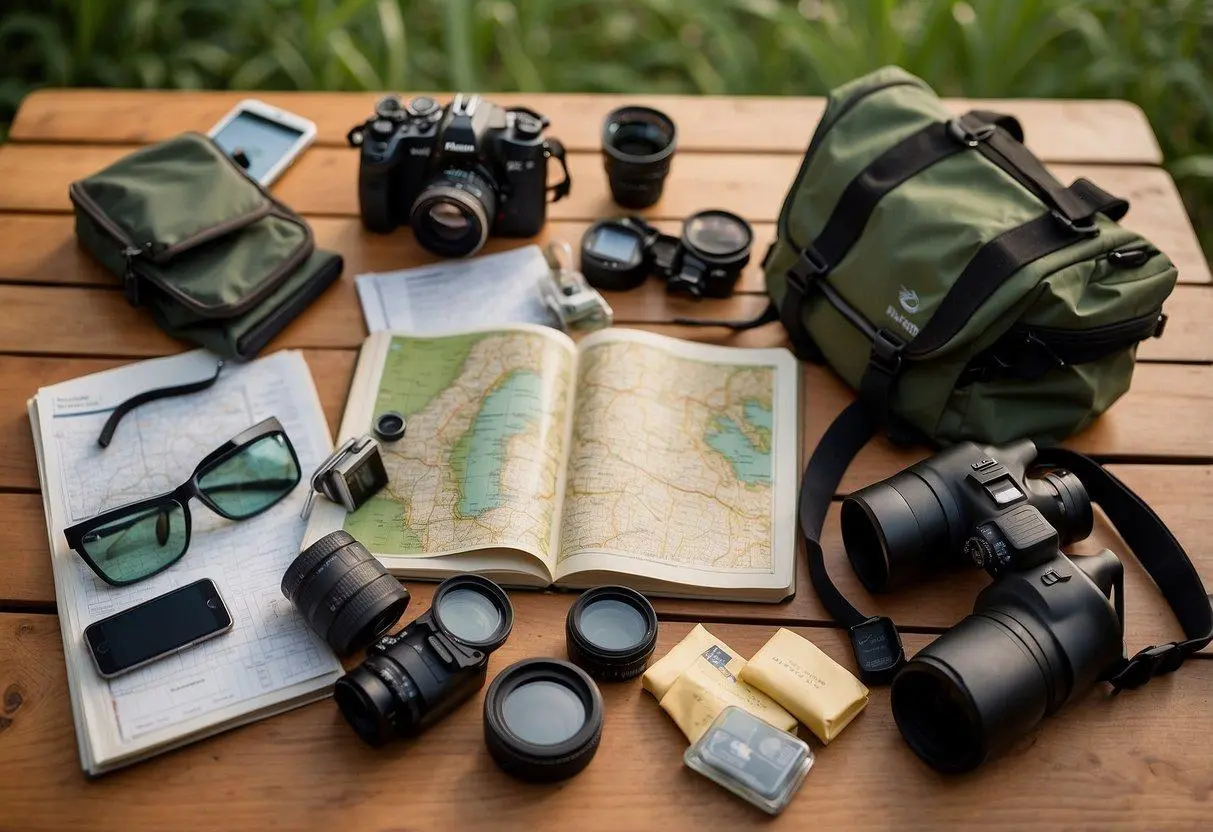
A pair of binoculars can make a major difference on safari, particularly when animals are far away or birds are the focus. You do not need professional equipment; a good pair of 8x or 10x binoculars is enough for most travelers.
For game drives, carry a small day bag with your camera, phone, sunglasses, sunscreen, water bottle and any personal essentials. Keep it compact enough to fit comfortably beside you in the safari vehicle.
Luggage and Bush Flights
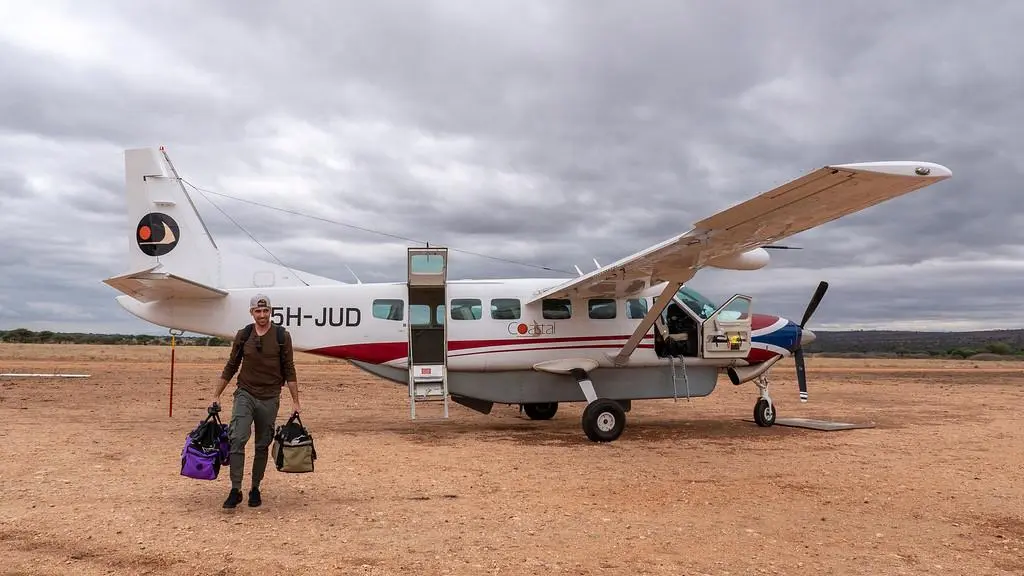
If your itinerary includes small aircraft between safari camps, check the luggage restrictions before you pack. Many bush flights have strict weight limits and may require soft-sided bags rather than hard suitcases.
A practical approach is to pack light and use a small soft duffel for the safari portion of your trip. Laundry is often available at camps and lodges, so you usually do not need a fresh outfit for every day.
Documents and Important Essentials
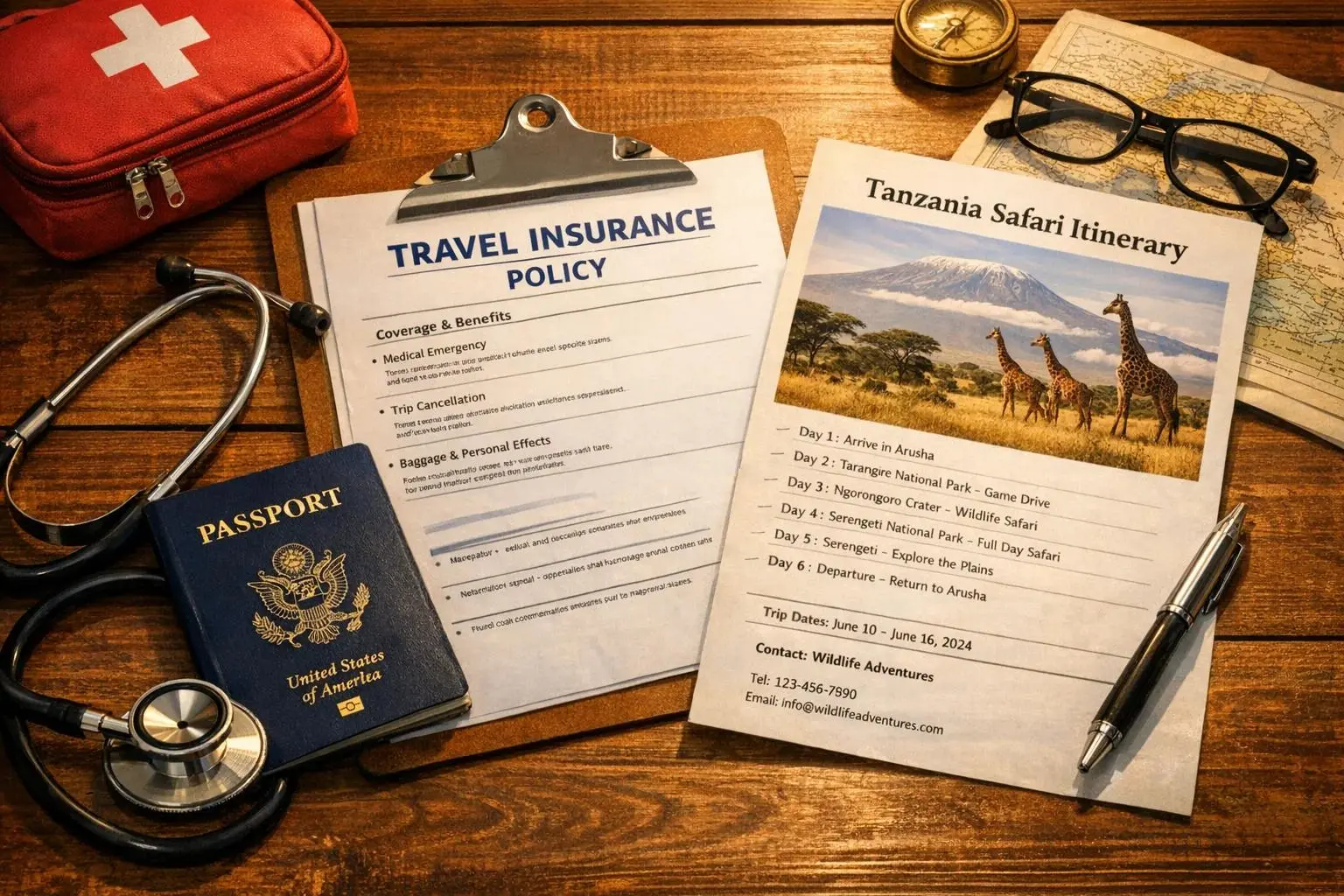
Keep your passport, travel insurance details, flight information, safari itinerary and any required entry documents somewhere secure and easily accessible. It is also sensible to carry copies of important documents separately from the originals.
Keep essential medication in your hand luggage rather than in checked or transferred baggage. A small personal first-aid kit, prescription medication and basic toiletries can also be useful during longer days away from town.