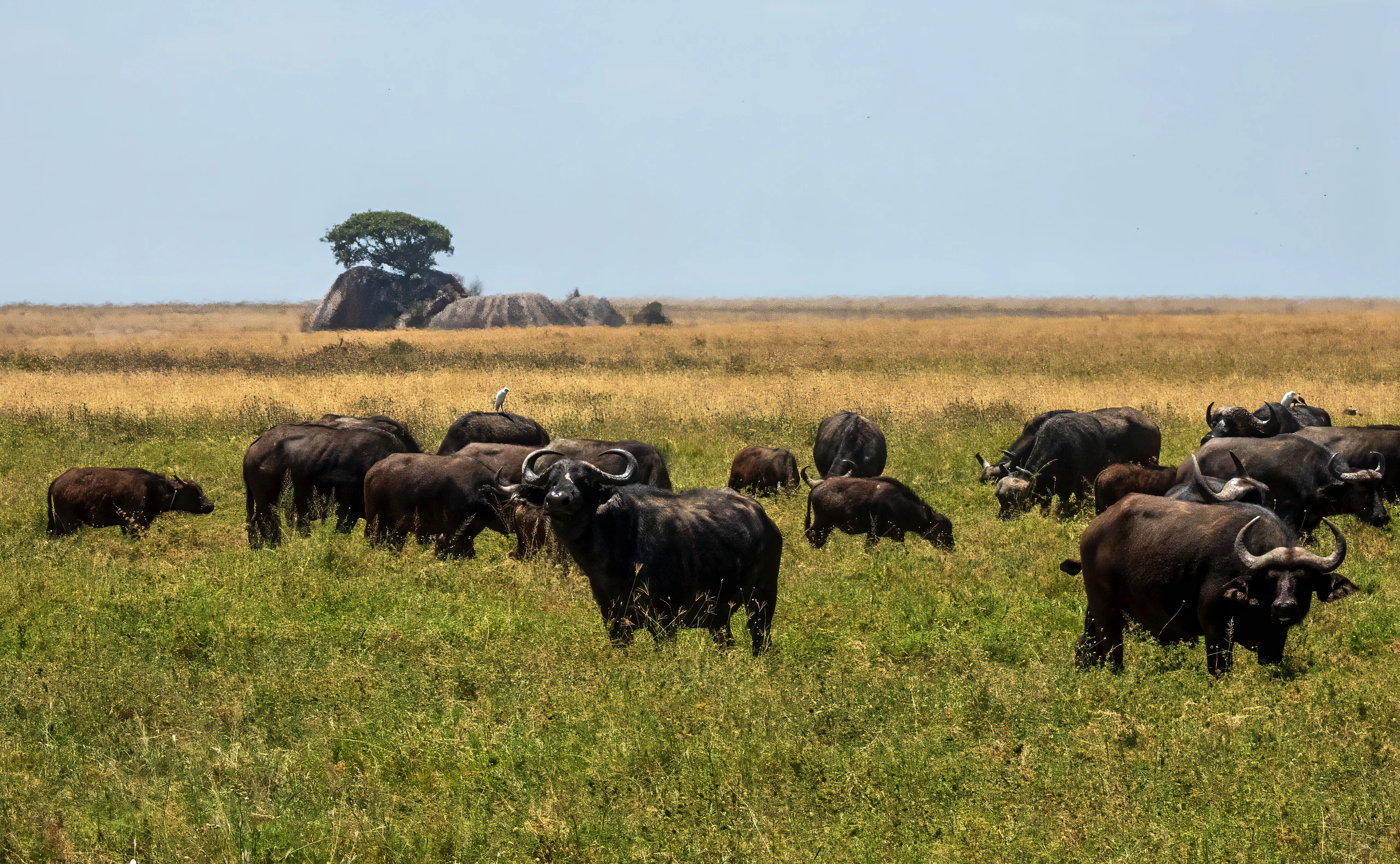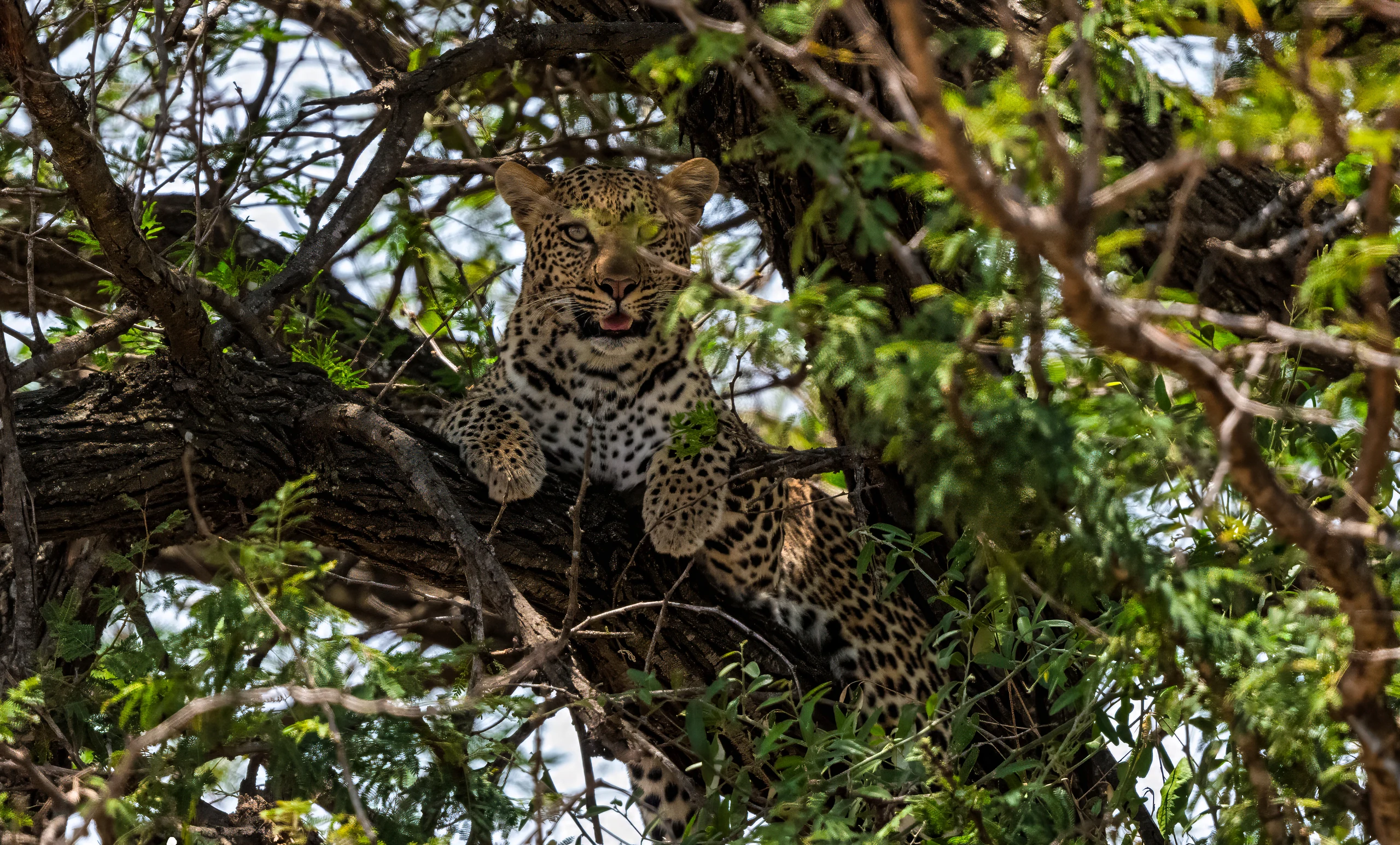
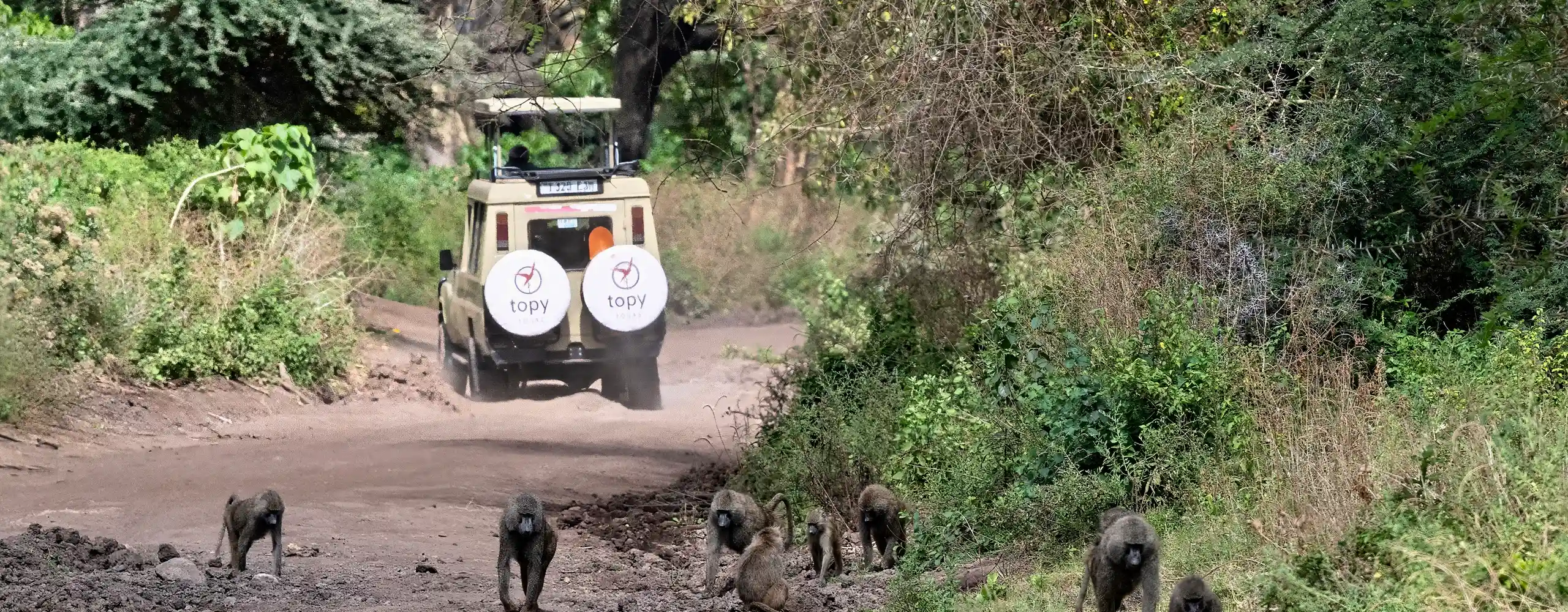
It Depends on What You Want to See
Think about what you want from your safari first, then choose your dates around that. If seeing the Great Migration is your priority, certain months and areas make more sense. If you would rather have quieter parks, greener landscapes, or better value, other times of year may suit you better. And if your travel dates are already fixed, don’t worry — Tanzania is a year-round safari destination, and every season has something worth experiencing.
The shoulder seasons, particularly late May through June and November, can offer a comfortable balance of good wildlife viewing, fewer visitors, and more attractive lodge rates. With fewer crowds and a little more flexibility, these periods can also make for a more relaxed safari, especially if you prefer a slower pace. For more practical advice on choosing the right season and planning a comfortable itinerary, see our Safari for Senior Travelers guide.
Understanding Tanzania’s Safari Seasons
The northern safari circuit, Tarangire, Lake Manyara, Ngorongoro, and the Serengeti, sits in a tropical system with two rain patterns. Travelers usually call them the short rains and the long rains. Exact timing shifts from year to year. A dry month can still deliver a brief storm. A green month can open on a brilliant blue morning. Treat the seasonal labels as probability, not a guarantee.
From roughly November through May, the landscape changes dramatically. The savannah becomes greener, birdlife increases, and the scenery can feel especially fresh after the rains. Green season does not mean empty parks or missing animals. It is a different kind of safari. Emerald grass, heavy skies, bird choruses, and weather that becomes part of the day. Photographers often prefer it. So do people watching the rate, and people who dislike dust.
Dry season
June to October
Dry season, roughly June through October, thins the vegetation, raises the dust, and draws many animals to permanent water. Sight lines get longer. Predators are easier to find on open ground. Mornings can be chilly on the Ngorongoro rim and in an open vehicle. Afternoons are warm and bright. Many lodges treat this as peak season, because the conditions feel classic and fairly predictable on a first safari.
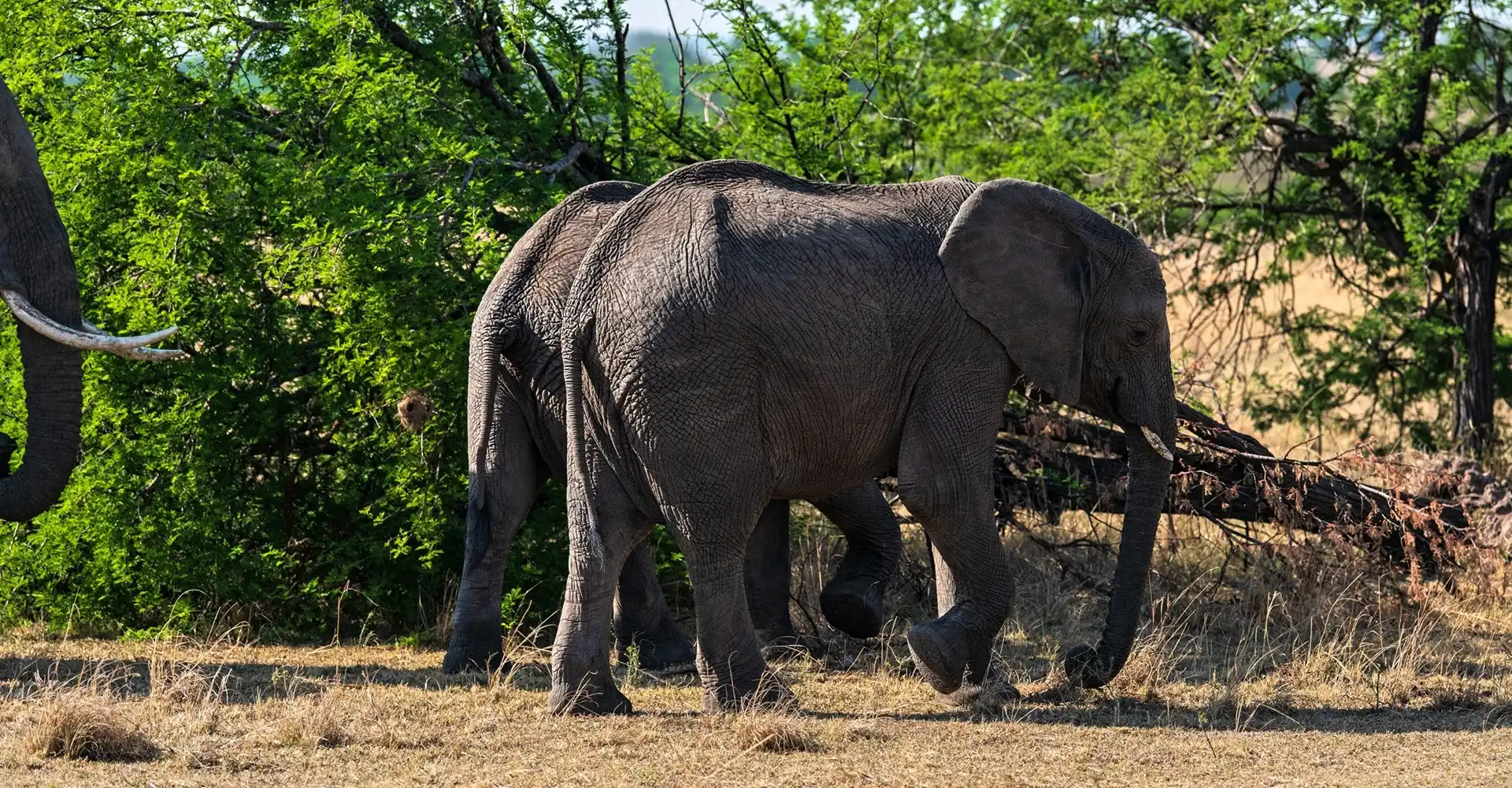
For many people on a first trip, dry season is the textbook safari. Golden grass, dusty tracks, elephants gathering at rivers, lions resting in the open, and evenings cool enough for a jacket at dinner. The feeling is clarity. You can see far. Photos come more easily. It is the Africa of posters and documentaries.
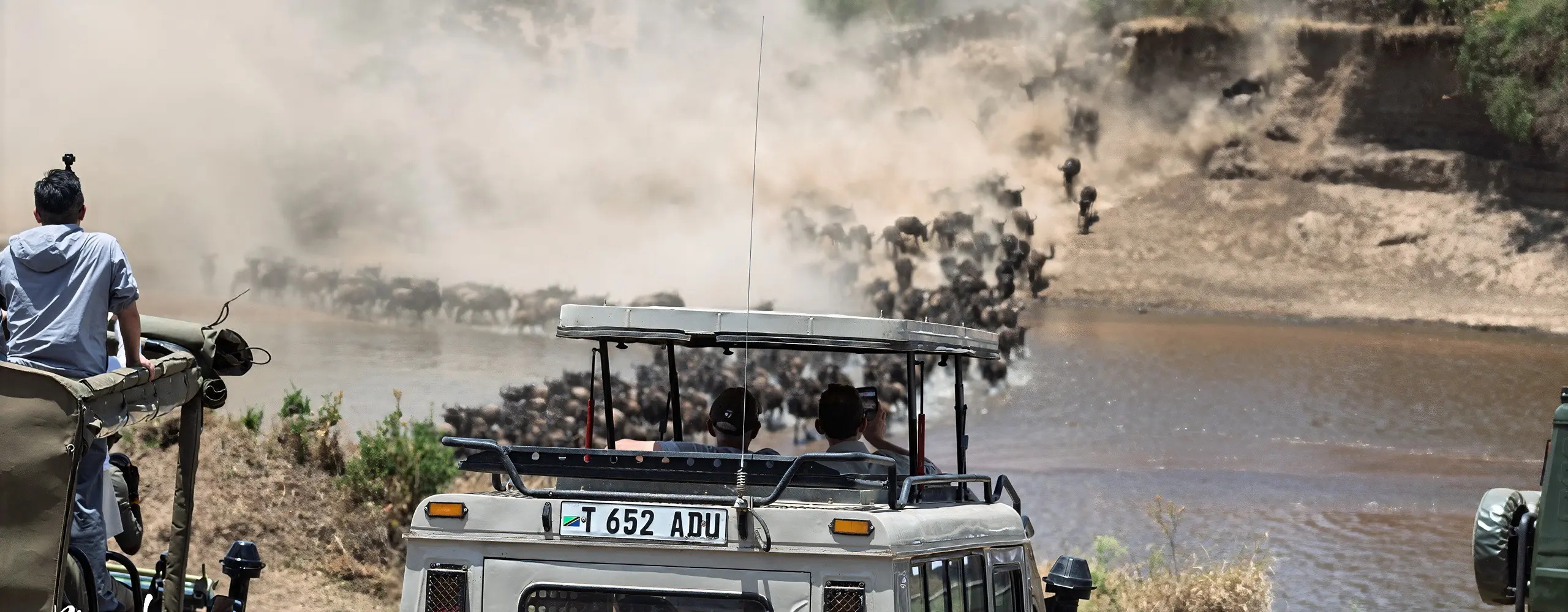
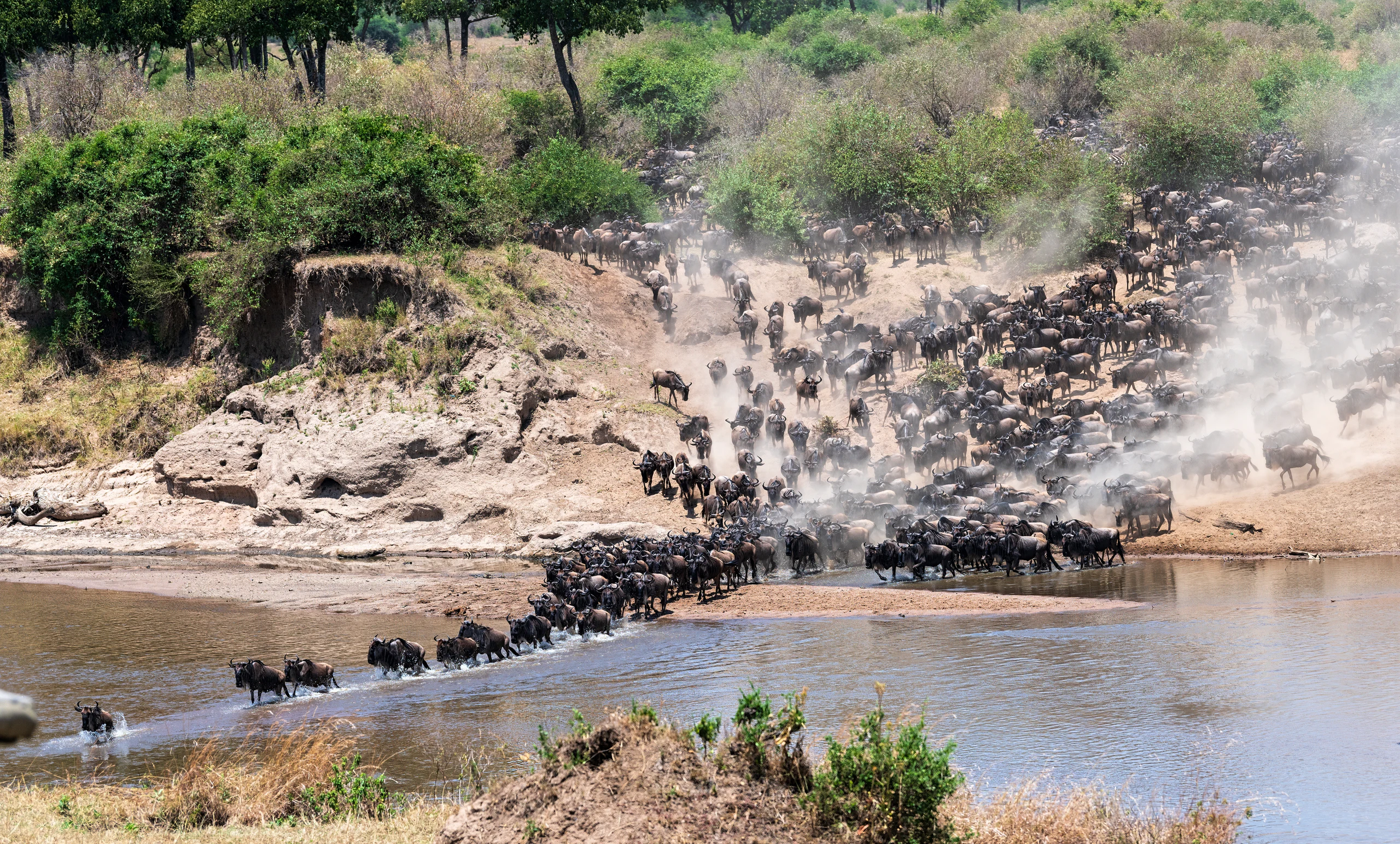
Late July through mid-September overlaps the northern migration crossing window, so demand rises on northern Serengeti camps. That is wonderful if river drama is your goal, and difficult if you left the booking late. October often stays excellent for general wildlife, with a slightly different energy as the long dry period matures. Animals still concentrate near water, and the first short-rain clouds may start to build dramatic skies.
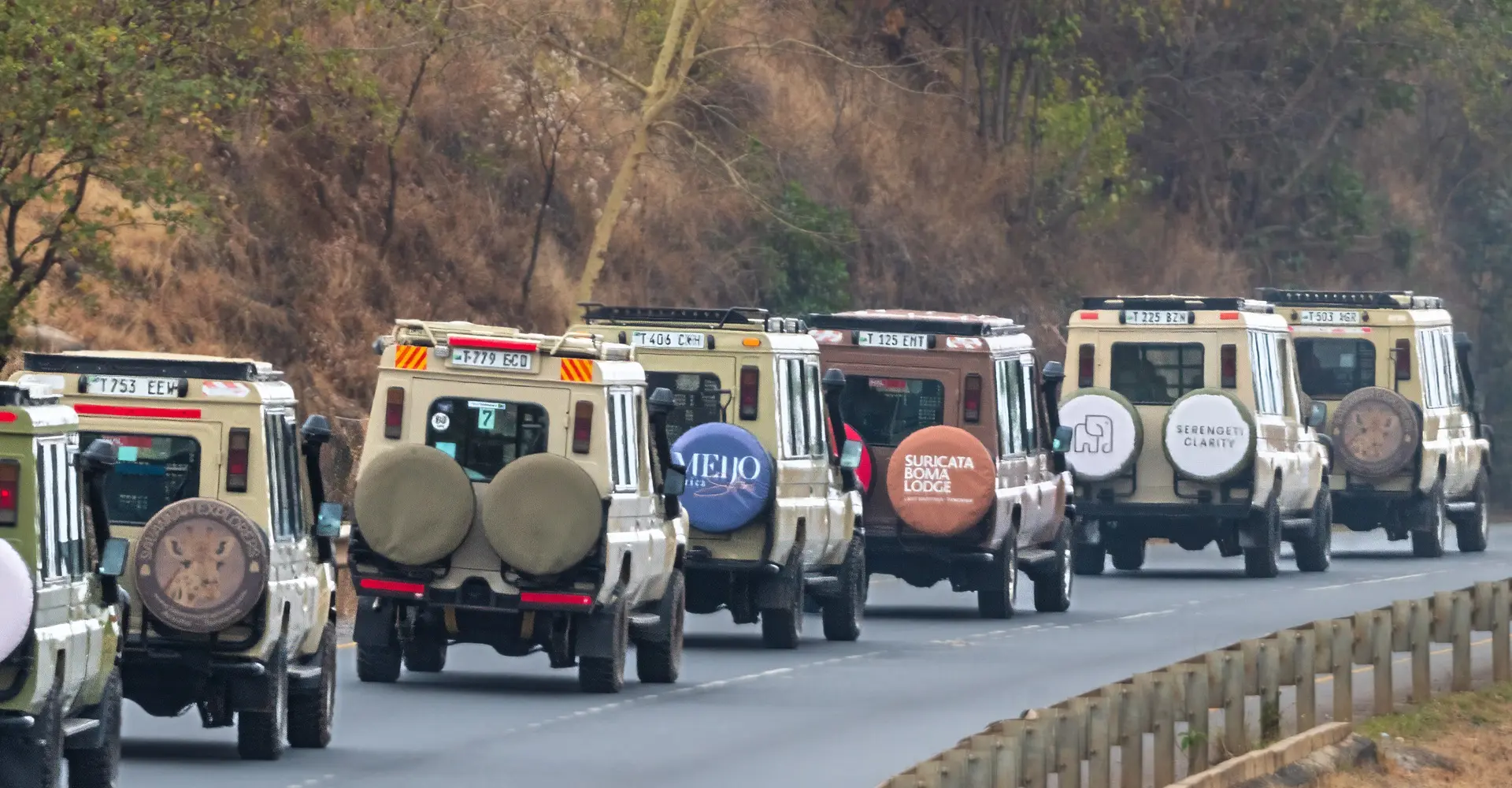
The costs are real. Higher rates, fuller camps, and more vehicles at famous sightings. The pressure sits at river viewpoints and popular predator sightings. It is not spread evenly across every track. An early start, a skilled guide, and the flexibility of a private vehicle take the edge off, even in a busy month.
Short rains
November
Shoulder weeks in November can be outstanding, with fewer vehicles and softer rates.
Showers often pass quickly, leaving clear skies and beautiful light behind.
Calving
February and March
This greener part of the year also includes one of Tanzania’s most remarkable wildlife spectacles: the [calving season](/safaris/the-great-migration-experience-calving-season) in the southern Serengeti, which usually reaches its peak around February and March.
February and March bring calving on the southern Serengeti plains. For the right traveler, that rivals the fame of dry season. You are out with the big herds and the predators, on short grass, under an enormous sky. The trip does not hang on a single riverbank moment. The herds are there. That is why calving weeks book as firmly as crossing weeks.
Long rains
April and May
Heavy downpours can make some remote tracks challenging, so it helps to allow a little flexibility in your itinerary and pack a light rain jacket.
April needs the most careful itinerary. We often suggest an alternative to a heavy April routing. If your heart is set on remote Serengeti sectors, ask us before you lock flights for that month.
Shoulder weeks in May can be outstanding, with fewer vehicles and softer rates. If you need a long remote drive every afternoon, whatever the sky is doing, you will want a bit more coaching.
Migration Timing
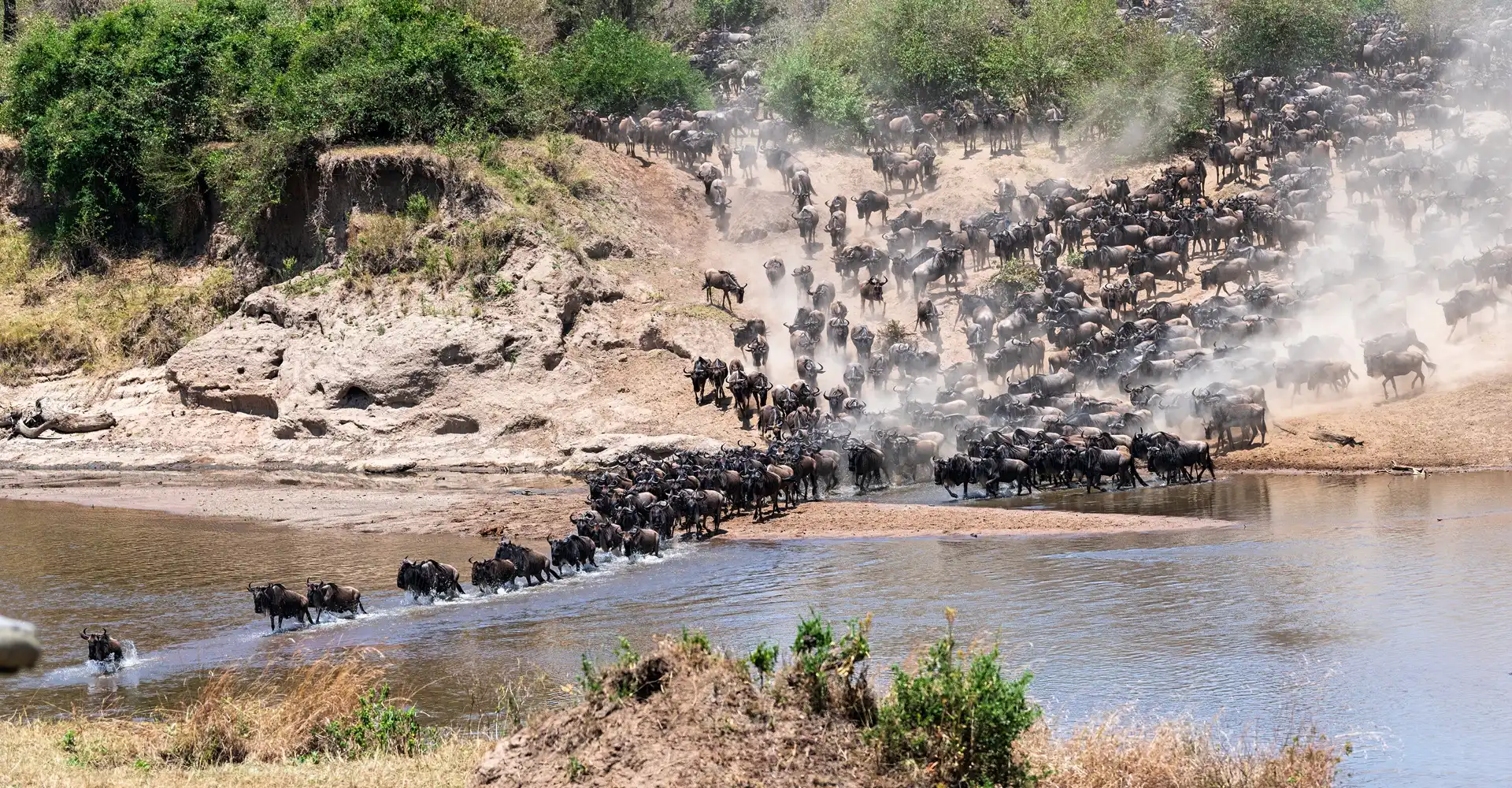
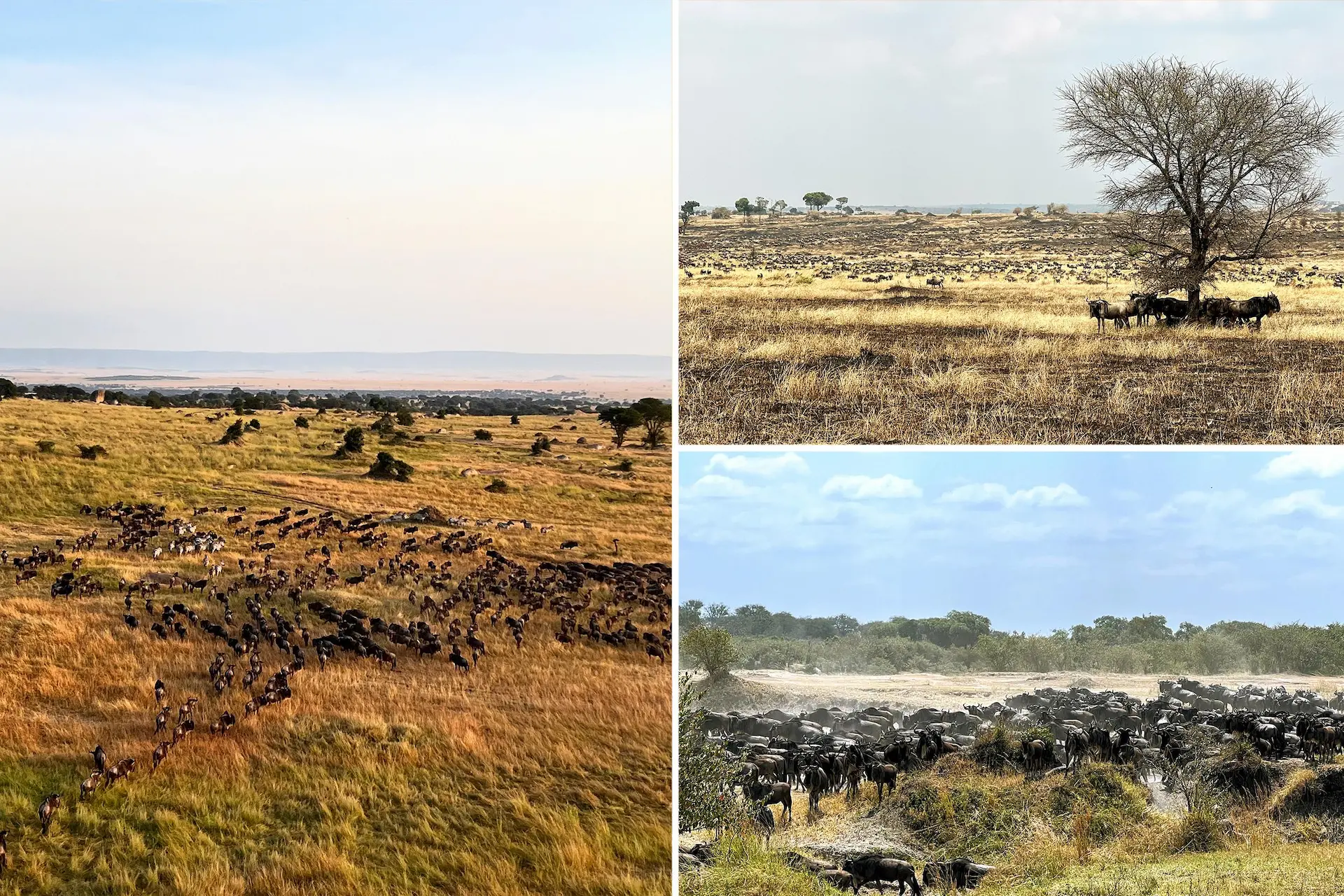
If the Great Migration is the main goal, start with where the herds are, then lay weather and value on top. Most people who say they want the migration mean one of two chapters. Calving on the southern plains, roughly early February through March. Or river crossings in the north, roughly late July through mid-September.
Outside those peaks you can still meet migratory herds in the transitional months. December and January are the build-up. Parts of June are movement in the western corridor. October and November are the return south. The feeling is different. Transitional months are about movement and scale. The peak months are concentrated drama.
Read the Great Migration guide before you lock camps. The expensive mistake is a beautiful lodge in the wrong Serengeti sector for your month. We match the nights to the season first. Daily routing stays flexible, as the guides read fresh movement.
| Goal | Best window | Where to base | Mindset |
|---|---|---|---|
| Calving & predators | Feb–Mar | Southern plains / Ndutu systems | Behavior over a single event |
| River crossings | Late Jul–mid Sep | Northern Serengeti corridors | Patience and buffer nights |
| Classic dry safari | Jun–Oct | Central + seasonal add-ons | Clear viewing, broader circuit |
| Value & atmosphere | May, Nov, parts of Jan | Flexible northern circuit | Accept rain probability |
Crowds and Rates
Peak dry season and the migration windows cost more, because camps near the action are scarce. Value often improves in May, November, and parts of January, without settling for poor wildlife. You pack for rain, and you stay flexible about the day's routing.
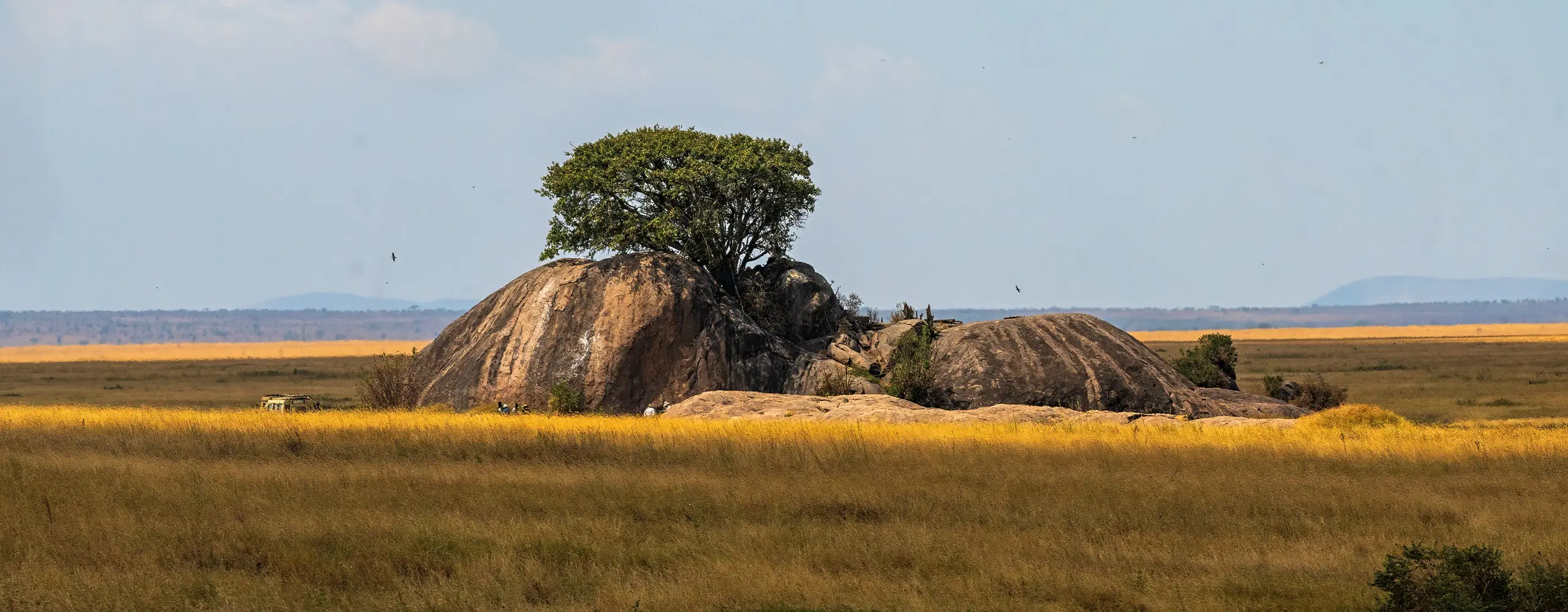
Crowds gather in places. They are not everywhere at once. A busy river viewpoint in August does not mean every central kopje feels crowded. On a private custom safari you can arrive early, leave a chaotic sighting, and stay longer where the behavior is quiet. Festive December and the school holidays make their own spikes, even in a season that is otherwise softer.
| Period | Crowds | Safari rates | What to expect |
|---|---|---|---|
| June–October | 🔴 High | 🔴 High | Dry weather, excellent wildlife viewing, busiest period |
| Jan–Feb | 🟠 Moderate–high | 🟠 Moderate–high | Calving season in southern Serengeti; popular |
| Nov–mid Dec | 🟢 Lower | 🟢 Lower | Green landscapes, fewer visitors, good value |
| Mar–May | 🟢 Lowest | 🟢 Lowest | Long rains, lush scenery, some camps close |
By Travel Goal
Match the month to the job of the trip. A first-timer who wants classic conditions often does well from June through October. A photographer chasing newborns aims at February and March. Crossing spectacle is late July through September. A couple who want lush privacy may prefer the green shoulder weeks. Families tied to school calendars often land in December and January, or July and August, and they need to book early.
A first safari
June through October is the textbook dry season. Wildlife concentrates, the roads are reliable, and you get the clarity a lot of first-timers want. Add buffer days, book the lodges early, and do not try to see every park in six nights.
If your leave only allows May or November, you can still have a superb first safari. We talk through the chance of rain, and the green, instead of promising dusty postcard dryness.
The migration
Calving is February and March. Crossings run from late July to mid-September. Keep your Serengeti nights in the right sector. Build the trip around days with herds and predators. A single cinematic moment is a bonus if it happens.
Photography
Green season and storm light can beat the harsh glare of a dry-season midday, if you can live with weather that changes. Golden-hour light in the dry season is still magnificent. The difference is the color of the backdrop, and the drama in the sky.
Beach after the safari
Zanzibar works year-round, with seasonal shifts in how clear the sea is and how the wind blows. Put the beach after the safari. If leave is short, do not trade Serengeti nights for an extra day on the coast. Three beach nights is a useful minimum if you actually want to unwind.
Around The Circuit
When the mega-herds are the point, Serengeti timing follows them. When they are not, it follows resident game. Central Serengeti stays strong for lions, leopards, elephants, and plains game through much of the year. The southern plains shine in the calving months. The northern corridors matter in crossing season. Western corridor timing is specialized. We use it when your dates line up.
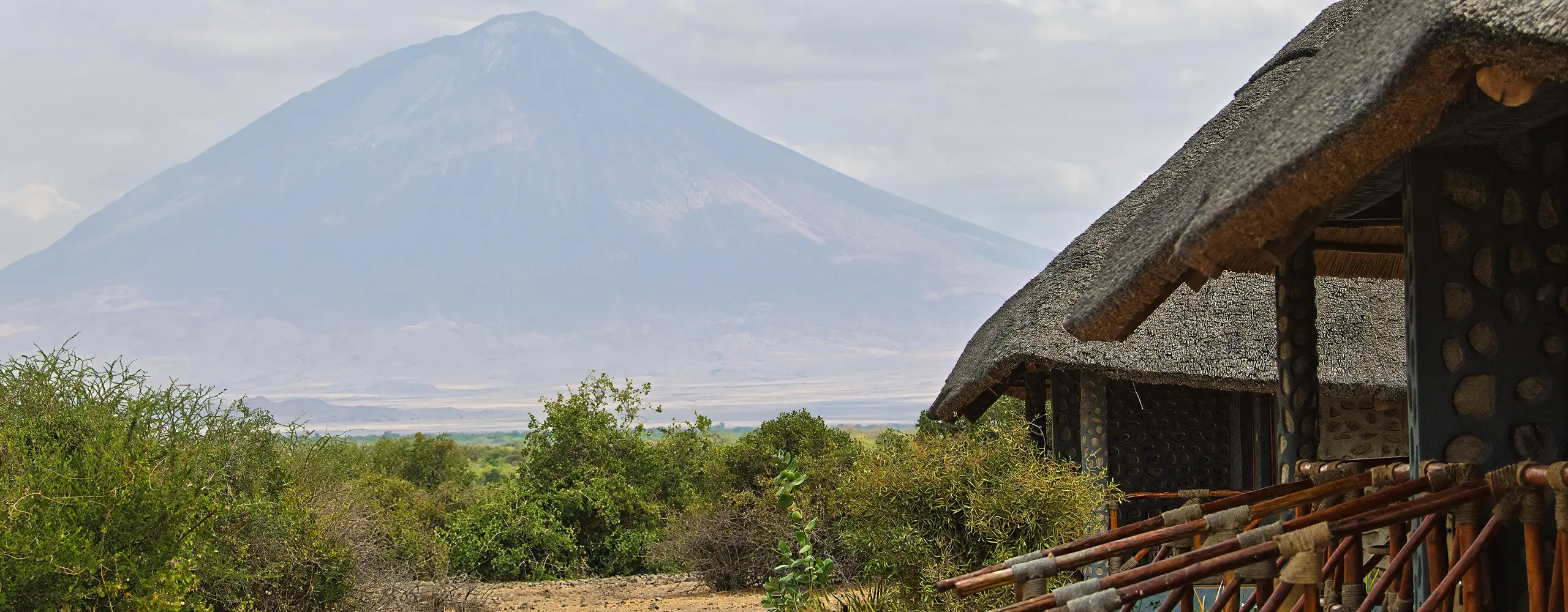
Wildlife in Ngorongoro crater is rewarding through much of the year, and mornings on the rim stay cool. Tarangire often shines in the dry season, when elephants concentrate near the river. That is one reason a June to October trip feels complete when Tarangire opens it. A beach extension follows the coastal monsoon more than the wildebeest calendar. Lake Eyasi and Lake Natron have their own windows for dry-season access. We talk those through separately if you want culture or scenery past the core circuit.
Packing by season
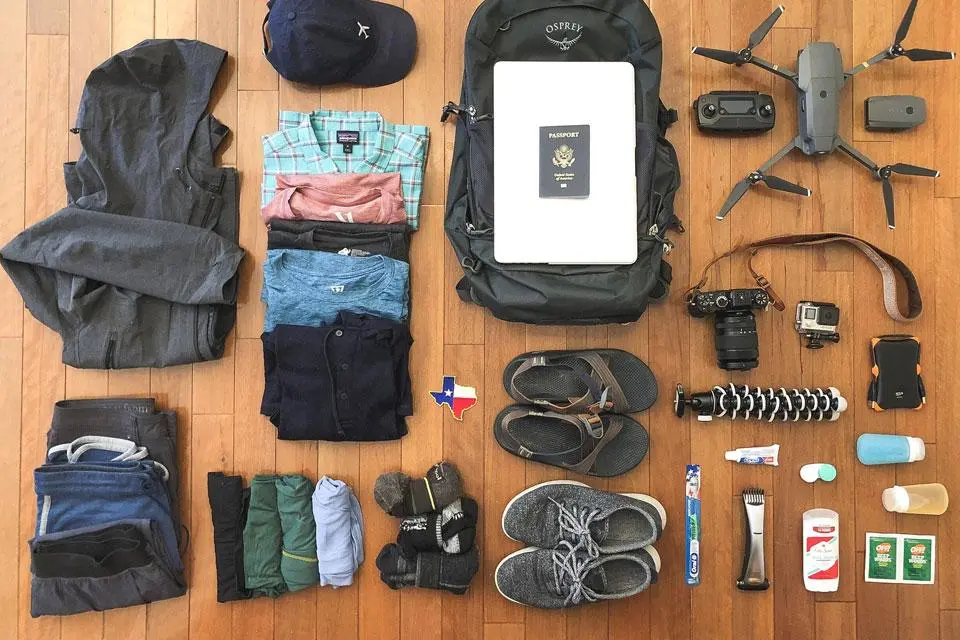
The core kit stays the same. Neutral layers, a warm jacket for the morning, sun protection, closed shoes you have already broken in, binoculars, and any malaria precautions your clinician prescribed. The season changes the emphasis. Dry season means dust, and stricter habits in the sun. Green season means a compact waterproof shell, and patience with damp grass at dawn.
An open vehicle feels colder at dawn than the thermometer at the lodge suggests, on the crater rim or on the northern plains. Bring the jacket even in a month people call hot. Pack a light rain layer even in a month people call dry. A stray shower will justify it.
- 01Dry season: dust covers for cameras, lip balm, stricter water habits, a warm layer at dawn.
- 02Green season: a waterproof shell, quick-dry trousers, spare socks, and a day that can flex.
- 03Calving plains: a sun hat, a long lens if you shoot, and patience for stalking in open country.
- 04Crossing season: early alarms, binoculars for a distant riverbank, and a tolerance for dust.
When To Book
Peak dry months and migration months reward an early decision. Nine to twelve months ahead is wise for the northern camps or calving camps you actually want, especially for a couple booking into honeymoon and peak-season demand. Shoulder months can be booked later. Later still means months, not weeks, if you want a specific tented camp.
In a peak month, buy flights after a draft itinerary, so Kilimanjaro International (JRO) and any domestic hops line up. On a flexible shoulder trip, flights can wait a little longer. Still leave time for visa research and a clinic visit. We help you sequence deposits, camp holds, and flight timing, so you are not guessing on your own.
12+ months
Peak migration and dry season
Hold the Serengeti sectors and the signature camps you want, while there is still a choice.
6 to 9 months
Shape the classic circuit
Lock the nights, balloon slots, and domestic flights. Settle who is traveling.
3 to 6 months
Shoulder and green months
Strong camps are still there to secure. Confirm routing that can flex for rain, and sort the packing list.
4 to 8 weeks
Last details
Health checks, packing, a plan for currency, and a day-by-day conversation with your team.
How We Help You Choose
Tell us your leave dates, how you feel about rain, how many vehicles you can tolerate, what you hope to photograph, and if the migration is essential or a bonus. We will point you toward calving, crossings, or a classic northern-circuit journey. If another window suits you better, we will say so.
Month-By-Month Plan
Tap a month to see wildlife focus, crowd levels, and practical tips — then plan those dates.
Warm days, as the short rains usually ease.
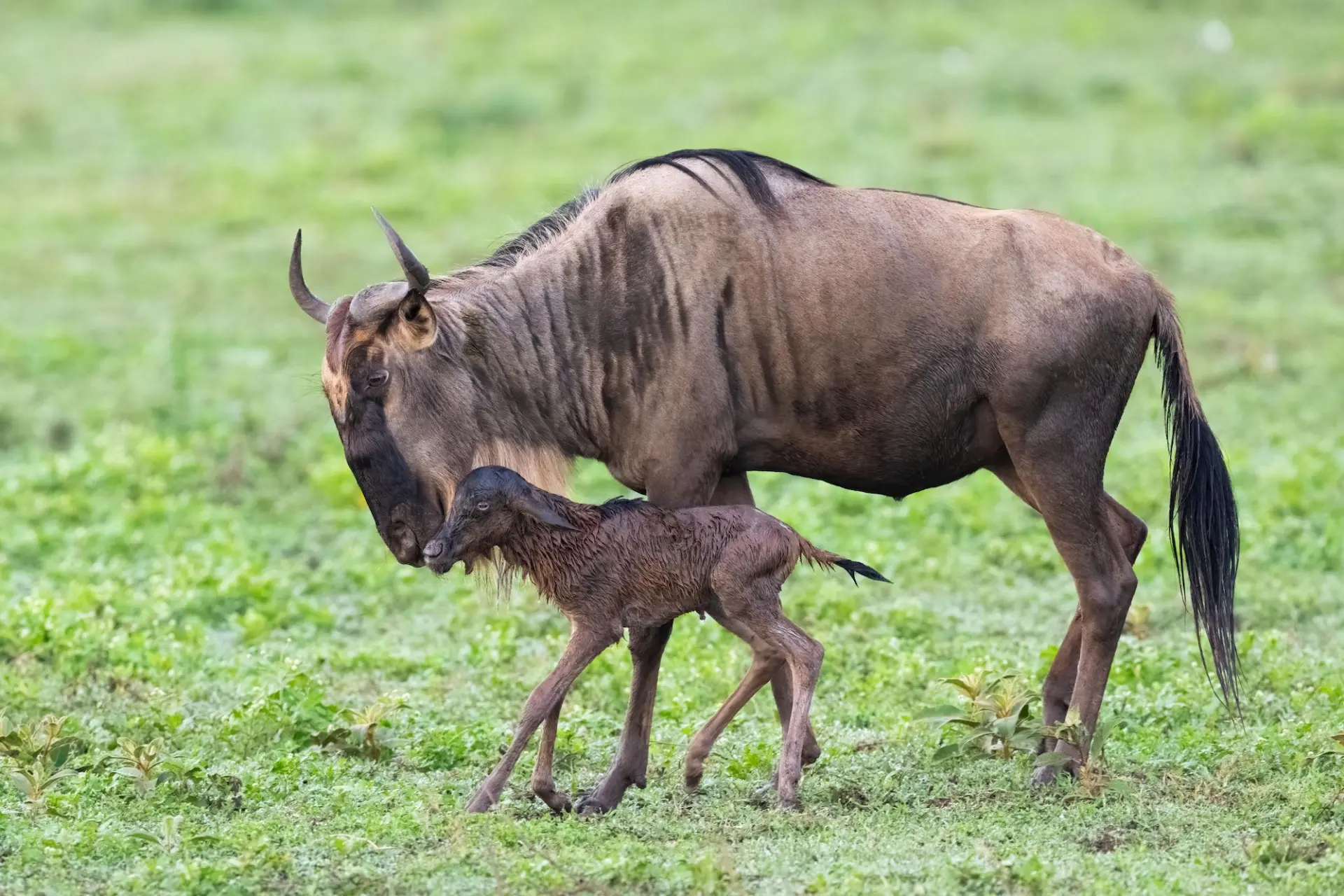
The southern Serengeti plains start filling with wildebeest and zebra. General game viewing is strong across the northern circuit.
Herds gather on the short-grass plains, and predators follow. Elephants and resident cats stay excellent in Tarangire and the central Serengeti.
Moderate inland, with holiday leftovers on the coast. Better value than peak dry season at many lodges.
- A good fit if you want migration energy without peak-dry rates.
- Pack a light rain layer. Showers can still show up.
- Add Zanzibar if your leave allows three or more nights on the beach.