What a Safari Is Really Like
In Swahili, safari means journey. In Tanzania, it means heading into places like the Serengeti, Ngorongoro, and Tarangire to see wildlife living freely, usually from a 4x4 with a guide.
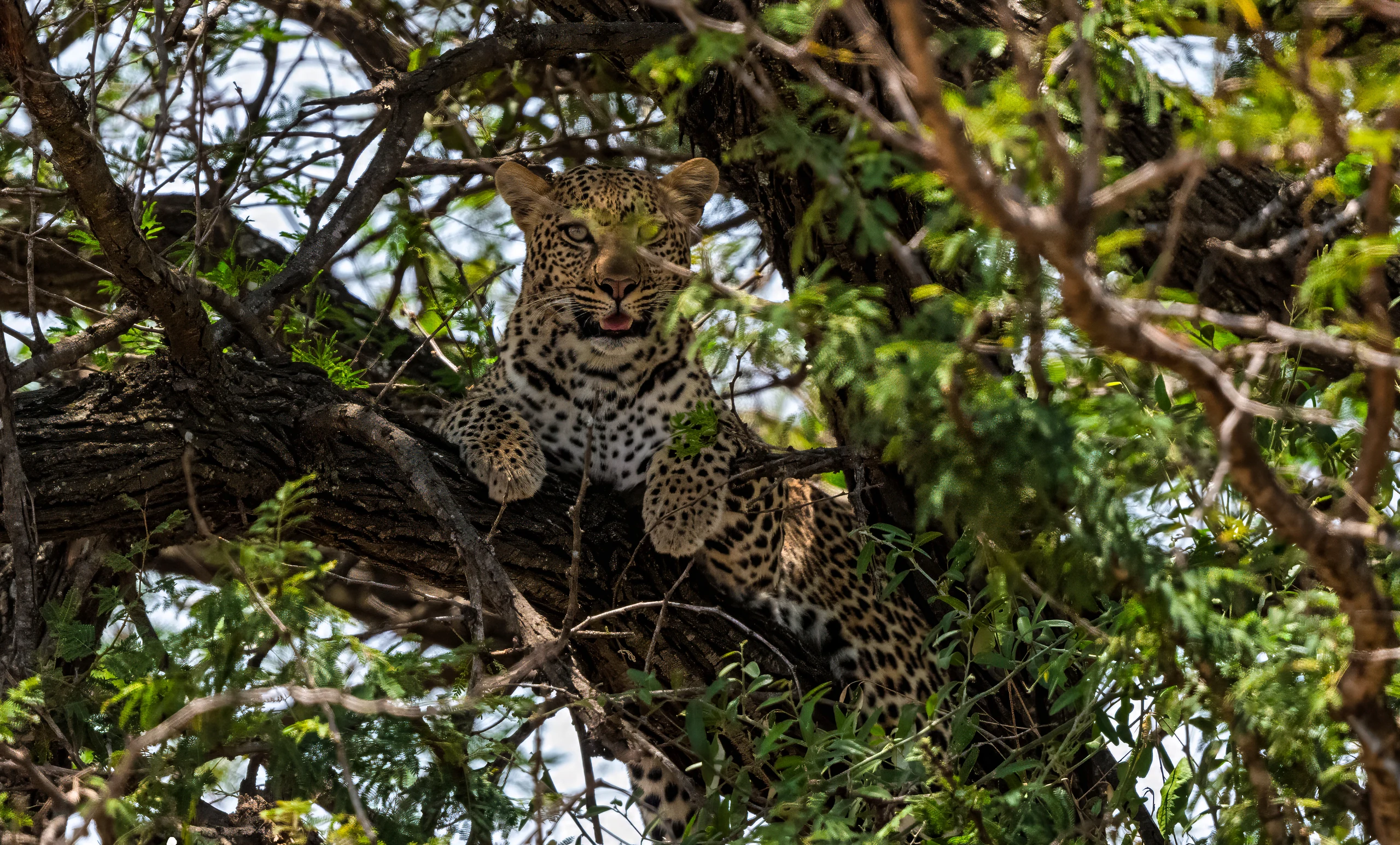
Safari isn’t a theme-park experience. Roads can be dusty, weather can change, and some drives are quiet before suddenly becoming unforgettable. A leopard may appear in a tree, elephants may cross the road, or nothing much may happen at all. That unpredictability is part of the experience.
Your guide handles the tracks, wildlife, and timing. You simply need to slow down, look around, and stay curious. Often, it’s the small moments — giraffes at sunset, elephants passing close by, or a sky full of stars — that stay with you longest.
Arrival: Your First 24 Hours
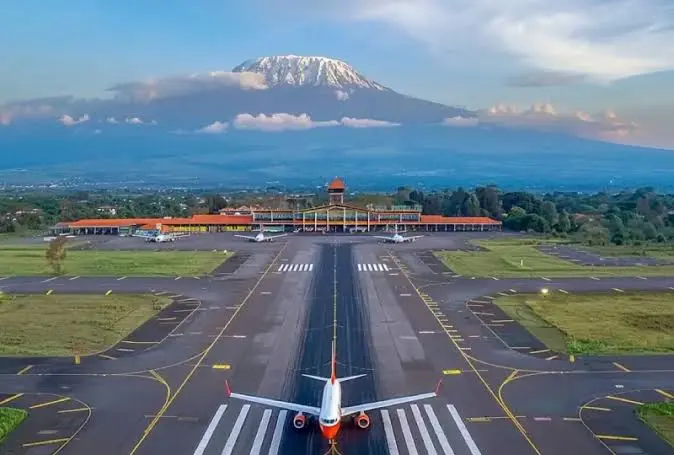
Most Northern Circuit safaris begin at Kilimanjaro International Airport (JRO), where your guide or driver meets you and takes you to your lodge around Arusha.
After a long flight, there’s no need to rush. Settle in, have something to eat, rest, and get ready for the days ahead. Your safari briefing covers the route, what to pack, and anything you want to ask before heading out.
What a Typical Safari Day Looks Like
Early starts are part of safari life. You’ll usually head out around sunrise, spend the morning exploring with your guide, stop for lunch, and continue into the afternoon before returning to camp or lodge. Some days are full of wildlife; others are slower. The pace follows the animals, the light, and the road rather than a fixed schedule.
05:00–06:00
Wake-up call
Coffee or tea, layers on, cameras ready. The early start is the price of cool air and predator activity.
06:00–11:00
Morning game drive
Slow travel with frequent stops. Your guide decides when to linger, when to move, and when a picnic coffee break helps.
11:00–15:00
Brunch, lunch, rest
Heat rises. Return to lodge or enjoy a bush picnic, then rest. Swimming, journaling, or a nap are productive safari skills.
15:00–18:30
Afternoon drive
Second wildlife window into golden hour. Often the photographic highlight of the day.
Evening
Dinner & briefing
Share sightings, review tomorrow’s plan, sleep under bright stars. Optional night sounds become the soundtrack.
Safari Vehicles, Seats, and Comfort
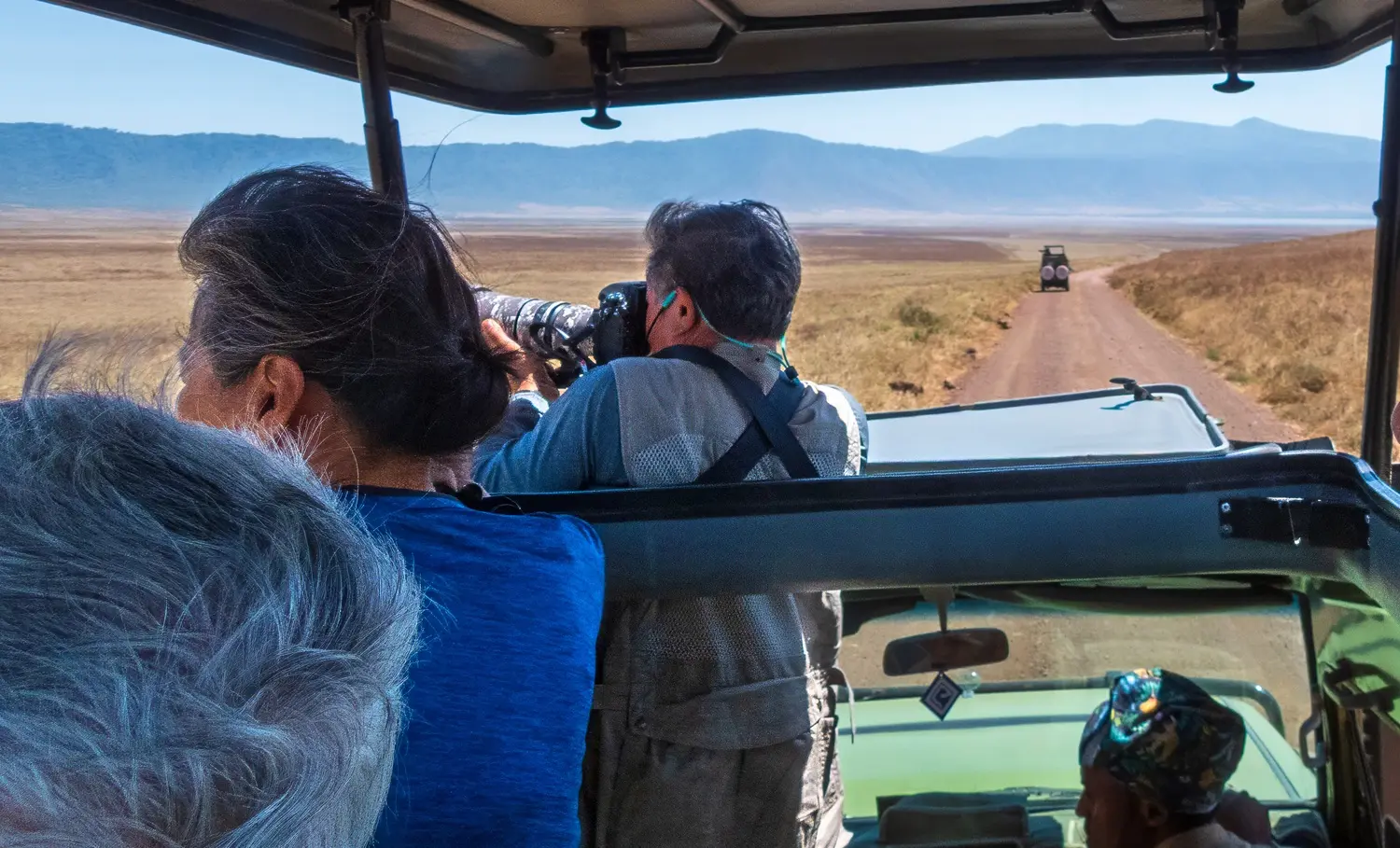
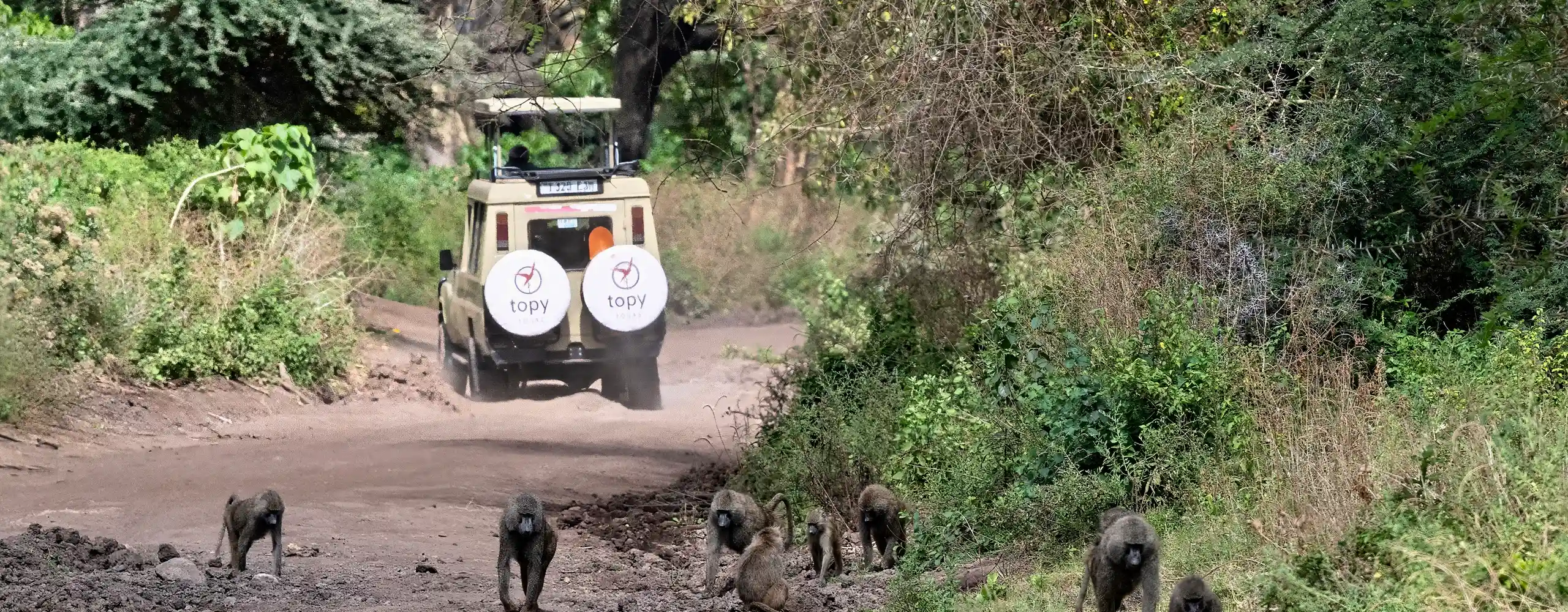
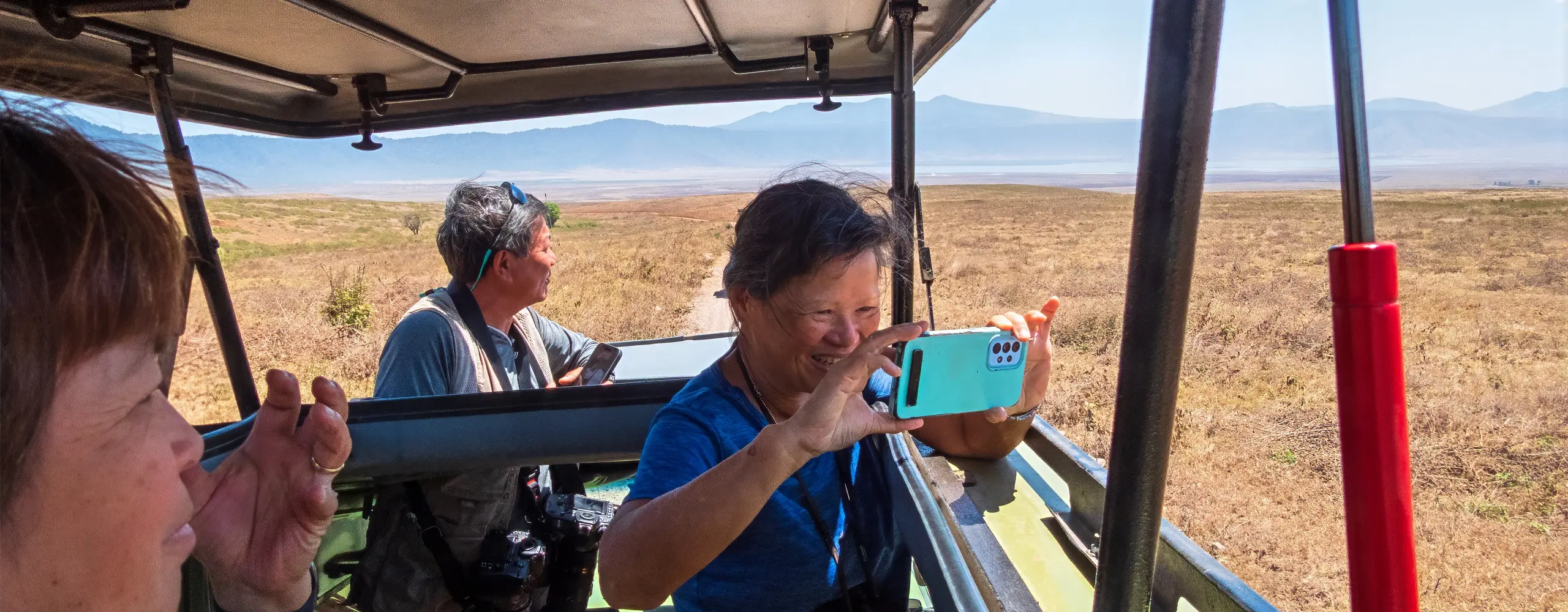
Most safari vehicles have open roofs or pop-top sides, giving you a great view for wildlife and photography. With a private safari, you also have more space to move, ask questions, and enjoy the drive without feeling crowded.
The roads can be bumpy and dusty, so comfortable seating and a few simple extras — like a buff, water, power bank, and binoculars — make a difference. And while the camera will capture plenty, some of the best moments are simply better enjoyed with your own eyes.
- Pop-up roof for standing photography when appropriate
- Dust and bumps are part of real bush access
- Binoculars beat camera envy for enjoyment
- Power banks help; vehicle charging varies by trip
Parks, Landscapes, and Wildlife
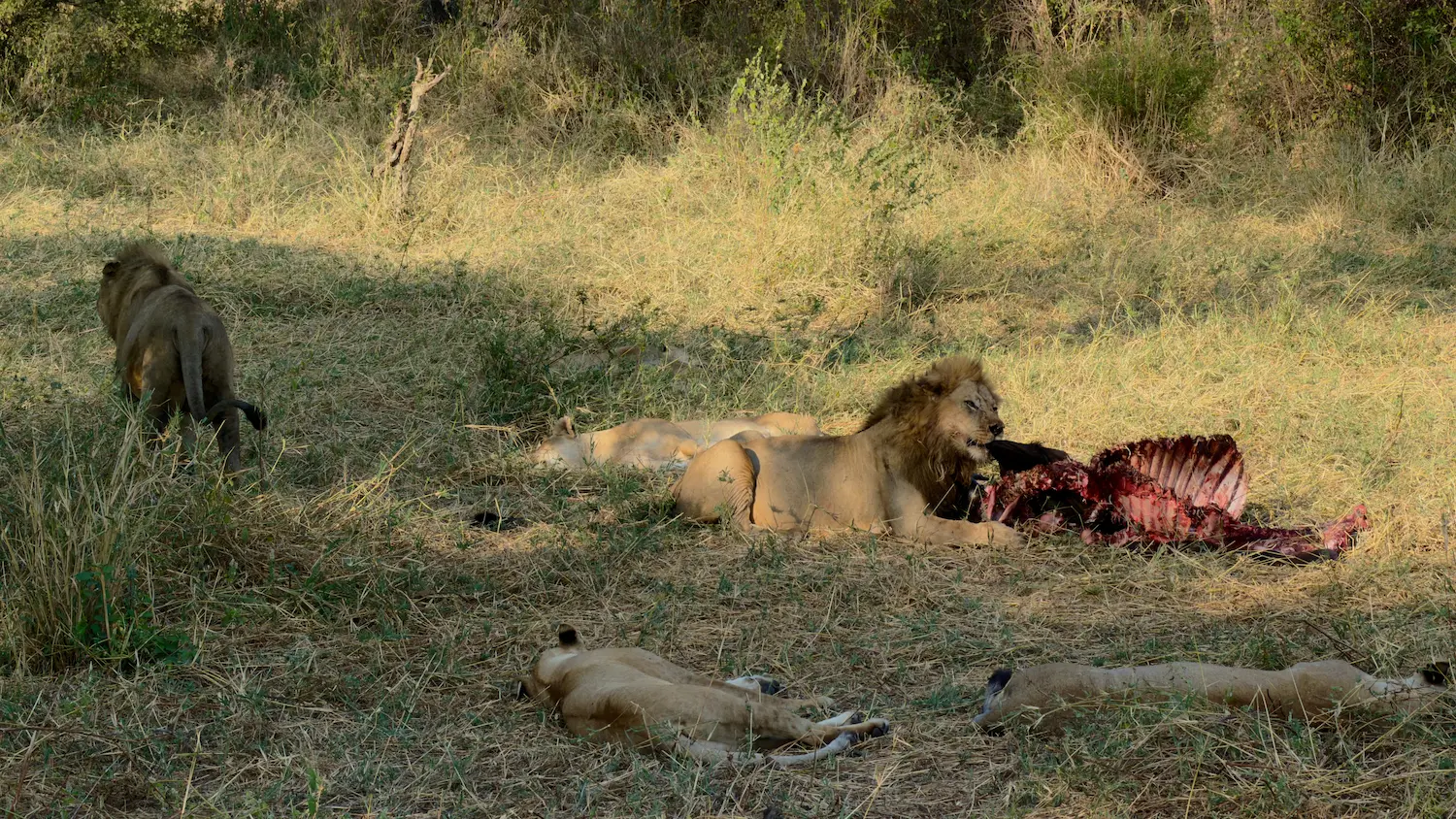
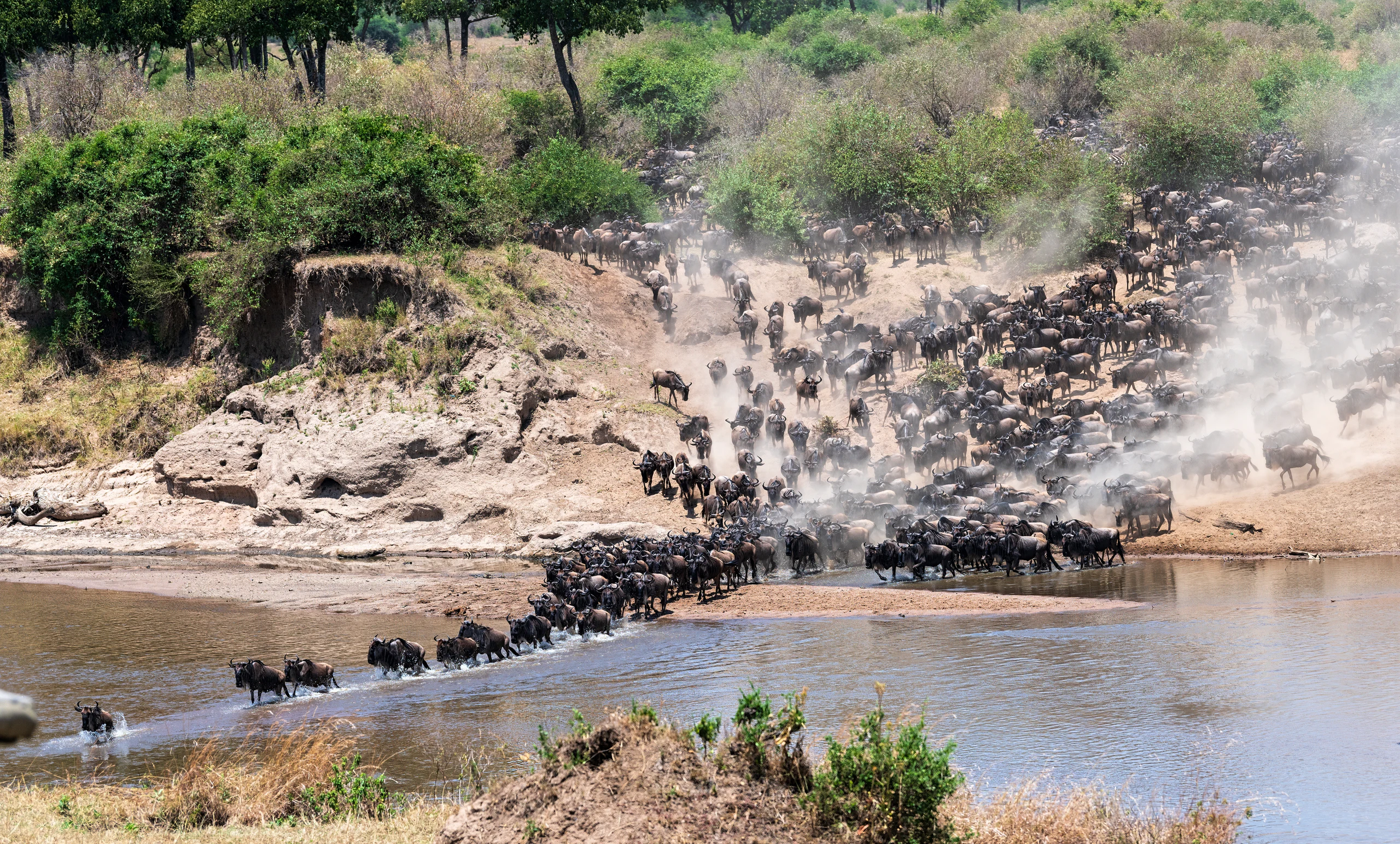
A classic Northern Circuit safari combines Tarangire for elephants and baobabs, Ngorongoro for its rich concentration of wildlife, and several nights in the Serengeti for big cats, open plains, and seasonal migration.
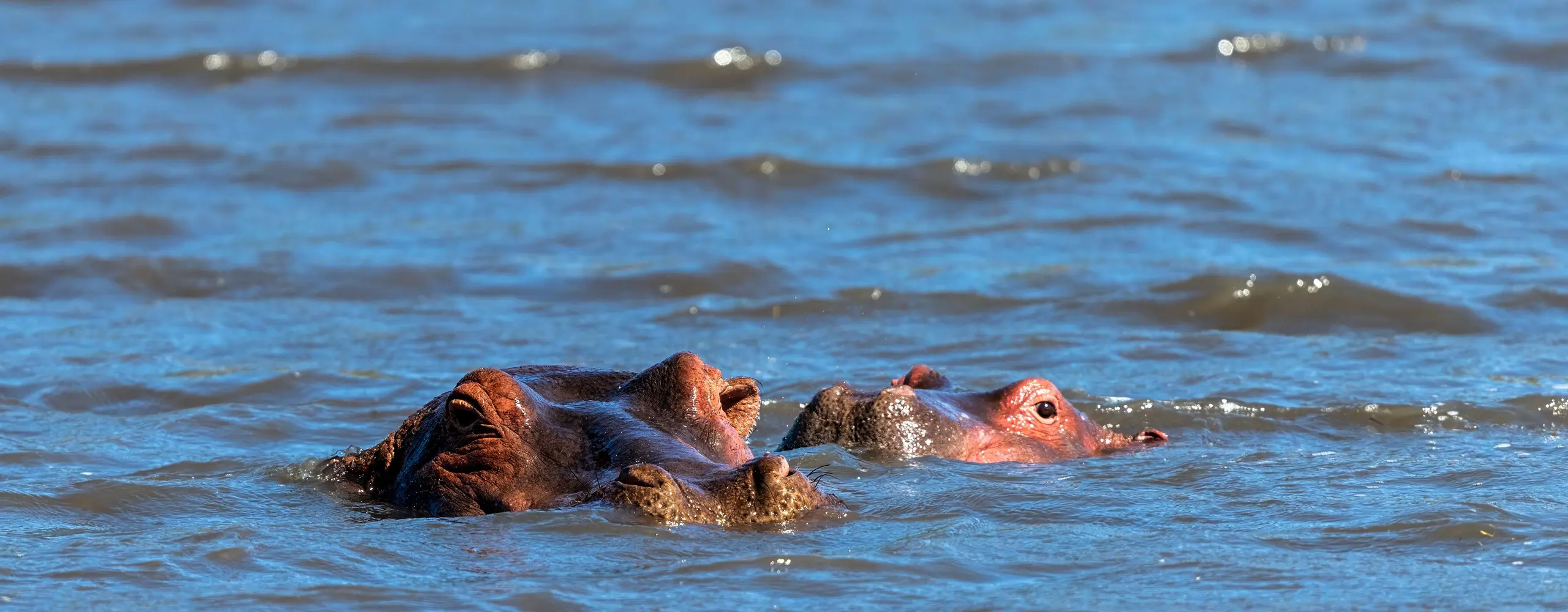
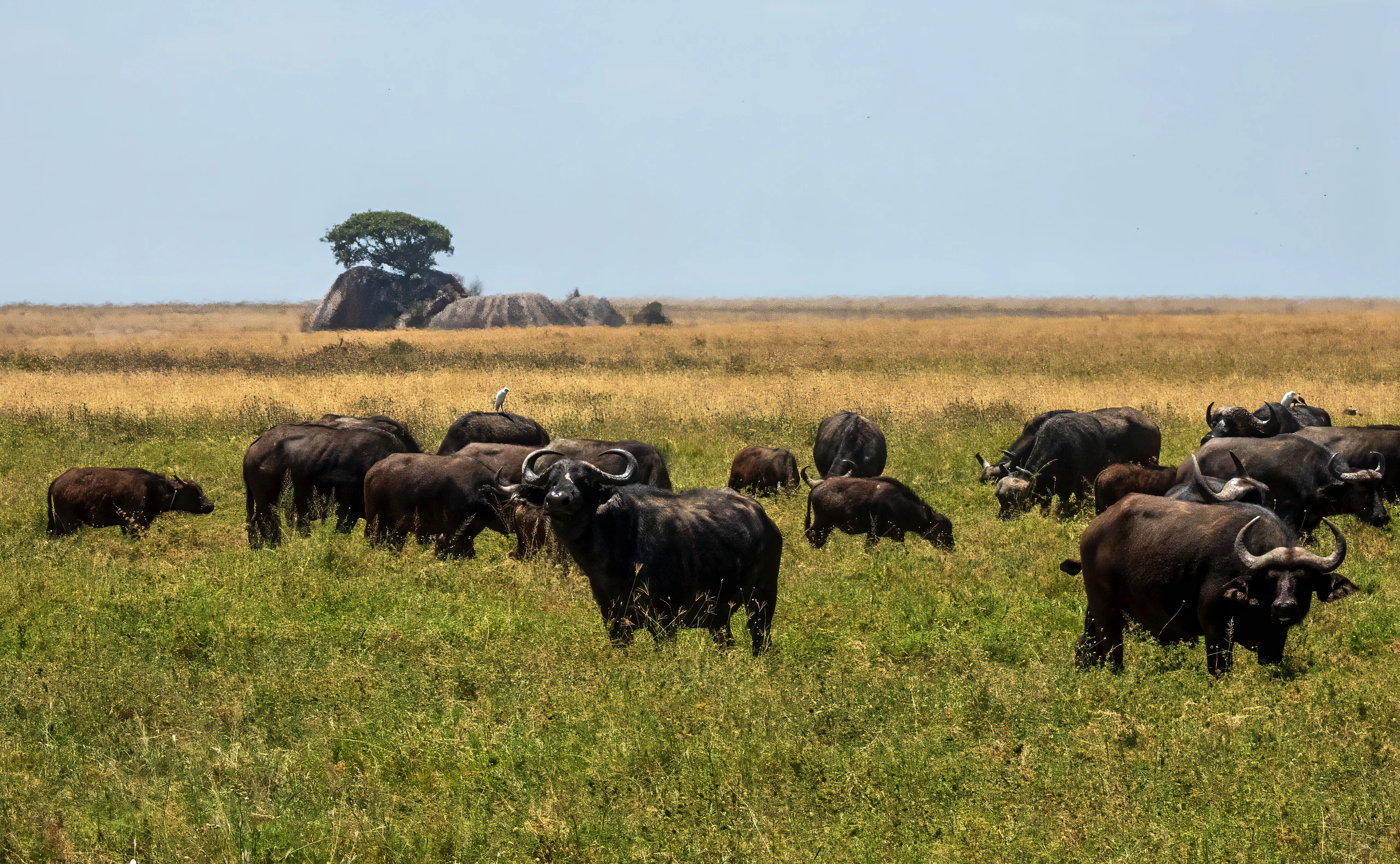
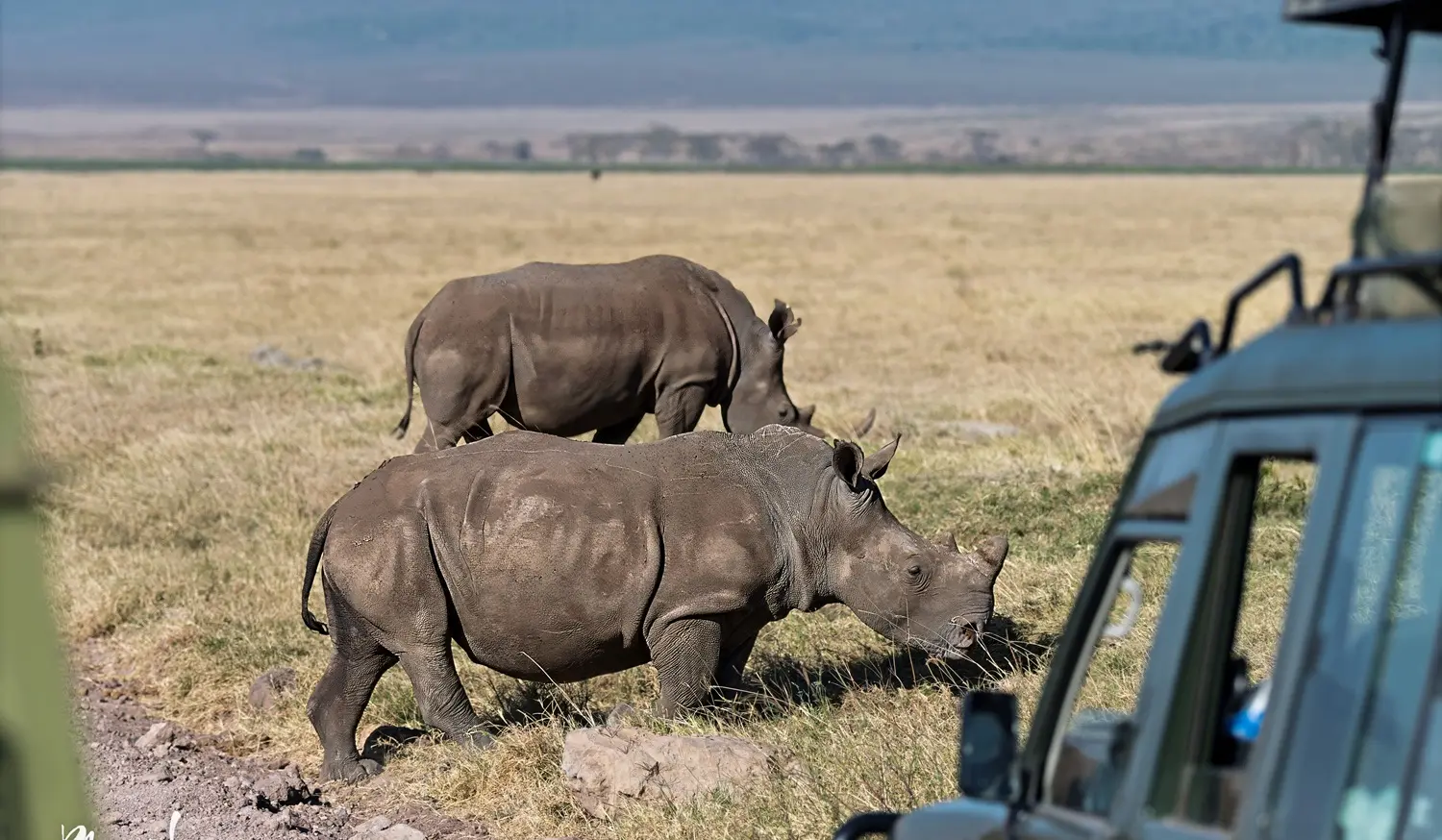
You may see lions, elephants, buffalo, giraffes, zebras, and plenty of birds, while leopards and rhinos are special sightings that depend on timing and luck. Wildlife is never guaranteed, and that’s part of what makes each drive different.
The season also changes what you might see and where your guide takes you. Dry months often bring animals closer to water, while the green season transforms the landscape and brings new life to the plains.
Safari Etiquette: How to Respect Wildlife and Other Guests
Safari is about observing wildlife without disturbing it. Stay in the vehicle unless your guide says it’s safe, keep voices low, and never ask to drive off-road where it isn’t allowed. Give animals space, avoid using sounds to attract their attention, and check before using a drone.
The same respect applies to local communities. Always ask before photographing people, and remember that villages and markets are people’s everyday lives, not photo sets. A good safari leaves both wildlife and communities undisturbed.
- 01Follow guide instructions on standing, noise, and distance
- 02Never feed wildlife or leave food scraps
- 03Ask before photographing people on cultural visits
- 04Limit flashlight use at night around camps
- 05Pack out what you pack in on picnic stops
Age, Fitness, and Accessibility
A classic game drive doesn’t require a high level of fitness, but you should be comfortable getting in and out of a high vehicle and handling bumpy roads. Walking safaris and crater hikes require more mobility, so it’s worth mentioning any limitations when planning your trip.
Safari can also work well for families. Older children and teenagers often enjoy spotting wildlife, while younger kids may do better with shorter drives and more downtime. The itinerary can be adjusted to suit your group rather than forcing everyone into the same pace.
Health, Visas, Money, and What to Pack
Before your trip, check the latest visa and health requirements for your nationality and route, ideally with a travel clinic several weeks before departure. Keep important documents and prescription medicines with you, and consider travel insurance that includes medical evacuation.
For packing, think light and practical: soft luggage, comfortable layers, a warm fleece, sun protection, closed shoes, binoculars, and a small medical kit. Your safari cost covers different things depending on the itinerary, so check your proposal carefully for what is included and what is extra.
- Clinic visit and malaria plan before you fly
- Soft luggage within stated weight limits
- Layers for cold mornings and hot midday floors
- Binoculars, power bank, and photocopies of key documents
Private Safaris for Solo Travelers, Couples, and Families
Safari looks different for everyone. Solo travelers can enjoy the freedom of a private trip without having to manage every detail, while couples get more space and flexibility. Families benefit from shorter drives and a pace that works for their children.
Tell us who is traveling, their ages, and what kind of experience you want. Whether it’s a honeymoon, birthday, family trip, or simply your first safari, we can shape the itinerary around you.
With a private safari, you have more freedom to stop, ask questions, take photos, or simply sit and watch. From airport pickup to your final farewell, Topy Tours handles the logistics so you can focus on the experience.
How it unfolds
- 1
Wake in the dark, dress in layers
A knock or alarm, tea or coffee, and warm layers for an open vehicle. Cameras and binoculars go in the day bag. The early start is the price of cool air and predator activity.
- 2
Morning game drive
Slow travel with frequent stops. Your guide reads tracks, habitat, and radio news. You watch, photograph, ask questions, and learn when silence serves the sighting better than chatter.
- 3
Brunch, lunch, and real rest
Heat rises; animals rest. Return to lodge or enjoy a bush picnic, then nap, swim, journal, or simply sit. Midday rest is a safari skill — not wasted time.
- 4
Afternoon drive into golden hour
The second wildlife window often delivers the day’s best light. Grazers return to open ground; predators stir. Many guests’ favorite photographs happen now.
- 5
Return, freshen, and gather for dinner
Dust off, shower, and share sightings over dinner. Brief tomorrow’s sector, crater descent, or cultural plan. Stars undimmed by city glow become the evening’s closing scene.
- 6
Sleep to night sounds
Camps and lodges carry the soundtrack of insects, distant hyenas, or wind in trees. Earplugs help light sleepers; curiosity helps everyone else. Rest well — another early start waits.
Do
- Arrive with curiosity and patience — wildlife is wild
- Follow guide instructions on standing, noise, and distance
- Drink water, use sunscreen, and respect midday rest
- Ask before photographing people on cultural visits
- Pack binoculars you will actually use from the vehicle
- Tell Topy Tours about diet, mobility, and medical needs early
Don't
- Do not hiss, clap, or crowd animals for a look or a photo
- Do not pressure guides to drive off-road where prohibited
- Do not treat quiet drives as failures — behavior often follows stillness
- Do not skip travel insurance with medical evacuation cover
- Do not bring rigid suitcases when light-aircraft limits apply
- Do not expect zoo schedules or cinematic guarantees