Tarangire National Park Overview
Tarangire is one of those parks that can surprise you.
It may not have the worldwide recognition of the Serengeti, but once you enter the park, it quickly becomes clear why it deserves a place on a Northern Tanzania safari.
Huge baobabs rise above the grasslands. Elephants move between the trees. Giraffes browse among the acacias, and during the dry months, wildlife gathers around the Tarangire River and other remaining sources of water. The landscape also feels different from Serengeti. Instead of endless open plains, Tarangire has a mixture of woodland, grassland, seasonal swamps, river valleys and distinctive baobab-covered hills.
It is often one of the first parks visited on a Northern Circuit safari, and it makes a memorable introduction to Tanzania's wildlife.
What Makes Tarangire Special?
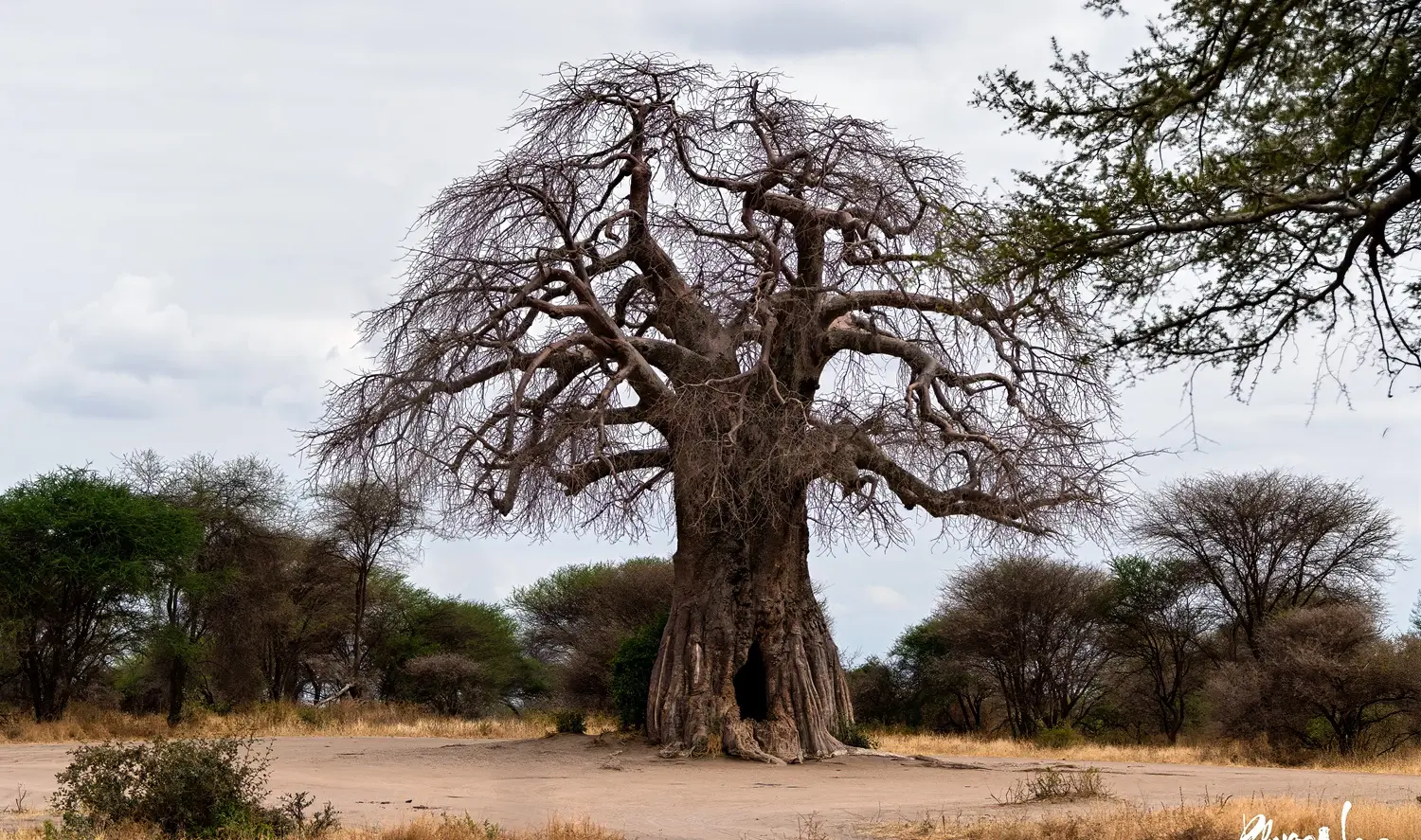
Three things immediately define Tarangire: elephants, baobabs and water. The Tarangire River runs through the park and becomes especially important during the dry season. As water and grazing become less available elsewhere, animals gather around the river and other permanent or seasonal water sources.
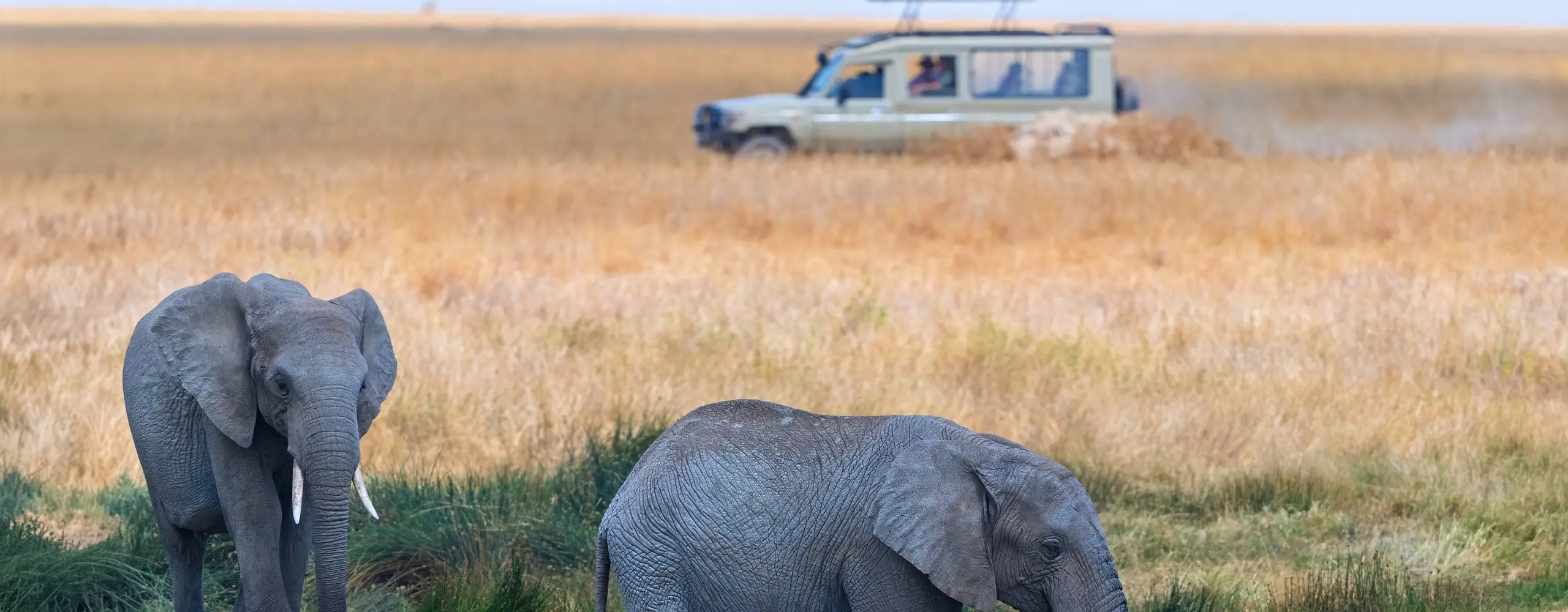
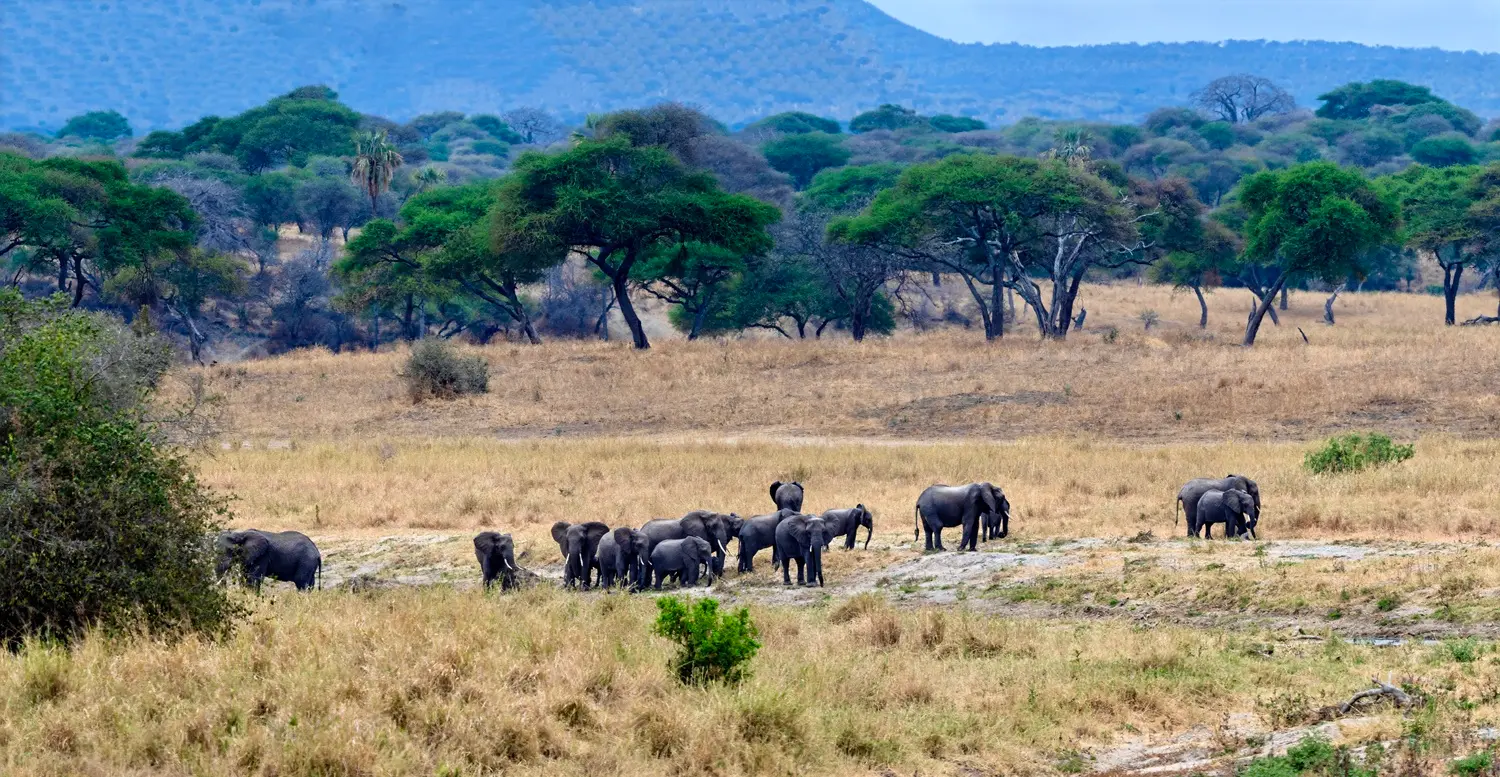
The park's baobabs add another layer to the experience. Their enormous trunks and unusual shapes make almost every game drive feel visually different from the classic open-grassland safari. And then there are the elephants. Large elephant families are one of Tarangire's signature sights, particularly during the dry season.
The Tarangire River
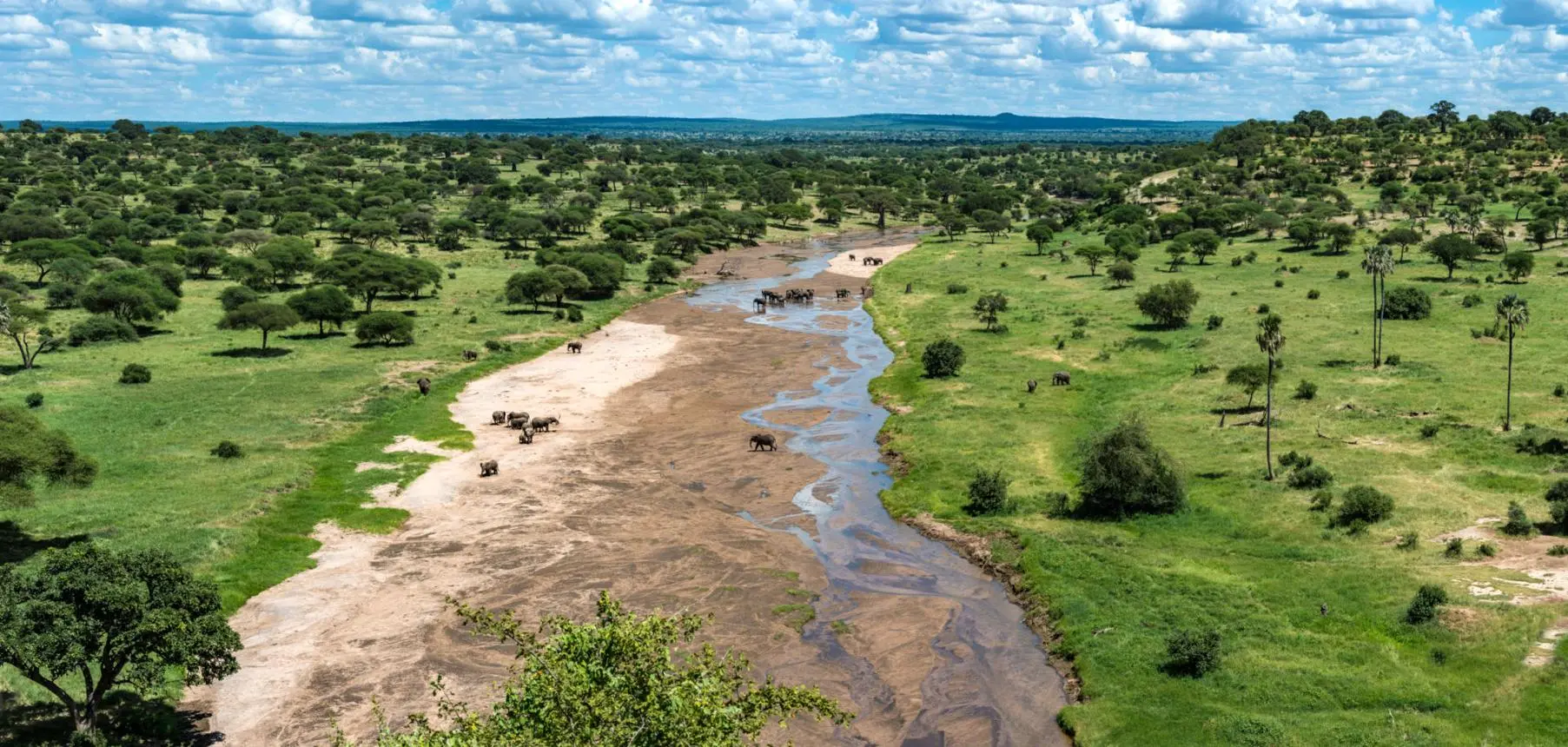
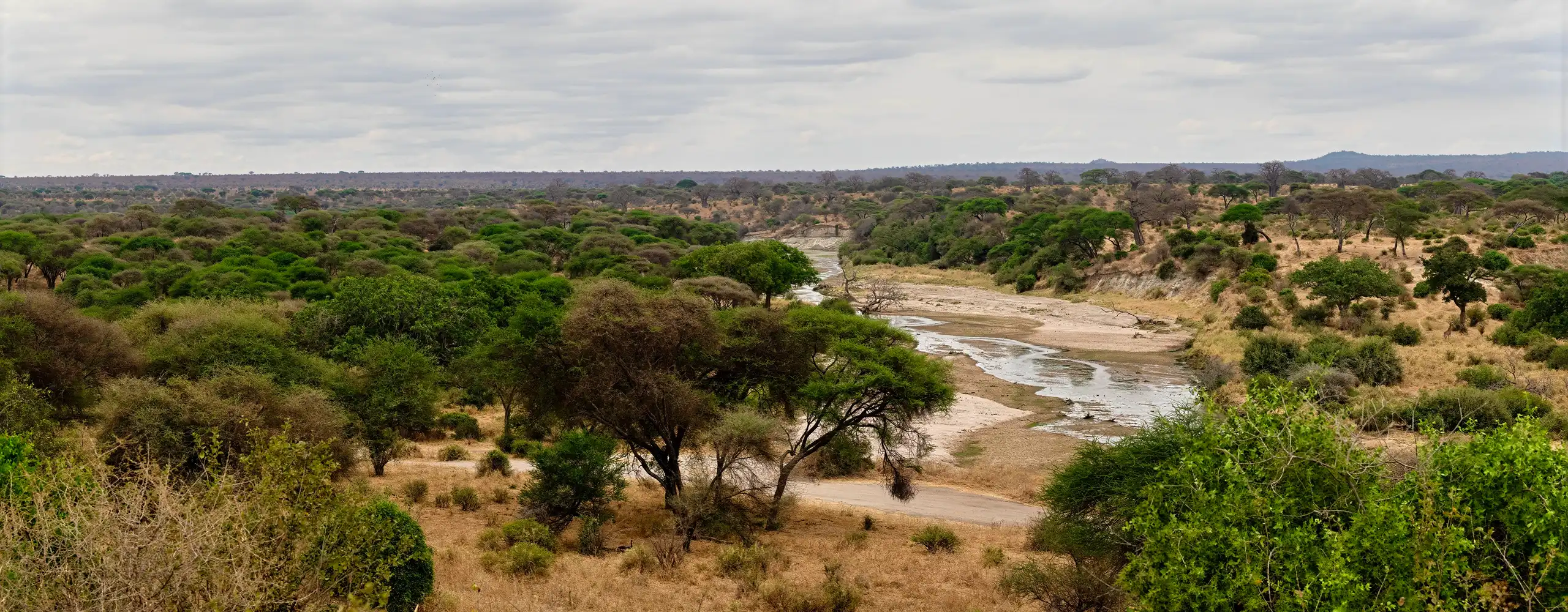
The river is the ecological heart of the park. During the dry season, water becomes increasingly important, and wildlife gathers around the Tarangire River and associated wet areas.
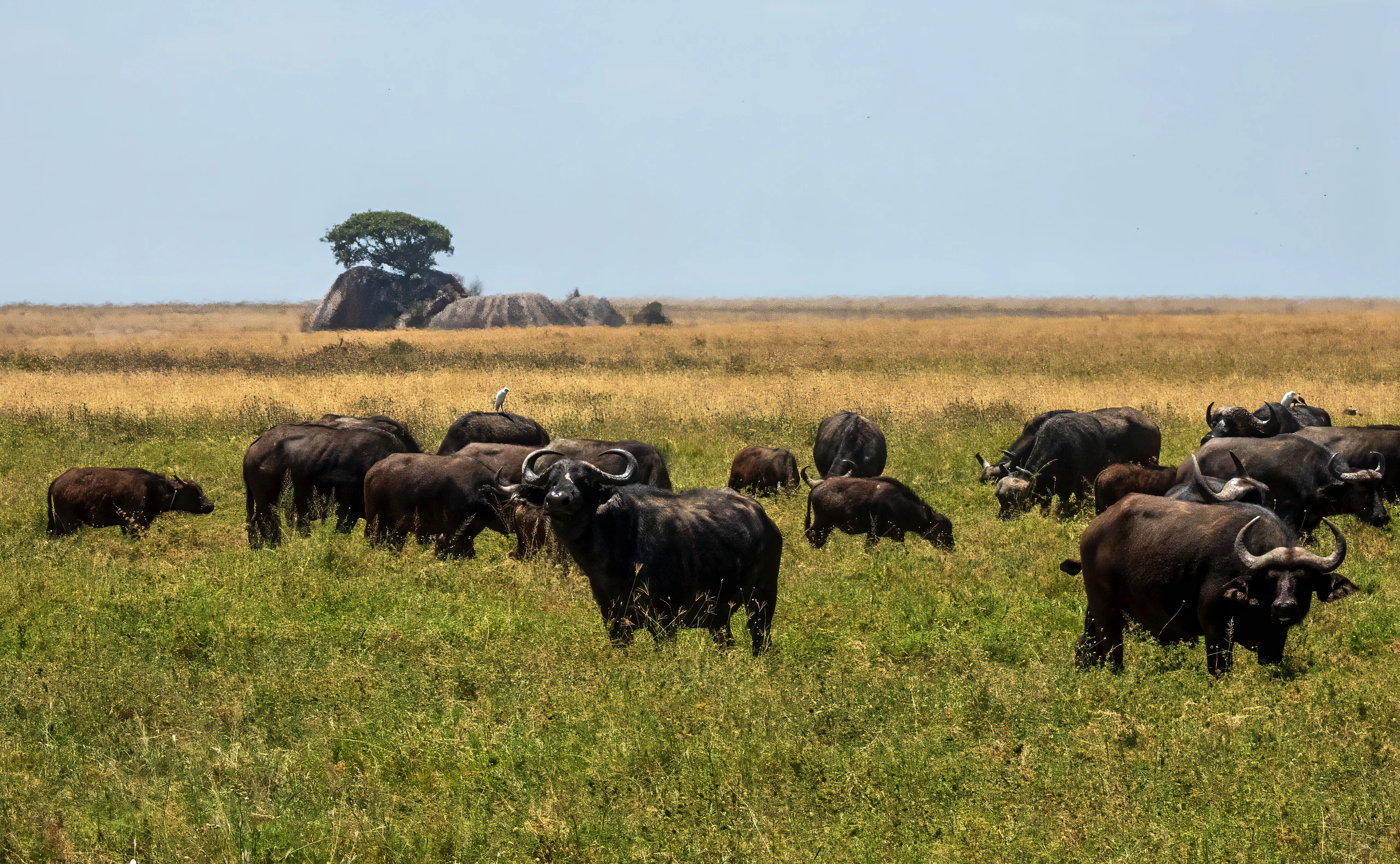
Elephants may come to drink and dig for water. Buffalo and other herbivores gather nearby, while predators follow the concentrations of prey. This is one reason Tarangire can become particularly rewarding between roughly June and October.
The river also gives the landscape a natural structure. Rather than simply driving across open plains, you move between riverine vegetation, woodland and open areas where animals gather.
Elephants & Baobabs
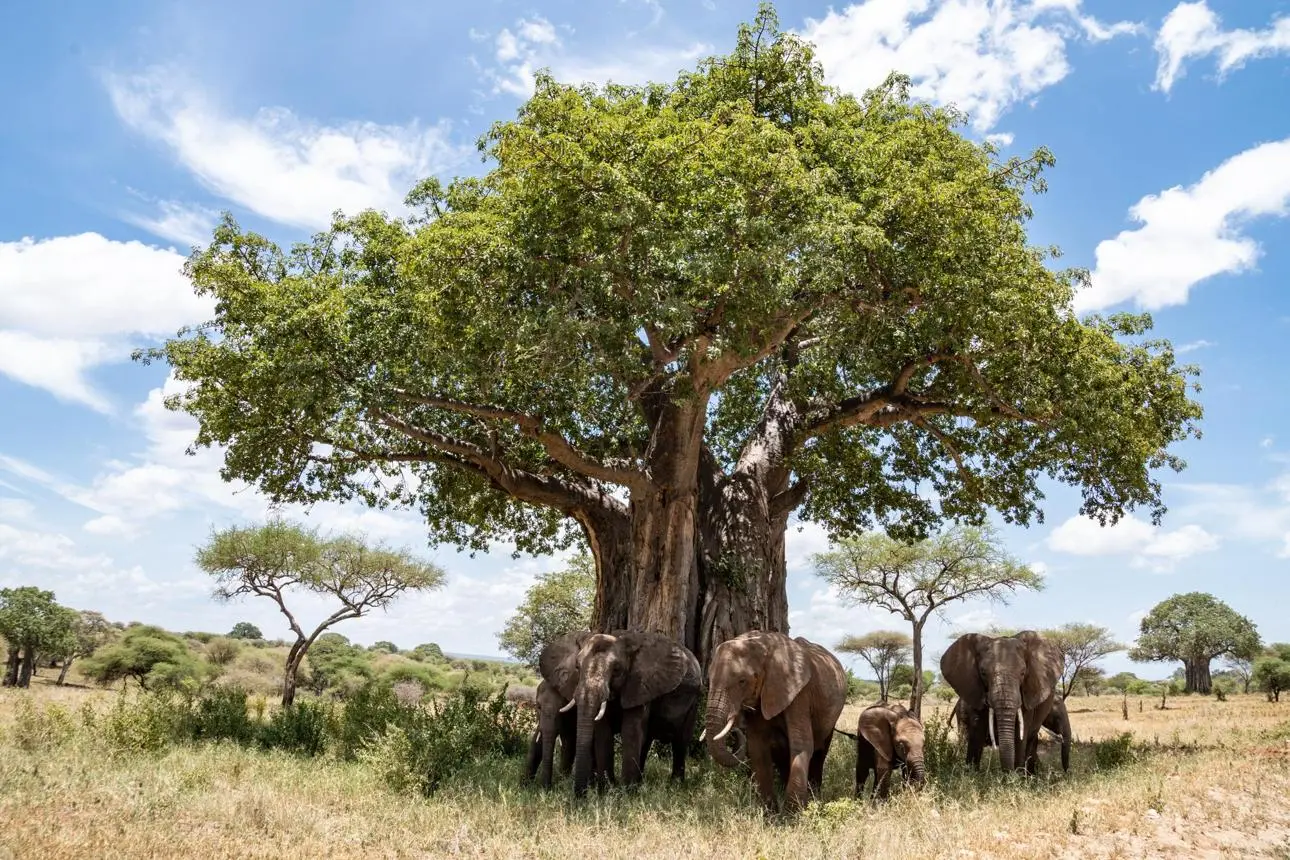
If there is one image that captures Tarangire, it is probably an elephant standing beneath an enormous baobab. Elephants are one of the park's defining attractions, and TANAPA highlights Tarangire for its high concentration of elephants.
The baobabs are equally distinctive. Some trees are centuries old, and their enormous trunks can dominate the landscape. They provide shade, visual drama and a sense that you are looking at a much older Tanzania. For photographers, this combination is particularly rewarding. An elephant moving beneath a baobab at sunrise or late afternoon can create one of the most memorable scenes of a Northern Circuit safari.
Wildlife in Tarangire
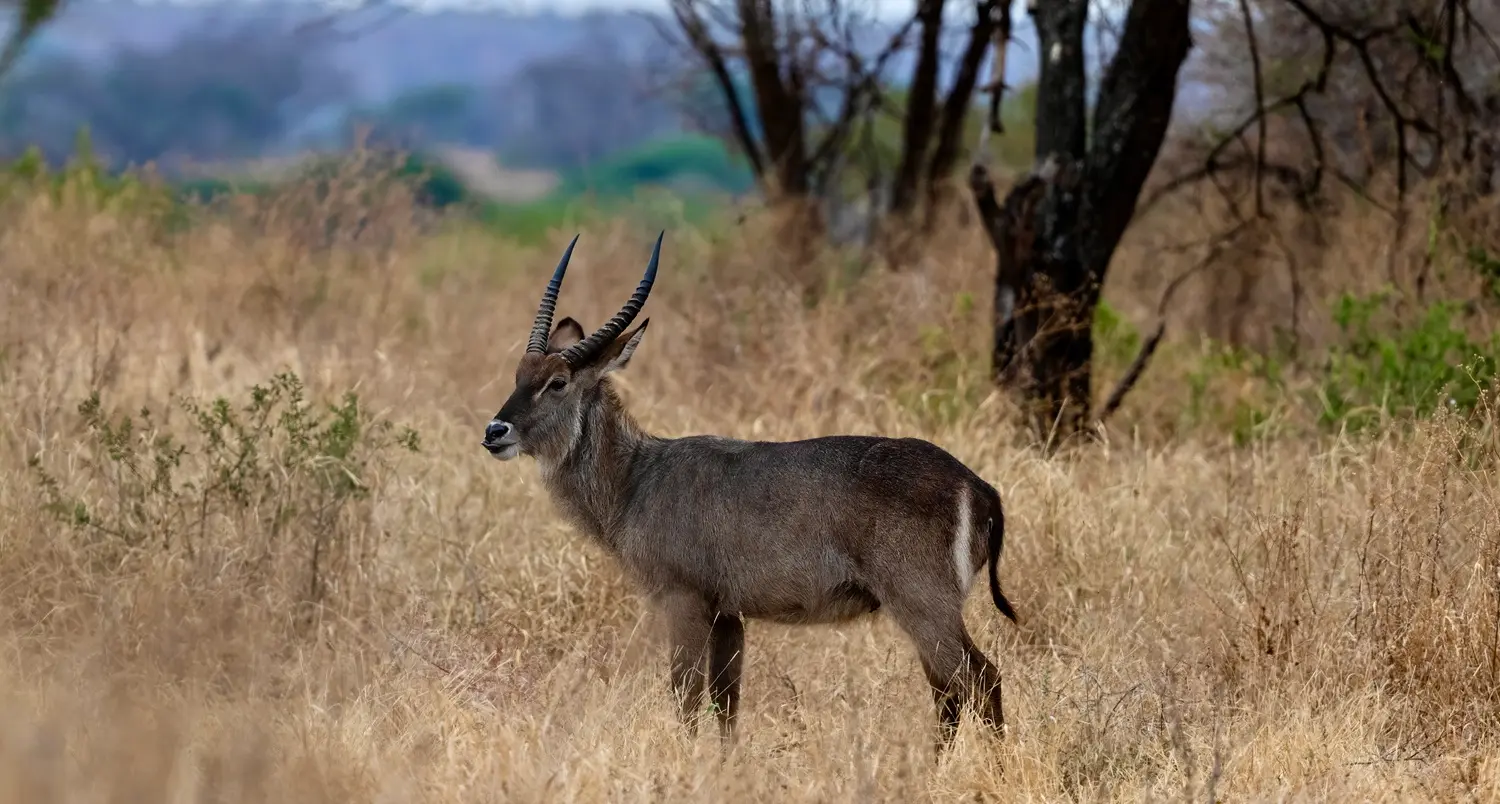
Alongside elephants, you may encounter Zebra, Wildebeest, Buffalo,Giraffe, Impala, Gazelles, Warthogs,Lions, Leopards, Hyenas, Cheetahs, Monkeys, Baboons
Wildlife numbers and distribution change with the seasons. During the dry months, concentrations around water can make animals easier to find. During wetter periods, wildlife can spread out across a much larger area as temporary water and fresh grazing become available. This seasonal movement is part of what makes Tarangire interesting rather than simply predictable.
Lions, Leopards & Other Predators
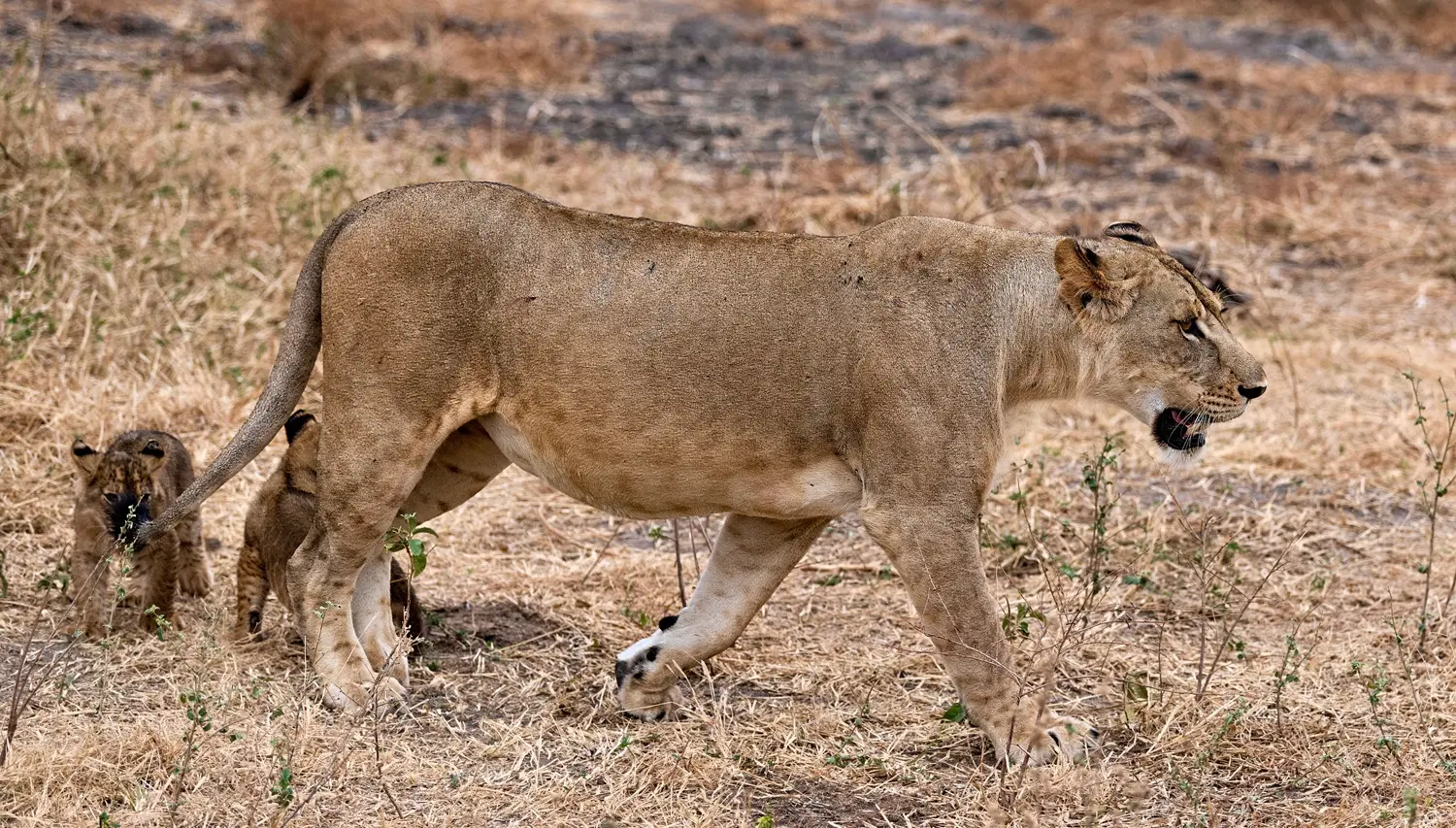
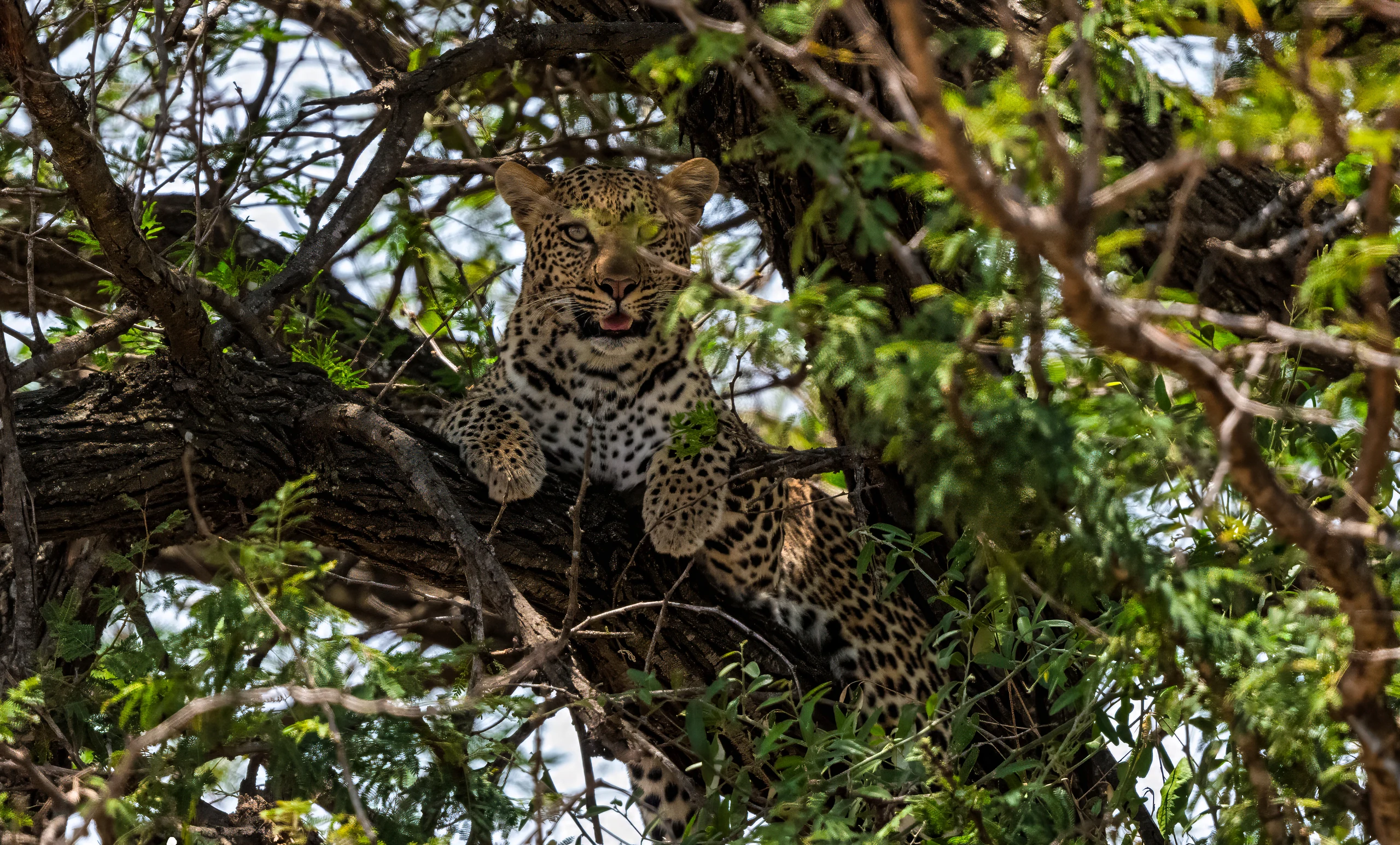
Tarangire is not only an elephant destination. Lions are regularly encountered, particularly where prey concentrations are high. Leopards are more elusive and may require patience, a good guide and some luck. Hyenas and smaller predators are also part of the ecosystem, while cheetahs can be seen in more open areas.
You may also encounter less obvious predators and reptiles, including pythons in suitable habitats. The park's mixture of open plains, woodland and riverine vegetation creates plenty of different places for predators to hunt and rest.
Birdwatching in Tarangire
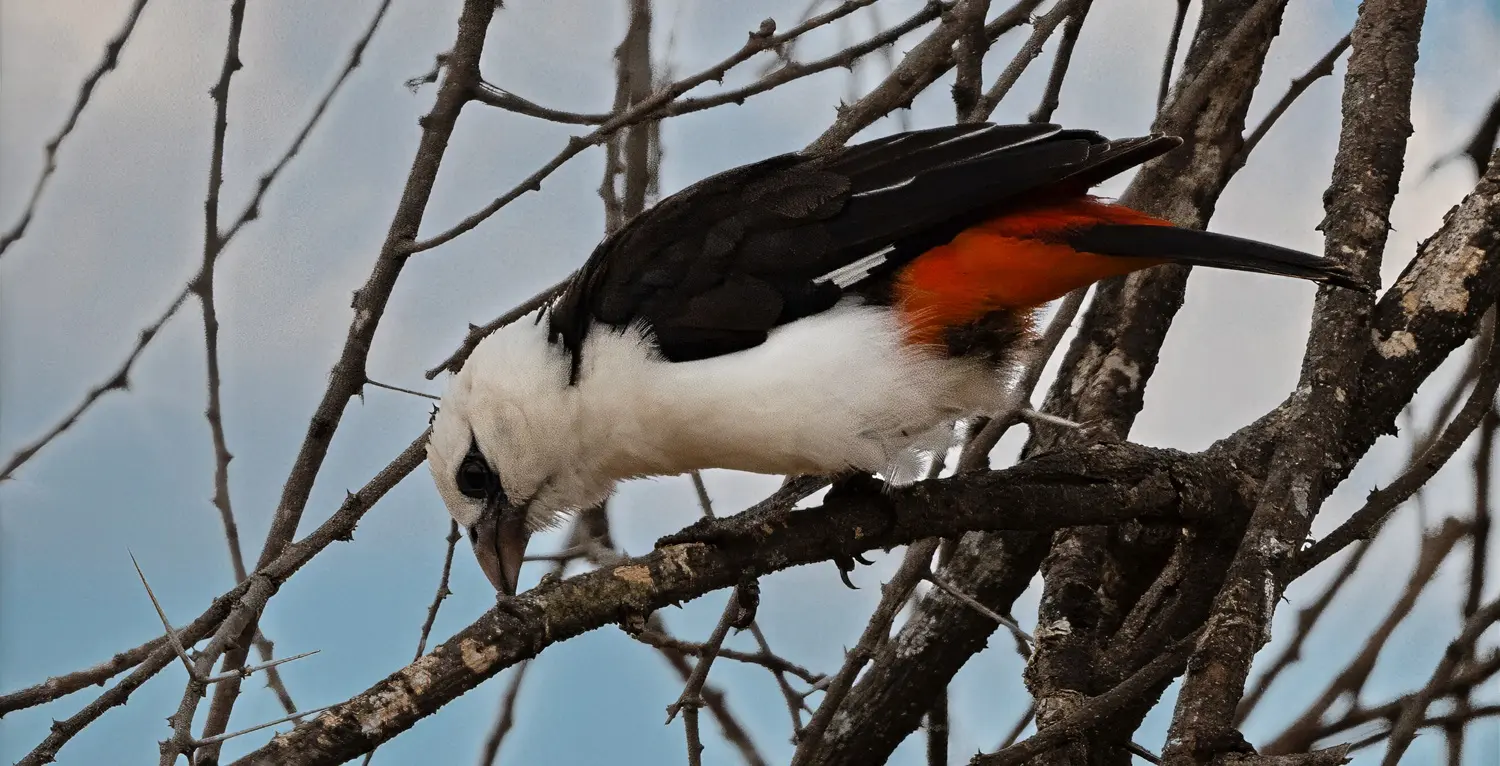
Tarangire is an excellent destination for bird lovers.
The park's varied habitats support a large number of species, and TANAPA highlights more than 550 bird species in the park. You may encounter large birds such as kori bustards and ostriches, colorful species such as bee-eaters and lovebirds, and numerous birds of prey.
Even if you are not a dedicated birder, it is worth slowing down occasionally. A safari does not always need to be about finding the next lion or elephant. Sometimes the most interesting moments are watching a bird hunt, listening to calls in the woodland or seeing a brightly colored species move through the trees.
Tarangire in the Dry Season
The dry season is when Tarangire really comes into its own. From around June through October, rainfall decreases and water becomes increasingly concentrated around reliable sources. TANAPA identifies June–October as the main dry season, alongside a drier period in January–February.
As surrounding areas dry out, wildlife can concentrate around the Tarangire River and other remaining water sources. Elephants become particularly prominent, while zebra, wildebeest, buffalo and other herbivores gather in larger numbers. This is also when the park's dry, golden landscape contrasts beautifully with the dark trunks of the baobabs.
Tarangire in the Green Season
The wetter months change the character of the park. Rain brings fresh grass, greener vegetation and temporary water sources. Wildlife can spread out rather than remaining concentrated around the river.
The landscape becomes greener and the atmosphere can feel quieter. For birdwatchers and photographers who enjoy lush landscapes, this period has its own appeal. The trade-off is that animals may be more dispersed, making them less predictable to locate.
Best Time to Visit Tarangire
Tarangire can be visited throughout the year, but the experience changes significantly with the seasons.
June–October
This is the classic dry-season period.
Wildlife concentrations increase around water, and elephants are a major attraction. The weather is generally dry, making this a popular period for safari.
November–December
Short rains bring fresh vegetation and greener scenery. Some wildlife begins spreading into areas that were previously dry, while birdlife can become particularly interesting.
January–February
These months can provide another relatively dry period, although conditions vary. Tarangire can still offer good wildlife viewing, but animals may be more widely distributed than during the later dry season.
March–May
The long-rain period brings the greenest landscapes. Rain can affect road conditions, and wildlife is generally more dispersed. If your priority is the highest concentration of large animals around water, the later dry season is generally more suitable.
How Long Do You Need?
Tarangire works well as either a one-night stop or a two-night destination.
- For a first Northern Circuit safari, one full day can provide a good introduction to the park.
- Two nights give you more flexibility and reduce the feeling that you are simply passing through.
- If you are particularly interested in elephants, photography or birding, additional time can be worthwhile.
- But if you have limited safari days and the Serengeti is your main priority, it may make more sense to spend more nights there rather than extending every stop.
Where to Stay
You can stay inside or close to Tarangire, depending on the type of safari you want. There are campsites, tented camps and lodges around the park and its boundaries. TANAPA notes accommodation options around areas including the Tarangire River and Silale Swamp. Staying closer to the park can make early morning game drives more convenient. For a luxury safari, private tented camps can provide a more immersive experience. For a simpler safari, campsites can keep costs lower while still putting you close to the landscape.
The most important thing is to look at the camp's actual location rather than choosing only based on photographs or room quality.
Tarangire vs Serengeti
Tarangire and Serengeti are very different. Tarangire is smaller, more wooded and strongly associated with elephants, baobabs and seasonal wildlife concentrations around water.
Serengeti is much larger, with enormous open plains, extensive resident wildlife and the Great Migration. Tarangire can provide a more intimate introduction to safari, while Serengeti offers the feeling of exploring an enormous wilderness. They complement each other extremely well, which is why both are commonly included in Northern Circuit itineraries.
Tarangire vs Lake Manyara
Tarangire and Lake Manyara are often placed close together in safari itineraries, but they offer different experiences. Tarangire is particularly known for elephants, baobabs, dry-season wildlife concentrations and its broad mixture of woodland and savanna.
Lake Manyara offers groundwater forest, lake habitats and a very different landscape compressed into a smaller area. If you have enough time, visiting both provides more habitat variety. If your safari is short, the choice can depend on what matters most to you.
How to Get to Tarangire
Tarangire is relatively accessible by road from Arusha.
TANAPA estimates roughly 2.5–3 hours by road from Arusha under good conditions, with the final approach using park roads. The park can also be reached by air, with flights using the Kuro airstrip inside the park. For most Northern Circuit itineraries, road travel makes practical sense because Tarangire naturally fits into a route continuing toward Ngorongoro and Serengeti.
What to Pack for Tarangire
Tarangire can become hot during the day, while early mornings may be much cooler.
- Lightweight neutral-colored clothing
- Warm layer for early morning
- Comfortable trousers
- Hat
- Sunglasses
- Sunscreen
- Camera and spare batteries
- Reusable water bottle
- Insect repellent
- Comfortable closed shoes