Ngorongoro Crater Overview
Ngorongoro Crater is one of the most remarkable wildlife destinations in northern Tanzania.
From the crater rim, the landscape below looks almost unreal. A huge green-brown bowl stretches across the horizon, surrounded by steep walls and dotted with grasslands, woodland, wetlands and a shallow lake. Then the road begins its descent.
Within a short time, you are down on the crater floor, surrounded by wildlife. Lions rest in the grass, zebra move across the plains, buffalo gather in groups and hippos spend time around the wetlands. The crater is often included on a Northern Circuit safari between Tarangire and Serengeti, and for many travelers it provides one of the most concentrated wildlife experiences of the trip.
What Is Ngorongoro Crater?
Ngorongoro is a vast volcanic caldera formed when a large volcano collapsed after a major eruption millions of years ago.
Today, the crater forms part of the wider Ngorongoro Conservation Area, a protected landscape that is much larger than the crater itself. The crater floor covers roughly 260 square kilometres and is surrounded by steep walls rising hundreds of metres above the floor. Because the crater has permanent water sources, grasslands and sheltered habitats, wildlife can remain in the area throughout the year. It is this combination of geography, water and food that makes the crater such an extraordinary wildlife environment.
Why Ngorongoro Is Special
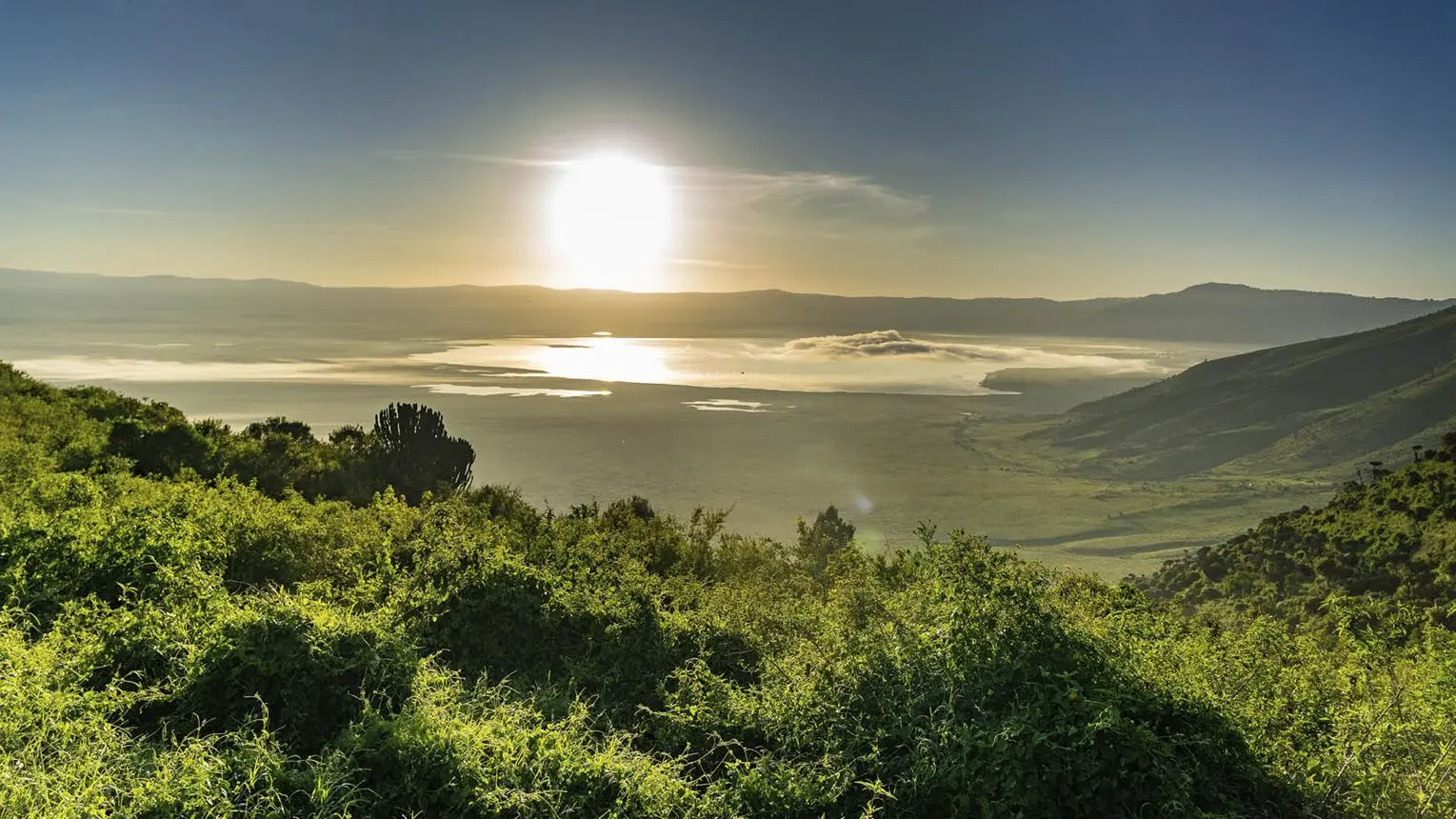
The first thing that makes Ngorongoro different is its shape.
You are not simply entering another open savanna. You are descending into a huge natural enclosure where grasslands, woodland, marshes and water are packed into a relatively compact area.That concentration makes it possible to see a remarkable amount of wildlife during a single crater game drive.
But the experience is not only about the animals. Standing on the crater rim and looking across the caldera gives you a sense of scale that photographs rarely capture. The crater walls, changing light and distant herds make the landscape itself part of the safari.
Altitude and how you may feel
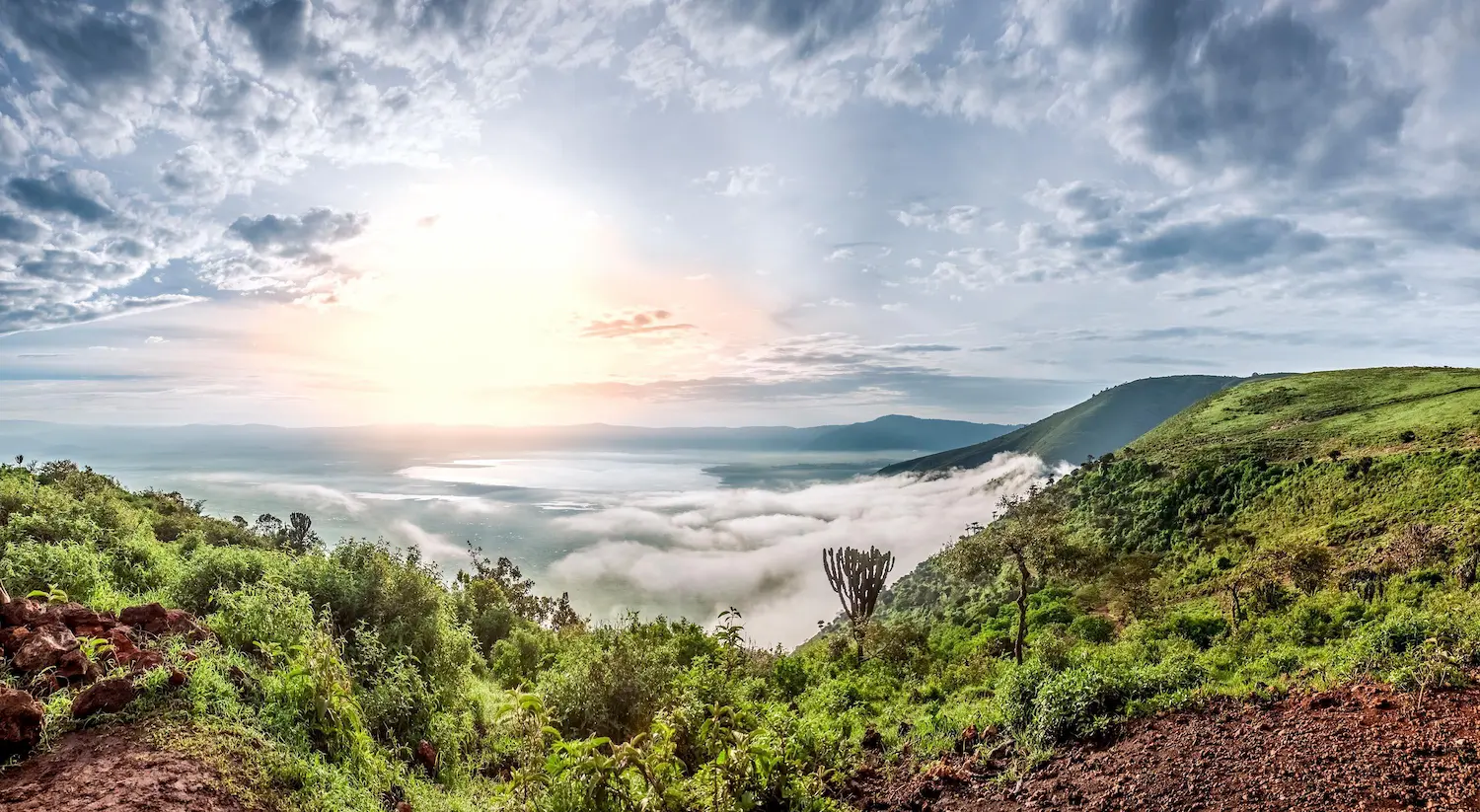
Rim lodges sit at significant elevation compared with many savannah camps. Most travelers feel fine; some notice cooler nights, thinner air on short walks, or lighter sleep the first night. Hydration, layers, and an easy evening on arrival help more than any supplement advertised online.
The crater floor is lower than the rim, so temperatures and sensation change as you descend. Pack for both: cold open-vehicle morning on the rim, warmer sun on the floor by midday. If you are sensitive to altitude or have respiratory concerns, tell Topy Tours before travel so we can brief lodging and pacing thoughtfully.
Walking the rim is optional and should match your fitness. Game-drive crater days do not require hiking fitness, but repeatedly entering a high 4x4 and sitting through corrugated approach roads still ask for basic mobility. Share honest limits early — surprise limitations on crater morning are harder to fix than a clear brief weeks ahead.
The Crater Landscape
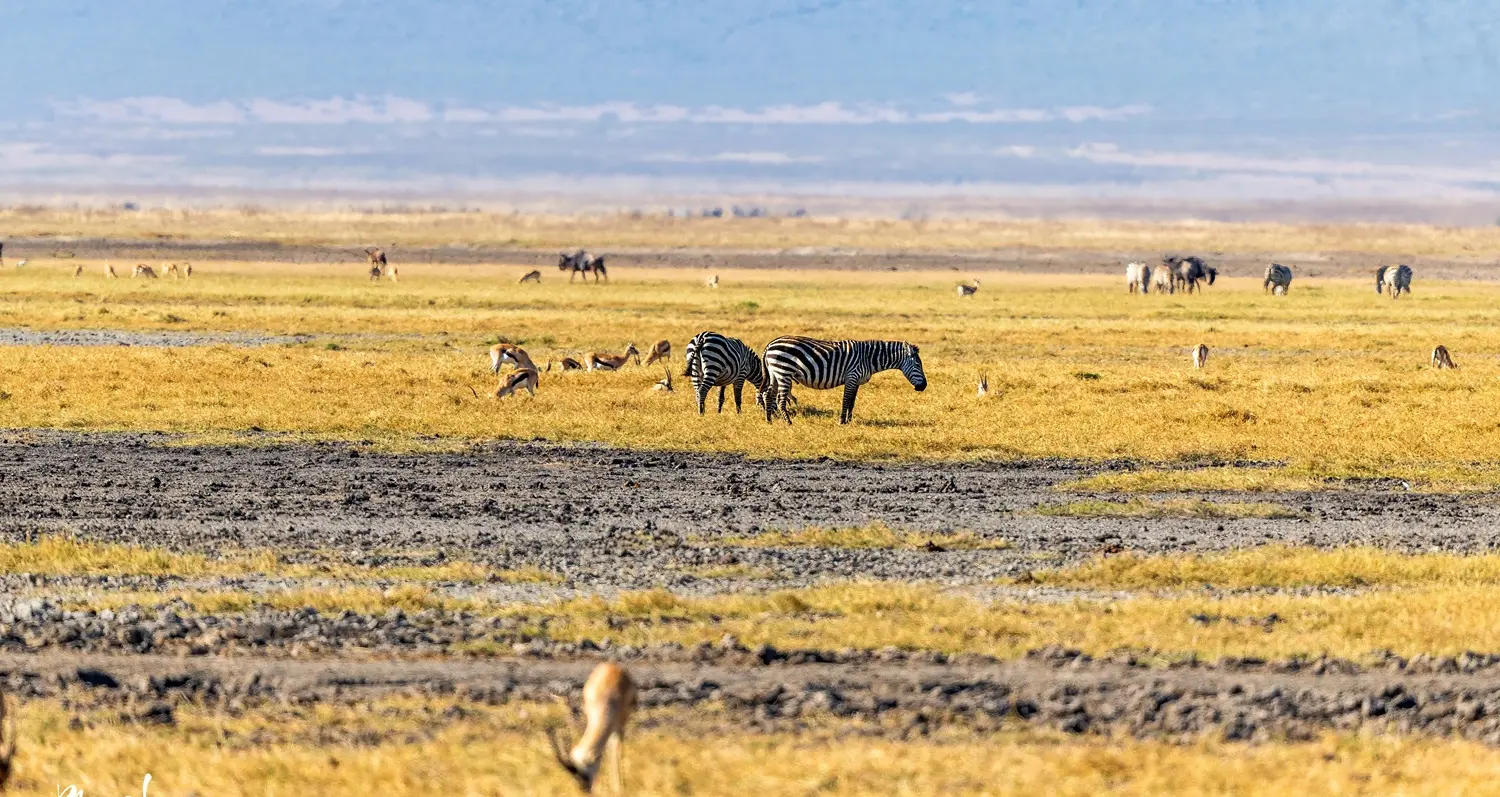
The crater floor contains several distinct habitats. Because these habitats sit close together, a single game drive can move through several completely different environments.
- Open grasslands provide grazing for wildebeest, zebra, gazelles and buffalo.
- The Lerai Forest provides woodland habitat and is particularly associated with elephants and other forest-loving species.
- Lake Magadi is a shallow alkaline lake that can attract flamingos and other waterbirds when conditions are suitable.
- Wetlands and springs provide important water sources for wildlife, particularly during drier periods.
Wildlife in the Crater
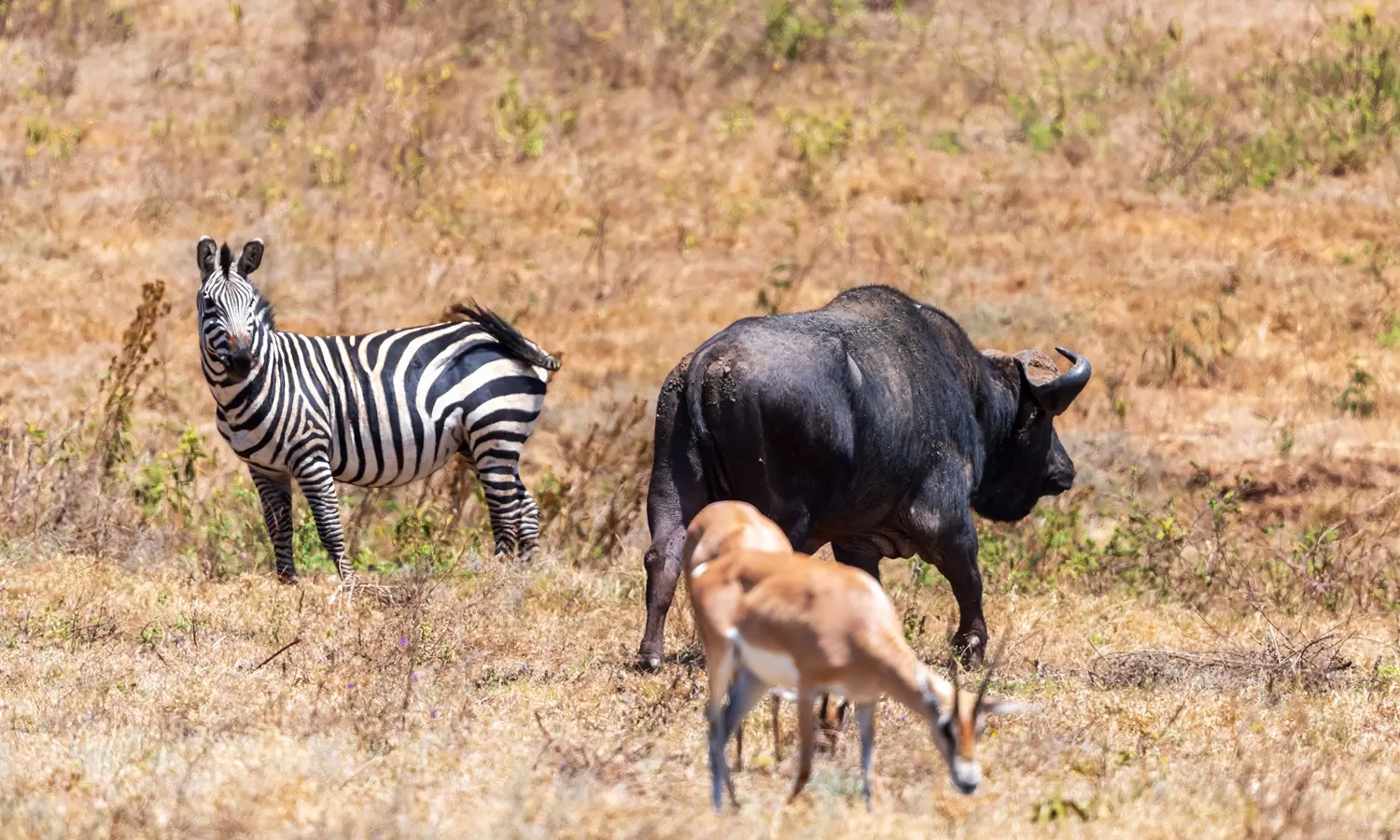
The wildlife concentration is one of Ngorongoro's biggest attractions. The crater does not have every species found across the wider Serengeti ecosystem, but what it does offer is the opportunity to see many animals within a relatively compact area. That makes it particularly rewarding for travelers who have limited time.
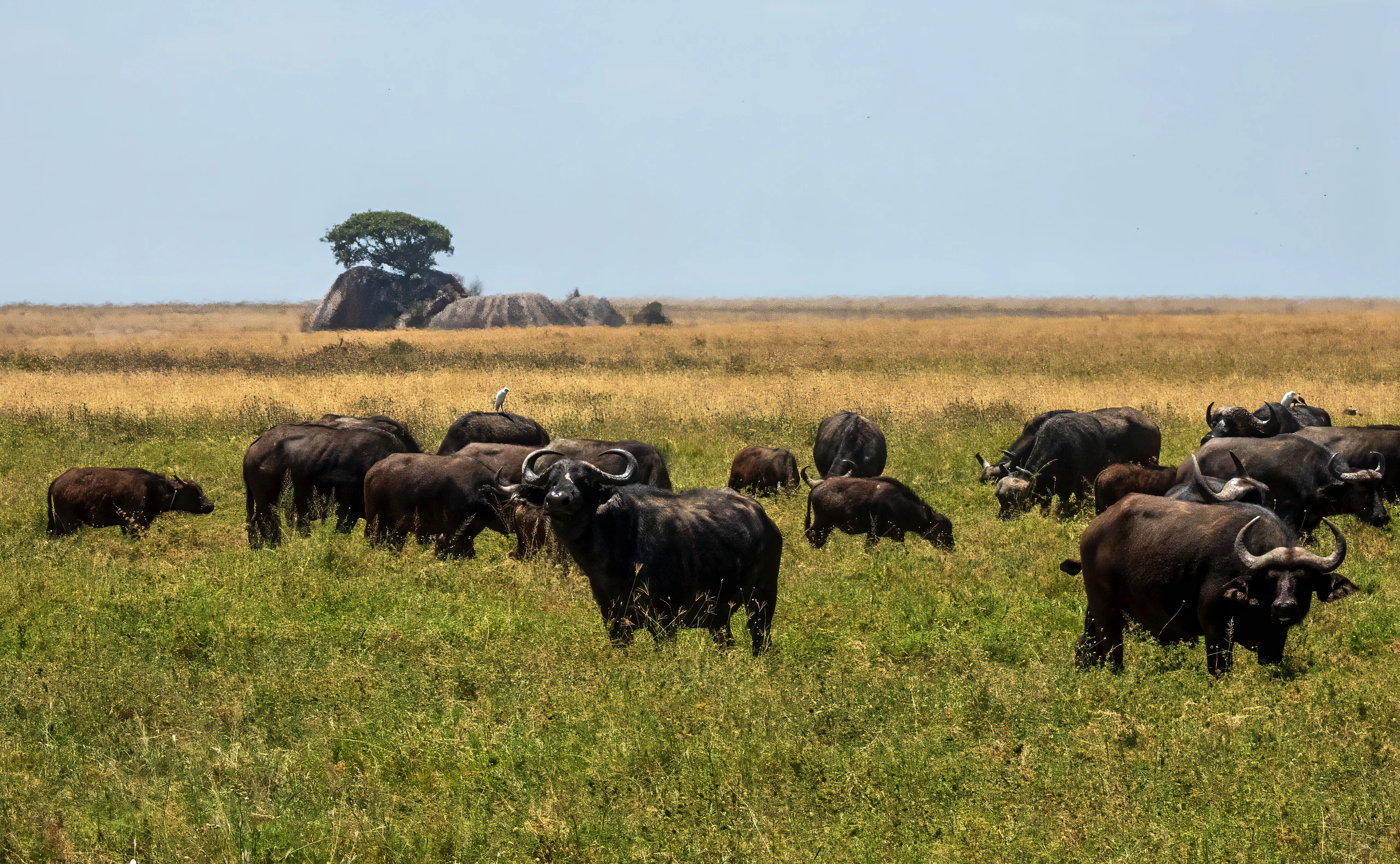
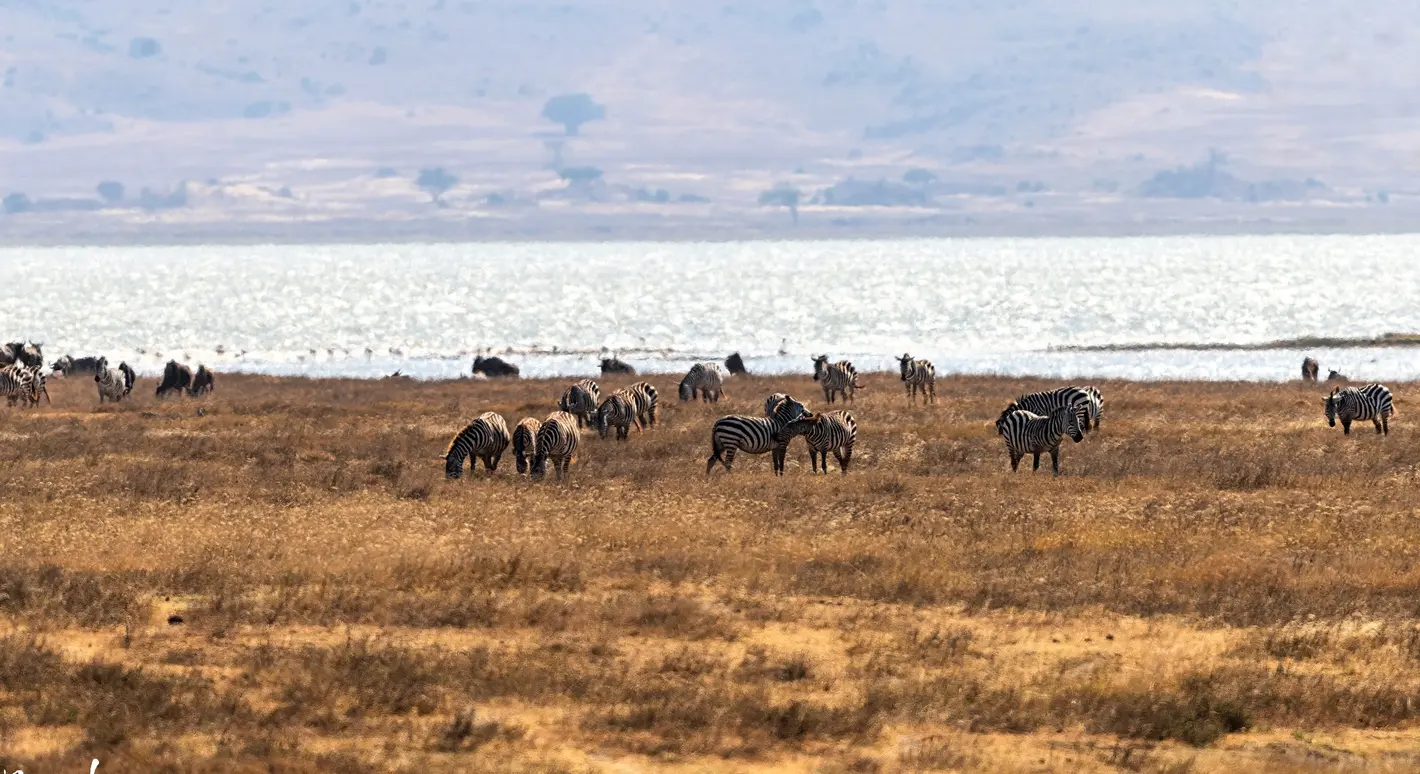
- Large herds of zebra and wildebeest can be seen across the grasslands, while buffalo gather in substantial groups.
- Lions are among the most frequently noticed predators, and spotted hyenas are also important members of the crater ecosystem.
- You may also see elephants, hippos, jackals, warthogs, gazelles and a wide range of birds.
Wildlife expectations — honest version
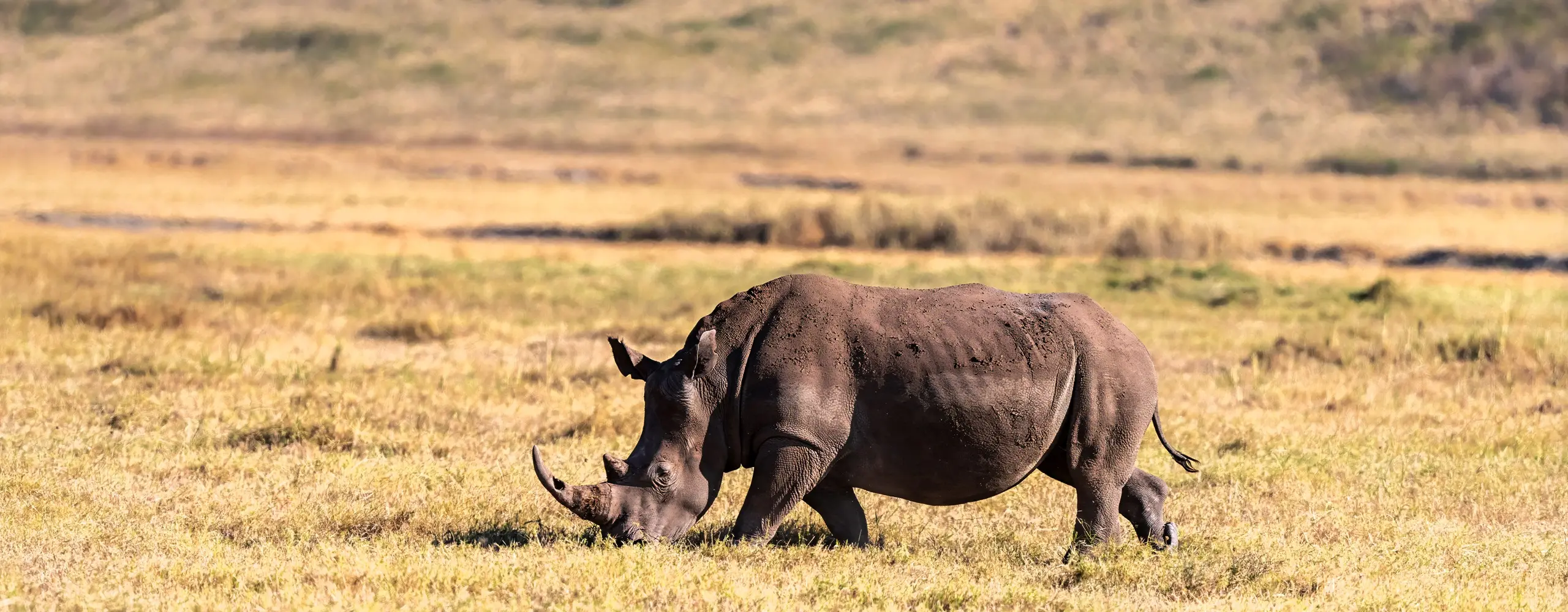
Density is high; guarantees are not. Black rhino sightings are a highlight when they happen and a miss when they do not — both outcomes are normal. Lions and large herbivores are frequent; leopards are less crater-dependent than in Serengeti riverine habitats. Hyenas, jackals, and hippos often steal scenes from guests who only chase cats.
Birdlife and lake color can steal the morning from any Big Five search. Bring binoculars. Let the caldera be a habitat, not a scorecard. Ethical viewing means giving animals space, keeping voices low, and being willing to reverse when too many vehicles arrive. The best guides leave before a scene degrades — Topy Tours backs that discipline.
Photography tip: midday floor light is harsh; morning and late afternoon reward patience. Dust and vehicle heat haze are real. A mid-range zoom and binoculars often beat an unwieldy lens you never raise because the sighting moved.
The Big Five in Ngorongoro
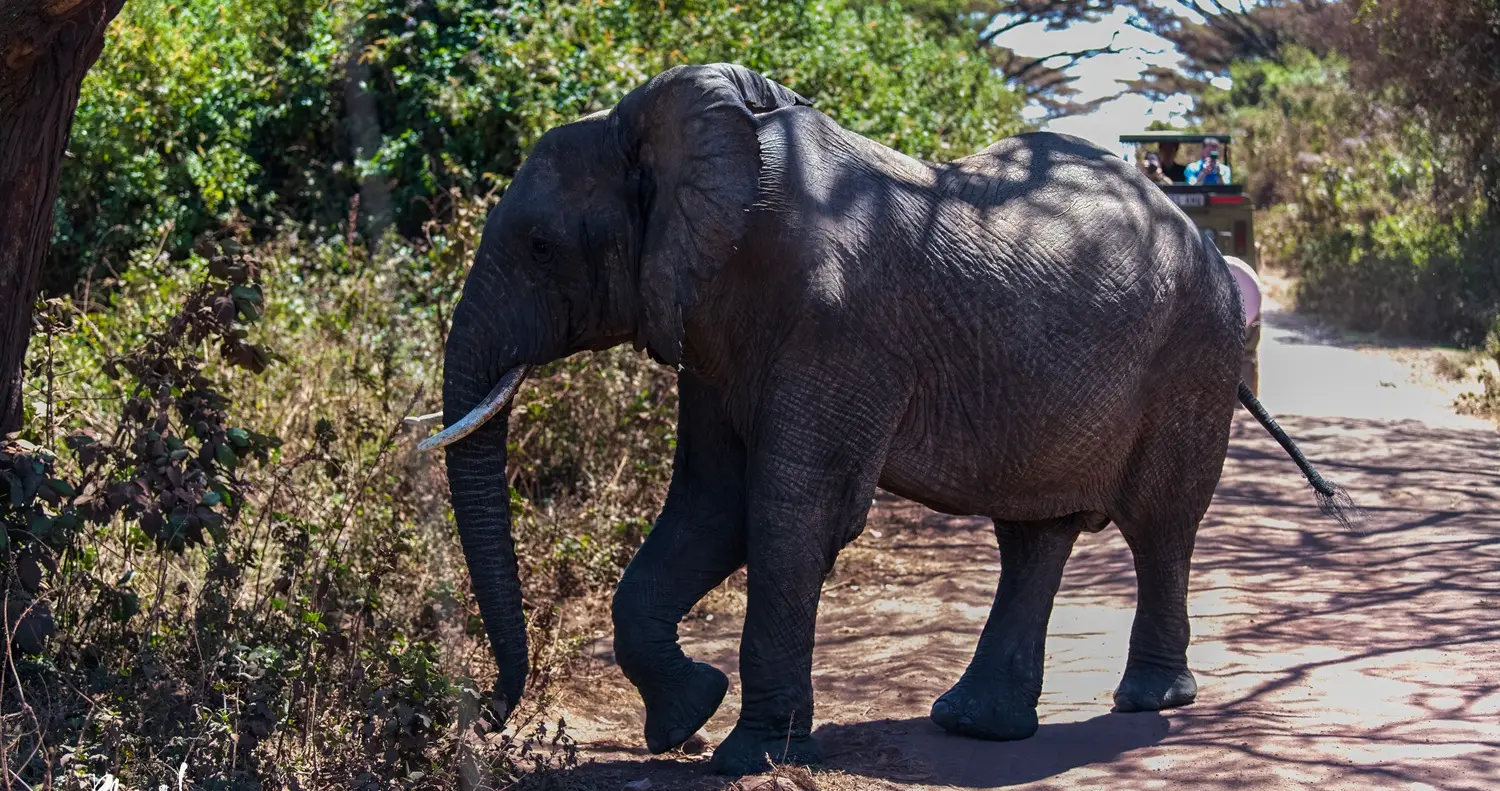
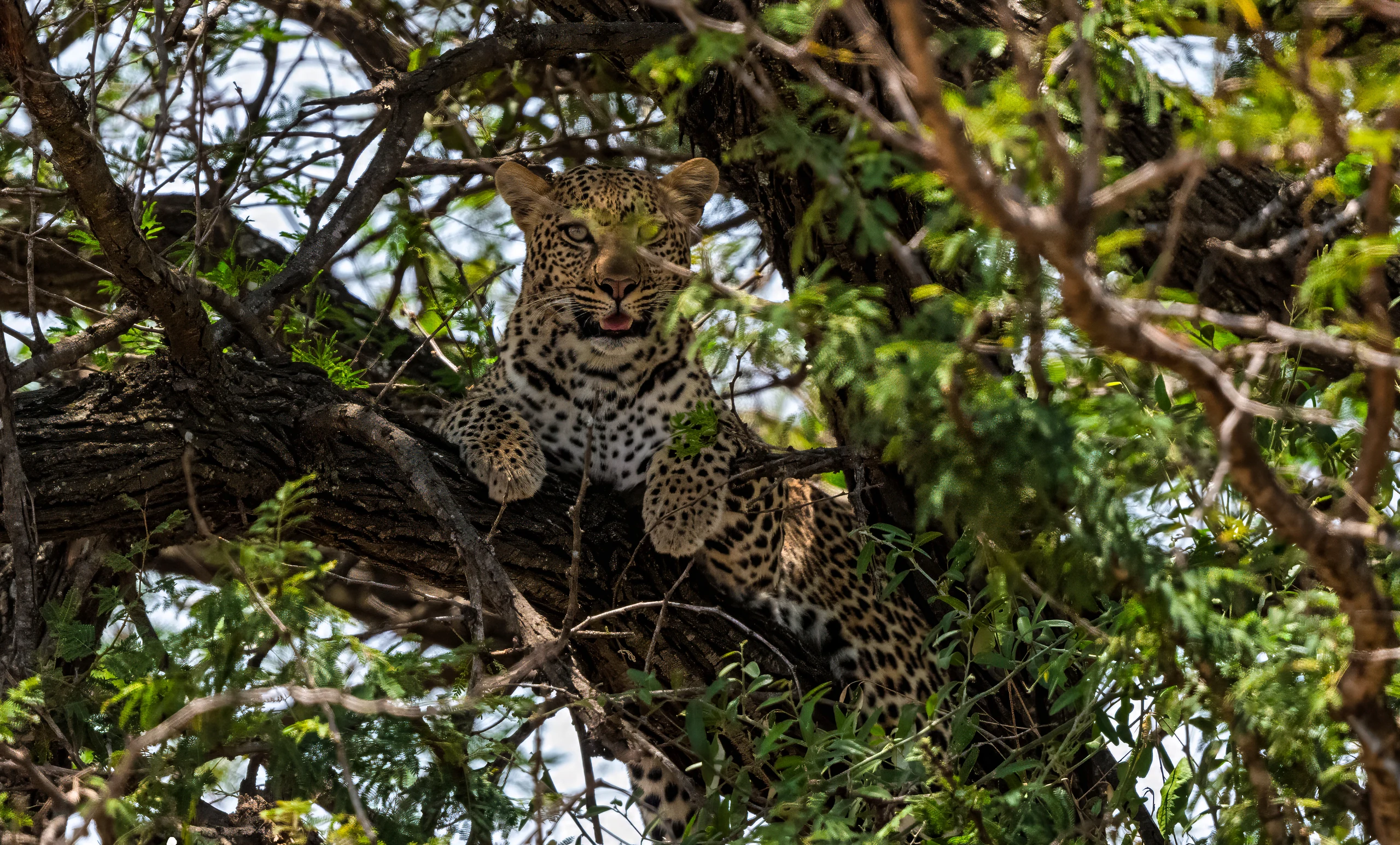
Ngorongoro is often included in Big Five itineraries because the crater supports lion, leopard, elephant, buffalo and black rhino.
Lions are relatively easy to encounter compared with some of the other large predators. Buffalo and elephants are also regularly seen in suitable habitats. Leopards are more secretive and can be difficult to spot. The black rhino is the rare sighting many visitors hope for. Ngorongoro is one of the places in Tanzania where travelers have a realistic opportunity to encounter them, although no wildlife sighting can be guaranteed.
Ngorongoro Crater vs Serengeti
Ngorongoro and Serengeti are often combined because they provide very different safari experiences.
Ngorongoro is compact, enclosed and highly concentrated. A single crater game drive can take you through several habitats and past large numbers of animals.
Serengeti is enormous and open. You spend more time travelling through changing landscapes, following wildlife and exploring different regions.
The crater is particularly useful when you want a concentrated wildlife experience. The Serengeti is better suited to travelers who want several days of exploration, big landscapes and the possibility of following the Great Migration. For many visitors, the question is not whether to choose one or the other.
It is why not experience both?
Best Time to Visit Ngorongoro
Ngorongoro can be visited throughout the year.
The dry season from roughly June to October generally brings comfortable safari conditions and can make wildlife easier to find around water.
The wetter months bring greener landscapes and can provide excellent scenery and birdlife.
The crater can also be busy during popular travel periods, particularly around midday when many vehicles are conducting crater-floor drives. If you want a quieter experience, your guide can help plan the timing of the descent and route around current conditions.
What a Crater Game Drive Is Like
A typical crater experience begins with a descent from the rim. The road winds down through forest before opening onto the crater floor. Once you reach the bottom, the landscape changes quickly. You may pass through open grassland, wetlands, woodland and areas around the lake during the same drive.
The pace is usually slower than a long Serengeti game drive because the crater is relatively compact and wildlife sightings can be frequent. There can be moments when several vehicles gather around a particularly interesting sighting. A good guide will balance the desire to see wildlife with responsible viewing and respect for park regulations.
By late morning or early afternoon, you begin the climb back toward the rim. The ascent gives you another opportunity to look across the enormous caldera before leaving the crater.
How Long Do You Need
You do not usually need several days inside the crater itself. For most travelers, one full crater game drive is enough to experience the main wildlife areas.
The better question is how many nights you want to spend around the wider Ngorongoro Conservation Area. One night near the crater can work well for a classic Northern Circuit itinerary.
Two nights can make sense if you want a slower pace, a cultural experience or additional time exploring the surrounding conservation area. If your main goal is wildlife variety, it is often more useful to spend additional nights in the Serengeti rather than trying to extend the crater visit itself.
Where To Stay
Accommodation around Ngorongoro comes in several styles. Some lodges sit high on the crater rim, offering dramatic views across the caldera. Others are farther away around Karatu and provide easier access to different parts of the Northern Circuit.
Staying on the rim can make the crater experience feel particularly special. You can wake up above the caldera and watch clouds and changing light move across the landscape. Staying around Karatu can be more practical for some itineraries, particularly if you are combining Ngorongoro with Lake Manyara or Tarangire. The right choice depends on whether you value crater views, convenience, camp style or budget.
Ngorongoro Conservation Area Beyond the Crater
The crater is only one part of the much larger Ngorongoro Conservation Area.
Outside the crater, the landscape extends across highlands, grasslands, forests and important archaeological and cultural areas. This wider area is also home to Maasai communities who continue traditional pastoral lifestyles alongside wildlife conservation. For travelers with more time, exploring beyond the crater can add another dimension to the experience.
Maasai Communities & Cultural Experiences
Ngorongoro is unusual because wildlife conservation exists alongside resident communities.
Maasai pastoralists have lived in the wider area for generations, and cultural experiences can provide an opportunity to learn about traditional livestock keeping, homes, daily routines and local customs. These visits should be approached respectfully. A cultural experience is most meaningful when it is based on genuine interaction and local participation rather than simply treating a community as another tourist attraction.
How to Get to Ngorongoro
Ngorongoro is one of the easiest major destinations to include on a Northern Circuit safari. Most road itineraries approach from the direction of Arusha and Tarangire or from Lake Manyara.
The crater is also conveniently positioned between the eastern Northern Circuit and Serengeti, making it a natural stop on a multi-day safari. The best route depends on your total number of days and whether you want to prioritize the Serengeti.
- A common route is: Arusha → Tarangire → Ngorongoro → Serengeti
- Another option is: Arusha → Lake Manyara → Ngorongoro → Serengeti
What to Pack for Ngorongoro
Ngorongoro can feel surprisingly cool, especially early in the morning on the crater rim. Bring layers that you can remove as temperatures rise.
- Warm jacket or fleece
- Comfortable trousers
- Closed walking shoes
- Hat and sunglasses
- Sunscreen
- Binoculars
- Camera and spare batteries
- Water bottle
- Small day bag