Northern Circuit Safari Overview
Northern Tanzania is home to some of the country's most famous safari destinations, and the Northern Circuit brings many of them together in one journey.
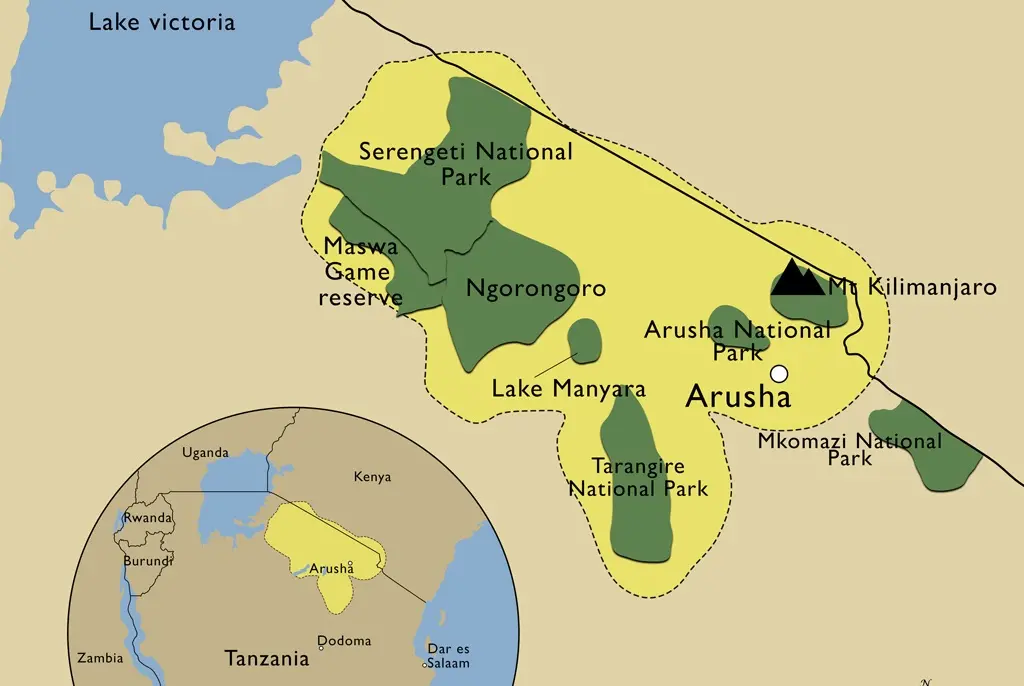
A classic route can take you from Arusha to Tarangire, across to Lake Manyara and the Ngorongoro area, and then into the Serengeti. Each destination feels different. Tarangire is known for elephants and giant baobabs, Ngorongoro for its dramatic crater and concentrated wildlife, while the Serengeti opens into a much larger landscape where you can spend several days exploring.
The beauty of the Northern Circuit is that you do not have to choose just one type of safari. In a single trip, you can experience forests, lakes, crater landscapes, open plains, large herds and some of Tanzania's most famous wildlife.
What Is the Northern Circuit?
The Northern Circuit is not a single park or an official route with one fixed itinerary. It is a collection of destinations in northern Tanzania that are commonly combined into one safari.
A typical journey begins around Arusha, continues to Tarangire, then moves toward Lake Manyara and Ngorongoro, before spending several days in the Serengeti.
The exact order can change depending on your travel dates, the migration, your arrival point and how much time you have. Some travelers stay entirely on the classic safari route. Others extend the trip with Kilimanjaro, a cultural experience or a few days on Zanzibar.
Why Choose the Northern Circuit?
The biggest advantage is variety.
Arusha → Tarangire → Lake Manyara → Ngorongoro → Serengeti → Arusha
But there is no reason every safari needs to follow exactly this sequence. You might skip Lake Manyara if your priority is spending more time in the Serengeti. You might add an extra night around Ngorongoro. Or you might fly directly into the Serengeti to reduce driving time. The best itinerary is usually the one that gives you enough time in the places that matter most to you rather than trying to collect every park in the shortest possible trip.
Arusha — Where the Safari Begins
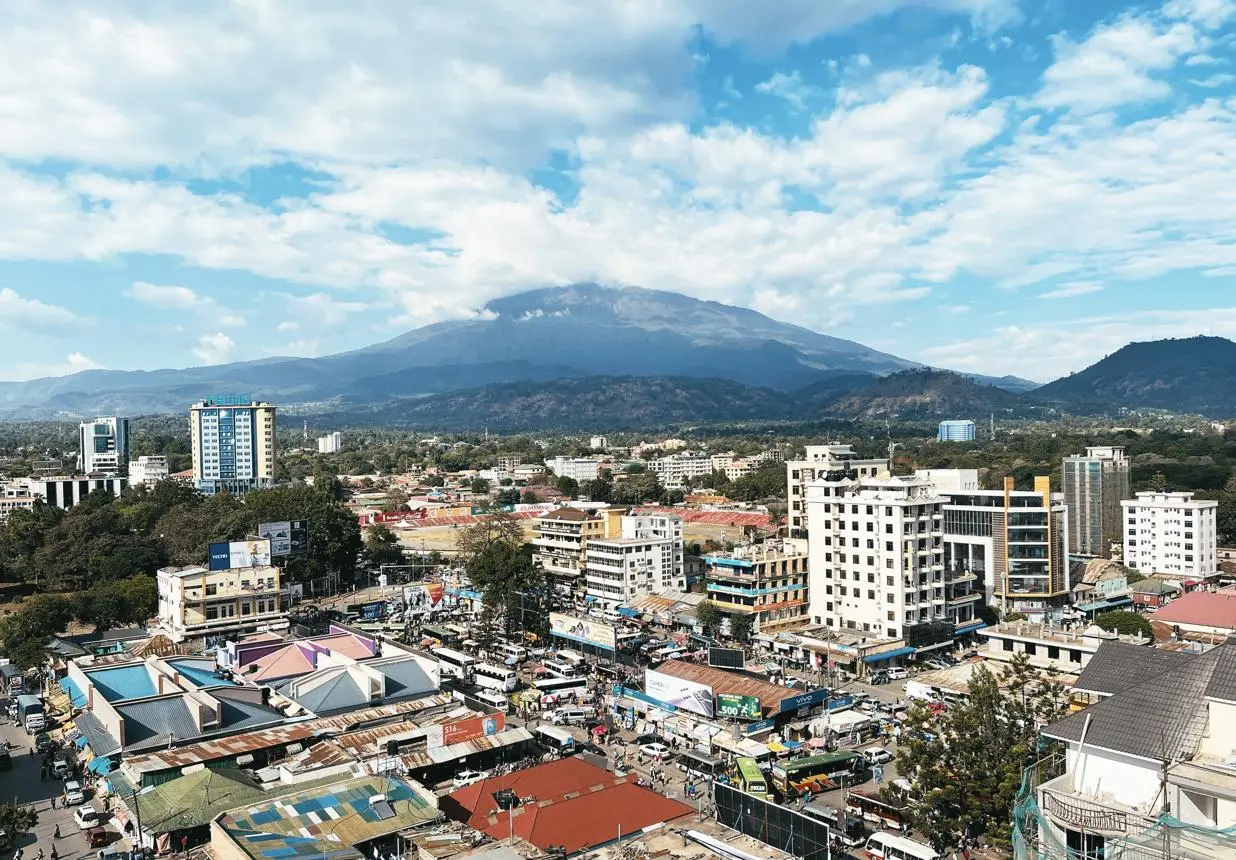
For many travelers, Arusha is the starting point for a Northern Circuit safari.
It is more than simply a place to sleep before the parks. You can use the city as a comfortable beginning to the trip, arrive a day early to recover from your flight and begin the safari without feeling rushed.
Arusha also provides access to nearby cultural and nature experiences if you have additional time. For travelers flying into Kilimanjaro International Airport, Arusha is a practical base before heading into the safari circuit.
Tarangire — Elephants & Baobabs
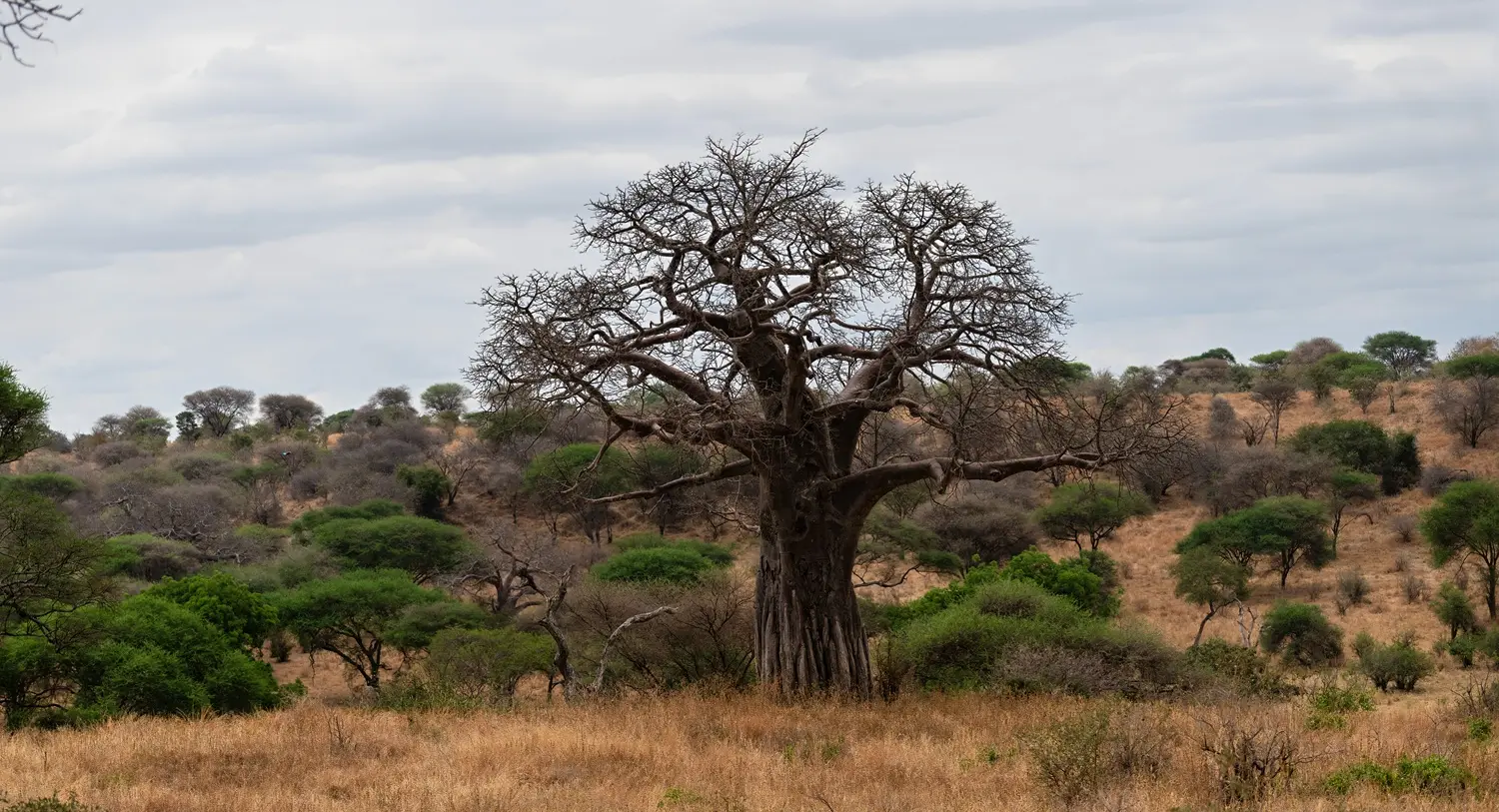
Tarangire is often the first major wildlife stop on a Northern Circuit safari, and it has a character of its own.
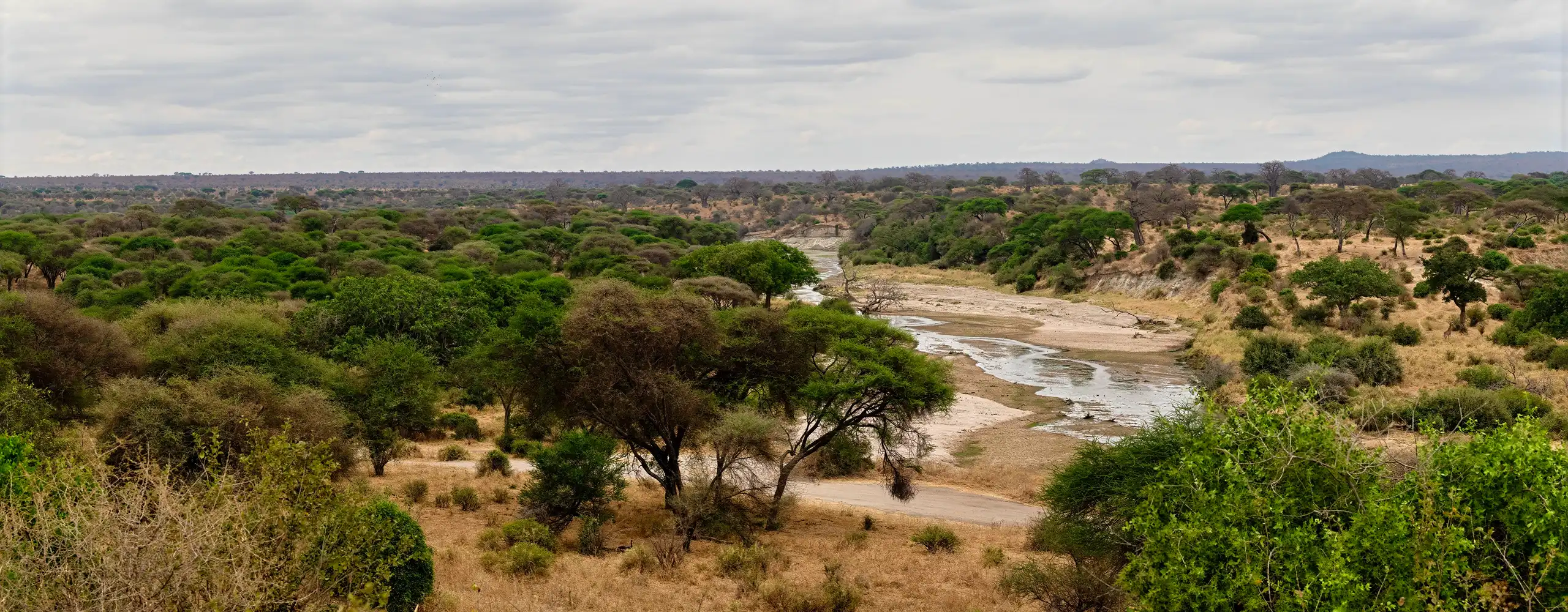
The park is famous for large elephant populations, enormous baobab trees and seasonal wildlife concentrations around the Tarangire River and other water sources. During the dry season, wildlife can become particularly concentrated around available water, making Tarangire a rewarding early stop before continuing toward the northern Serengeti. It also provides a very different landscape from the open plains that come later in the journey.
Lake Manyara — Forest, Lake & Tree-Climbing Lions
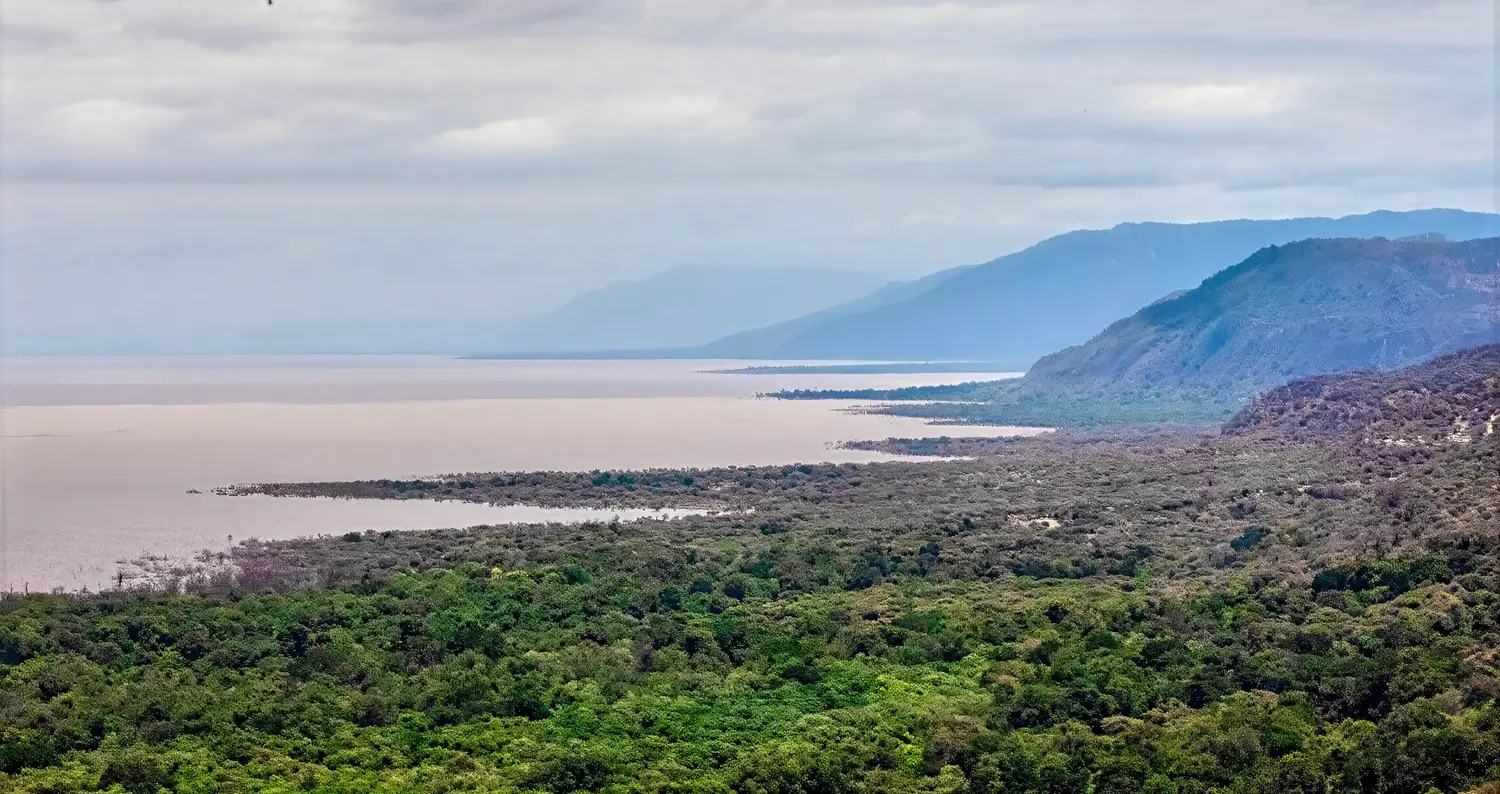
Lake Manyara is a smaller park, but its scenery changes quickly.
The route can take you through groundwater forest, open woodland and areas around the lake. Elephants, buffalo, giraffes, monkeys and a wide variety of birds can be encountered here. The park is also associated with tree-climbing lions, although sightings are never guaranteed. Lake Manyara works particularly well when you want to add landscape and habitat variety to a Northern Circuit itinerary. If time is limited, however, some travelers choose to spend those extra hours in the Serengeti instead.
Ngorongoro Crater — Wildlife in the Caldera
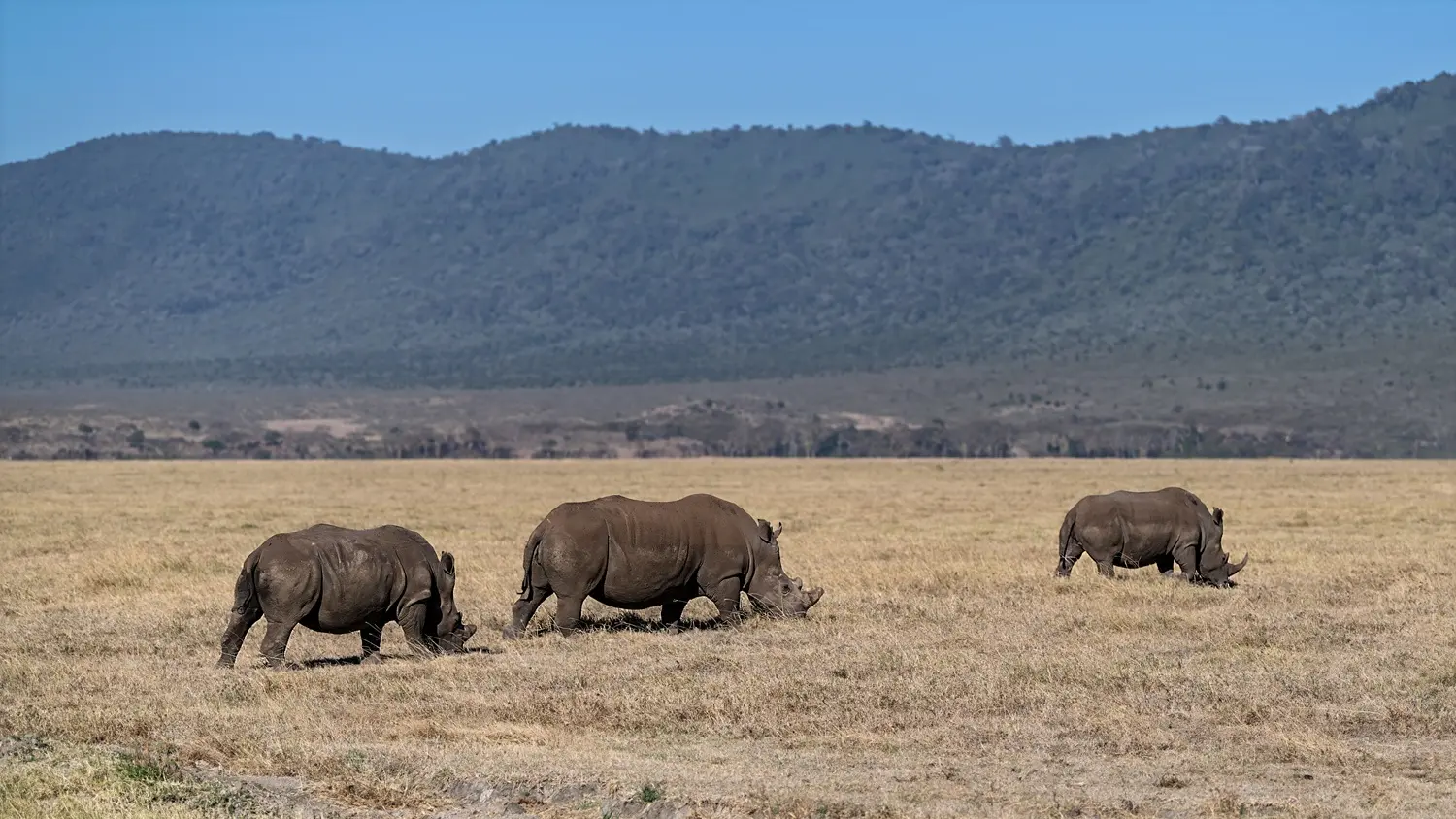
The Ngorongoro Crater is one of the most dramatic places on the Northern Circuit.
Descending from the crater rim into the caldera feels like entering a completely different world. The enclosed landscape contains grasslands, wetlands, woodland and a permanent water supply, supporting a remarkable concentration of wildlife.
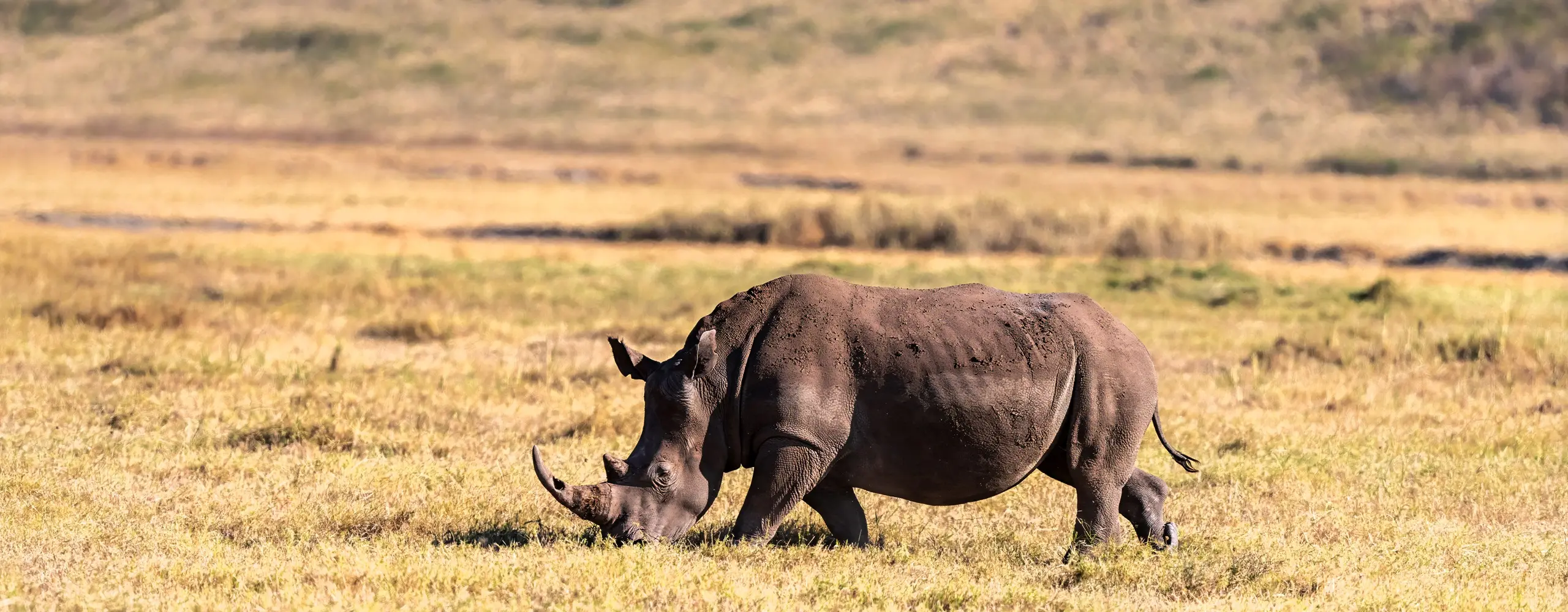
A crater game drive can produce sightings of lions, elephants, buffalo, hippos, hyenas, zebra and many other species. The crater is particularly useful in a Northern Circuit itinerary because it offers a concentrated wildlife experience before or after the much larger landscapes of the Serengeti.
Serengeti — The Main Safari Experience
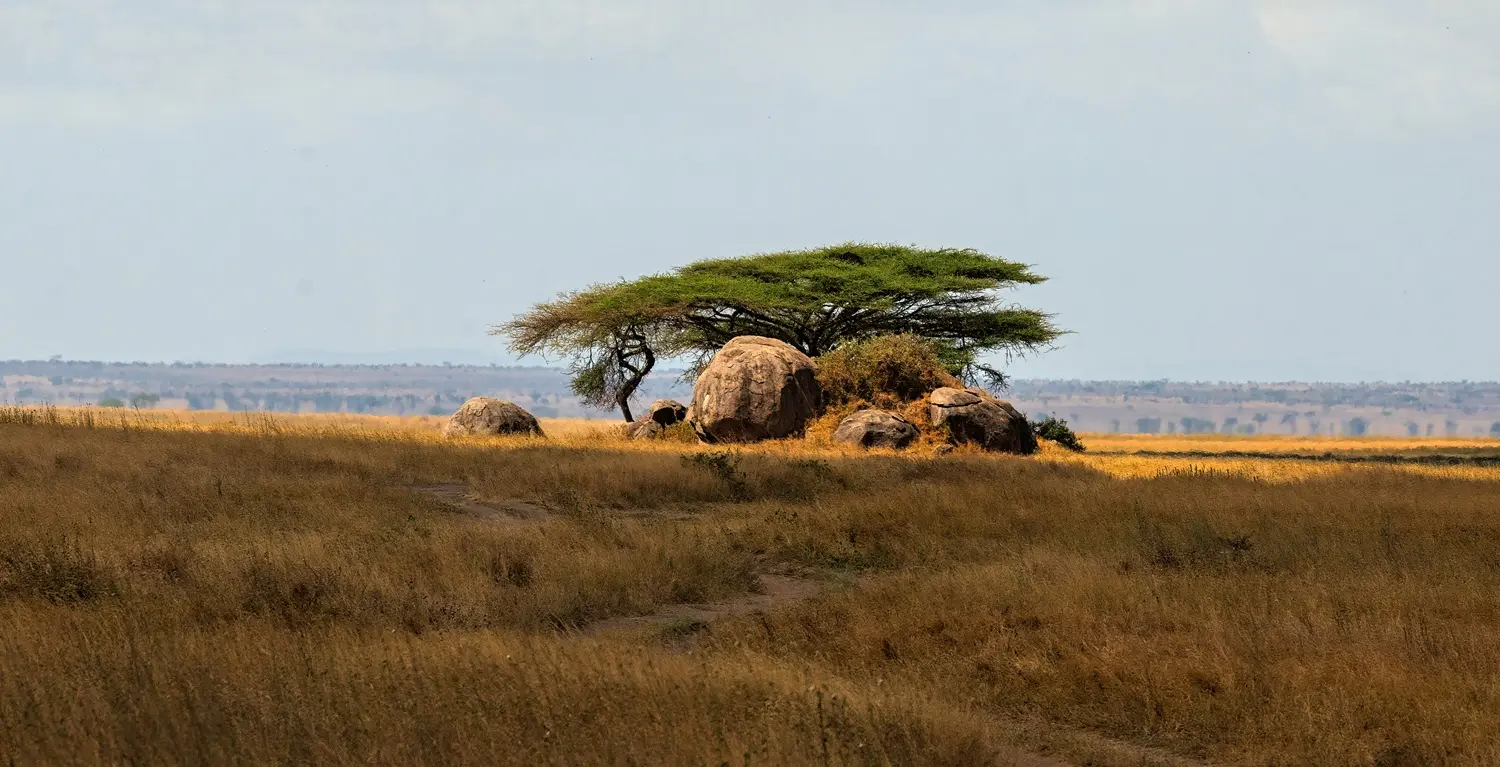
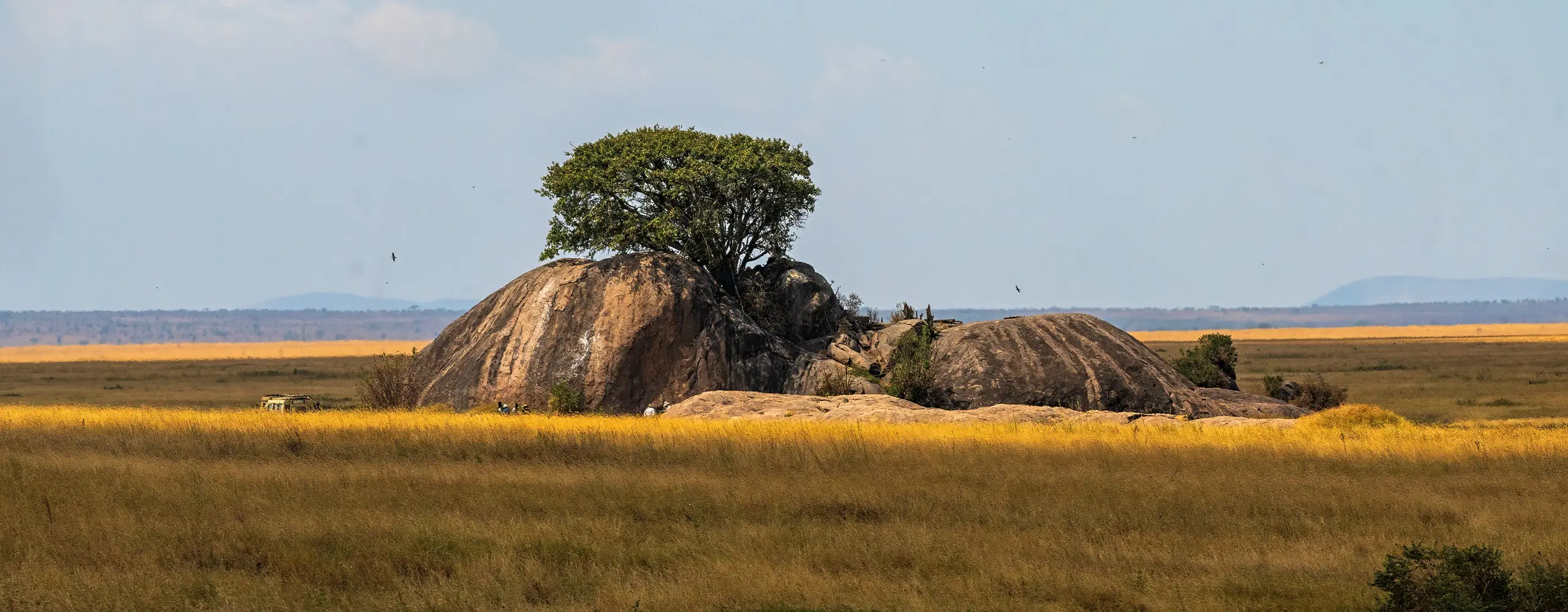
The Serengeti is where the scale of the Northern Circuit really opens up.
Unlike the relatively compact experience of the Ngorongoro Crater, the Serengeti gives you enormous areas to explore. You can spend several days moving through different habitats and following wildlife rather than trying to see everything in a single game drive.
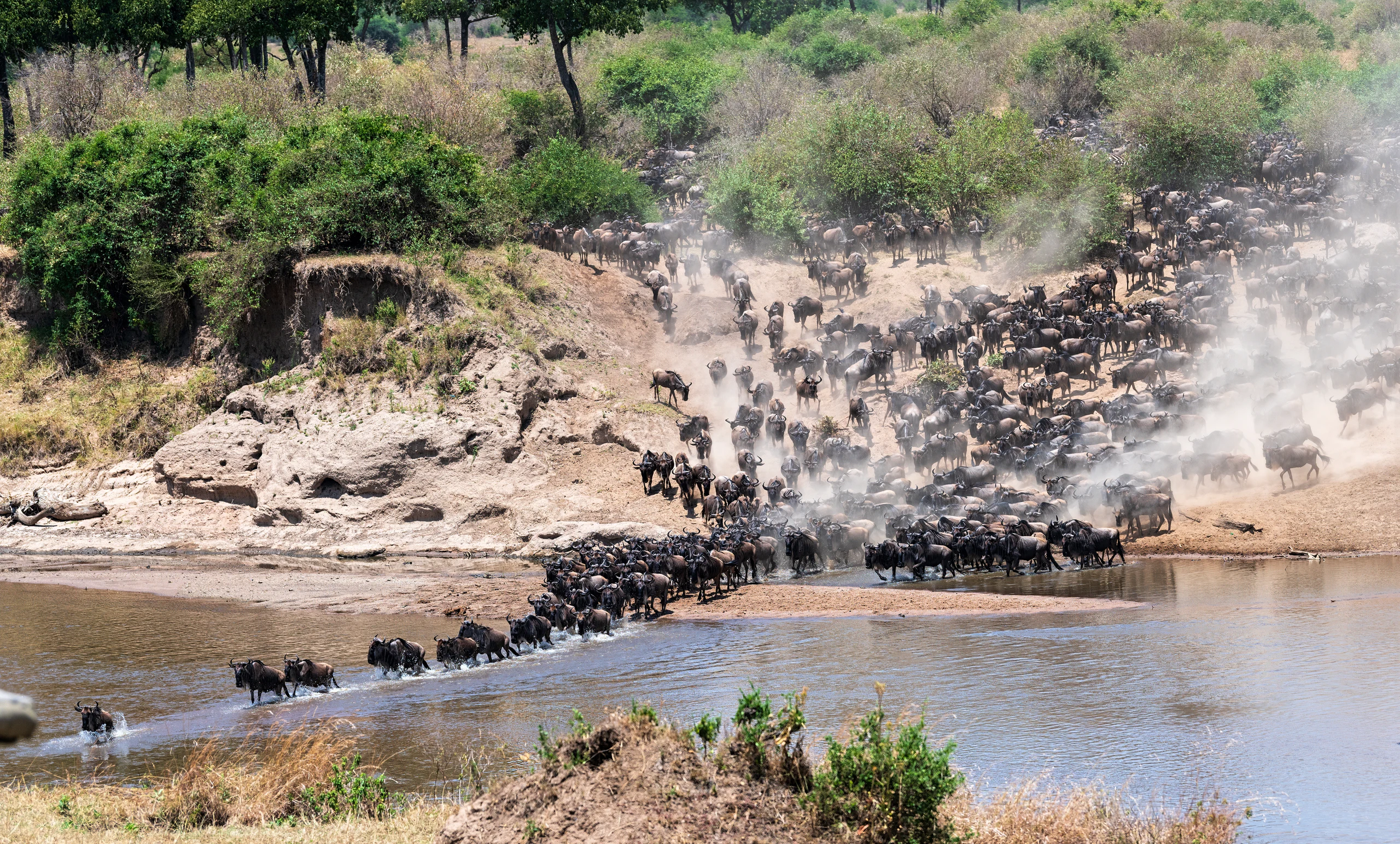
Central Serengeti is known for strong year-round resident wildlife and big-cat viewing. Southern Serengeti and Ndutu become particularly important during calving season, while Northern Serengeti is the focus for the later migration and possible Mara River crossings. This is why the number of nights you spend in the Serengeti often has more impact on the safari than adding another destination to the itinerary.
How Many Days Do You Need?
There is no single perfect length for a Northern Circuit safari. A shorter itinerary can cover the major highlights, but the experience becomes more relaxed as you add nights. The key is not simply how many parks you can fit into the itinerary. It is how much time you actually have to enjoy each place.
- 4–5 days: A compact introduction covering several major destinations.
- 6–7 days: Enough time for a more comfortable classic Northern Circuit.
- 8–10 days: More flexibility, with additional Serengeti nights or a second Serengeti region.
- 10+ days: Suitable for a deeper safari, migration-focused itinerary or a combination with other Tanzania experiences.
Northern Circuit With the Great Migration
The Northern Circuit can be built around the migration, but the itinerary should change depending on the time of year.
- During January–March, the southern Serengeti and Ndutu become important because of the calving season.
- During May–June, the Western Corridor and Grumeti region can become relevant as the herds move north.
- During July–September, Northern Serengeti becomes the focus for travelers hoping to experience the later migration and possible Mara River crossings.
- The important thing is to choose the Serengeti region based on the expected seasonal movement rather than simply booking "the Serengeti" and assuming the migration will be nearby.
Where To Stay
The Northern Circuit works throughout the year, but different destinations become more interesting at different times.
- January–March: Excellent period for combining the Northern Circuit with the southern Serengeti calving season.
- April–May: Green landscapes, fewer visitors in some areas and the migration moving north.
- June–October: Dry-season wildlife viewing, with the later migration concentrated in the north during part of this period.
- November–December: Seasonal rains bring greener landscapes and the migration begins moving back toward the southern Serengeti.
Northern Circuit With the Great Migration
Accommodation should follow the route rather than the other way around.
- In Tarangire, staying close to the park can give you earlier access to the morning game drive.
- Around Ngorongoro, lodges on or near the crater rim provide dramatic views and convenient access for an early crater descent.
- In the Serengeti, location becomes even more important. A camp in Central Serengeti serves a different purpose from a camp in Ndutu or Northern Serengeti.
- For migration-focused travel, the best camp is not necessarily the most luxurious one. It is the one that puts you close to the experience you came to see.
Common Northern Circuit Mistakes
Trying to visit every park
More destinations do not automatically mean a better safari. Too many stops can leave you spending much of the trip in the vehicle.
Giving the Serengeti too little time
The Serengeti is enormous. One night rarely gives you enough time to appreciate the different areas and wildlife.
Treating Lake Manyara as mandatory
Lake Manyara is a beautiful addition, but it does not need to be included in every itinerary. If your priority is the Serengeti, that extra night may be more valuable there.
Ignoring travel time
Distances on the map can look deceptively small. Ask how long each transfer actually takes before adding another destination.
Booking accommodation without considering location
A beautiful camp can still be inconvenient if it leaves you far from the wildlife region you want to explore.
Trying to guarantee the migration
The Great Migration follows rainfall and grazing conditions. A responsible itinerary plans around seasonal patterns without promising that the herds will be in a particular place on a particular day.
Planning Your Northern Circuit Safari
Start with your priorities rather than with a list of parks.
Ask yourself whether you want the trip to focus on classic wildlife, the Great Migration, elephants and landscapes, the Ngorongoro Crater, photography, luxury camps, or a combination of these. Then decide how many days you can realistically spend. Once those two things are clear, the route becomes much easier to build. For some travelers, the ideal trip may be a simple seven-day circuit. For others, it may make more sense to skip Lake Manyara, add extra Serengeti nights and fly between remote regions.
The Northern Circuit works best when the itinerary has room to breathe.