Experience Tanzania on Your Own Terms
A solo safari in Tanzania does not mean being completely on your own. In fact, safari can be one of the easier ways to travel independently in Africa because your guide, driver and safari team take care of the difficult parts while you concentrate on the experience.
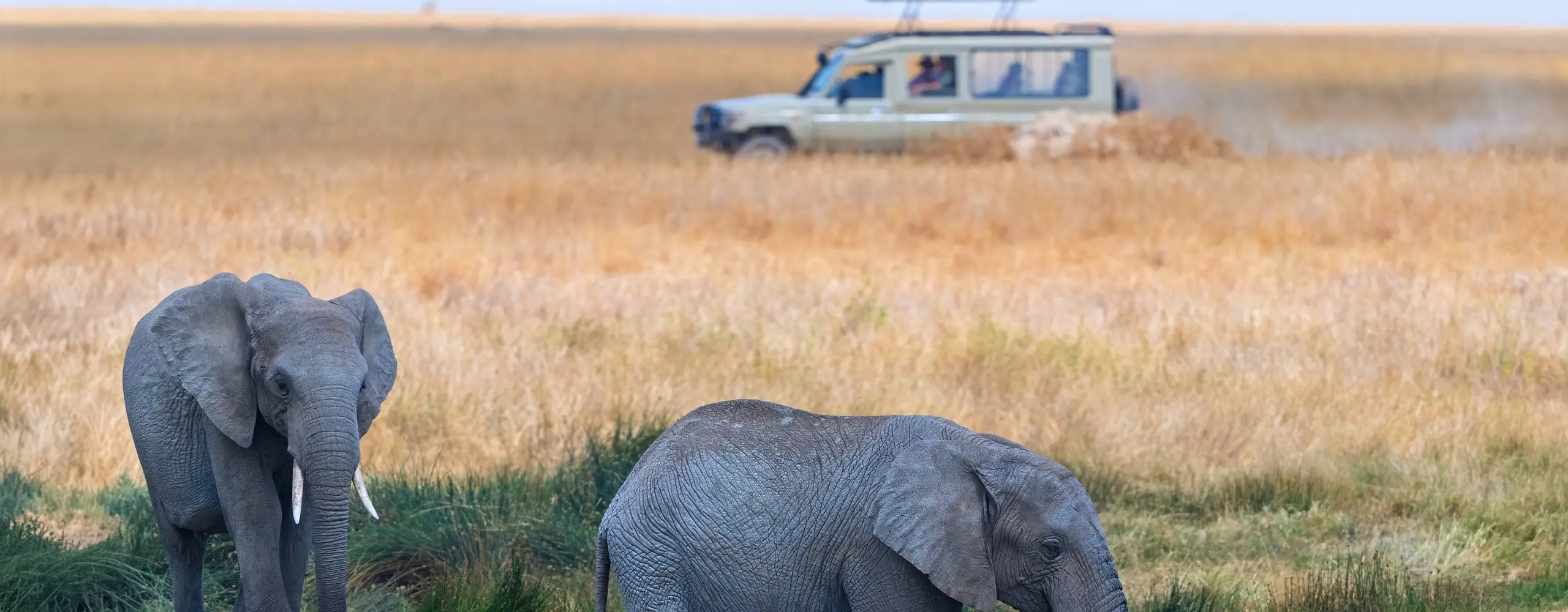
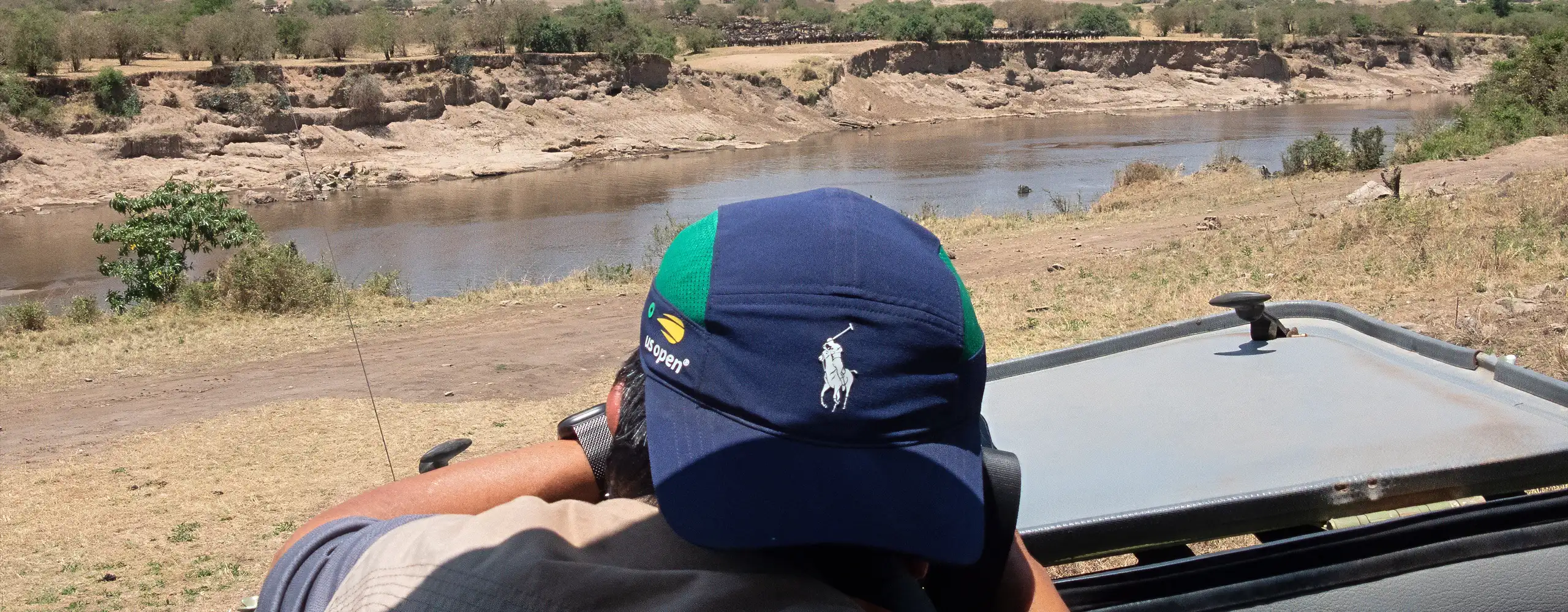
You can spend a morning watching elephants without worrying about anyone else’s schedule, stop for as long as you like when a lion appears beside the road, photograph a landscape in silence, or simply sit and watch the Serengeti change as the light moves across the plains. For some travelers, that freedom is the whole point.
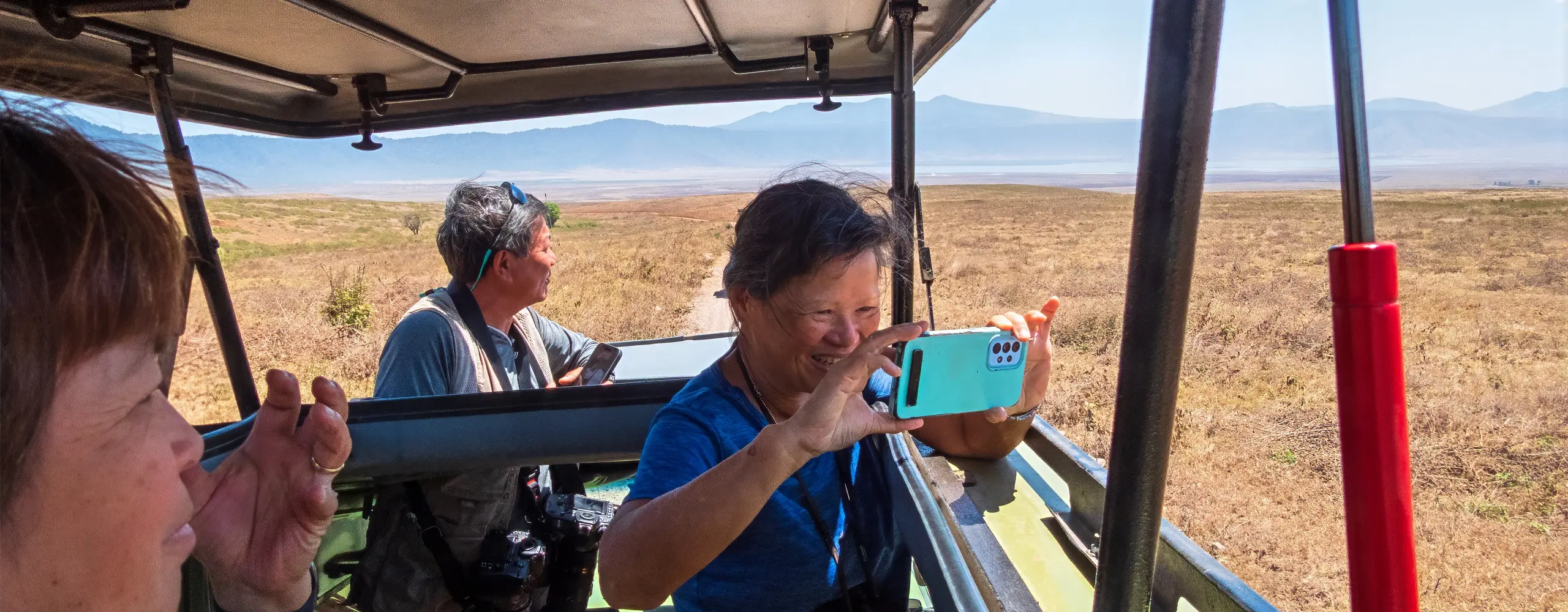
Tanzania also gives solo travelers plenty of flexibility. You can join a shared safari and meet other travelers, arrange a private vehicle and travel at your own pace, or combine the two by joining group activities while keeping your own accommodation and itinerary. The important thing is choosing the style that matches how you actually like to travel.
Is Tanzania Good for a Solo Safari?
Yes. Tanzania can work particularly well for solo travelers who want wildlife, nature and a structured adventure without having to organize every part of the trip themselves.
The country’s main northern safari destinations — including Serengeti, Ngorongoro and Tarangire — can be combined into a relatively straightforward safari route.
The biggest decision is usually not whether to travel alone, but how independent you want your safari to be. A shared safari gives you other people to talk to during drives and meals and can make the cost easier to manage. A private safari gives you much more control over the vehicle, timing, photography stops and daily rhythm. Neither approach is automatically better. They simply create very different experiences.
Why Travel to Tanzania Alone?
There is something special about seeing Africa without having to constantly negotiate your plans with another traveler. You can wake up early because you want to photograph sunrise. You can spend twenty minutes watching a herd of elephants instead of feeling ready to move on. You can ask your guide to spend more time looking for birds, big cats or particular photographic opportunities.
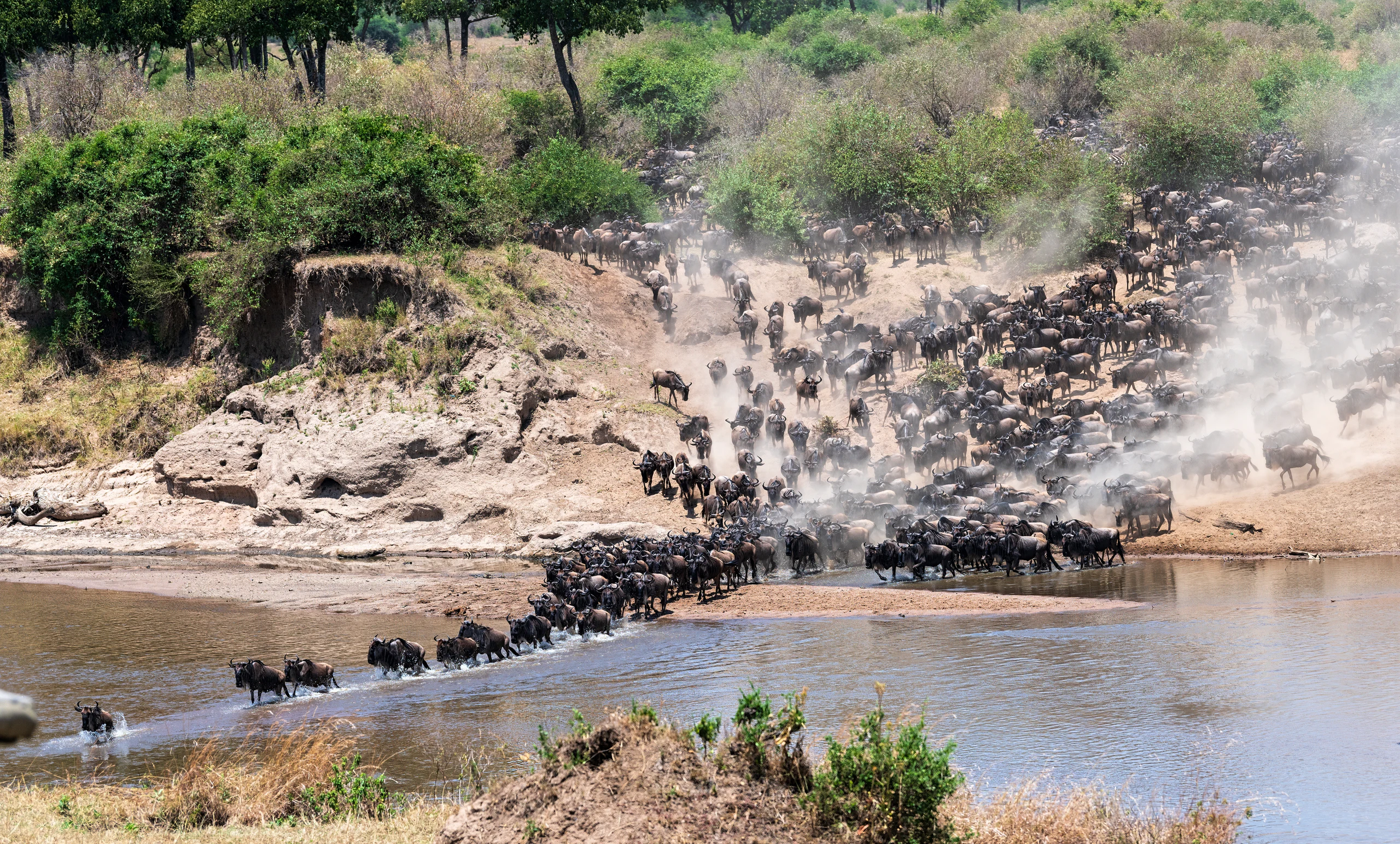
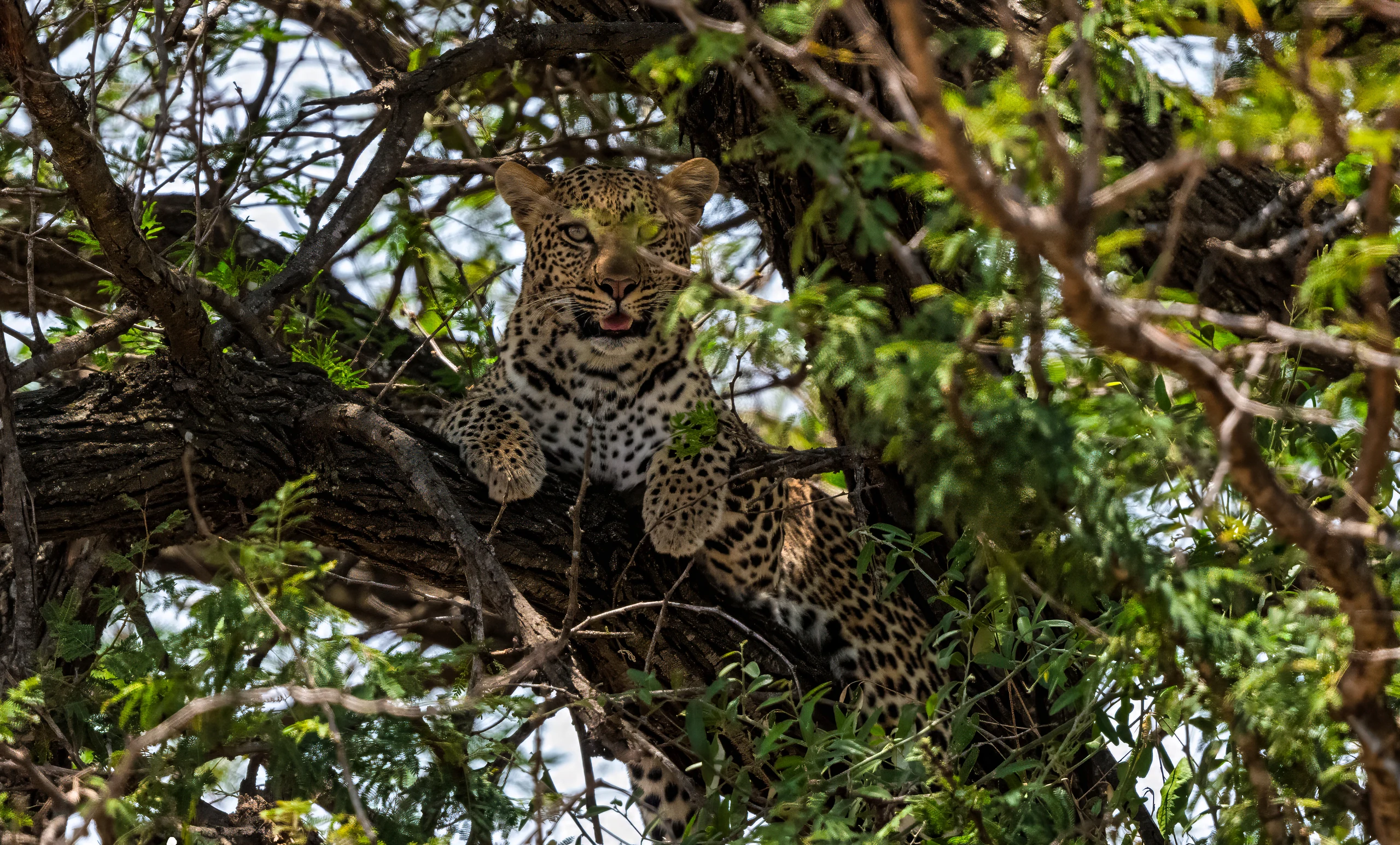
Solo travel also leaves room for unexpected moments. Maybe the highlight of your safari is not the famous animal you came hoping to see. It might be watching thousands of wildebeest moving across the horizon, seeing a jackal hunting in the morning light, finding a leopard hidden in an acacia tree, or simply drinking coffee while the Serengeti wakes up. Traveling alone gives those moments more space.
Private Safari: Your Own Pace
A private safari gives you much more control. Your guide can adapt the day around your interests, whether those interests are big cats, birds, landscapes, photography, migration or simply seeing as much wildlife as possible.
If you find a lion resting beside the road and want to stay, there is no group waiting to leave. The same applies when you are tired — you can return to camp earlier rather than continuing simply because the itinerary says so.
For photographers, private vehicles can be particularly useful because you have more opportunity to discuss positioning, light and timing with your guide. The trade-off is cost: a private vehicle is generally more expensive when there is only one traveler paying for it.
With Topy Tours, a solo safari is planned as a private custom trip with your own guide and vehicle — not a seat sold on a stranger’s departure.
Is Tanzania Safe for Solo Travelers?
A safari should always be treated as a wildlife experience rather than an ordinary self-guided road trip. Inside national parks, follow your guide’s instructions, remain in the vehicle unless you are in a designated area or participating in an authorized activity, and never approach wildlife on foot.
Walking safaris are also conducted under specific rules and with professional guides and armed park rangers. Prior booking is typically required, and age restrictions may apply.
For a solo traveler, one of the advantages of using an established safari operator is that transportation, accommodation, park access and guiding are coordinated rather than left for you to manage separately. Outside the parks, use normal travel precautions: keep valuables secure, avoid displaying large amounts of cash, be sensible about late-night movement and follow local advice.
- Follow guide instructions around wildlife
- Avoid getting too close to wild animals
- Remain within designated areas
- Avoid loud noise that disturbs wildlife
- Book walking and special activities through licensed operators
Best Destinations for a Solo Safari
Tanzania has many safari destinations, but a first solo safari does not need to cover the entire country. For most travelers, a well-planned northern circuit is an excellent starting point.
Serengeti
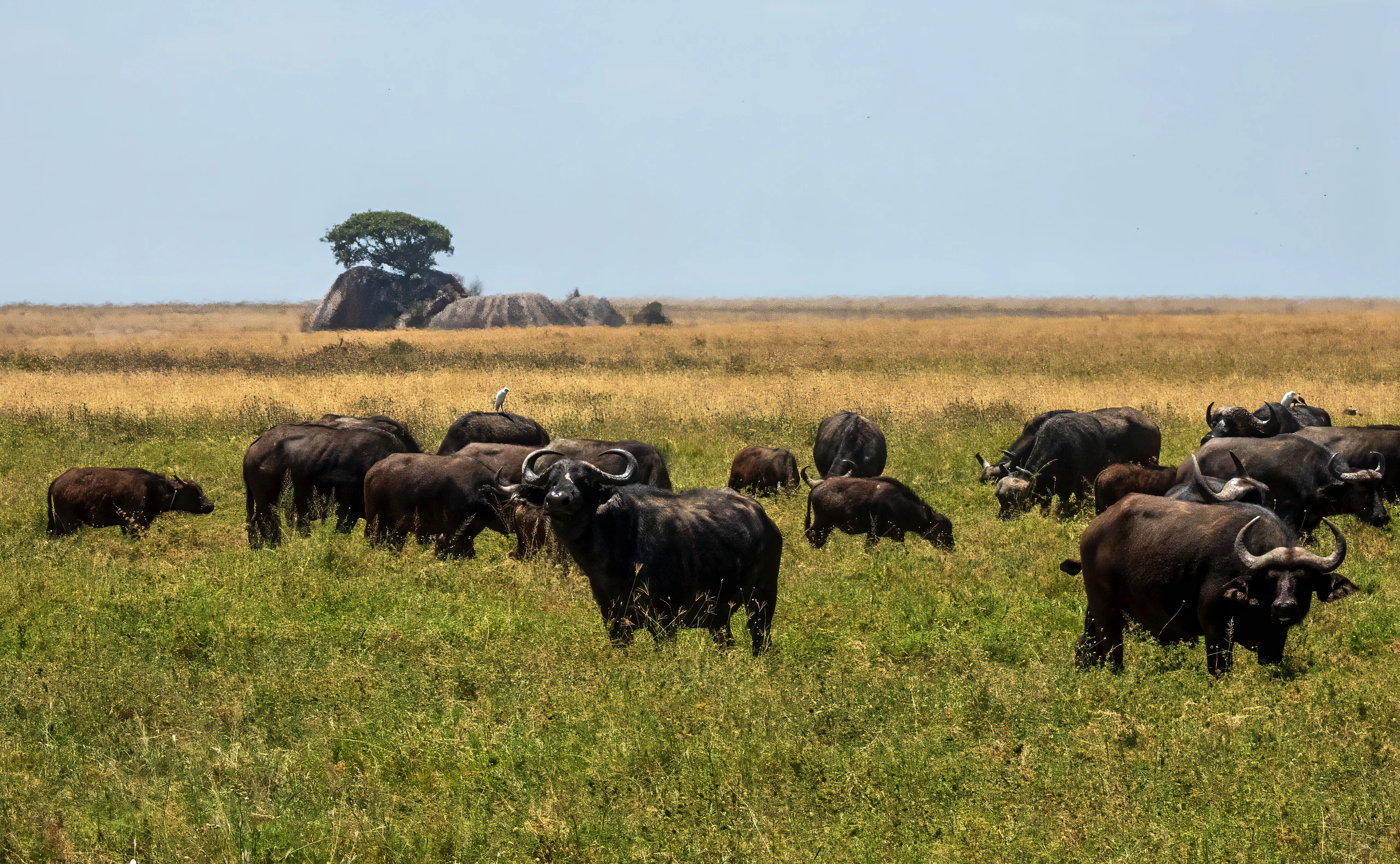
The Serengeti is the destination for travelers who want the classic wide-open African safari experience. The park is famous for its wildlife, enormous plains and Great Migration, while resident wildlife means it is not simply a seasonal destination. For a solo traveler, Serengeti can also be a good place to slow down rather than constantly moving from park to park.
Ngorongoro Crater
Ngorongoro works well as part of a northern circuit safari. The crater creates a very different environment from the open Serengeti plains, making the combination interesting for a solo traveler who wants variety without adding too many separate destinations.
Tarangire
Tarangire is particularly memorable for its elephants, baobab landscapes and distinctive scenery. It can also work nicely at the beginning or end of a northern safari because it provides a different atmosphere from Serengeti.
Lake Manyara
Lake Manyara is a compact and varied park with forest, lake and Rift Valley scenery. It is commonly combined with Ngorongoro and Serengeti on northern circuit itineraries. For a solo traveler with limited time, it can be useful as part of a broader route rather than building an entire trip around the park.
Solo Safari in the Serengeti
The Serengeti is where many solo travelers imagine themselves when they first picture Tanzania. The landscape is enormous, wildlife is spread across different habitats, and every game drive feels slightly different.
You might spend one morning following lions around the Seronera area and the next searching for cheetahs across the open plains. During migration periods, the experience changes again as large herds move through different parts of the ecosystem.
For a solo traveler, avoid trying to “tick off” the Serengeti in a single rushed day. Give yourself enough time to settle into the rhythm of safari. Some of the best moments are not dramatic — they are the quiet ones: a herd of zebra crossing the road, giraffes moving through golden grass, elephants appearing from woodland or a lone lion resting beneath a tree.
Solo Safari in Ngorongoro
Ngorongoro provides a very different experience from Serengeti. The descent into the crater is dramatic, and once you are down on the crater floor the scenery feels enclosed compared with the vast Serengeti plains.
It can be a rewarding stop for solo travelers because the day is focused and wildlife viewing can be excellent. The crater is often combined with Serengeti rather than visited as an isolated destination, allowing you to experience both the concentrated wildlife environment of the crater and the much larger landscape of the Serengeti.
Solo Safari in Tarangire & Lake Manyara
Tarangire and Lake Manyara are useful additions when you want more variety without creating an exhausting itinerary. Tarangire brings elephants, baobabs and dry-country scenery. Lake Manyara introduces a very different landscape with groundwater forest, lake environments and abundant birdlife.
For solo travelers with limited vacation time, these parks can be incorporated into a northern circuit rather than treated as separate long journeys. Stay on designated routes and follow ranger and guide instructions around wildlife.
Best Safari Activities for Solo Travelers
A safari does not have to mean sitting in a vehicle from morning until evening. Depending on the destination, season and park regulations, you may be able to add activities such as walking, ballooning, cultural experiences or other guided experiences.
The important thing is to book activities through qualified operators and understand the specific rules for each park. Use licensed operators, follow park regulations and check permits for special activities.
Game Drives & Wildlife Photography
Game drives are naturally suited to solo travelers. You have time to watch rather than worrying about keeping another traveler entertained.
If photography matters to you, tell your operator before the safari begins. Your guide can then understand whether you are interested in landscapes, birds, big cats, macro details or wildlife behavior. A solo traveler who enjoys photography may also prefer a private vehicle because there is more room to discuss positioning and how long to stay at a sighting.
Bring binoculars even if you have a long camera lens. Sometimes the most interesting thing happening is far beyond the road.
Walking Safaris
Walking changes the way you experience the bush. Instead of concentrating on finding large animals, you begin noticing tracks, insects, plants, birds, sounds and smaller signs of wildlife.
Walking safaris are not casual walks through the park. They are regulated activities conducted on designated trails with professional guides and armed rangers. Prior booking is typically required, and participants are often restricted by age. For a solo traveler, this can be an excellent way to add another dimension to a traditional vehicle safari.
Balloon Safari
A balloon safari can be an unforgettable addition if you want to see the landscape from above. The experience is less about chasing individual animals and more about seeing the scale of the ecosystem — plains, rivers, woodland and wildlife moving beneath you.
It is particularly attractive for solo travelers because you can enjoy the experience without needing someone else to share the moment with you. Balloon activities are subject to specific operator and park arrangements, so confirm availability and requirements when planning.
Meeting Other Travelers on Safari
One of the biggest questions solo travelers ask is: will I actually meet anyone? Usually, you have plenty of opportunities. Shared vehicles are the obvious one. You may also meet travelers at camps, lodges, airports, cultural activities and organized excursions.
The best approach is not to force the social side. Some days you may enjoy talking with everyone at dinner. Other days you may prefer to sit quietly and look at your photographs. That flexibility is one of the advantages of traveling alone.
Choosing a Safari Vehicle & Guide
For a solo safari, your guide can have an enormous influence on the experience. A good guide is more than someone who drives you between wildlife sightings. They should understand animal behavior, read the landscape, communicate clearly and know when to stop, wait or move on.
Use licensed operators and roadworthy vehicles, and follow speed limits and park rules.
- Vehicle type and condition
- Number of passengers
- Private or shared arrangements
- Guide experience
- Photography setup
- Communication during the safari
- Emergency procedures
- Accommodation and meal arrangements
Solo Safari Accommodation
Accommodation can change the feeling of a solo trip considerably. A small tented camp can feel intimate and social, with guests naturally meeting around meals and the campfire. A larger lodge can provide more facilities and privacy.
If you are traveling alone, think beyond price. Ask yourself what you want after a long game drive. Do you want somewhere social where you can talk to other guests? Or would you rather have a quiet room, a good view and an early night? There is no wrong answer.
Private Rooms vs Shared Accommodation
Solo does not mean you need to share a room. Many safari properties offer private accommodation for individual travelers, although the price structure varies.
If your budget is important, ask whether the operator can arrange a shared safari vehicle while keeping your accommodation private. This can sometimes provide a useful balance between social interaction and personal space. Always confirm the exact room arrangement before booking rather than assuming “group safari” means shared sleeping accommodation.
Best Time for a Solo Safari
There is no single best month for every solo traveler. The right time depends on what you want to see and how you want to travel.
The dry season can offer easier wildlife viewing in many areas and is popular for classic safari trips. The migration adds another layer of interest during periods when herds are moving through particular parts of the Serengeti. Green-season travel can bring greener landscapes, dramatic skies and a different atmosphere, often with fewer visitors in some areas.
Instead of asking only when is the best time for Tanzania, ask what you want your safari to feel like. That answer will lead you toward the right season.
How Many Days Do You Need?
For a first solo safari, around 5–8 safari days gives you enough time to experience several destinations without making the trip feel like a race. A shorter trip can still work — for example, you could focus on Tarangire and Ngorongoro before spending several days in Serengeti.
If you have more time, slow the itinerary down rather than automatically adding another destination. A solo traveler has a particular advantage here: you do not have to build an itinerary around somebody else’s bucket list.
How Much Does a Solo Safari Cost?
Solo safari pricing can be confusing because the cost of the vehicle and guide does not necessarily become half as expensive simply because there is only one passenger. This is why solo travelers often notice a significant difference between shared and private safari prices.
With a shared safari, vehicle and guide costs are divided among several travelers. With a private safari, you are effectively paying for the flexibility of having the vehicle and guide dedicated to your trip.
For current park fees, always check the latest official tariff rather than relying on an old blog post or outdated price list.
- Number of safari days
- Accommodation level
- Park fees
- Vehicle type
- Internal flights
- Activities
- Season
- Route
- Private vs shared arrangements
Sample Solo Safari Itineraries
These outlines are starting points. Topy Tours adjusts nights and sectors to your dates, interests and whether you travel private or shared.
5-Day Solo Safari
Day 1: Arusha → Tarangire. Day 2: Tarangire → Ngorongoro. Day 3: Ngorongoro Crater. Day 4: Ngorongoro → Serengeti. Day 5: Serengeti game drive → departure. A compact introduction to northern Tanzania.
7-Day Solo Safari
Day 1: Arusha arrival. Day 2: Tarangire. Day 3: Ngorongoro. Days 4–7: Serengeti with onward travel on day 7. This gives you considerably more time in Serengeti instead of spending every day transferring between destinations.
9-Day Solo Safari
Day 1: Arusha. Day 2: Tarangire. Day 3: Lake Manyara. Day 4: Ngorongoro. Days 5–8: Serengeti. Day 9: Departure. This works well for travelers who want a broader northern Tanzania experience and enough time for several days of wildlife viewing.
Solo Safari + Zanzibar
After several days in the bush, Zanzibar can be a natural way to slow down. The transition is almost comical: one day you are sitting quietly in a safari vehicle watching elephants, and a few days later you are walking barefoot along a beach.
You can spend time in Stone Town, relax on the coast, explore spice farms, try water activities or simply do very little. For solo travelers, Zanzibar also offers another social environment. Beach hotels, guesthouses and organized activities can make it easy to meet other travelers without having to organize a group yourself.
What to Pack for a Solo Safari
Packing for one person is actually one of the easier parts of a solo safari. You do not need to bring your entire wardrobe. Focus on practical layers that work for cool mornings, warm afternoons and changing conditions. Pack for the safari you are actually taking, not the safari you imagine.
- Lightweight neutral-colored clothing
- Warm layer for early mornings
- Comfortable trousers or shorts
- Hat and sunglasses
- Comfortable shoes
- Light rain jacket
- Sunscreen and insect repellent
- Reusable water bottle
- Binoculars
- Camera and spare batteries
- Power bank
- Passport and travel documents
- Small personal first-aid kit
Food, Wi-Fi & Staying Connected
Most safari camps and lodges provide meals as part of the accommodation arrangement, but the exact setup varies. If you have dietary requirements, tell your operator before the trip rather than waiting until you arrive.
Wi-Fi availability also varies considerably between properties. Some lodges have reliable internet in common areas. Remote camps may have limited connectivity. That can initially feel inconvenient, but many solo travelers discover that disconnecting is part of what makes safari special.
Download important documents, maps, booking information and entertainment before leaving reliable internet coverage.
Common Solo Safari Mistakes
A few patterns show up often when solo travelers plan their first Tanzania safari.
Trying to see everything
Tanzania is much larger than one safari itinerary. Trying to cover every famous destination can leave you spending more time in the vehicle than enjoying the wildlife.
Choosing only on price
The cheapest safari is not necessarily the cheapest experience once you consider vehicle quality, accommodation, guide quality and what is actually included.
Not asking about group size
If you are booking a shared safari, find out how many travelers will be in the vehicle.
Booking without checking the accommodation
A safari can look excellent on paper while the accommodation does not match your expectations.
Ignoring transfer time
Moving between destinations takes time. A good itinerary balances wildlife viewing with realistic travel distances.
Assuming solo means completely independent
A safari is still a guided wildlife experience. Following park rules and your guide’s instructions is part of the experience, not a restriction on it. Stay in designated areas, follow guide instructions and maintain safe distances from wildlife.
Plan Your Solo Tanzania Safari
The best solo safari is not necessarily the longest one, the most luxurious one or the one that visits the most parks. It is the one that fits the way you want to travel.
If you want company, join a shared safari and let the people you meet become part of the story. If you want freedom, choose a private vehicle and build the days around your interests. If photography matters to you, allow enough time to wait for the right light. If wildlife is your priority, spend more nights in the places where you have the best opportunity to experience it rather than constantly changing camps.
And if you simply want a few days away from normal life, leave some space in the itinerary for that too. Tanzania is not a destination that needs to be rushed.
A solo safari gives you something that group travel sometimes cannot: the freedom to experience the landscape at your own pace, notice the small things, and come home with a journey that feels genuinely your own.