A Comfortable Way to Experience Tanzania
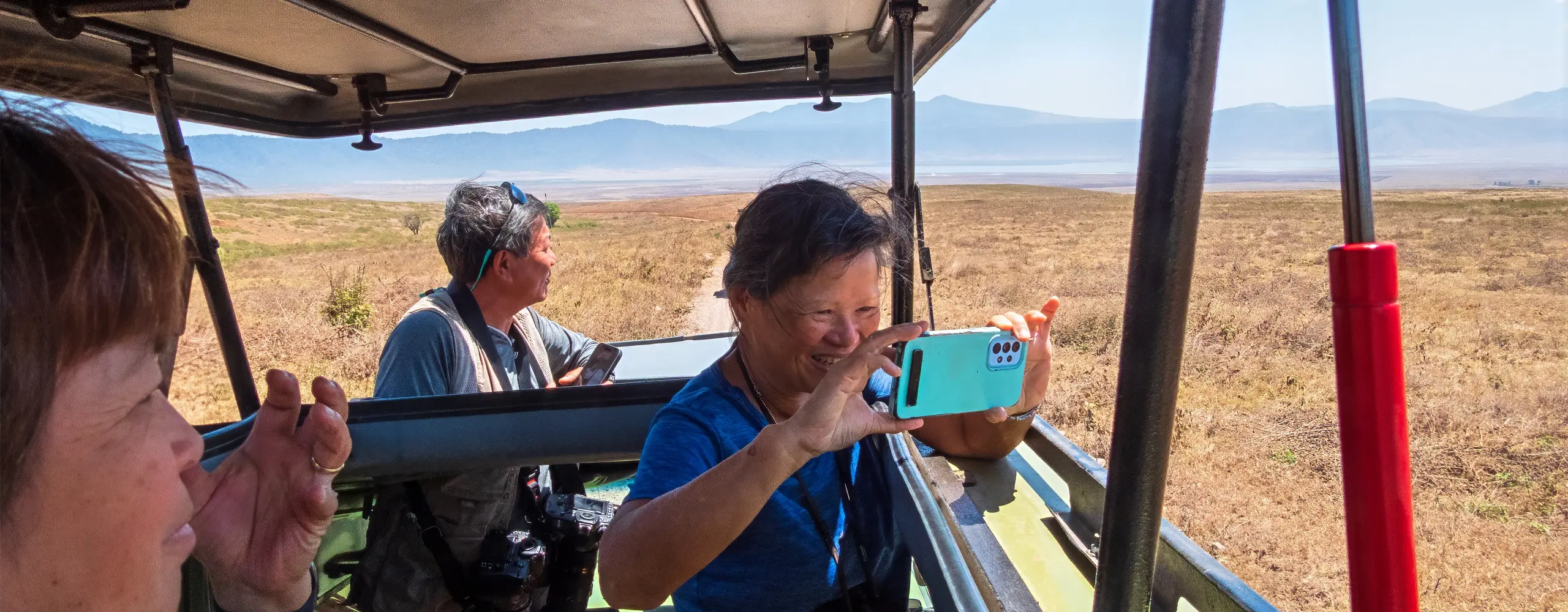
A Tanzania safari does not have to be an exhausting adventure. Most classic safaris are experienced from a specially equipped 4x4 rather than on long hikes. You spend your days moving between wildlife areas, stopping to watch animals, enjoying meals in the bush and returning to a comfortable lodge or camp at the end of the day.
The difference is in how the safari is planned. For older travelers, the best itinerary is rarely the one that visits the greatest number of parks. It is the one that leaves enough time to enjoy each place without constantly packing, unpacking and sitting through long transfers.
A comfortable vehicle, an experienced guide, suitable accommodation, fewer hotel changes and a little extra time can make a remarkable difference. Age itself is not the most important consideration. What matters is how you travel, how much walking you are comfortable with, and what kind of pace you enjoy.
Is Tanzania Good for Senior Travelers?
Yes. Tanzania can be an excellent safari destination for older travelers when the itinerary is designed around comfort rather than speed.
A traditional safari does not require you to hike for hours every day. Wildlife viewing is primarily done from a safari vehicle, and many of Tanzania’s best-known parks can be visited as part of a well-organized circuit. Official visitor guidance recommends traveling with a guide or tour operator, following park regulations and taking basic precautions such as carrying sufficient water and sun protection.
The main challenges are usually not the wildlife itself but practical details of travel. These can all be considered before booking.
- Long road transfers
- Getting into and out of a high safari vehicle
- Uneven camp pathways
- Early morning starts
- Heat and sun
- Remote locations
- Frequent accommodation changes
The Most Important Thing: Travel at Your Own Pace
One of the biggest mistakes older travelers can make is trying to fit too much into one itinerary. Tanzania is a large country. It is tempting to combine Serengeti, Ngorongoro, Tarangire, Lake Manyara, Kilimanjaro and Zanzibar into one trip. You can do that — but you may enjoy the journey much more if you leave some space between destinations.
Instead of changing camps every night, consider staying two or three nights in important locations. Instead of driving for an entire day simply to reach the next park, consider flying part of the route. And instead of scheduling a game drive from sunrise until sunset every day, leave room for a slower afternoon.
A safari should feel like a holiday, not an endurance test.
Private Safari for Seniors
For many older travelers, a private safari is worth considering. With your own vehicle and guide, the itinerary can be adjusted around your comfort and interests.
If you want to leave camp later one morning, you can. If you have had a long travel day and would rather rest in the afternoon, you can. If you find an elephant herd and want to sit quietly watching for half an hour, there is no group waiting to move on.
Private travel also makes it easier to communicate specific requirements to your guide. You can explain how often you would like to stop, how much walking you are comfortable with and how frequently you need breaks. For seniors, that flexibility can be more valuable than simply having a larger room or a more expensive camp.
With Topy Tours, senior safaris are planned as private custom trips so the days can flex around your pace.
Choosing the Right Safari Vehicle
The safari vehicle deserves more attention than many travelers realize. Most safari vehicles are high off the ground, which means getting in and out requires a step. Before booking, ask your operator these practical questions — they are not unusual requests.
If you have difficulty with stairs or balance, tell the safari company before arrival rather than trying to solve the problem at the park gate.
- How high is the vehicle step?
- Is a removable step or sturdy step stool available?
- Can the driver assist with getting in and out?
- How many passengers will be in the vehicle?
- Can the vehicle accommodate mobility equipment if needed?
Fly-In Safari vs Long Road Transfers
This is one of the biggest comfort decisions you can make. Northern Tanzania has extensive road connections, but some transfers can take several hours. For travelers who do not enjoy long journeys on rough roads, flying between safari areas can make the trip considerably more relaxed.
Serengeti is accessible by air, including flights to airstrips such as Seronera, as well as by road. Road access from Arusha can take around 7–8 hours depending on the route and conditions. A fly-in safari can therefore make sense when comfort and time are more important than seeing every kilometer of the landscape.
Road travel still has its advantages. You see more of the countryside, and routes through Tarangire and Ngorongoro can be part of the safari itself. The right choice depends on how you prefer to travel.
Best Tanzania Safari Destinations for Seniors
You do not need to visit every national park. A carefully chosen combination of destinations can provide excellent wildlife viewing without making the trip unnecessarily tiring.
Serengeti
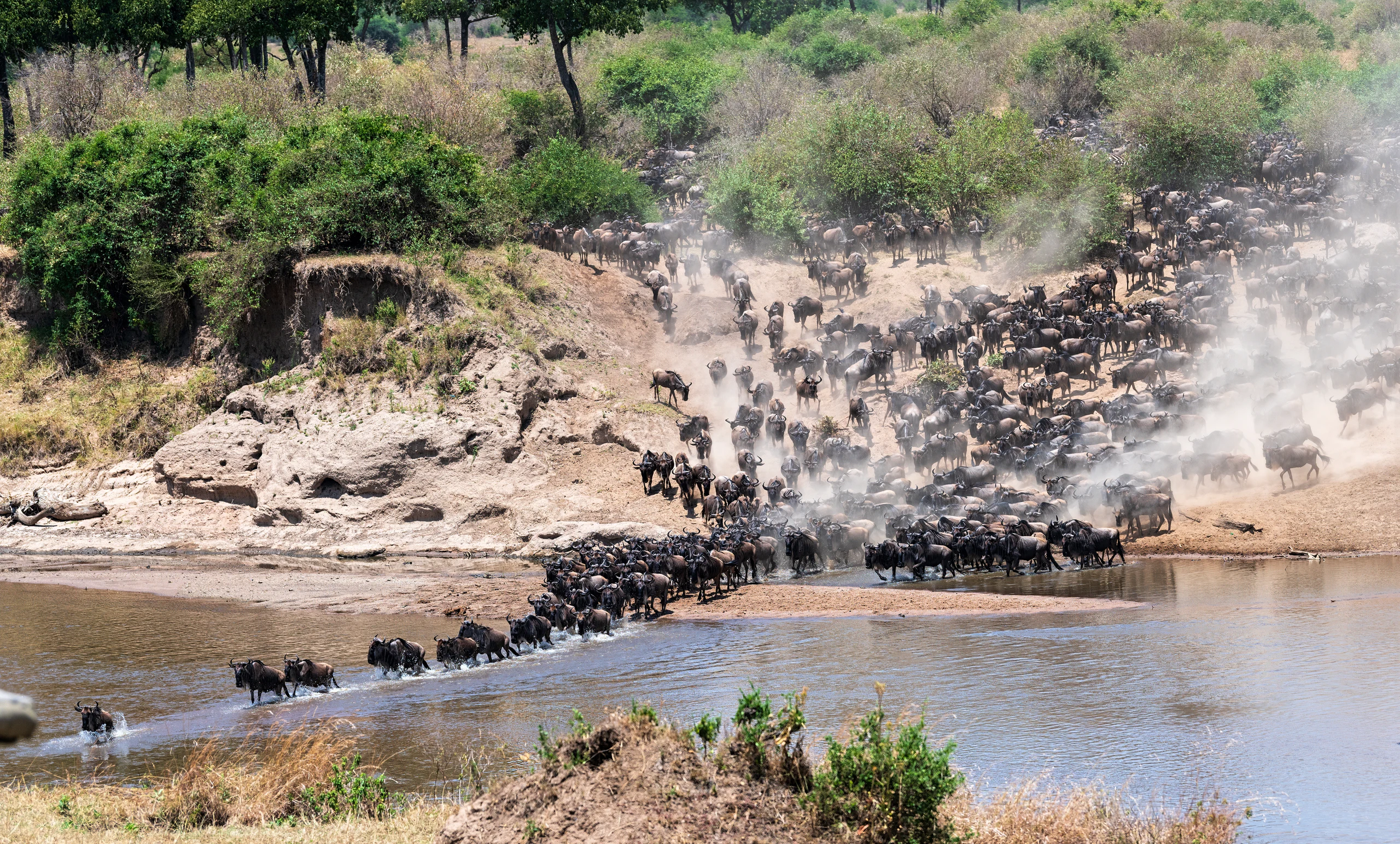
The Serengeti is often the centerpiece of a northern Tanzania safari. The park offers enormous landscapes, abundant wildlife and the Great Migration, while resident wildlife makes it a worthwhile destination outside migration periods as well.
For seniors, staying several nights in one area can be preferable to constantly moving around. Central Serengeti, particularly around Seronera, can also be a practical choice because you can base yourself in one location and spend several days exploring from there.
Ngorongoro Crater
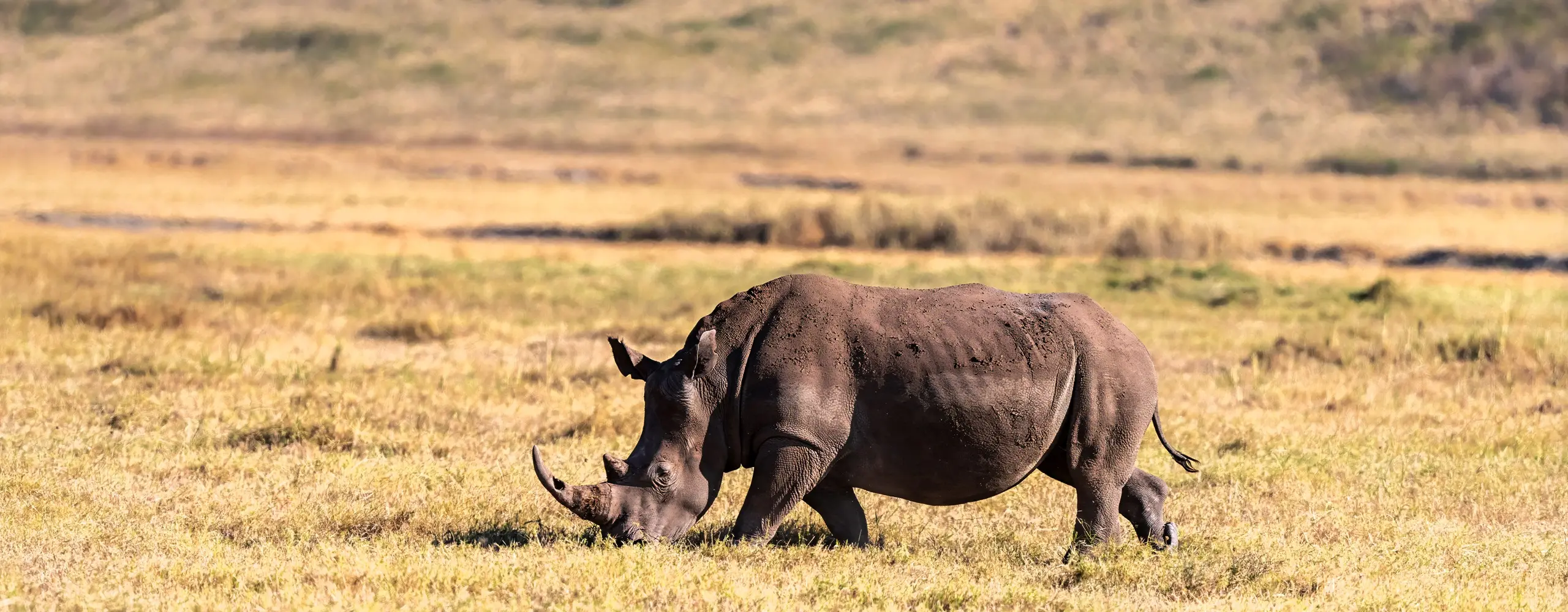
Ngorongoro is often an excellent addition to a northern safari. The crater provides a concentrated wildlife experience and dramatic scenery without requiring several days of moving around. A crater visit is usually a full safari day, so it is sensible to leave some downtime before or after it.
Tarangire
Tarangire is known for elephants, baobabs and distinctive dry-season landscapes. It is also a useful first or last safari destination on a northern circuit. For senior travelers, two nights can make the experience much more relaxed than simply rushing through for one night.
Lake Manyara
Lake Manyara offers a different environment, with forest, lake scenery and varied birdlife. It can work well as a shorter stop within a broader northern itinerary.
Serengeti Safari for Seniors
The Serengeti is enormous, so do not feel that you have to cover the entire park. Choose an area and spend enough time there to enjoy it.
A private vehicle can make a big difference. You might begin with an early game drive, return to camp for lunch and a rest, then head out again in the late afternoon. There is no need to stay out all day simply because you have paid for a full day’s vehicle.
Some of the most memorable wildlife experiences happen when you are relaxed enough to wait. A lion may spend twenty minutes doing absolutely nothing — then suddenly it gets up and walks directly toward your vehicle. Safari rewards patience.
Ngorongoro Crater for Seniors
The Ngorongoro Crater is a spectacular destination, but the crater visit should be treated as a substantial safari outing. The descent and ascent involve winding roads, and the crater floor can be busy.
A comfortable itinerary should therefore avoid scheduling a very long transfer immediately before or after the crater visit. If you are sensitive to long driving days, consider spending the night nearby and allowing yourself time to rest.
Tarangire for Seniors
Tarangire can be a particularly enjoyable destination for travelers who love elephants. Its baobab landscapes and open areas create a very different atmosphere from Serengeti.
It can also be a good place to begin a safari gently. Rather than immediately heading into a long Serengeti transfer after arriving in Tanzania, you can spend your first safari nights relatively close to Arusha before continuing north.
How Many Safari Days Are Ideal?
For many senior travelers, 6–9 safari days can provide a comfortable first safari. The exact number depends on your interests and how much time you have.
A shorter trip might focus on Tarangire → Ngorongoro → Serengeti. A longer trip could add Lake Manyara or additional nights in Serengeti.
The important point is not the number of parks. It is the number of comfortable days. Three destinations with two or three nights each can feel much more enjoyable than six destinations with one night each.
A Comfortable 7-Day Safari Itinerary
For travelers with more time, add another two or three nights in Serengeti rather than automatically adding another destination.
- Day 1 — Arusha: Arrive and settle into your hotel. Keep this day light, particularly if you have traveled a long distance.
- Day 2 — Tarangire: Begin the safari with a game drive. Return to your lodge in the afternoon and enjoy a relaxed evening.
- Day 3 — Tarangire: A second day allows you to explore without immediately packing again.
- Day 4 — Ngorongoro: Travel toward the Ngorongoro area and stay near the crater.
- Day 5 — Ngorongoro Crater: Spend the day exploring the crater before returning to your lodge.
- Day 6 — Serengeti: Fly or drive onward depending on your preference. Settle into your Serengeti accommodation.
- Day 7 — Serengeti: Enjoy a relaxed game drive before continuing your journey or taking a flight onward.
A More Relaxed 9-Day Safari
For travelers who have the time, a nine-day itinerary can provide a much easier rhythm. The extra nights make a difference — you can enjoy the wildlife rather than constantly watching the clock.
- Day 1: Arusha
- Days 2–3: Tarangire
- Days 4–5: Ngorongoro
- Days 6–9: Serengeti (or onward travel on day 9)
Safari Lodges & Camps for Seniors
Accommodation should be chosen based on more than luxury. A beautiful lodge is not necessarily the easiest lodge to navigate. Some safari camps are spread across natural terrain with sandy or uneven paths. That can be part of the charm, but it may not be ideal for everyone.
If mobility is a concern, tell the operator exactly what you need.
- Distance from room to dining area
- Number of steps
- Bathroom layout and shower access
- Bed height
- Pathway surfaces
- Lighting after dark
- Vehicle pickup location
- Availability of staff assistance
- Charging facilities
- Room location
Accessibility & Mobility Considerations
Safari accessibility varies significantly from one property to another. Some lodges can accommodate guests who need additional assistance, while remote tented camps may have uneven paths, steps and canvas bathrooms. Even something as simple as walking from your tent to the dining area can matter after a long day.
A useful approach is to ask for specific information rather than simply asking whether a property is “accessible.”
- How many steps are there into the room?
- Is there a walk-in shower?
- Can the lodge provide a step or assistance for the safari vehicle?
- How far is the room from the main building?
- Are pathways illuminated at night?
Walking Safaris: Do You Need One?
No. A walking safari can be fascinating, but it is absolutely not necessary to have a great Tanzania safari.
Walking safaris are regulated activities with designated trails, professional guides and ranger accompaniment. Short walks and longer walks have different classifications. If you enjoy walking and are comfortable on uneven ground, you can discuss a short guided walk with your operator. If walking is difficult, simply focus on vehicle-based game drives. You will not be missing the essential safari experience.
Game Drives Without Exhaustion
You do not have to spend twelve hours in a vehicle every day. This rhythm can be particularly pleasant for older travelers. It also works well photographically because early morning and late afternoon often provide beautiful light.
- Early morning: game drive
- Late morning: return to camp
- Lunch: relax
- Afternoon: rest, read or enjoy the lodge
- Late afternoon: shorter game drive
Best Time for a Senior Safari
The ideal season depends on what you want to see, but comfort should be part of the decision. The dry season is popular because wildlife viewing can be excellent and roads are generally easier in many areas.
January and February are especially interesting in the Serengeti for the calving season, while June through October is a popular period for dry-season wildlife viewing. If you prefer greener landscapes, fewer visitors or a quieter atmosphere, other months can also work well.
Your safari operator should help match the season to your priorities rather than simply telling you there is one universally “best” month.
Health & Travel Planning
If you have regular medications or ongoing medical needs, plan ahead. Carry enough medication for the entire trip and keep essential medication in your hand luggage rather than checked baggage. It is also sensible to carry a written medication list and relevant medical information.
Before traveling, discuss your itinerary with your doctor or travel-health professional, particularly if you have concerns about altitude, heat, mobility, respiratory conditions or other personal health considerations. Discuss anti-malaria measures and vaccinations with a doctor, and strongly consider travel insurance. For remote safari travel, make sure your insurance arrangements are appropriate for the itinerary you are actually taking.
Travel Insurance & Medical Evacuation
Safari takes place in remote areas. That is part of the attraction, but it also means medical facilities may not be immediately nearby. Travel insurance should be considered an essential part of the planning process. Do not assume that a standard travel policy covers every situation. Read the policy before traveling.
- Emergency medical treatment
- Medical evacuation
- Trip cancellation
- Lost baggage
- Travel delays
- Existing medical conditions
- Safari and adventure activities
Flying vs Driving for Senior Travelers
There is no universal answer. Driving allows you to experience Tanzania’s landscapes and can make the journey part of the safari. Flying saves time and can reduce the number of long road journeys.
If long drives are tiring for you, consider using a combination: drive Tarangire → Ngorongoro, then fly toward Serengeti, and later fly Serengeti → Arusha or Zanzibar. The exact route depends on seasonal flight schedules and your itinerary.
What to Pack for a Senior Safari
You do not need specialist equipment. Focus on comfort. Bring lightweight clothing that can be layered — early mornings can be cool, while afternoons can become warm.
Clothing
Useful items include lightweight trousers, comfortable shirts, a warm fleece or jacket, comfortable walking shoes, sun hat, sunglasses, light rain jacket and neutral-colored clothing.
Personal items
Bring prescription medications, a medication list, sunglasses, sunscreen, insect repellent, a reusable water bottle, personal first-aid supplies, binoculars, camera, phone and charger, power bank and travel documents.
Staying Comfortable in the Safari Vehicle
Small details make long drives much easier. Keep a light jacket nearby rather than packed in your luggage. Carry water where you can reach it easily. Use a small day bag for binoculars, camera equipment, sunscreen and personal items.
Ask your guide to stop for breaks when needed. There is no prize for sitting in the vehicle for the longest possible time. A good guide understands that comfort helps you enjoy the wildlife.
Food on Safari
Most safari lodges and camps provide meals as part of the accommodation package. If you have dietary restrictions, allergies or specific preferences, tell your operator before departure.
It is also useful to explain whether you prefer lighter meals, early dinners or particular breakfast arrangements. Good safari planning includes these details. You should not have to spend your holiday worrying about whether the next meal will suit you.
Wi-Fi, Phones & Staying Connected
Remote safari camps may have limited internet or power. Some properties provide Wi-Fi in common areas, while others have stronger connectivity. If you rely on a phone for medical information, communication or other important needs, ask about connectivity before booking.
Download important documents and travel information before heading into remote areas. A power bank and spare charging cable are useful additions to your luggage.
Safari Safety for Older Travelers
The basic wildlife rules apply to everyone. Stay inside the safari vehicle unless your guide has told you that it is safe to leave. Do not approach wildlife. Do not feed animals. Keep noise low. Follow the instructions of your guide and park authorities.
If you are staying in a remote camp, follow the camp’s instructions about walking around after dark. Your guide and camp staff are there to make the wilderness experience safe and enjoyable.
- Stay in designated areas
- Avoid feeding wildlife
- Respect speed limits
- Follow guide instructions
Safari for Seniors Traveling as a Couple
For older couples, a private safari can be especially comfortable. You can choose your own pace, stay in accommodation that suits both of you and avoid the pressure of keeping up with a larger group.
You can also divide the days differently. One person might want a full morning game drive while the other prefers a slower morning at camp. With a private itinerary, that can sometimes be accommodated much more easily.
Safari for Seniors Traveling Alone
Solo senior travelers can also enjoy Tanzania. A private safari gives you the most control, while a shared safari provides opportunities to meet other travelers.
If traveling alone, make sure your operator knows about any mobility or accommodation requirements before arrival. The goal is not to make the trip “easier” simply because you are older. It is to make the trip fit you.
Safari + Zanzibar for Seniors
A safari and Zanzibar combination can work beautifully. After several days of early mornings and wildlife viewing, a few days beside the Indian Ocean provide a completely different rhythm.
You can stay at a comfortable beach resort, explore Stone Town at a gentle pace, visit a spice farm or simply spend your days by the water. If you are looking for a relaxed end to a safari, Zanzibar gives you that option without requiring another complicated itinerary.
Common Mistakes Senior Travelers Should Avoid
Most discomfort on safari comes from planning decisions that are easy to adjust before you book.
Packing too much into the itinerary
More destinations do not necessarily mean a better safari.
Changing camps every night
Frequent packing and unpacking becomes tiring quickly.
Choosing accommodation only by price
Check accessibility and room location as well as the nightly rate.
Ignoring vehicle access
Make sure you are comfortable getting into and out of the safari vehicle.
Booking long road transfers without asking
Find out how long each transfer is before confirming the itinerary.
Assuming every camp is easily accessible
Remote camps can have sand, steps and uneven paths.
Skipping travel insurance
Remote wilderness travel makes appropriate insurance particularly important.
Being afraid to ask for a break
Tell your guide when you need to stop. A good safari is flexible.
How to Choose a Safari Operator
When comparing safari companies, do not only compare the headline price. A good operator should be comfortable discussing practical comfort questions. Use licensed operators and roadworthy vehicles.
- Who will be our guide?
- Will the safari be private?
- How many people will be in the vehicle?
- What type of vehicle will we use?
- Can you provide assistance getting into the vehicle?
- How long are the road transfers?
- Can we use internal flights?
- Which accommodations do you recommend for our mobility needs?
- How far is our room from the main lodge?
- What happens if we need assistance during the trip?
- What is included in the quoted price?
Plan a Comfortable Tanzania Safari
A safari should challenge you with what you see, not with how hard you have to travel. You should be able to sit quietly beside a waterhole, watch elephants crossing the road, photograph a lion in the afternoon light and enjoy dinner under the stars without feeling that you have spent the entire day trying to keep up.
The secret is planning. Choose fewer destinations. Stay longer in each place. Use a private vehicle if flexibility matters. Consider flying when long road transfers would be tiring. Choose accommodation carefully. Tell your operator about mobility requirements before you arrive. And leave enough space in the itinerary to simply enjoy where you are.
Tanzania rewards travelers who slow down. For many older travelers, that slower pace is not a compromise. It may actually be the best way to experience the safari.