Makuyuni Wildlife Park Overview
Makuyuni Wildlife Park is one of the newer wildlife destinations in northern Tanzania. It is not as famous as Serengeti, Ngorongoro or Tarangire, and that is part of what makes it interesting. The park is close to Arusha and sits within the wider Tarangire–Manyara ecosystem, making it possible to experience wildlife without committing to the long drives required to reach some of Tanzania's better-known parks.
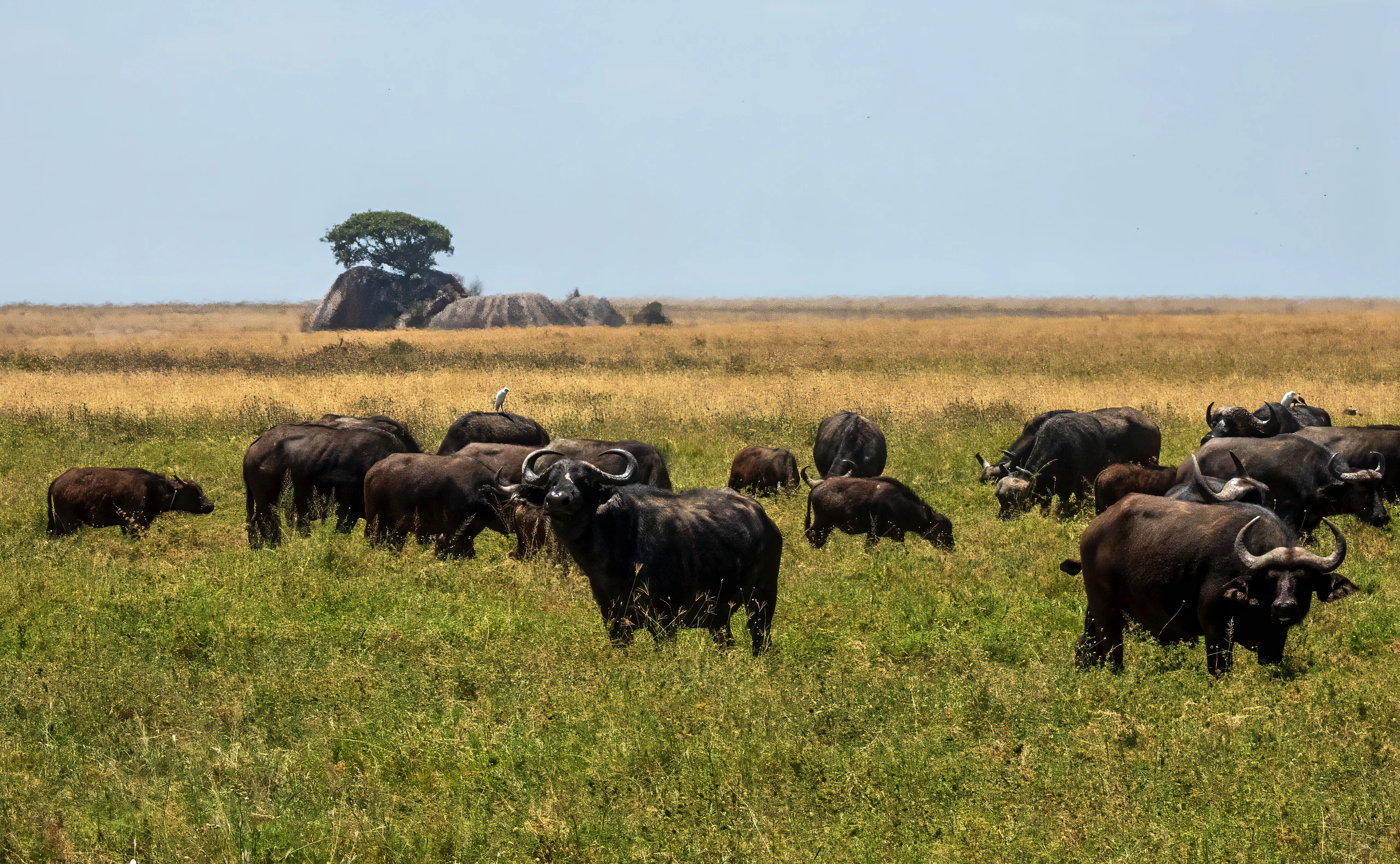
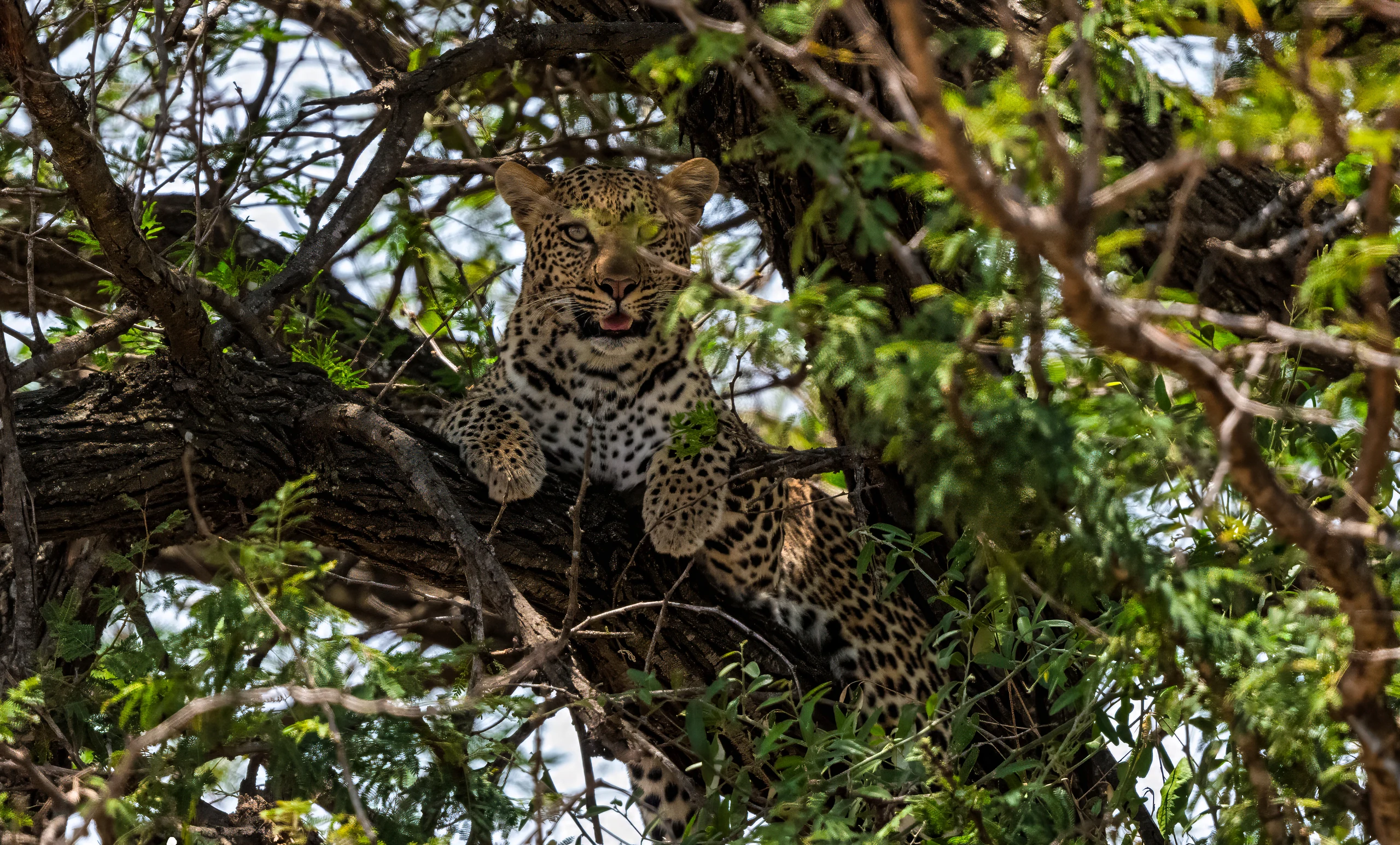
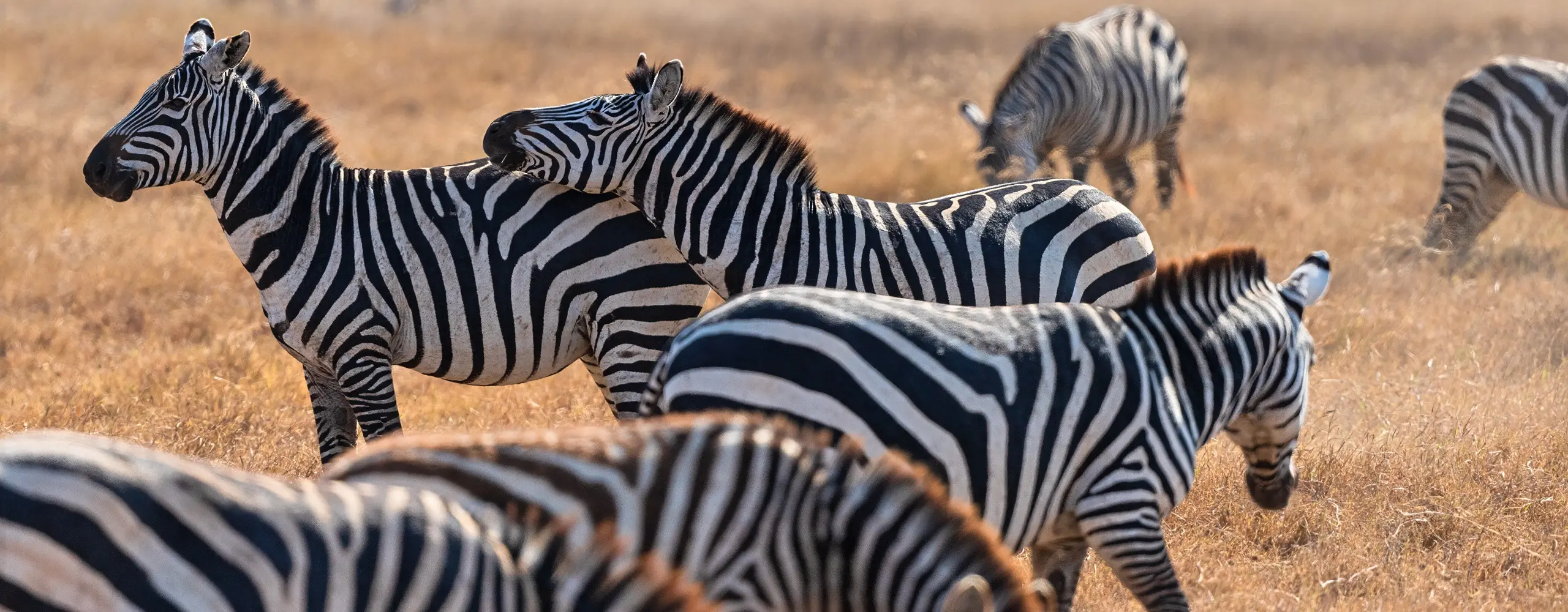
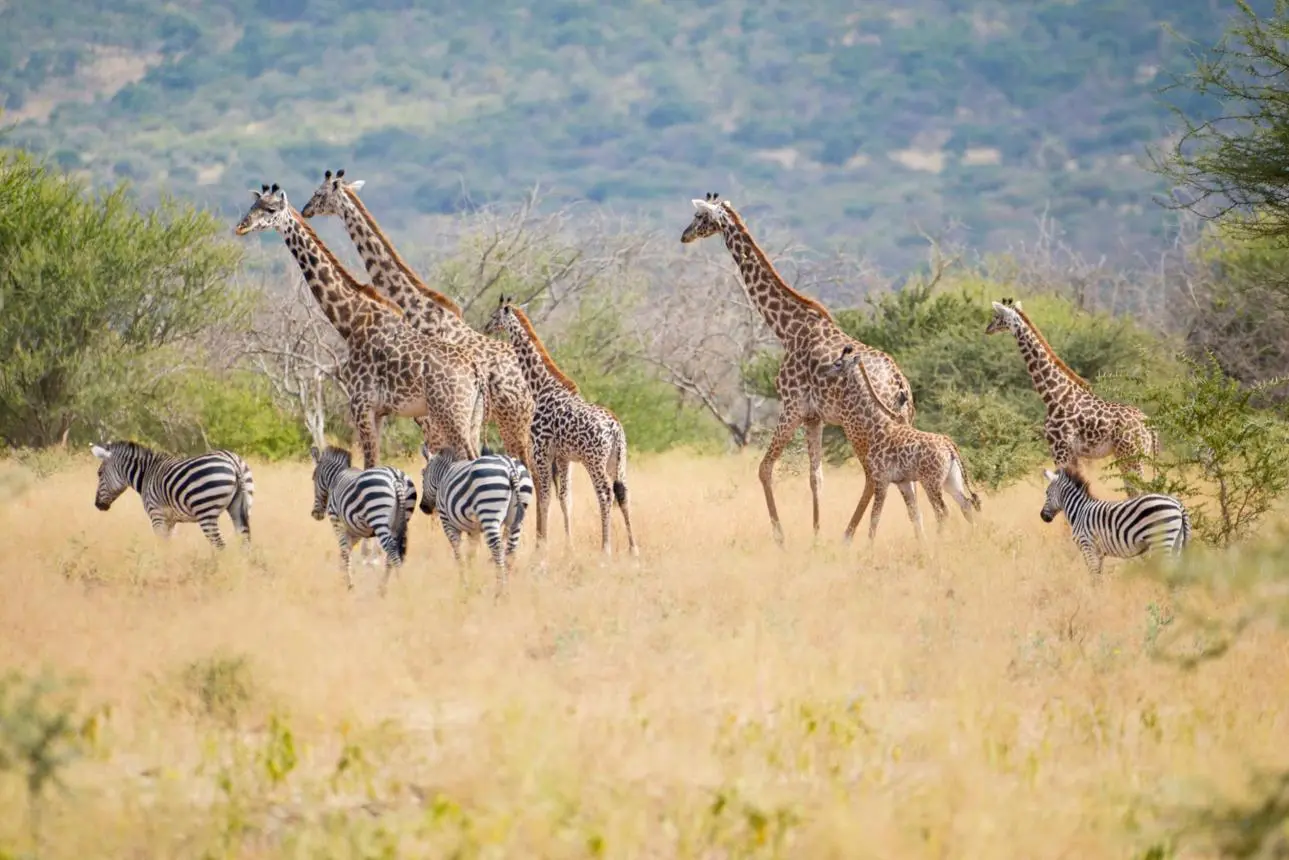
TAWA describes Makuyuni as a strategic wildlife park that is easily accessible and suited to shorter wildlife experiences. It is located in Monduli District, approximately 40 kilometres from Arusha city. The park supports elephants, lions, giraffes, buffalo, zebra, oryx, kudu and other wildlife. Surrounding Maasai communities also create opportunities for cultural experiences. For travelers with limited time in Arusha, Makuyuni can offer an interesting introduction to northern Tanzania's wildlife.
Where Is Makuyuni Wildlife Park?
Makuyuni Wildlife Park is in Monduli District in the Arusha Region of northern Tanzania. It lies around the Makuyuni area, close to the road network connecting Arusha with the Manyara and Tarangire regions.
TAWA places the park approximately 40 kilometres from Arusha city, while its investment information describes it as approximately 70 kilometres by road from Arusha, reflecting different ways of measuring the journey.
The location is important because Makuyuni sits within the broader Tarangire–Manyara ecosystem. That means the park is not an isolated pocket of wildlife. It forms part of a much larger landscape used by animals moving between different habitats.
What Makes Makuyuni Special?
The biggest attraction is accessibility. You do not need to spend an entire day driving from Arusha to reach the park.
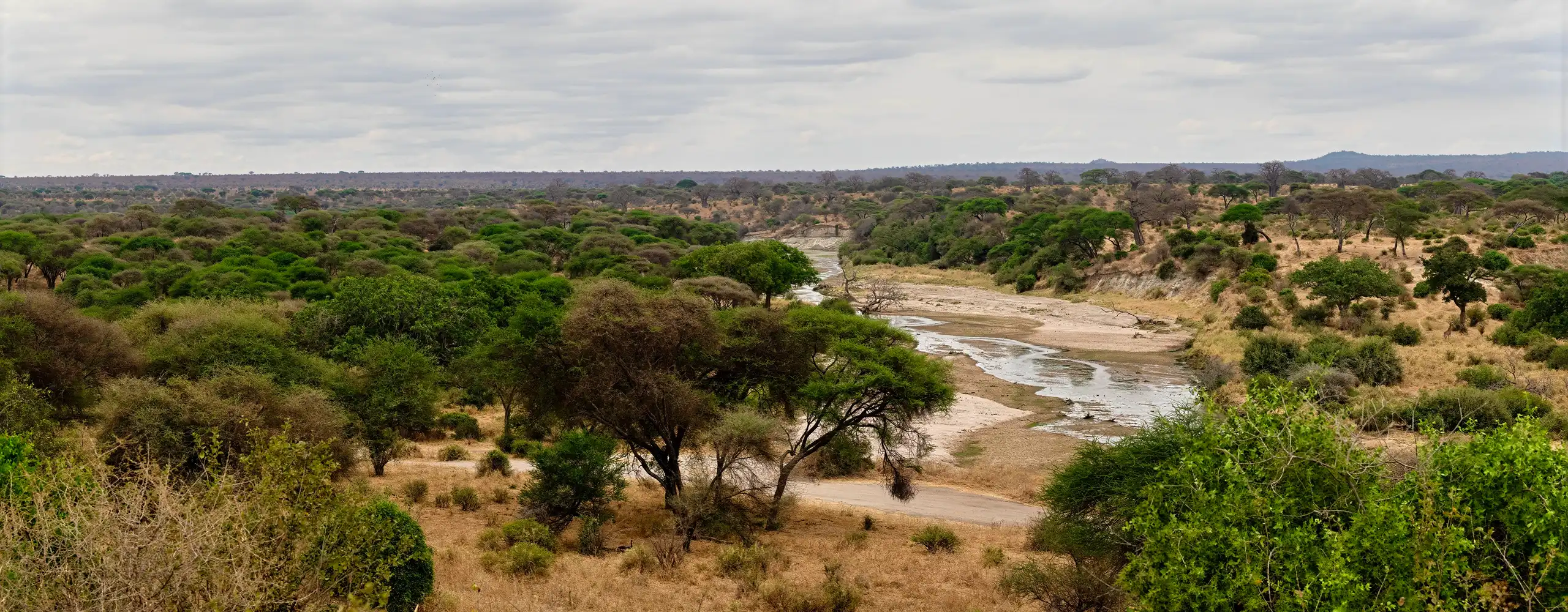
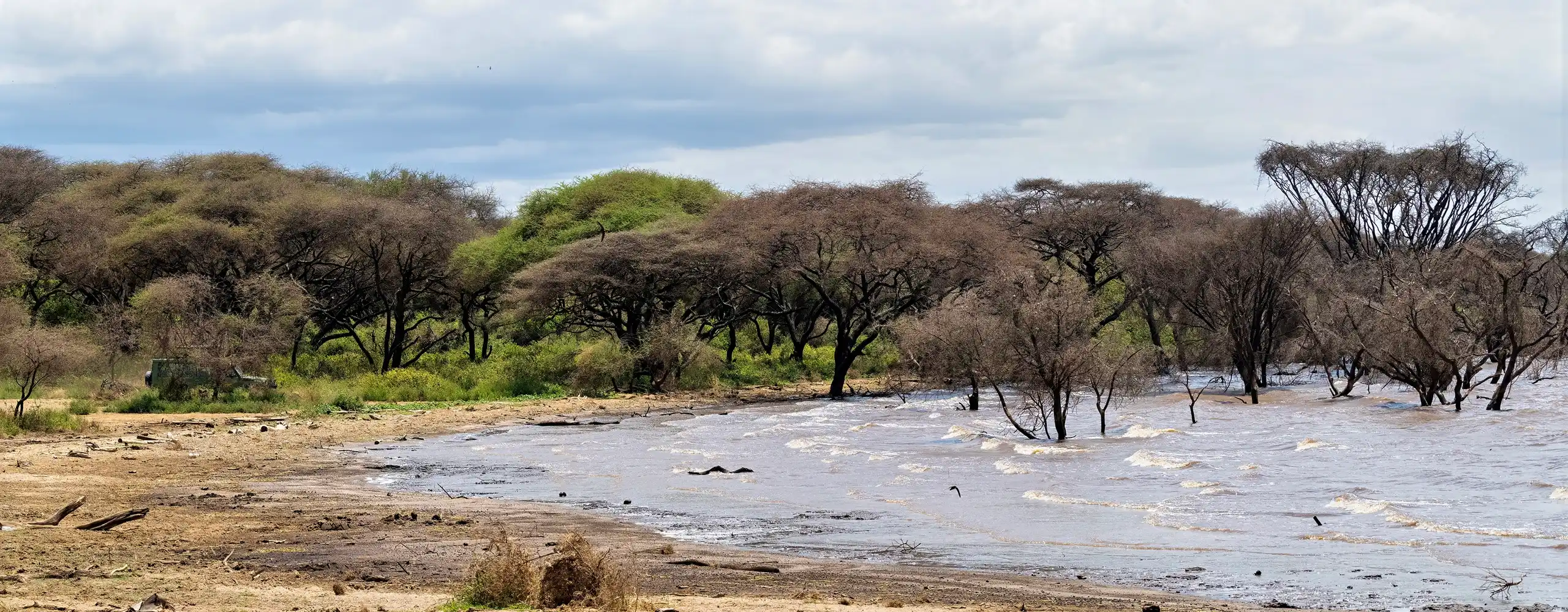
At the same time, Makuyuni offers a genuine wildlife setting rather than simply being a city-adjacent animal attraction. The park has open areas, woodland and wildlife habitat, while its position within the wider ecosystem gives it ecological importance beyond its relatively small size. TAWA has also been improving infrastructure, including roads, crossings and a water reservoir intended to support wildlife and improve access throughout the year. This makes Makuyuni particularly interesting for travelers looking for a shorter or less conventional safari experience.
Wildlife You Can See
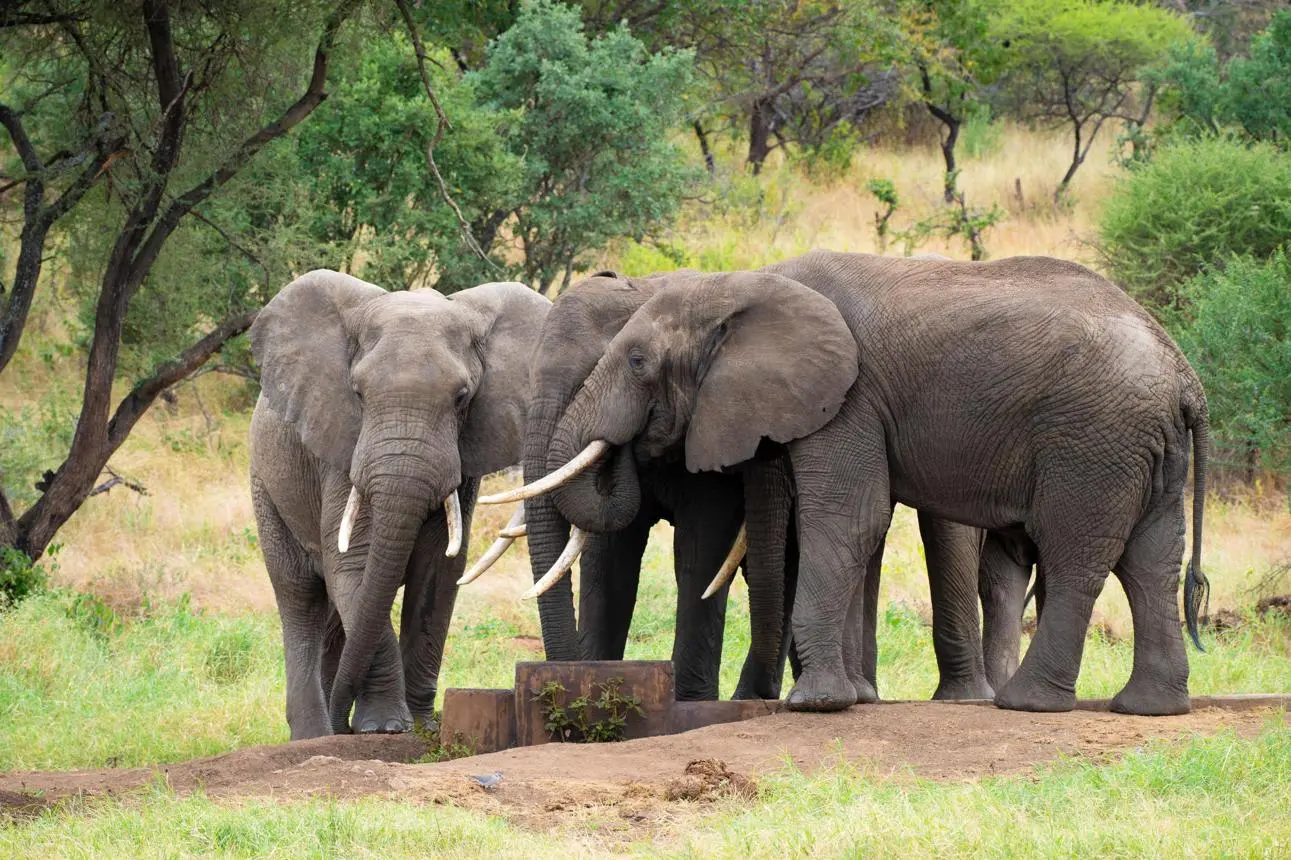
Wildlife sightings naturally vary with season, water availability and animal movements. A short visit should therefore be approached as a wildlife experience rather than a checklist. You may see several large mammals in a few hours, but no responsible guide can guarantee a particular animal on a particular day.
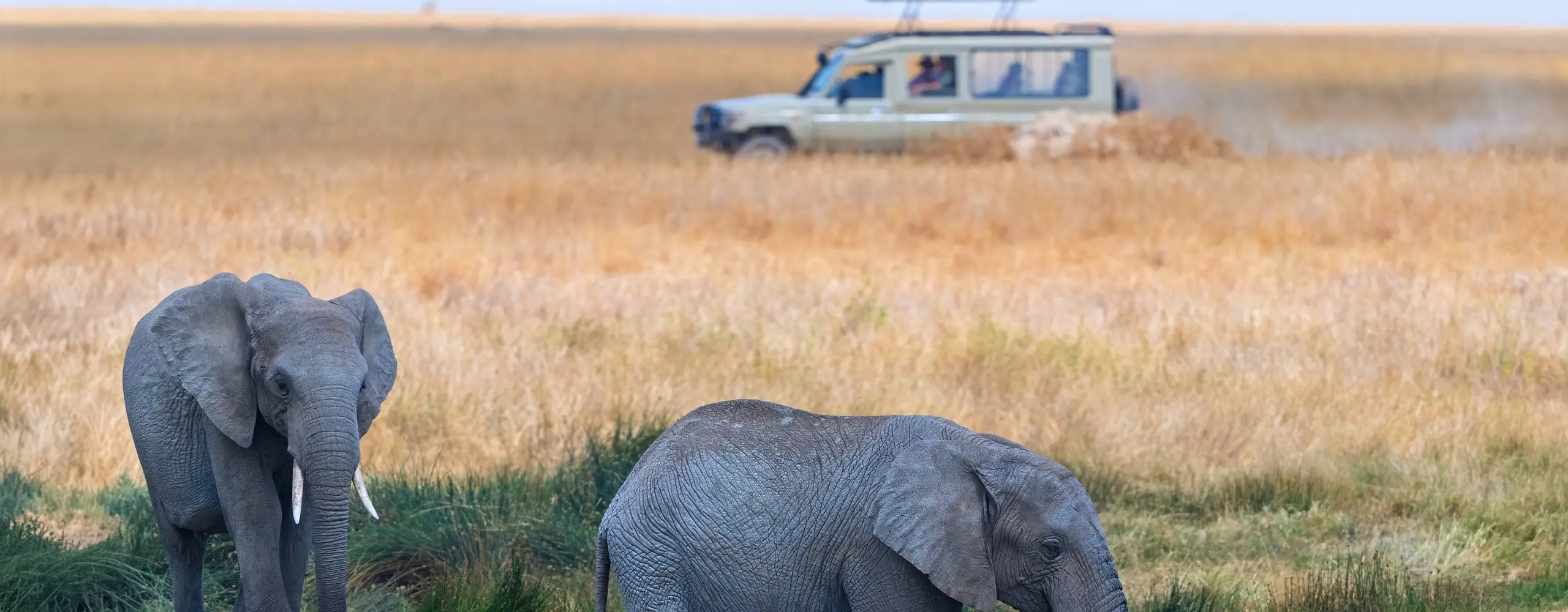
TAWA reports sightings of: Elephant, Lion, Giraffe, Zebra, Buffalo, Oryx, Kudu, Wildebeest, Warthog, Impala, Other antelope species
Wildlife sightings naturally vary with season, water availability and animal movements. A short visit should therefore be approached as a wildlife experience rather than a checklist. You may see several large mammals in a few hours, but no responsible guide can guarantee a particular animal on a particular day.
The Tarangire–Manyara Ecosystem
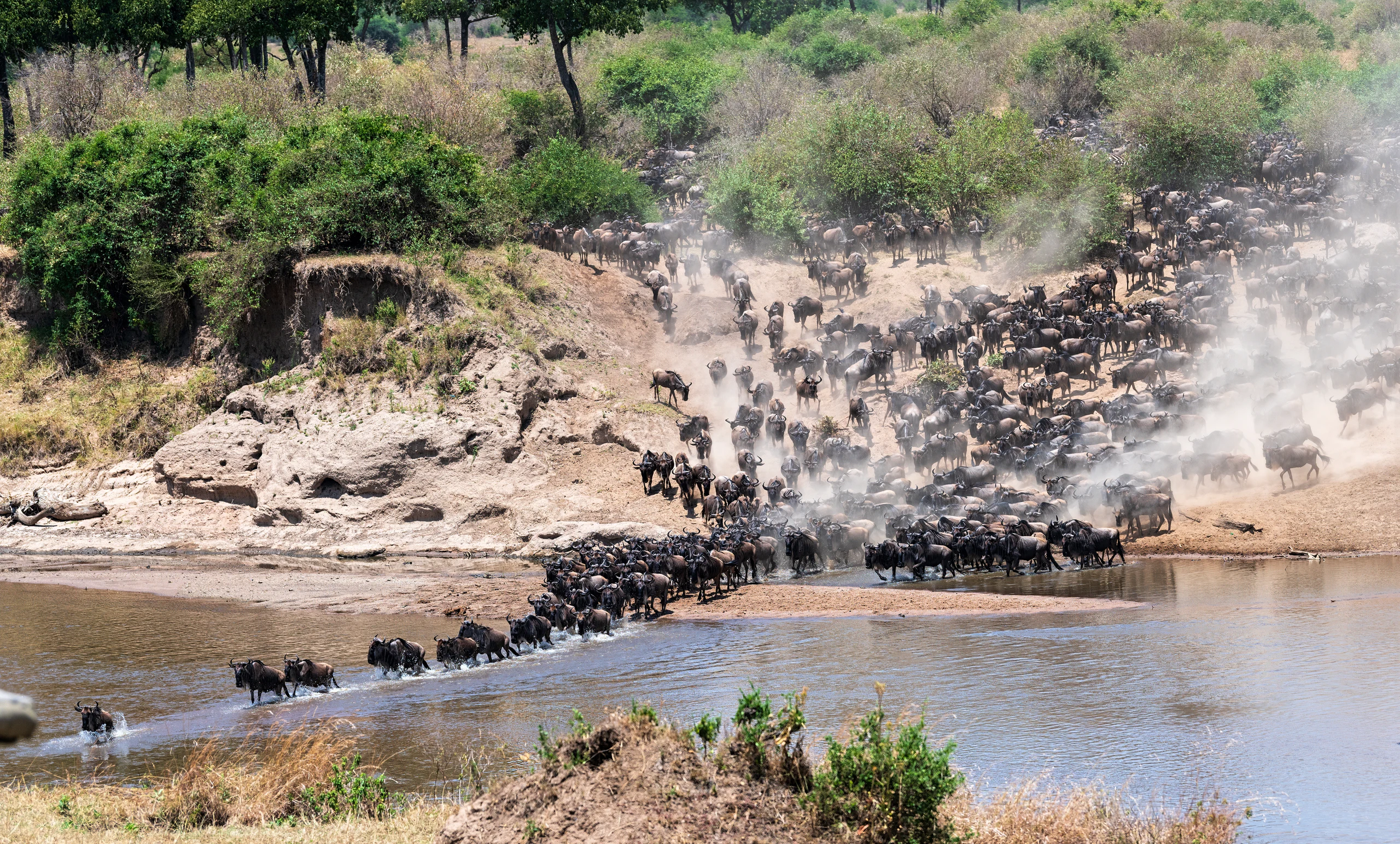
Makuyuni makes more sense when you look beyond the park boundary. It sits within the Tarangire–Manyara ecosystem, a larger landscape where wildlife moves between different protected and community-managed areas. TAWA identifies Makuyuni as part of this ecosystem. This is particularly important for elephants and other wide-ranging animals. The landscape is not divided neatly according to the boundaries tourists see on a map. Animals move according to water, food, rainfall and seasonal conditions. That is why smaller wildlife areas and corridors can be important even when they do not have the same international reputation as Serengeti or Ngorongoro.
Wildlife Corridors & Conservation
Makuyuni is connected to a wider conservation landscape that includes the Tarangire and Lake Manyara areas. TAWA and other conservation sources identify wildlife corridors in this part of northern Tanzania as important for maintaining animal movement between habitats. This gives Makuyuni a significance beyond tourism. A wildlife corridor may not look as dramatic as a famous national park, but it can be essential for animals that need to move between feeding, breeding and water areas. For visitors, this is one reason to think of Makuyuni as part of a larger ecosystem rather than a standalone attraction.
Best Time to Visit Makuyuni Wildlife Park
Makuyuni can be visited throughout the year. Your best timing depends on whether wildlife viewing, photography, greenery or road conditions are your priority.
June–October
The dry season generally offers easier wildlife viewing because vegetation becomes less dense and animals concentrate around available water.The weather is also generally comfortable for game drives.
November–December
The short rains can transform the landscape. Grass becomes greener and migratory movements across the wider ecosystem can change the wildlife experience. Birdwatching can also become particularly interesting.
January–March
The landscape can remain relatively green, while wildlife is distributed across the ecosystem according to water and food availability. This can be a pleasant period for travelers who prefer greener scenery.
April–May
The long rains can bring lush landscapes but may also make some roads more challenging. If visiting during this period, flexibility is useful.
How Long Do You Need?
Makuyuni is particularly well suited to shorter visits.
- Half day : A half-day game drive can work if you are passing through the area or have limited time.
- One day : A full day gives you time to explore more of the park without rushing. You can combine morning wildlife viewing with a longer afternoon experience.
- Overnight : An overnight stay can make sense if you want a slower experience or want to combine wildlife with walking, cultural activities or other experiences. You do not need to spend several days here simply to say you have experienced the park. Its accessibility is one of its biggest advantages.
How To Get There
Makuyuni is easily reached from Arusha compared with many of Tanzania's major safari destinations. TAWA places the park approximately 40 kilometres from Arusha city, while official investment information describes it as about 70 kilometres by road. The park's location near the Arusha–Babati and Makuyuni–Karatu road junctions also makes it convenient to incorporate into a Northern Circuit itinerary. This accessibility is one of the park's strongest advantages. You can spend less time travelling and more time experiencing the landscape.
Where To Stay
Accommodation options around Makuyuni are more limited than in major safari hubs such as Arusha, Karatu and Serengeti. For many visitors, staying in Arusha and making a day visit is the simplest option. If you want a more immersive experience, accommodation closer to the park can reduce driving and give you more time for early morning or evening activities. When planning an overnight stay, check which activities are currently available and how they fit with your onward journey. Because Makuyuni is still developing as a tourism destination, facilities and experiences can change.
What To Pack
For a day trip or short safari, keep your packing simple.
- Lightweight clothing
- Neutral safari colors
- Comfortable shoes
- Hat
- Sunglasses
- Sunscreen
- Insect repellent
- Water bottle
- Binoculars
- Camera
- Extra batteries or power bank
- Light jacket for early mornings