Lake Manyara overview
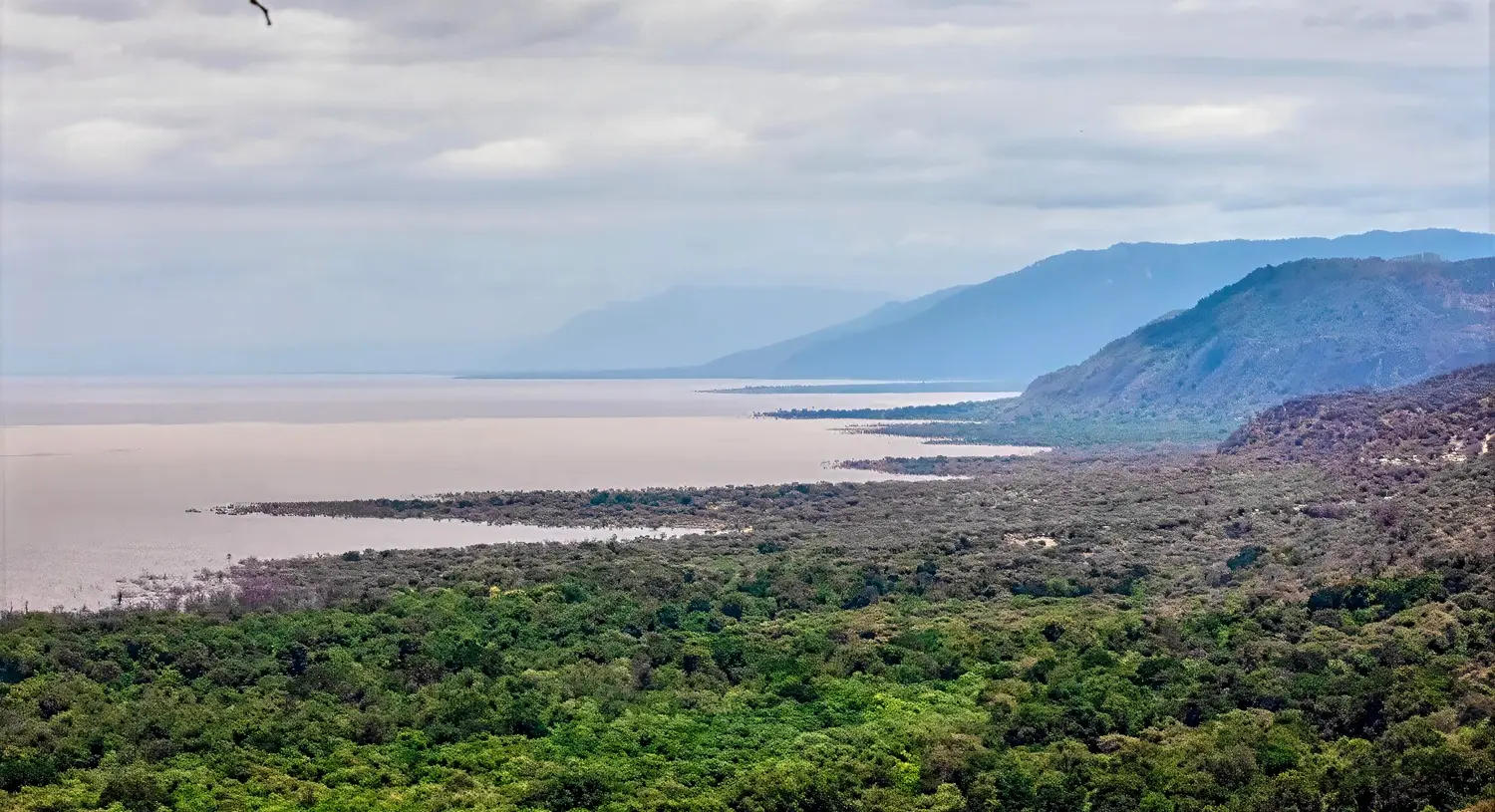
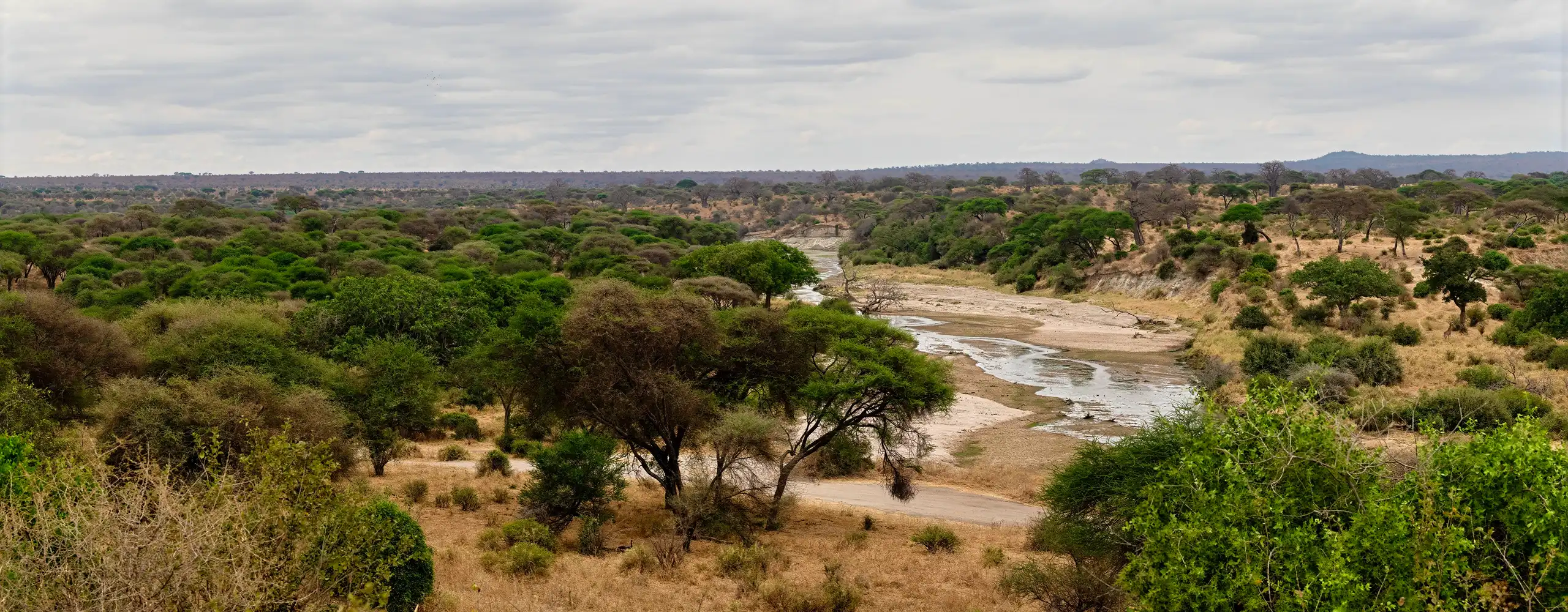
Lake Manyara is one of the smaller parks on Tanzania's Northern Circuit, but it packs a surprising amount of variety into a relatively compact area. The landscape changes quickly. You can drive beneath tall groundwater forest, emerge into open woodland, pass through grassy areas and suddenly find yourself looking across the shallow lake.
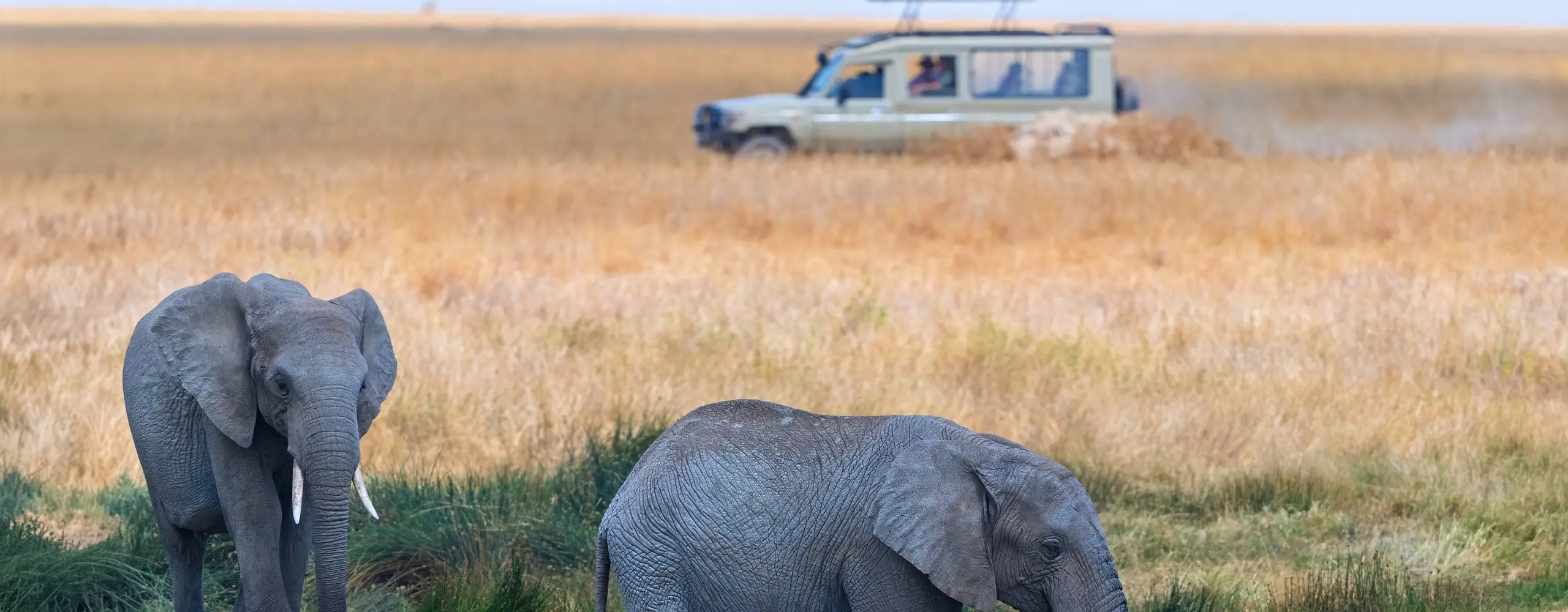
Elephants move through the forest, giraffes browse in the open areas, monkeys call from the trees and hundreds of bird species can be seen around the lake and woodland.
The park is also famous for its tree-climbing lions, although seeing lions in trees is never guaranteed. Lake Manyara is often visited as part of a Northern Circuit safari, usually between Tarangire and Ngorongoro.
What Makes Lake Manyara Special?
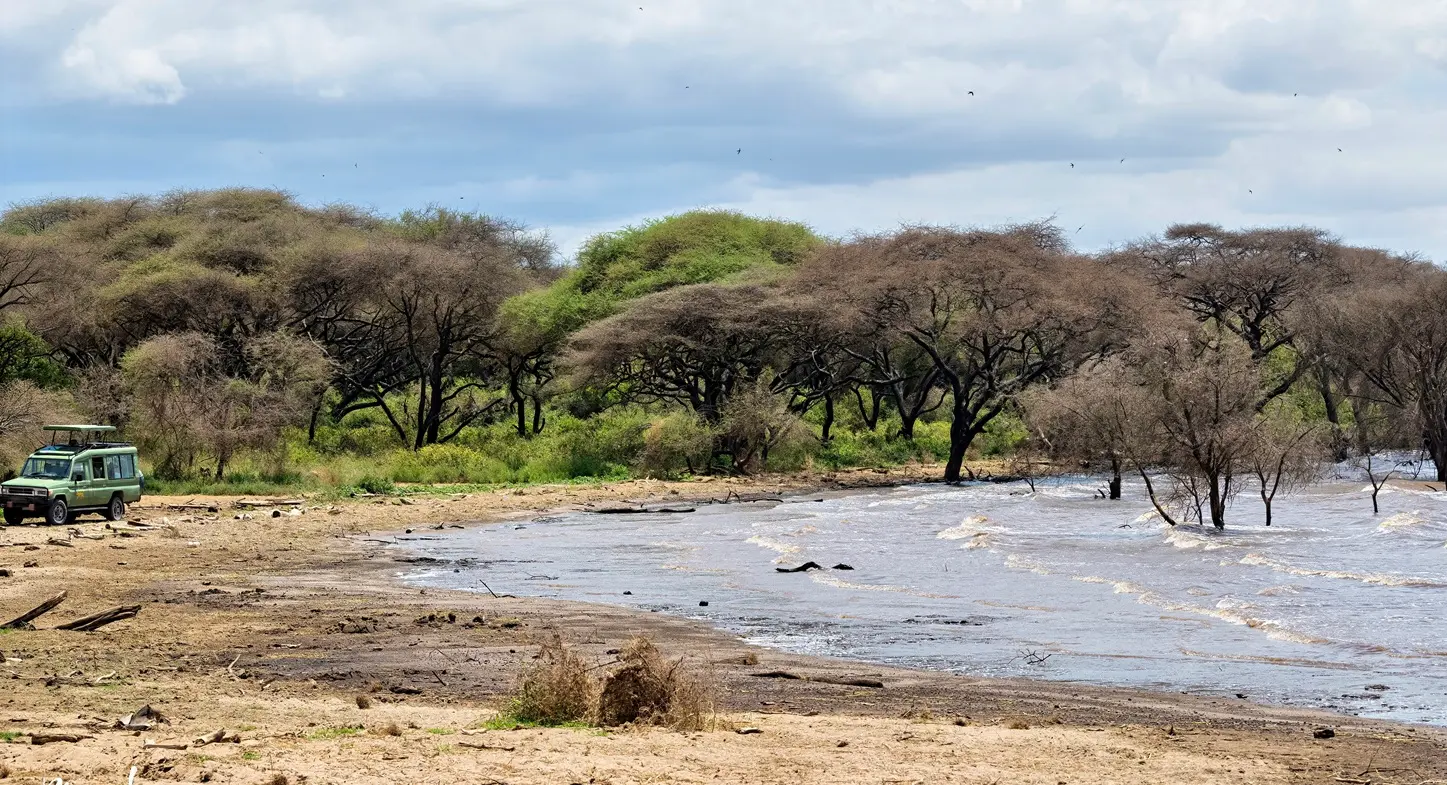
Lake Manyara is special because of its variety. It is not simply a lake surrounded by animals.
The forest can feel cool and enclosed, with elephants and primates moving through the trees. A few minutes later, the landscape can open into grassland where giraffes and buffalo are easier to spot.
Then the lake appears. Depending on water levels and the season, the shoreline can attract large numbers of birds, creating one of the most visually different safari environments in northern Tanzania.
Lake Manyara & the Great Rift Valley
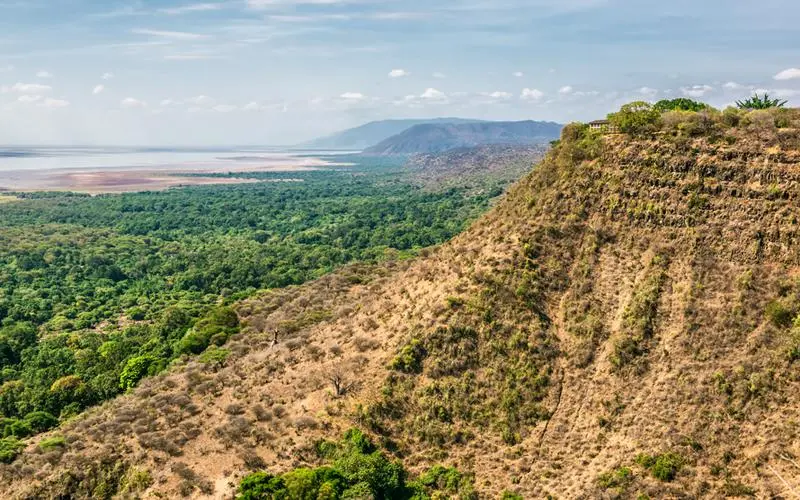
The Great Rift Valley is one of the defining geographical features of East Africa, and Lake Manyara sits dramatically along its western edge.
The escarpment rises above the park, creating a striking contrast between the highlands and the low-lying lake basin. This is one reason Lake Manyara feels different from the wide-open plains of Serengeti.
The landscape is more enclosed, greener in places and shaped strongly by the forest and escarpment. For travelers interested in landscapes and geology as well as wildlife, the Rift Valley setting adds another layer to the safari.
Groundwater Forest
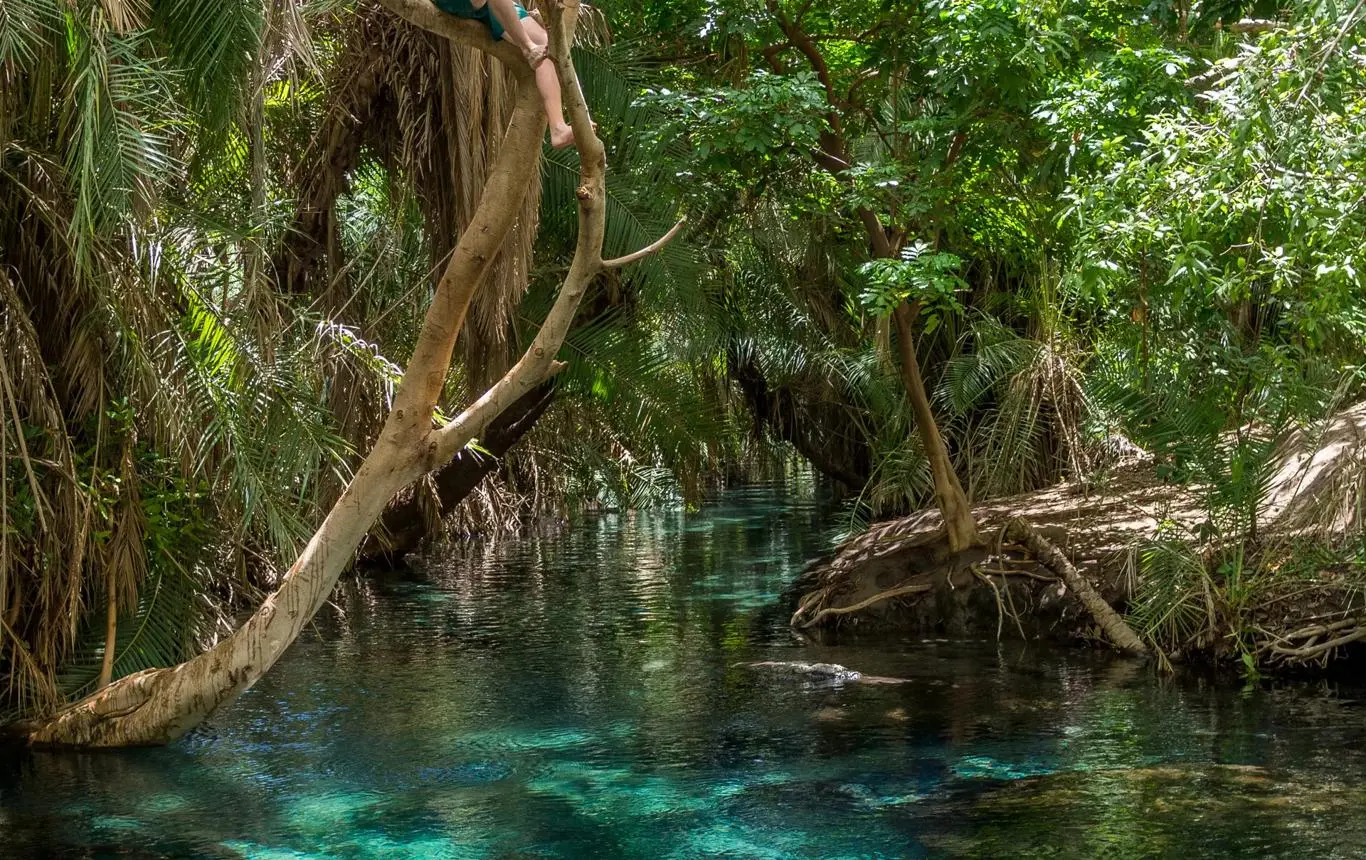
The groundwater forest is one of Lake Manyara's most distinctive habitats. Clear groundwater rises from underground sources and supports dense vegetation even during periods when surrounding areas become much drier.
The result is a lush forest environment with tall trees, palms and shaded roads. This habitat is particularly good for elephants and primates. You may also hear birds before you see them, making the forest an enjoyable place to slow down rather than simply drive through looking for large animals.
Lake Manyara Wildlife
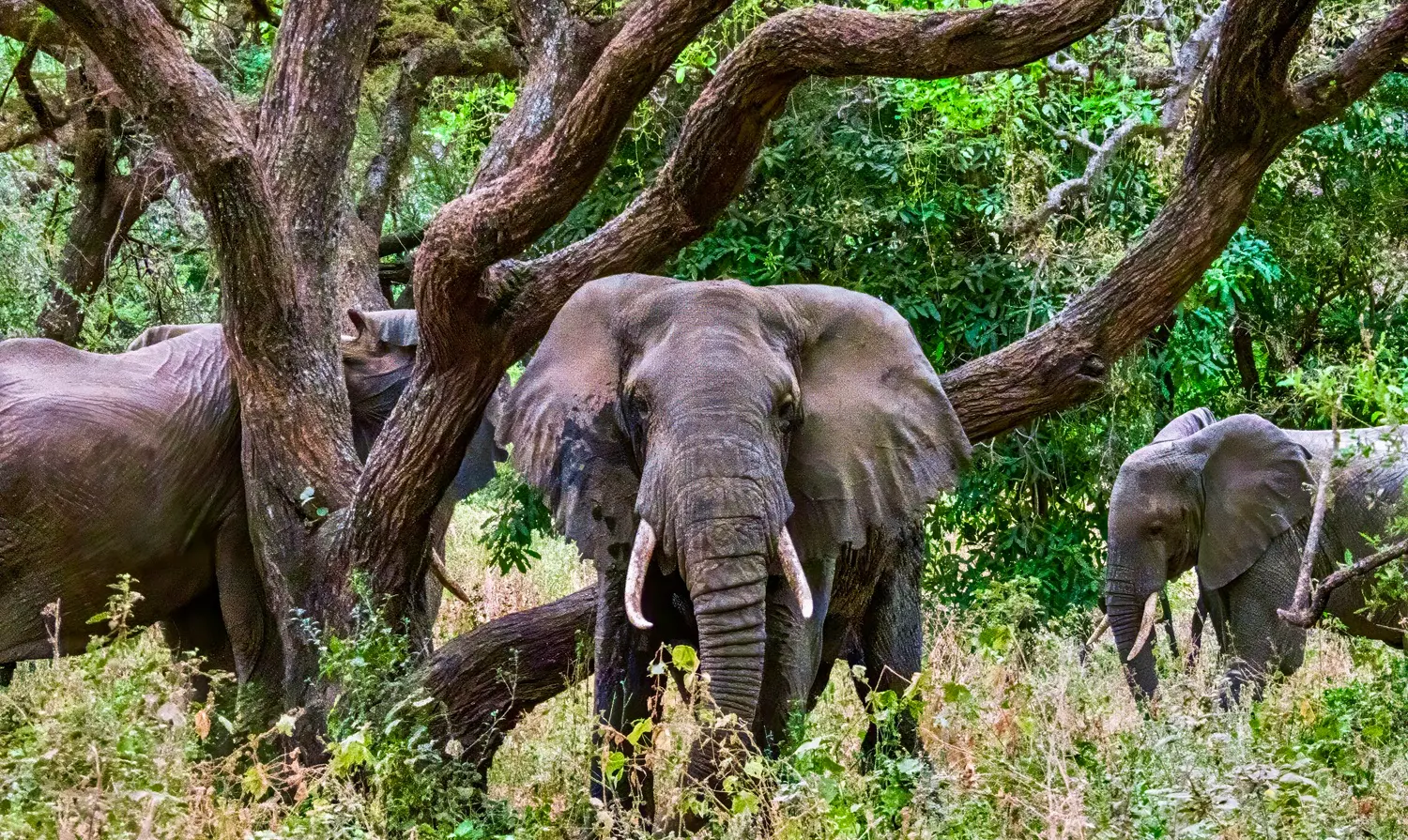
Lake Manyara supports a wide range of wildlife despite its relatively compact size.
Common sightings can include: Elephants, Giraffes, Buffalo, Zebra, Wildebeest, Impala, Warthogs, Hippos, Baboons, Monkeys, Leopards, Lions, Hyenas
The park is also famous for its tree-climbing lions, although seeing lions in trees is never guaranteed. Lake Manyara is often visited as part of a Northern Circuit safari, usually between Tarangire and Ngorongoro.
Tree-Climbing Lions
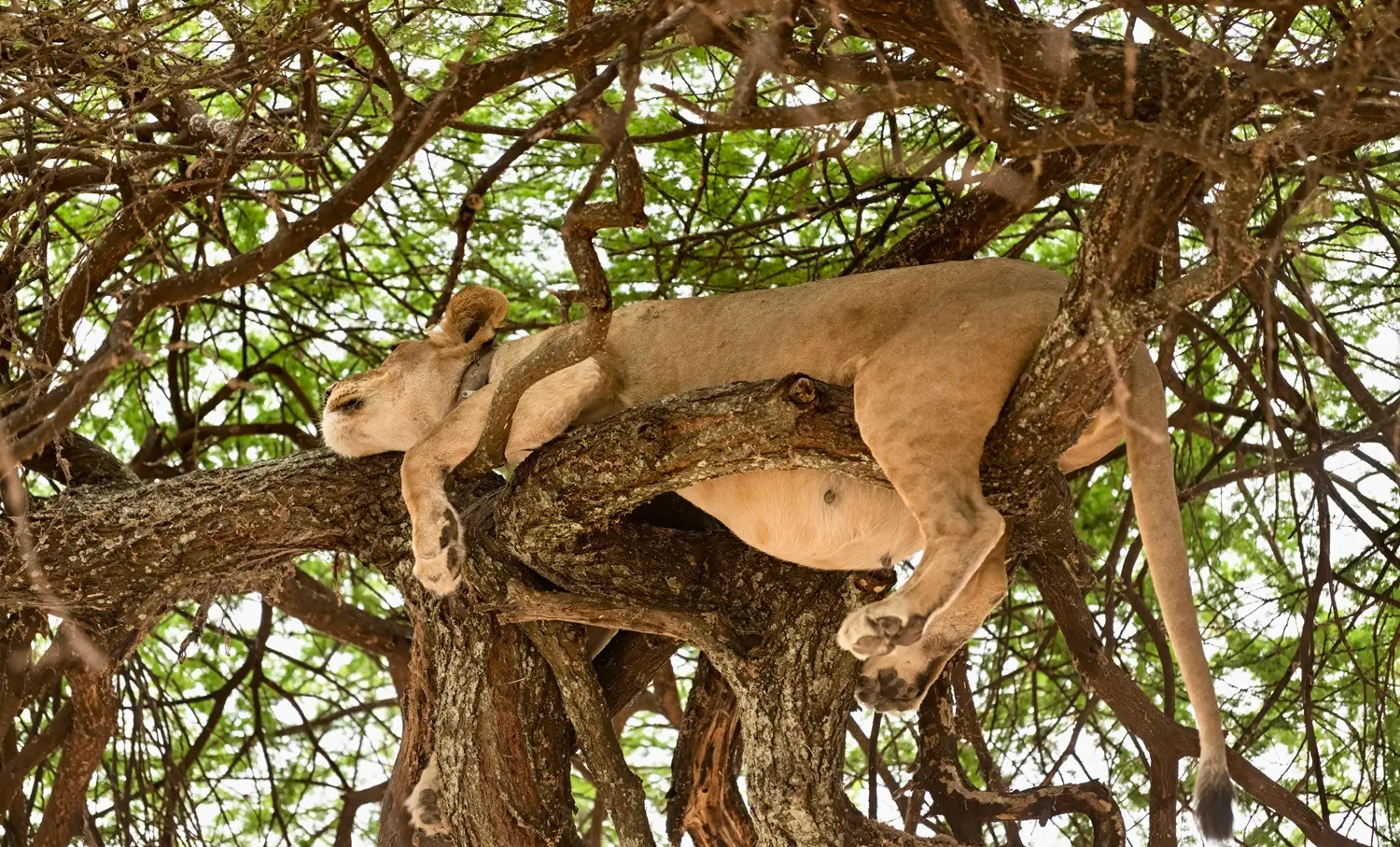
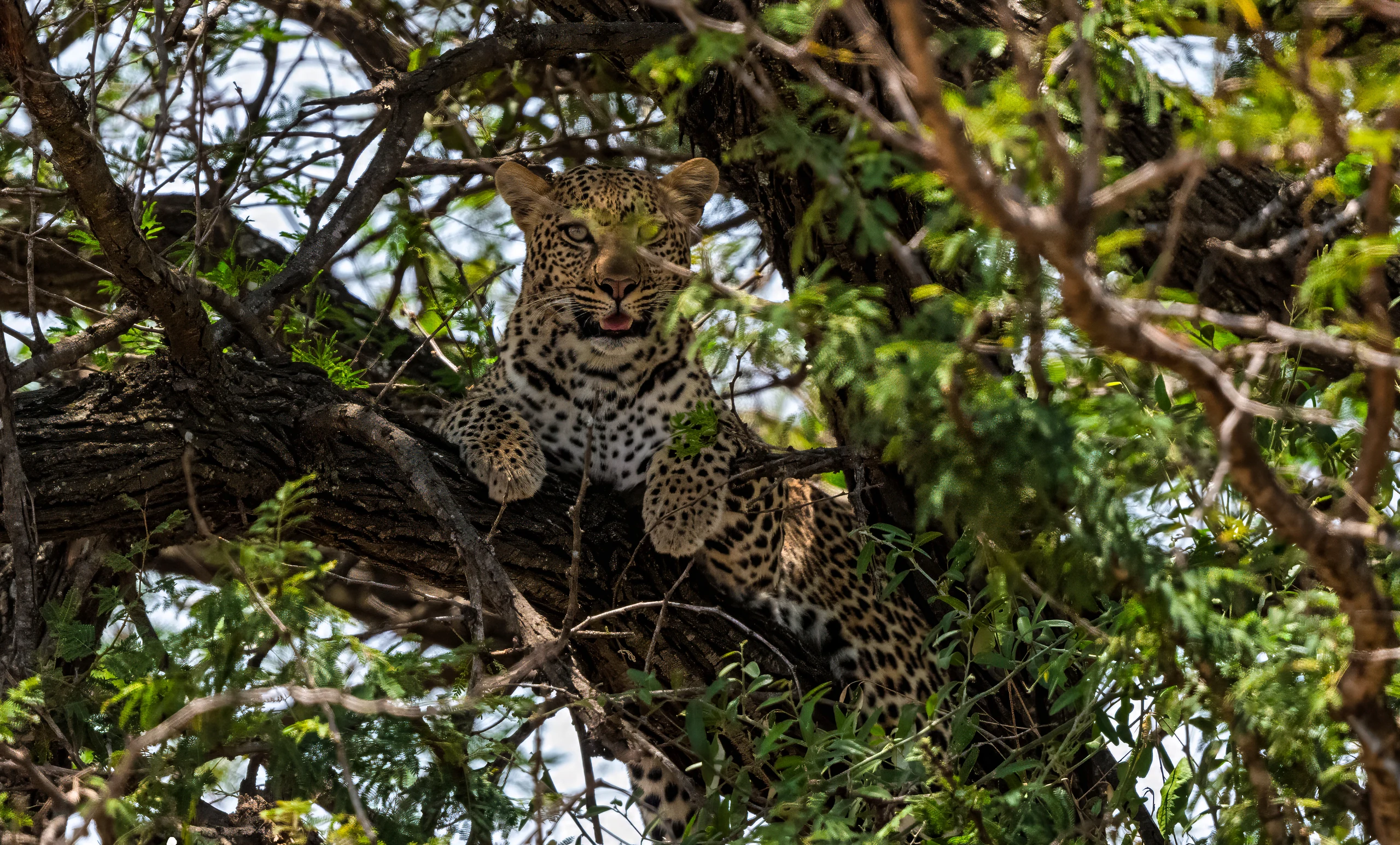
Tree-climbing lions are probably Lake Manyara's most famous wildlife story. Lions in this part of Tanzania are known to climb trees and can sometimes be found resting on large branches above the ground.
Why do they do it?
Several explanations have been suggested, including escaping insects, cooling off or simply finding a comfortable place to rest. But seeing a lion in a tree is never guaranteed. If you encounter one, it can be an extraordinary sight: a large predator stretched across a branch with the forest or Rift Valley behind it.
Do not visit Lake Manyara solely expecting a tree-climbing lion. Think of it as a memorable possibility within a much broader wildlife experience.
Elephants & Large Mammals
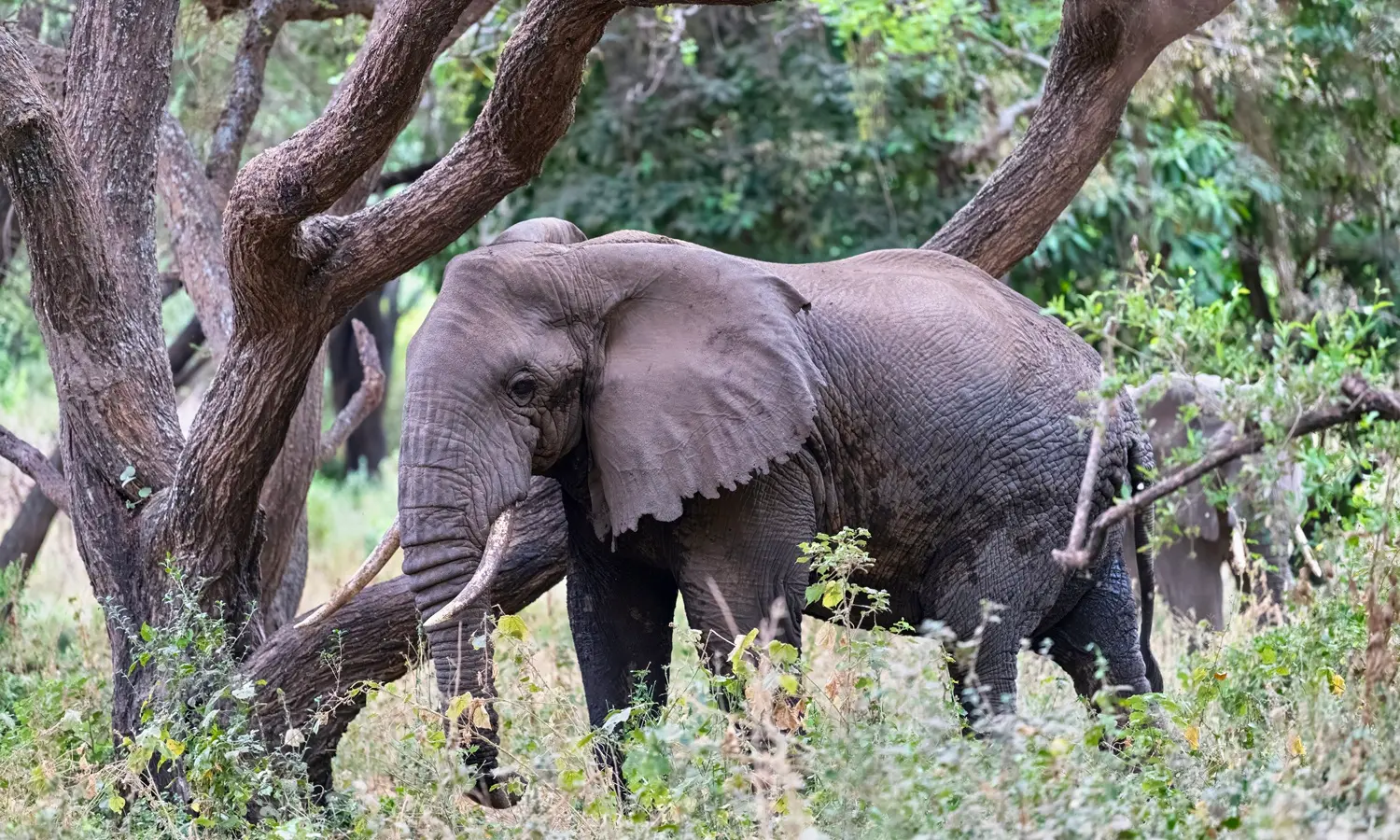
Elephants are one of Lake Manyara's most enjoyable wildlife encounters. They often move through the woodland and groundwater forest, where their size contrasts dramatically with the surrounding trees.
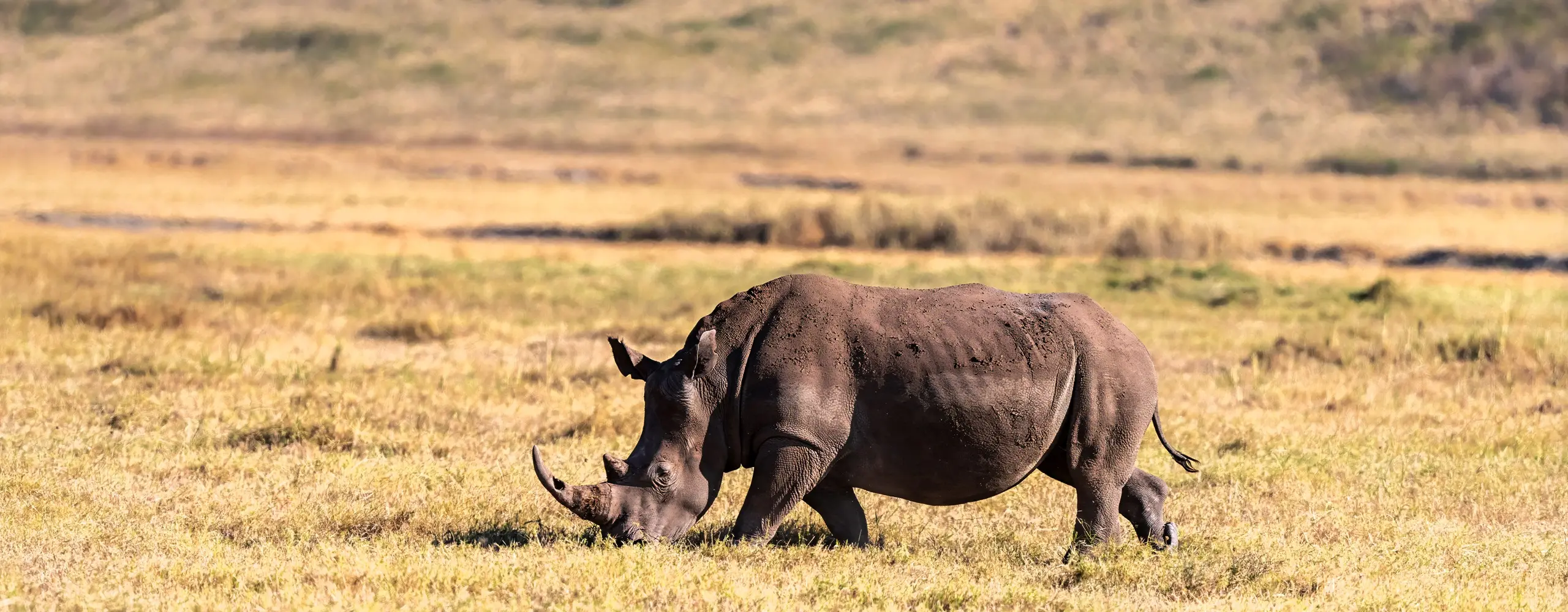
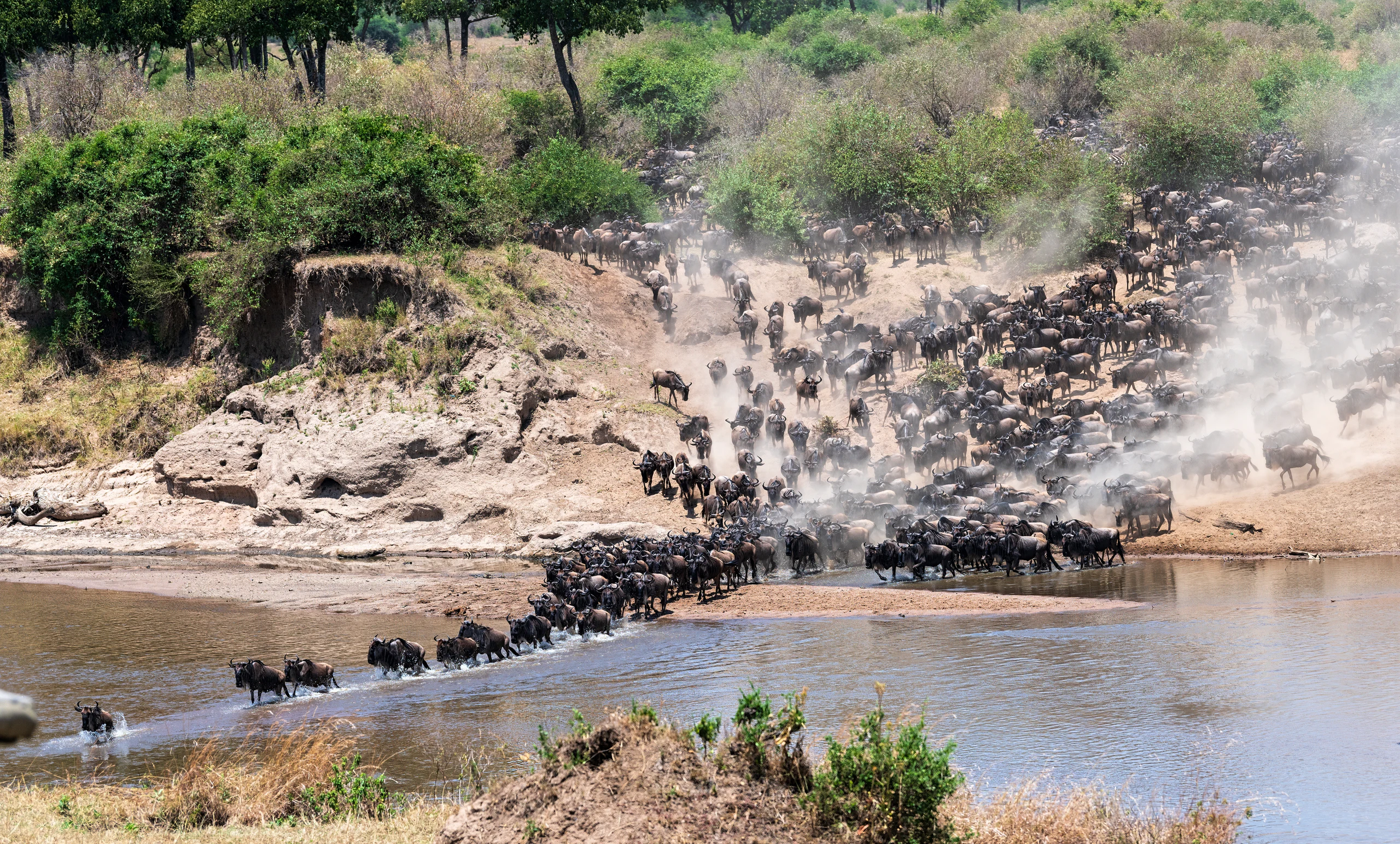
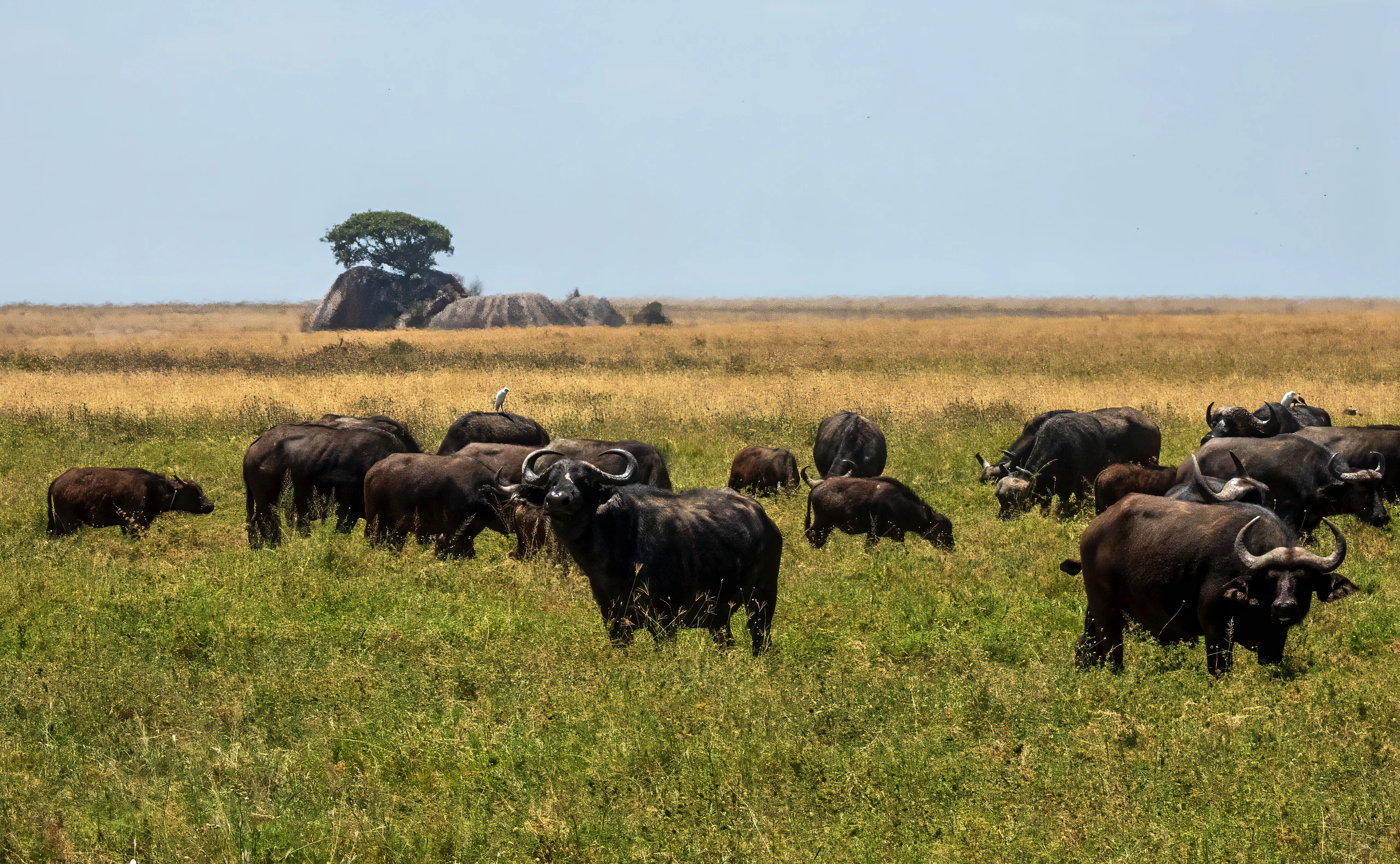
The park also supports buffalo, giraffe, zebra, wildebeest, hippos and several species of antelope. Because the park contains several different habitats close together, you can see animals associated with forest, grassland and wetland environments during the same outing.
Birdwatching at Lake Manyara
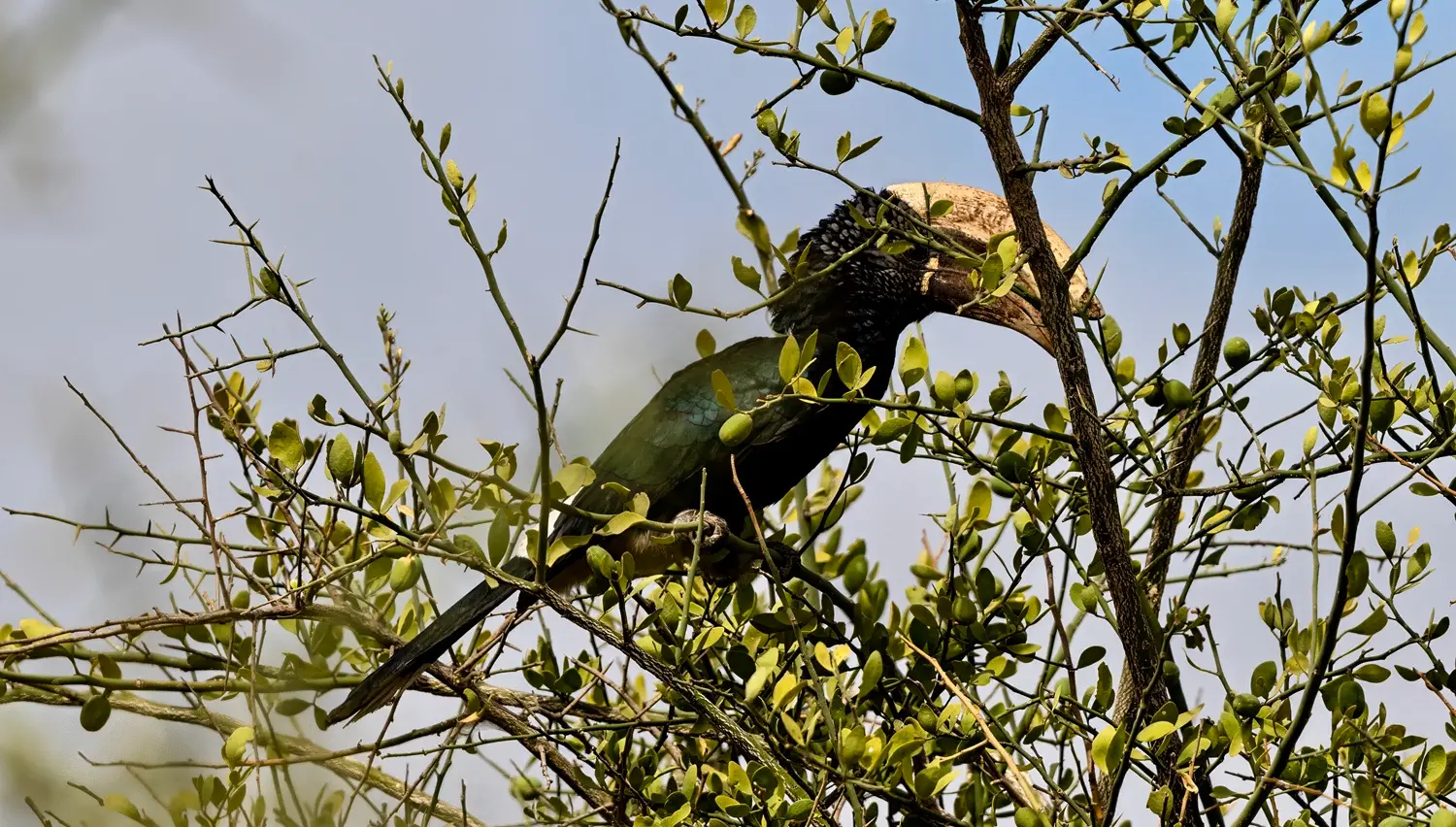
Lake Manyara is particularly appealing to birdwatchers. The lake, forest, woodland and wetland habitats support a large variety of birds, including waterbirds and forest species. Depending on conditions, you may see flamingos, pelicans, storks, herons, egrets, kingfishers, hornbills and birds of prey.
Migratory species can also add to the variety during certain times of year. Even if you are not a serious birder, the sheer number of calls and movement around the lake can make birdlife an important part of the safari.
The Lake & Flamingos
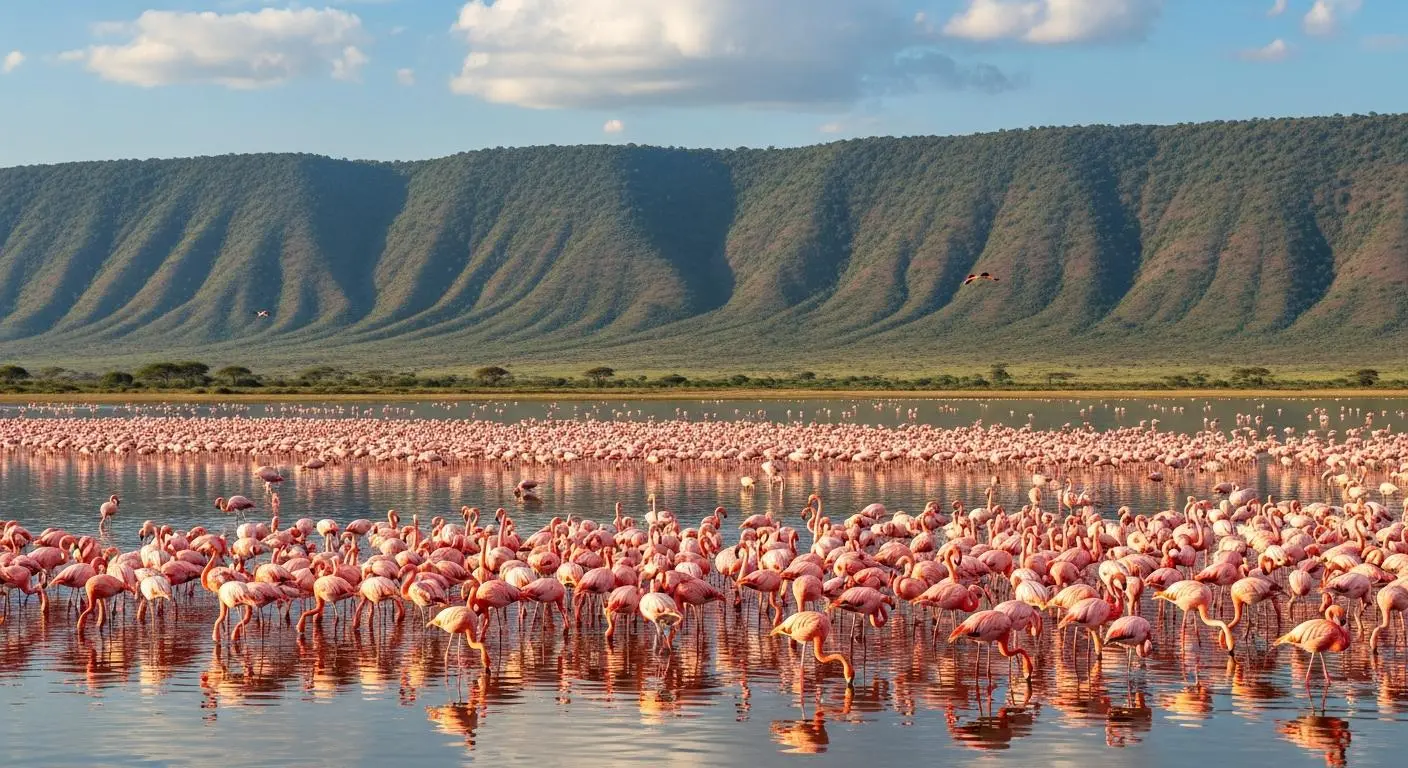
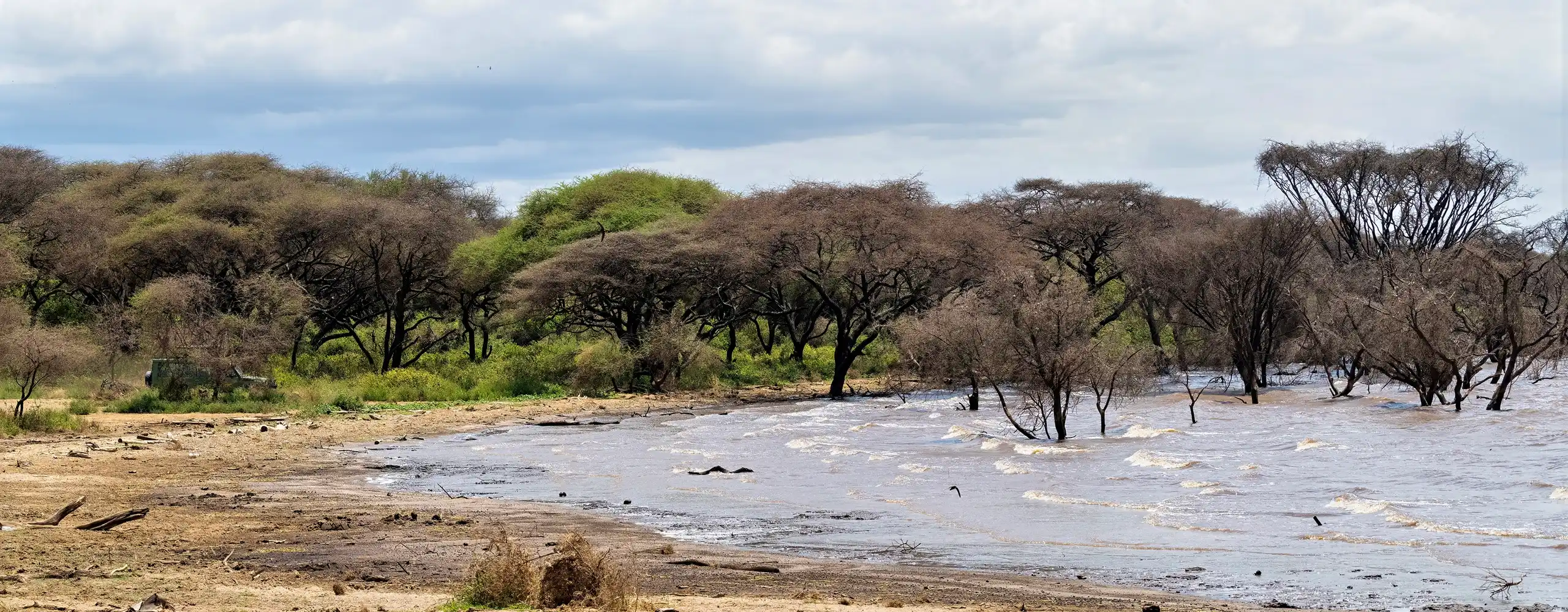
The lake itself changes dramatically with water levels. At certain times, shallow areas can attract large numbers of waterbirds, including flamingos.
The exact appearance of the shoreline changes with rainfall and seasonal conditions, so the lake you see on one visit may look quite different from another. It is worth remembering that Lake Manyara is not simply a flamingo destination. The lake is one part of a much larger ecosystem that includes forest, woodland, grassland and wetland.
Best Time to Visit Lake Manyara
Lake Manyara can be visited throughout the year. The experience changes with rainfall, vegetation and water levels.
June–October
The dry season generally brings drier roads and good wildlife viewing. Animals may become easier to locate around available water sources, while temperatures are often comfortable for game drives.
November–December
The short rains bring fresh vegetation and greener scenery. Birdlife can become particularly interesting as seasonal visitors arrive.
January–March
The landscape can remain relatively green, with good opportunities for birdwatching and general wildlife viewing. This can also work well as part of a longer Northern Circuit itinerary focused on the southern Serengeti calving season.
April–May
The long rains bring lush landscapes but can also produce wetter road conditions. Visitor numbers can be lower, and the green scenery can be beautiful for photography. There is no single perfect month for Lake Manyara. The right timing depends on whether you prioritize dry conditions, green landscapes, birdlife or a broader Northern Circuit itinerary.
How Long Do You Need?
For most travelers, Lake Manyara does not require several days.
- A full day can provide a good introduction to the park and its major habitats. One night is often enough when Lake Manyara is part of a classic Northern Circuit itinerary.
- If birdwatching, photography or a slower safari pace is important to you, spending longer in the area can make sense.
- if you have limited time, it is worth asking whether an additional night at Lake Manyara or an additional night in Serengeti better matches your priorities.
Where to Stay
Accommodation is available both around the park and in nearby areas such as Mto wa Mbu and Karatu. Your choice depends on whether you want to be close to the park, prefer a particular level of comfort or are continuing directly toward Ngorongoro.
Staying close to the park can make an early game drive more convenient. Karatu can work particularly well as a base when combining Lake Manyara with Ngorongoro.
For a Northern Circuit itinerary, the most practical accommodation is often the one that fits naturally into your route rather than requiring unnecessary backtracking.
Lake Manyara vs Tarangire
Ngorongoro and Lake Manyara also offer very different experiences. Ngorongoro is a huge volcanic caldera with a concentrated wildlife population on the crater floor. Lake Manyara is smaller and more varied in habitat, with forest, lake and Rift Valley scenery. Ngorongoro is often a major highlight of a first Northern Circuit safari, while Lake Manyara works particularly well when you want additional habitat and landscape variety. The two can easily be combined.
Lake Manyara vs Ngorongoro
Ngorongoro and Lake Manyara also offer very different experiences. Ngorongoro is a huge volcanic caldera with a concentrated wildlife population on the crater floor. Lake Manyara is smaller and more varied in habitat, with forest, lake and Rift Valley scenery. Ngorongoro is often a major highlight of a first Northern Circuit safari, while Lake Manyara works particularly well when you want additional habitat and landscape variety. The two can easily be combined.
How to Get to Lake Manyara
Lake Manyara is easily accessible by road from Arusha and other Northern Circuit destinations. Its location along the main safari route makes it particularly convenient when travelling between Tarangire, Ngorongoro and Serengeti. The nearest major airport for most international travelers is Kilimanjaro International Airport, while regional flights can connect to airstrips serving the safari circuit. Most visitors experience Lake Manyara as part of a road-based Northern Circuit itinerary.
What to Pack for Lake Manyara
Lake Manyara generally does not require special equipment beyond normal safari essentials. Binoculars are especially useful if you are interested in birds.If you are continuing to Ngorongoro, remember to keep a warm layer accessible because temperatures around the crater highlands can be considerably cooler.
- Lightweight clothing
- Warm layer for early mornings
- Hat
- Sunglasses
- Sunscreen
- Binoculars
- Camera
- Spare batteries or power bank
- Reusable water bottle
- Insect repellent
- Comfortable closed shoes