Lake Natron overview
Lake Natron is one of the most unusual places you can add to a Tanzania safari. It does not look like the Serengeti. There are no endless green plains and you do not come here expecting a long list of Big Five sightings.
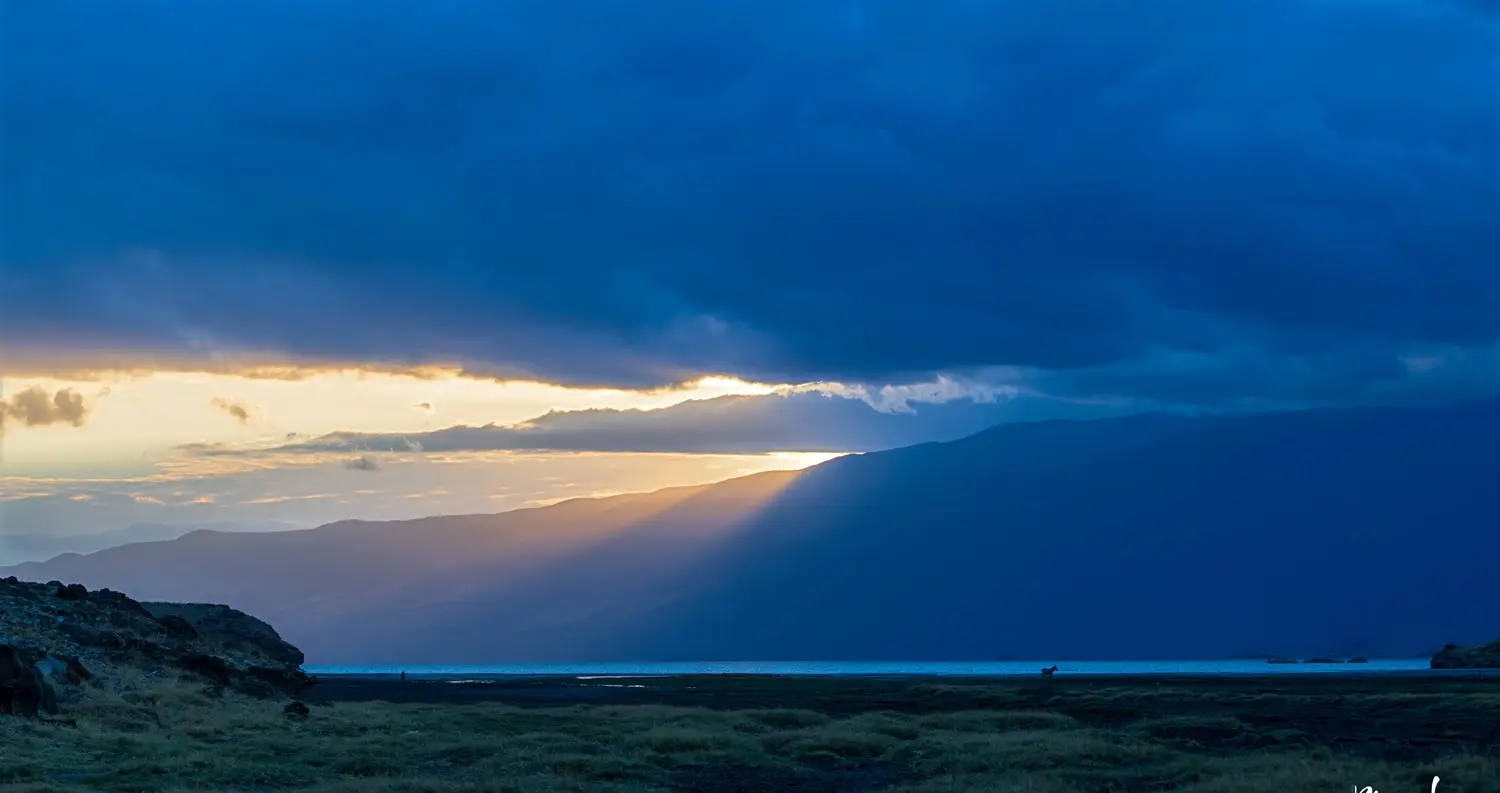
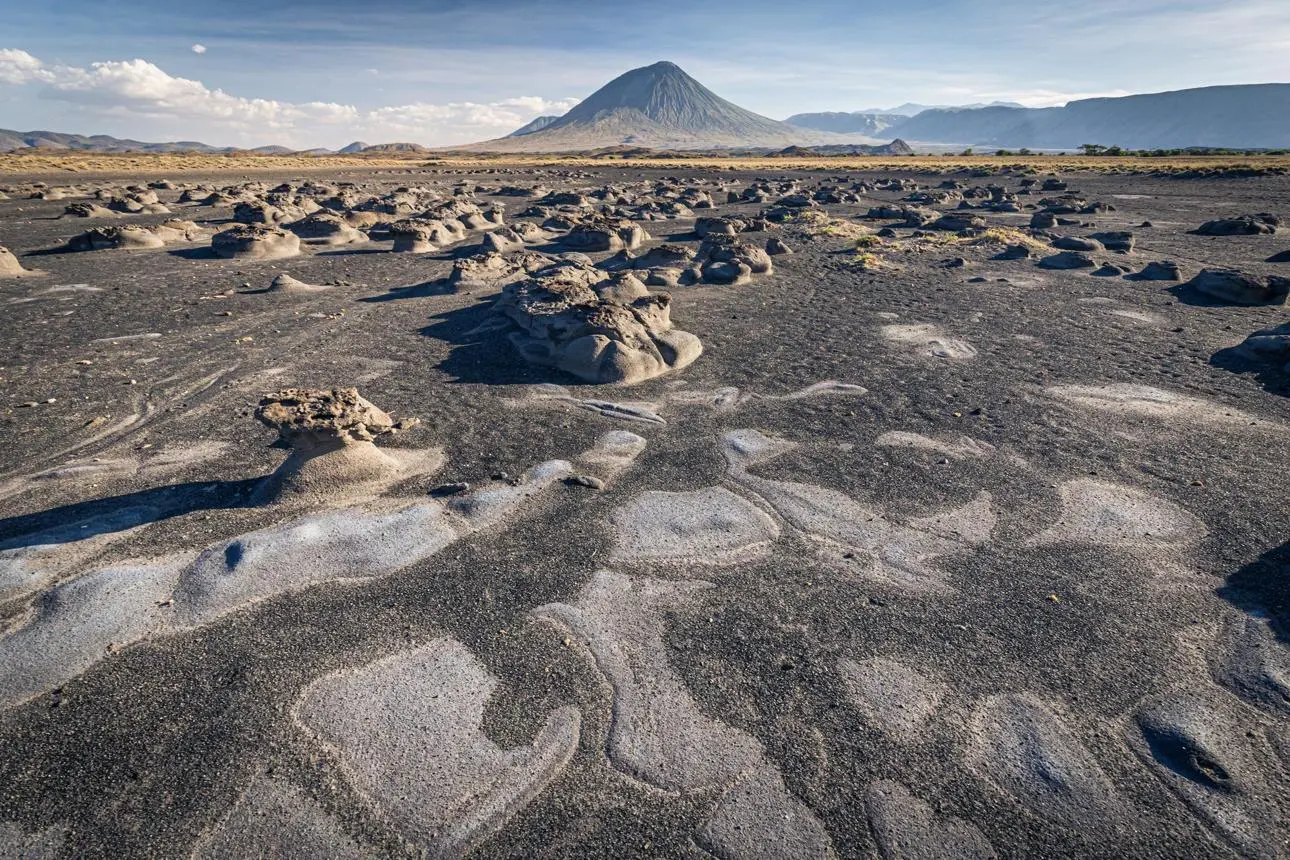
Instead, the landscape is dominated by a shallow alkaline lake, salt flats, volcanic mountains and the enormous presence of Ol Doinyo Lengai.
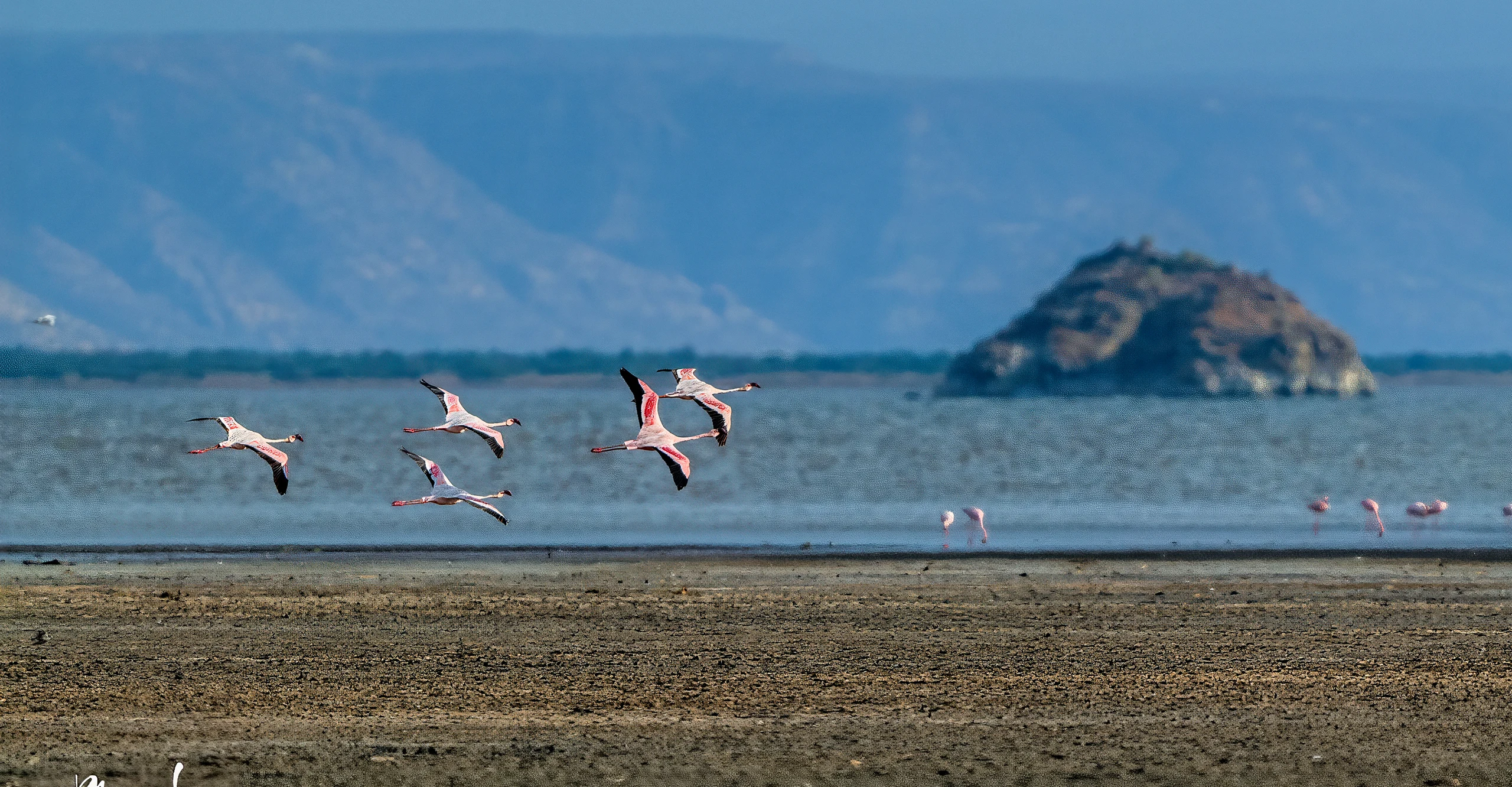
And then there are the flamingos. Lake Natron is one of the world's most important breeding sites for lesser flamingos, with the lake's extreme environment helping protect nesting areas from many predators. TAWA identifies it as the world's most important breeding site for lesser flamingos. The result is a destination that feels almost completely different from the classic Northern Circuit. It is remote, hot, dramatic and very much about the landscape.
What Makes Lake Natron Special?
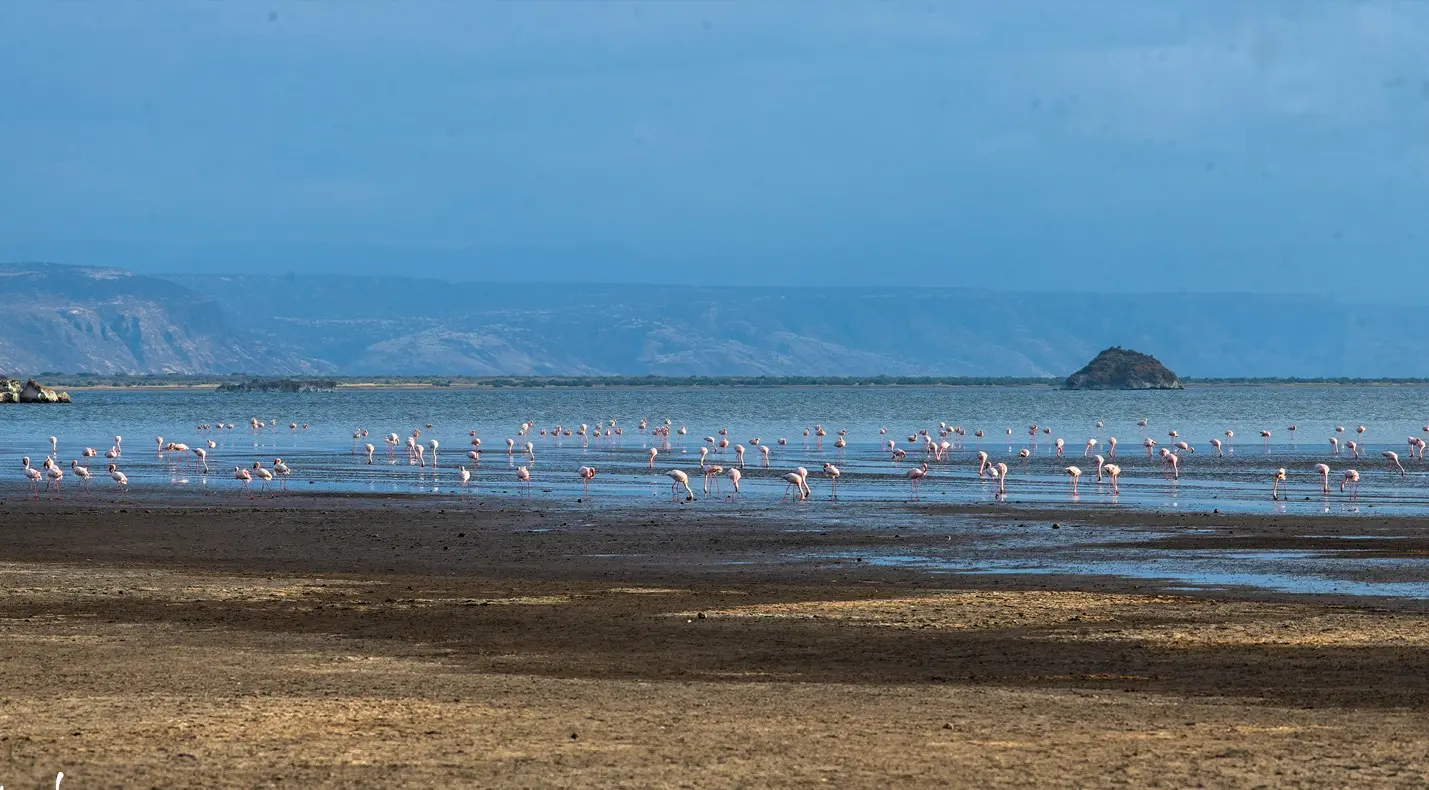
Lake Natron brings together several experiences that rarely appear in the same destination. You can watch lesser flamingos along an alkaline lake, walk through a volcanic gorge to a waterfall, experience Maasai culture and look up at an active volcano.
The lake itself is shallow and highly alkaline. TAWA reports pH levels that can reach approximately 9.5–12, creating conditions that are difficult for most animals but particularly suitable for the organisms on which lesser flamingos feed. The surrounding landscape is equally important.
Salt crusts, volcanic rock, dry plains and the Rift Valley escarpment give the area a stark appearance. This is a destination for travelers who want something beyond the traditional game-drive safari.
The Lesser Flamingos
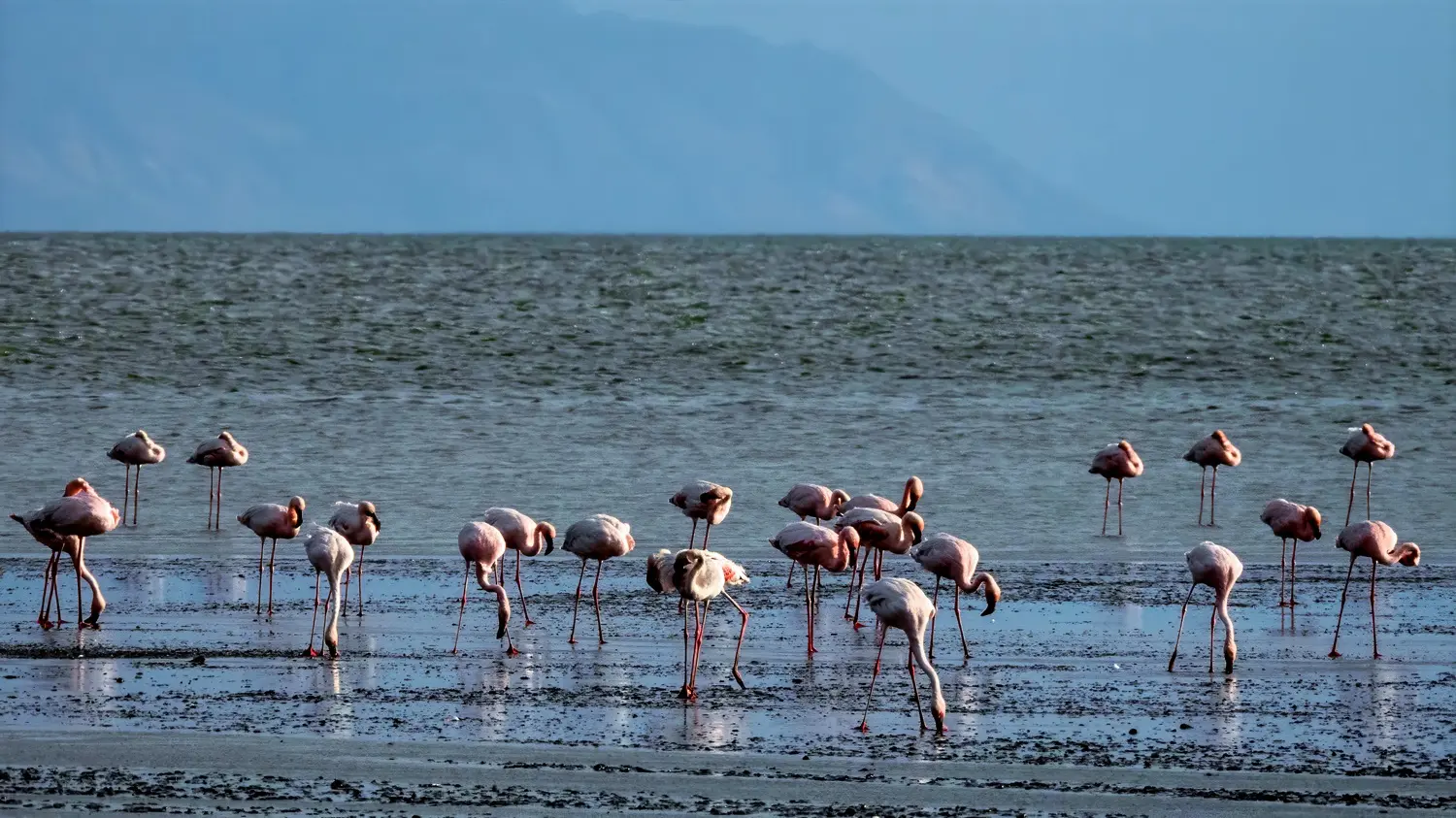
For many visitors, the flamingos are the main reason to come. Lake Natron is an exceptionally important breeding site for lesser flamingos. TAWA notes that East Africa supports roughly 1.5–2.5 million lesser flamingos and that most of them are hatched at Lake Natron.
The lake's extreme conditions help create a relatively safe environment for nesting. When conditions are right, the sight can be extraordinary. Thousands of flamingos can gather across the shallow waters and mudflats, creating a moving band of pink against the stark landscape. But flamingo numbers are not identical throughout the year.
Breeding is influenced by rainfall and lake conditions, so it is better to think of Lake Natron as an important flamingo destination rather than a place where a particular number of birds is guaranteed on every visit.
Why Flamingos Breed at Lake Natron
Lake Natron may look hostile, but that is exactly what makes it valuable to flamingos. The alkaline water supports blue-green algae and other microorganisms that provide food for the birds. At the same time, the lake's difficult conditions discourage many terrestrial predators from reaching nesting areas.
It suits travellers who want flamingos, photography and remoteness more than a classic Big Five tick list.
This creates an unusual relationship between the lake's harsh chemistry and its wildlife. The landscape may appear almost empty at first. Look more closely, however, and it becomes clear that the lake is supporting one of the most important bird populations in the region.
The Alkaline Lake & Salt Flats
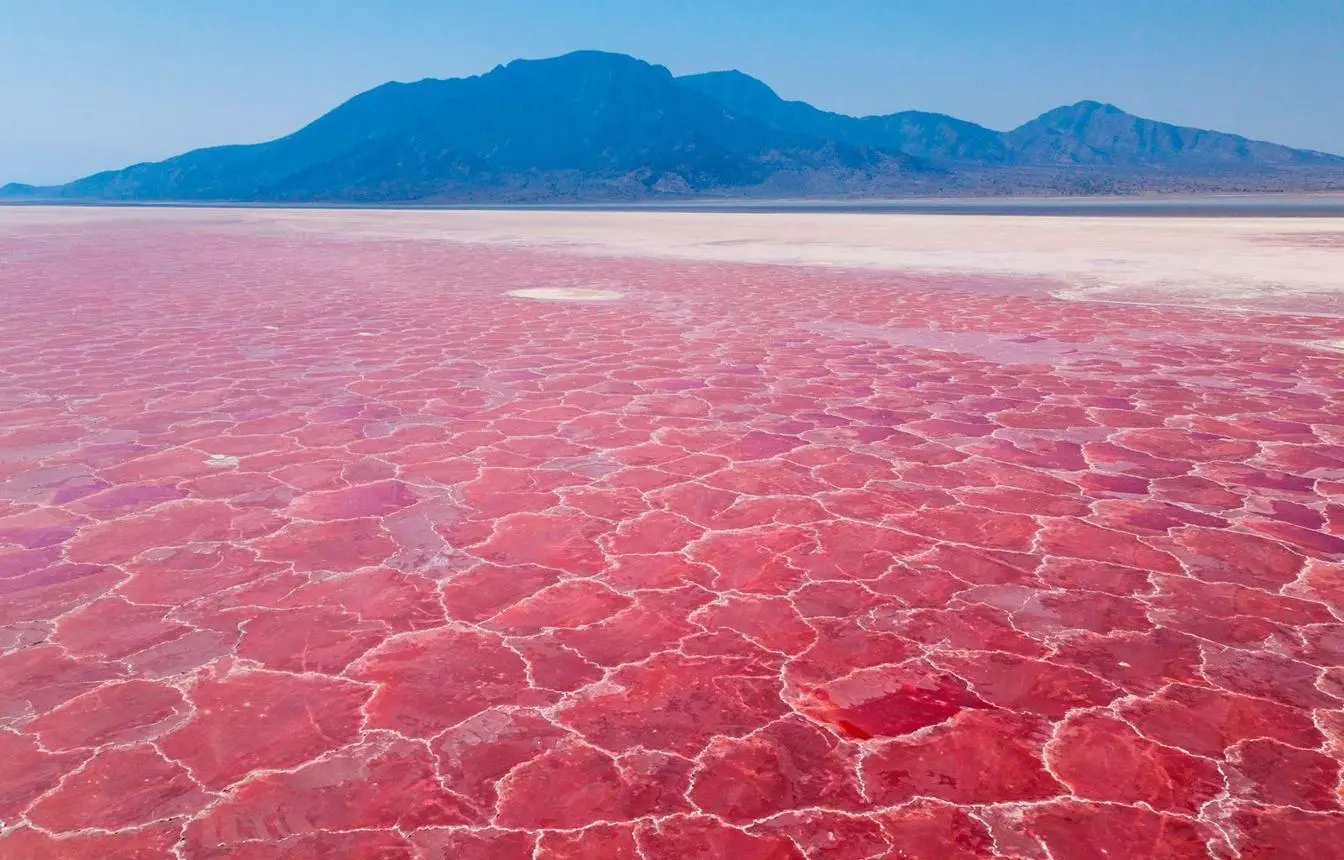
Lake Natron is shallow, salty and highly alkaline. Its water levels and appearance change with rainfall, evaporation and seasonal conditions.
At times, the surface can appear pink, orange or reddish because of microorganisms and the concentration of minerals in the water. The shoreline can also develop striking salt and mineral crusts. This is part of what makes Lake Natron such an interesting photography destination. The colors are not simply there for decoration.
They are a visible result of the unusual chemistry and biology of the lake. And despite the dramatic photographs you may see online, this is not a normal swimming lake. Its highly alkaline water requires visitors to follow local guidance and stay within appropriate viewing areas.
Ol Doinyo Lengai — Mountain of God
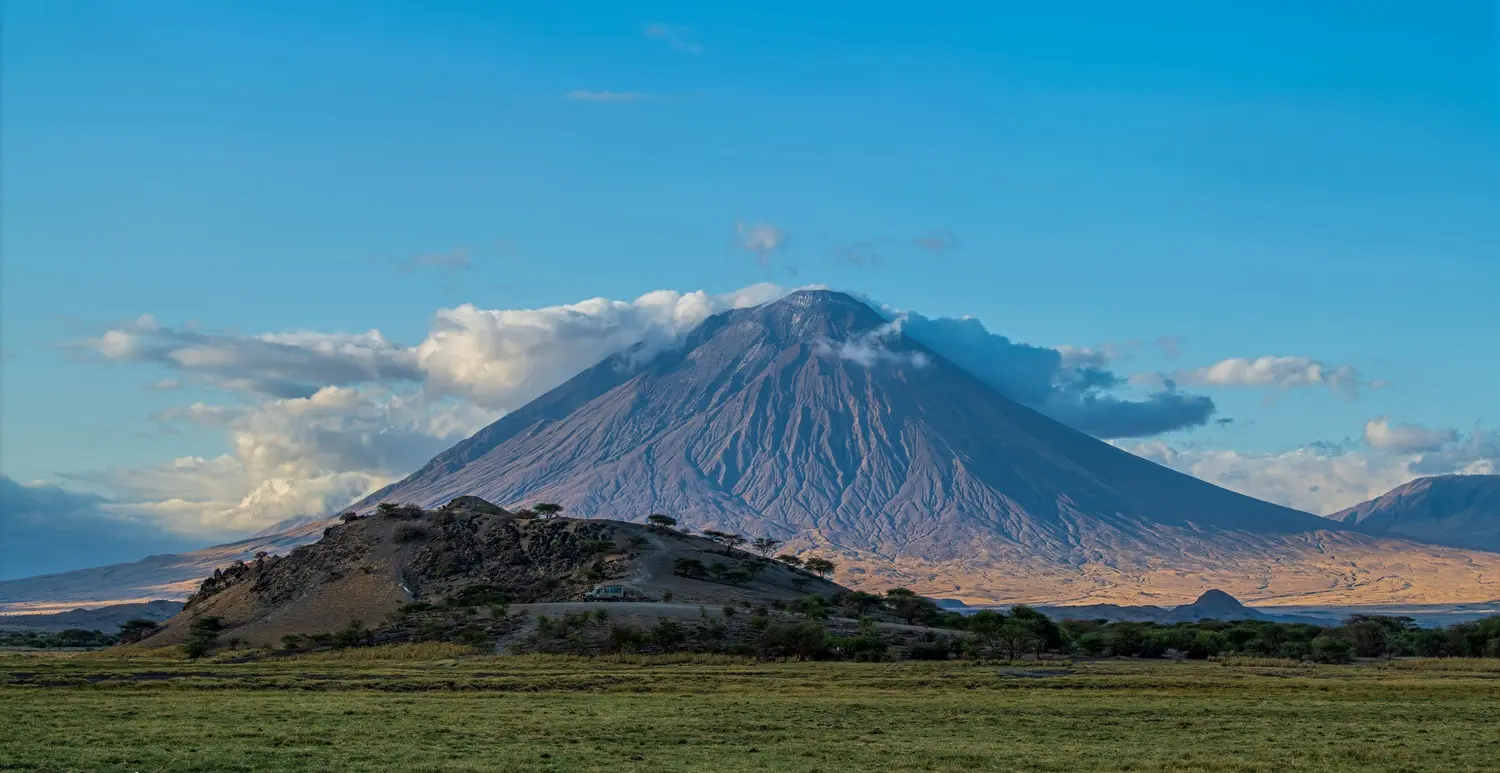
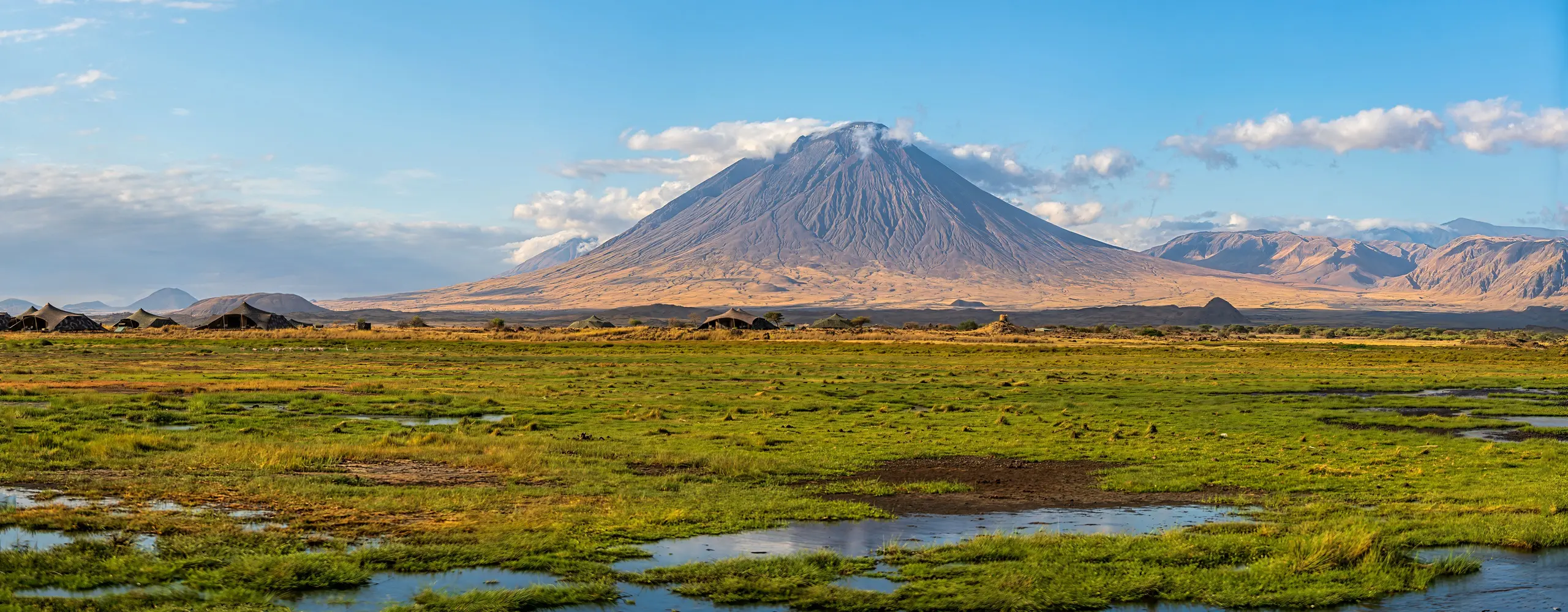
Rising above Lake Natron is Ol Doinyo Lengai. The name comes from the Maasai language and is commonly translated as “Mountain of God.” For the Maasai communities living around the area, the volcano has cultural and spiritual importance. Geologically, it is also remarkable.
Ol Doinyo Lengai is an active volcano and is unusual because it erupts natrocarbonatite lava, a rare type of volcanic material associated with carbonatite volcanism. TAWA identifies it as the only active mountain in Tanzania and highlights its volcanic activity as one of the area's attractions.
From the lake basin, the volcano dominates the horizon. It gives Lake Natron an identity that few other Tanzanian destinations can match.
Climbing Ol Doinyo Lengai
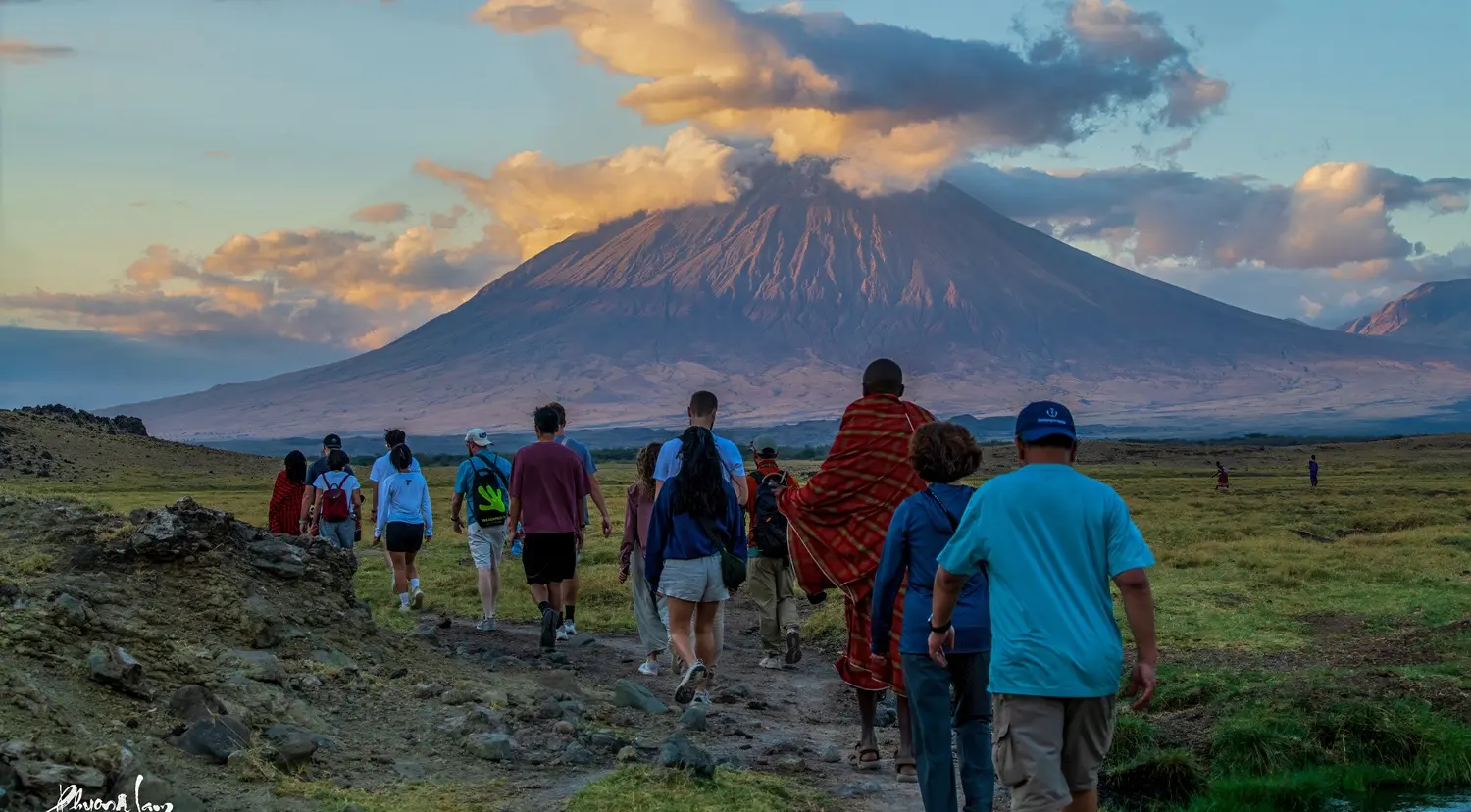
Climbing Ol Doinyo Lengai is a very different experience from a normal safari activity. The ascent is steep and demanding, and many climbs begin during the night so that hikers can reach higher elevations around sunrise. The terrain includes loose volcanic ash, rock and steep sections. It should not be approached as a casual hike. A local mountain guide is essential, and current volcanic conditions should always be checked before climbing. The reward is the landscape. From higher elevations, you can look across the Rift Valley toward Lake Natron and the surrounding volcanic terrain as the first light reaches the landscape. For experienced hikers, it can be one of the most memorable ways to experience northern Tanzania.
It suits travellers who want flamingos, photography and remoteness more than a classic Big Five tick list.
Full article depth is in progress. Topy Tours treats Natron as a deliberate extension — one or two nights when your circuit can absorb the road time.
Engare Sero Waterfalls
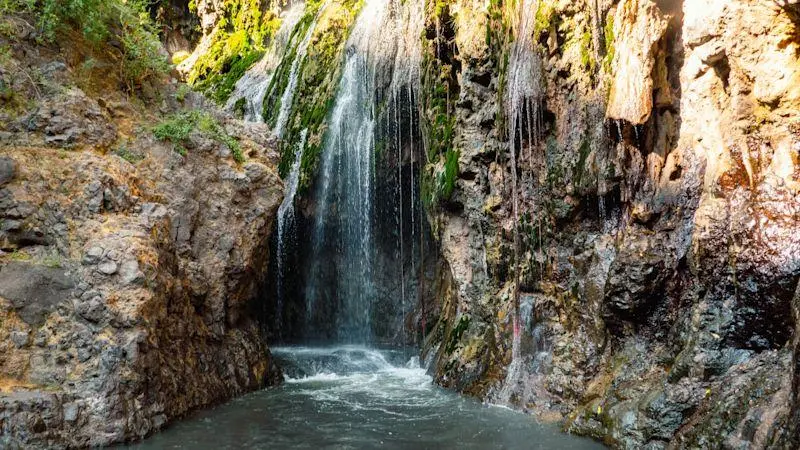
After the heat and dryness of Lake Natron, the Engare Sero waterfalls feel almost unexpected. The route follows a gorge toward spring-fed waterfalls and natural pools. The hike involves walking over rocks and, depending on conditions and route, getting into water. It is a good contrast to the open lake landscape. Instead of staring across salt flats, you are moving through shaded volcanic rock with water running through the gorge. TAWA lists the waterfalls around Engaresero among the area's tourism attractions and notes opportunities for swimming and nature appreciation. Bring footwear that can handle wet and slippery surfaces.
Maasai Culture Around Lake Natron

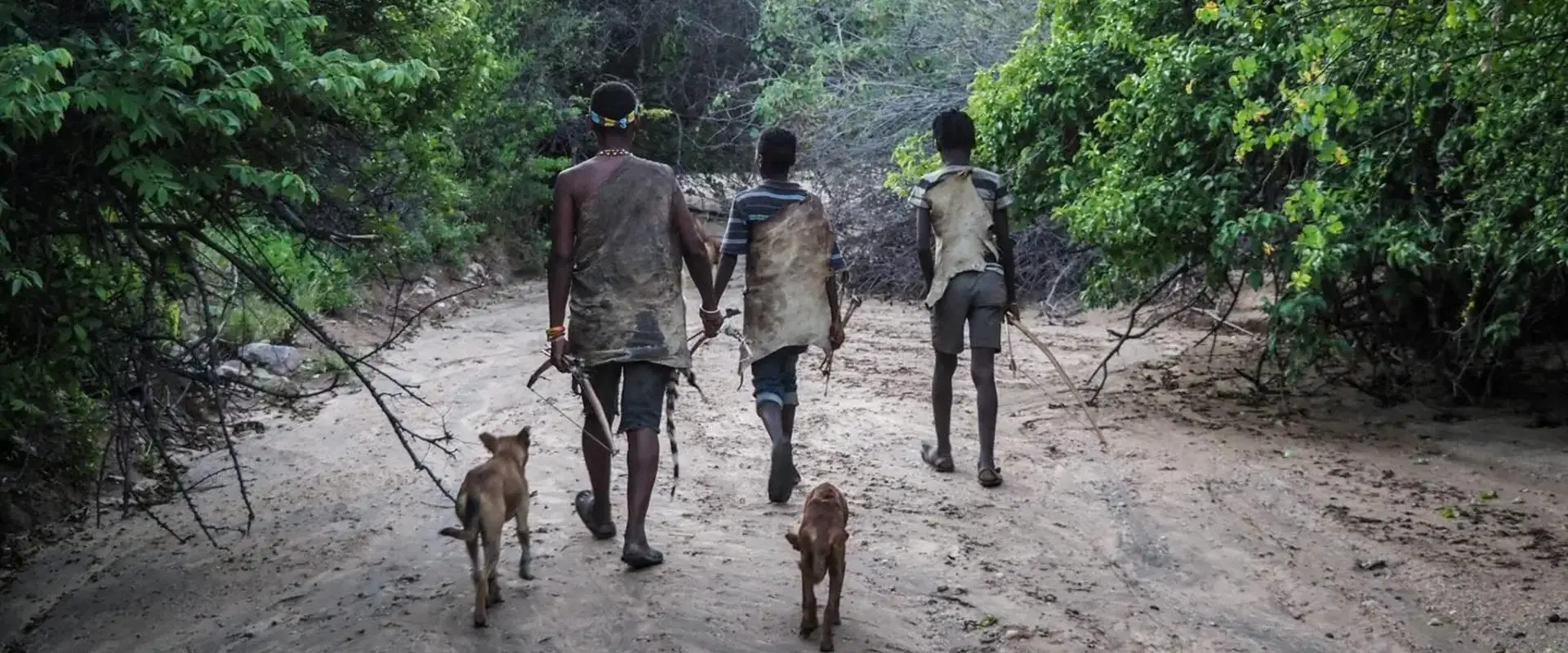
Lake Natron is also a place where the landscape and local culture are closely connected. Maasai communities live around the wider area, and local cultural experiences can introduce visitors to pastoral life, traditional homes, crafts, food, stories and other aspects of community life.TAWA identifies cultural attractions around Lake Natron including traditional houses, handicrafts, clothing, food, medicine, dances, songs and local markets.
As with Lake Eyasi, the quality of the experience depends heavily on how it is arranged. A good cultural visit should feel like a respectful exchange rather than a staged performance.
Ask before taking photographs. Listen to local guides. And remember that you are visiting people's homes and communities, not entering a theme park.
Wildlife & Birdlife
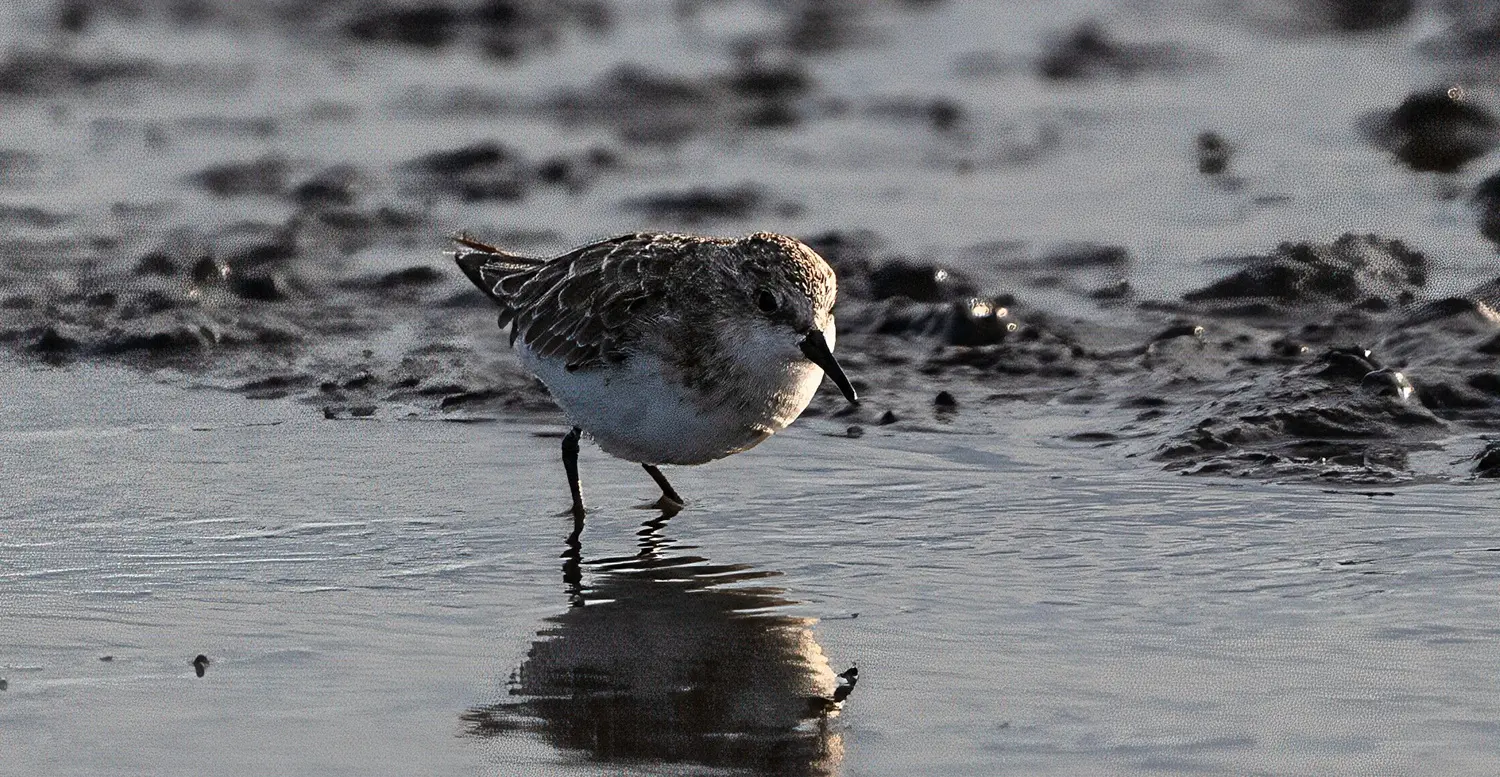
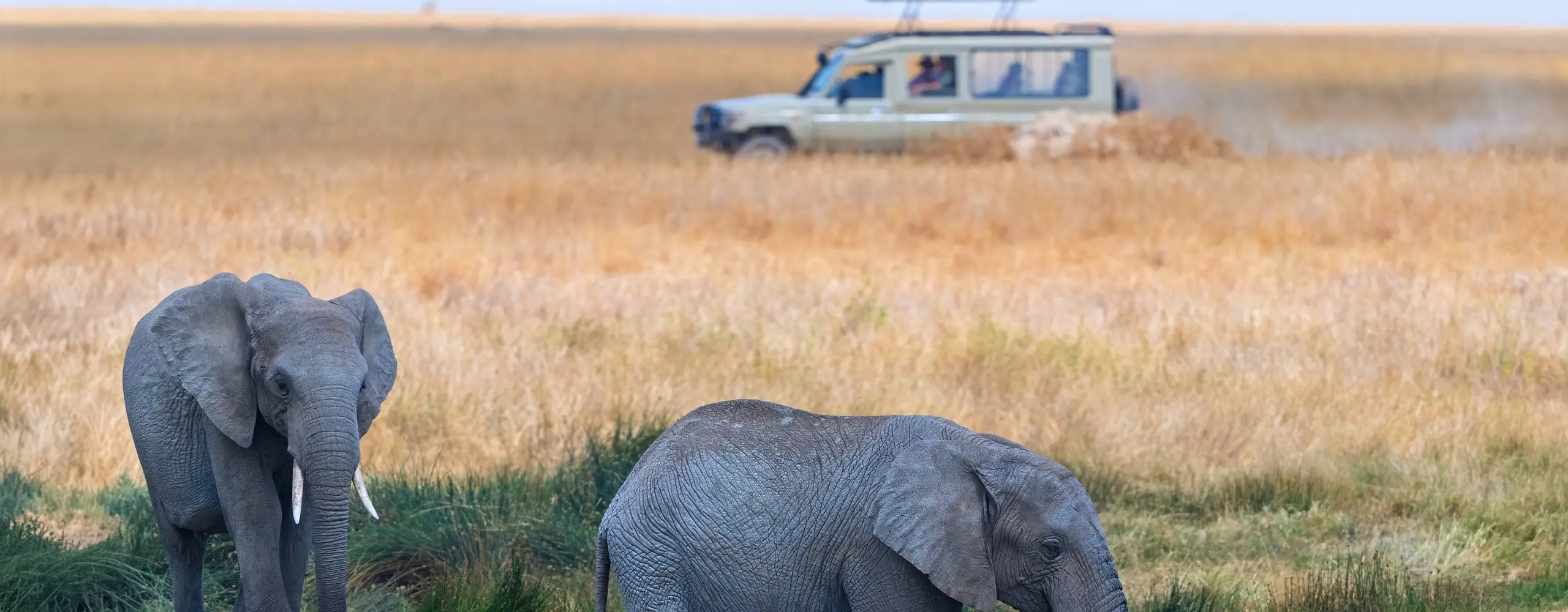
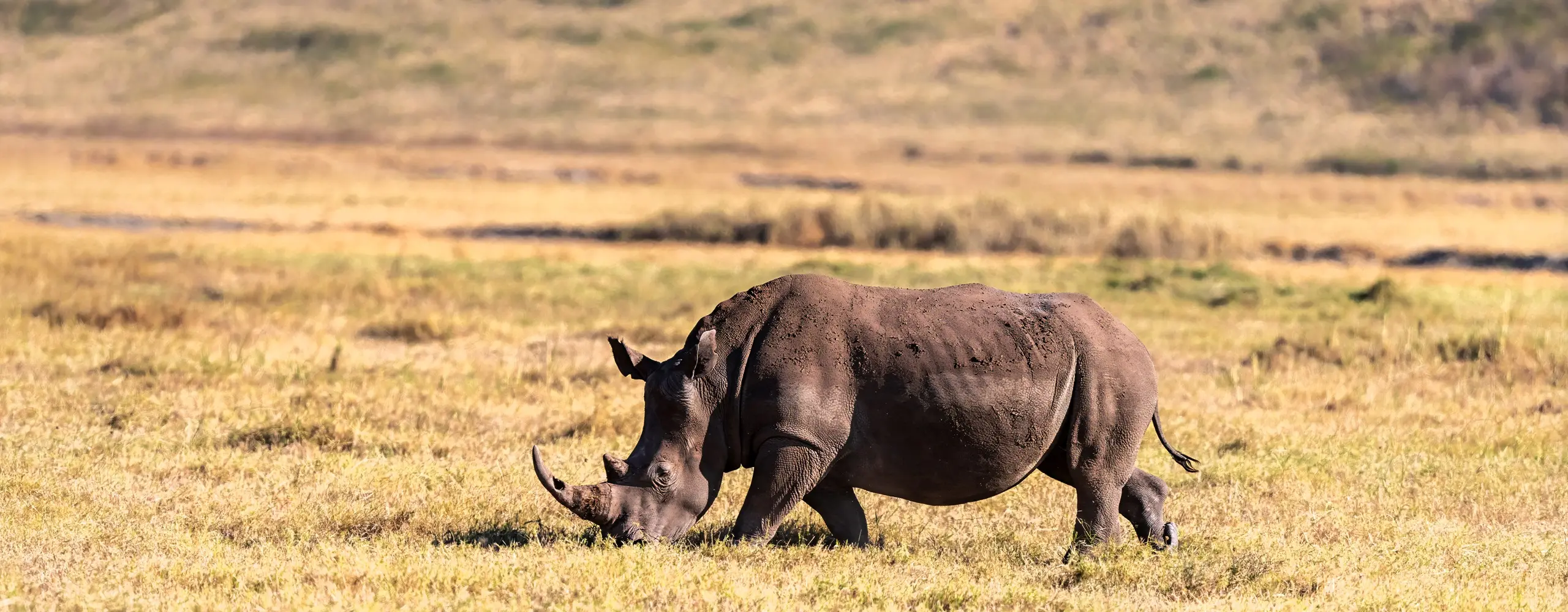
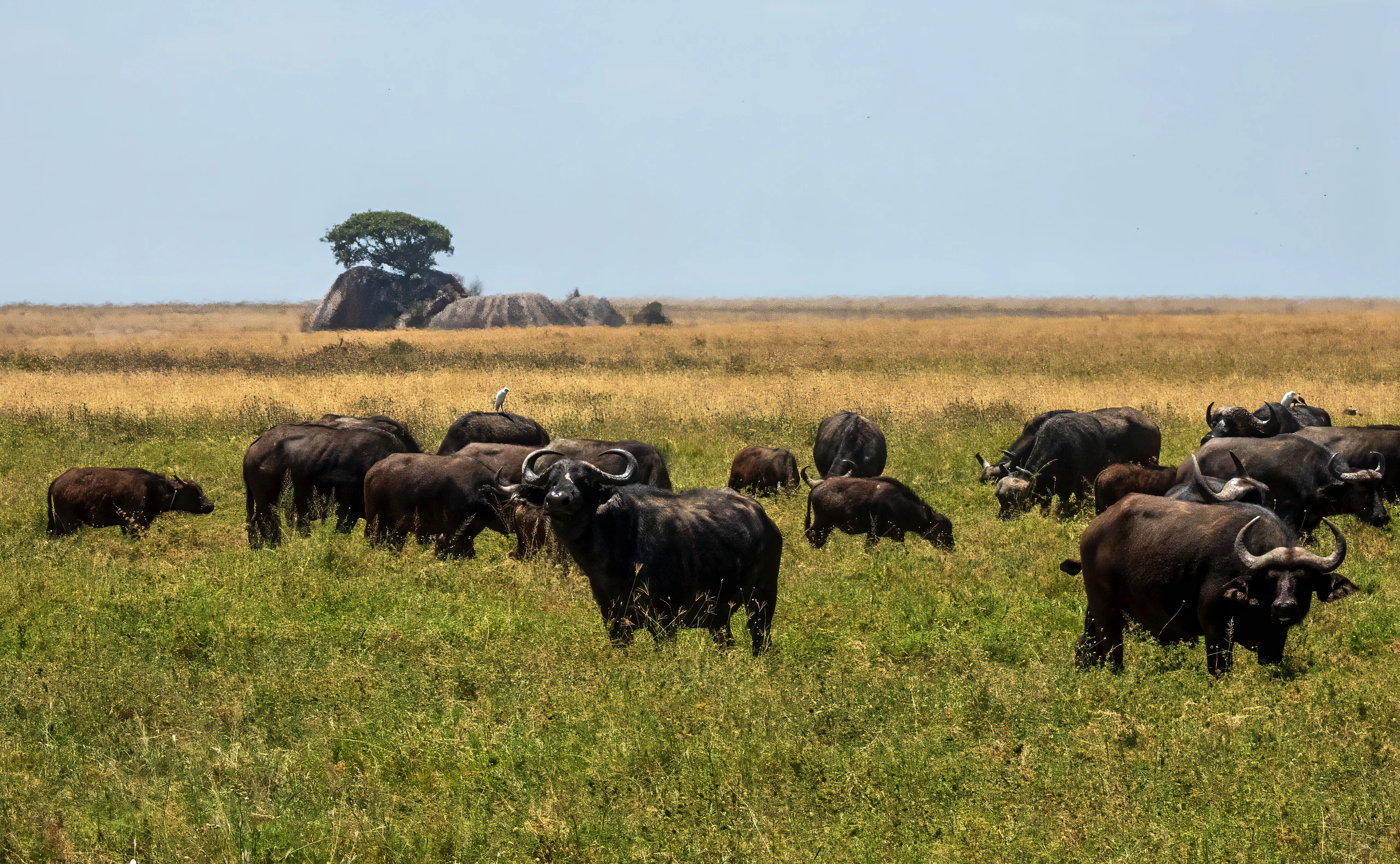
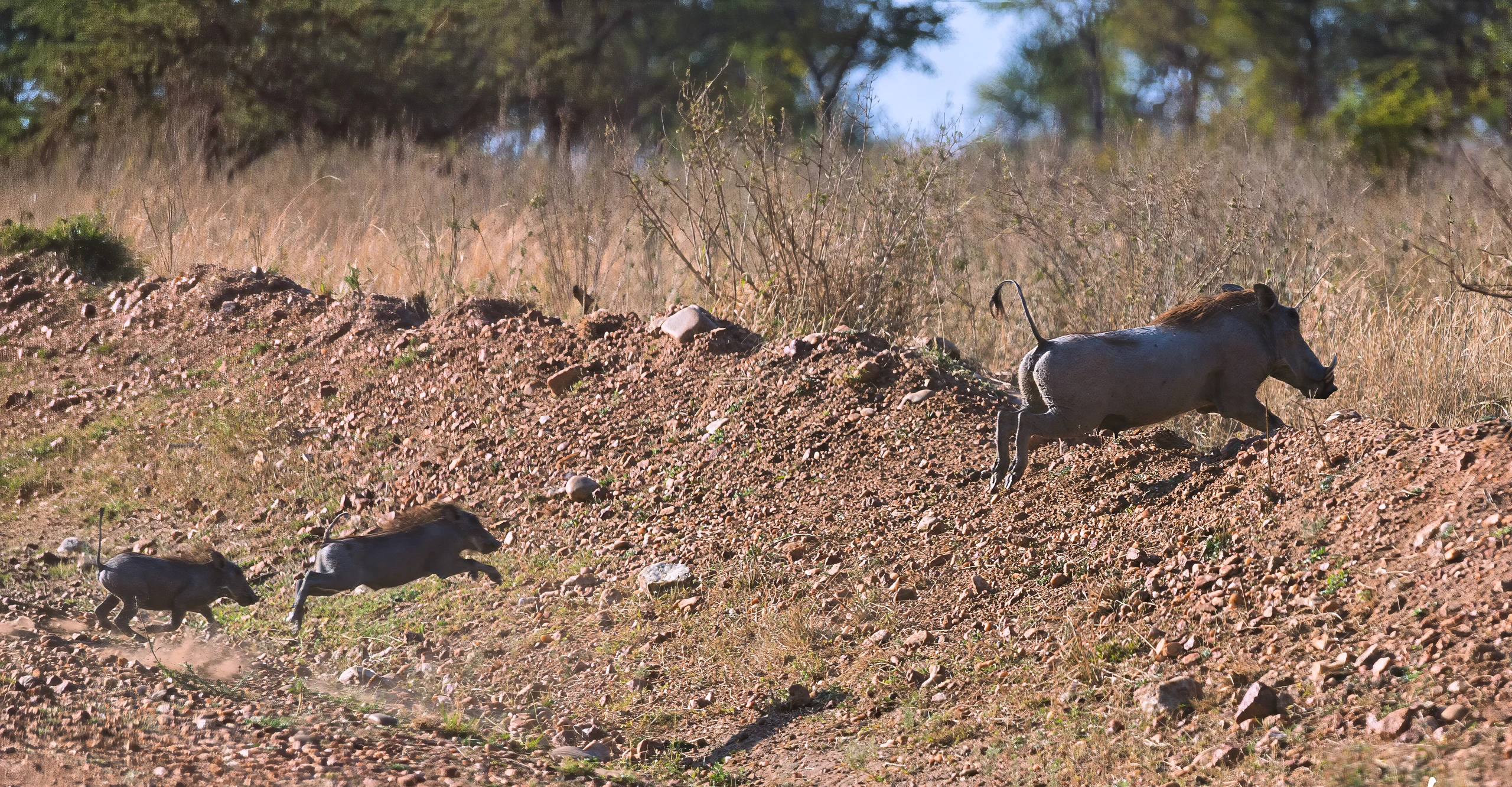
Lake Natron is not primarily a Big Five destination. Its wildlife experience is centered more strongly on birds, landscapes and the surrounding ecosystem.
TAWA lists flamingos, pelicans, geese and other birdlife among the attractions of the area. The wider Lake Natron Game Controlled Area also supports mammals including giraffes, zebra, wildebeest, buffalo, eland, oryx, impala and other wildlife. The experience, however, is not comparable to a Serengeti game drive. Come for the combination of flamingos, geology, walking and culture rather than expecting large predator sightings.
Walking & Hiking
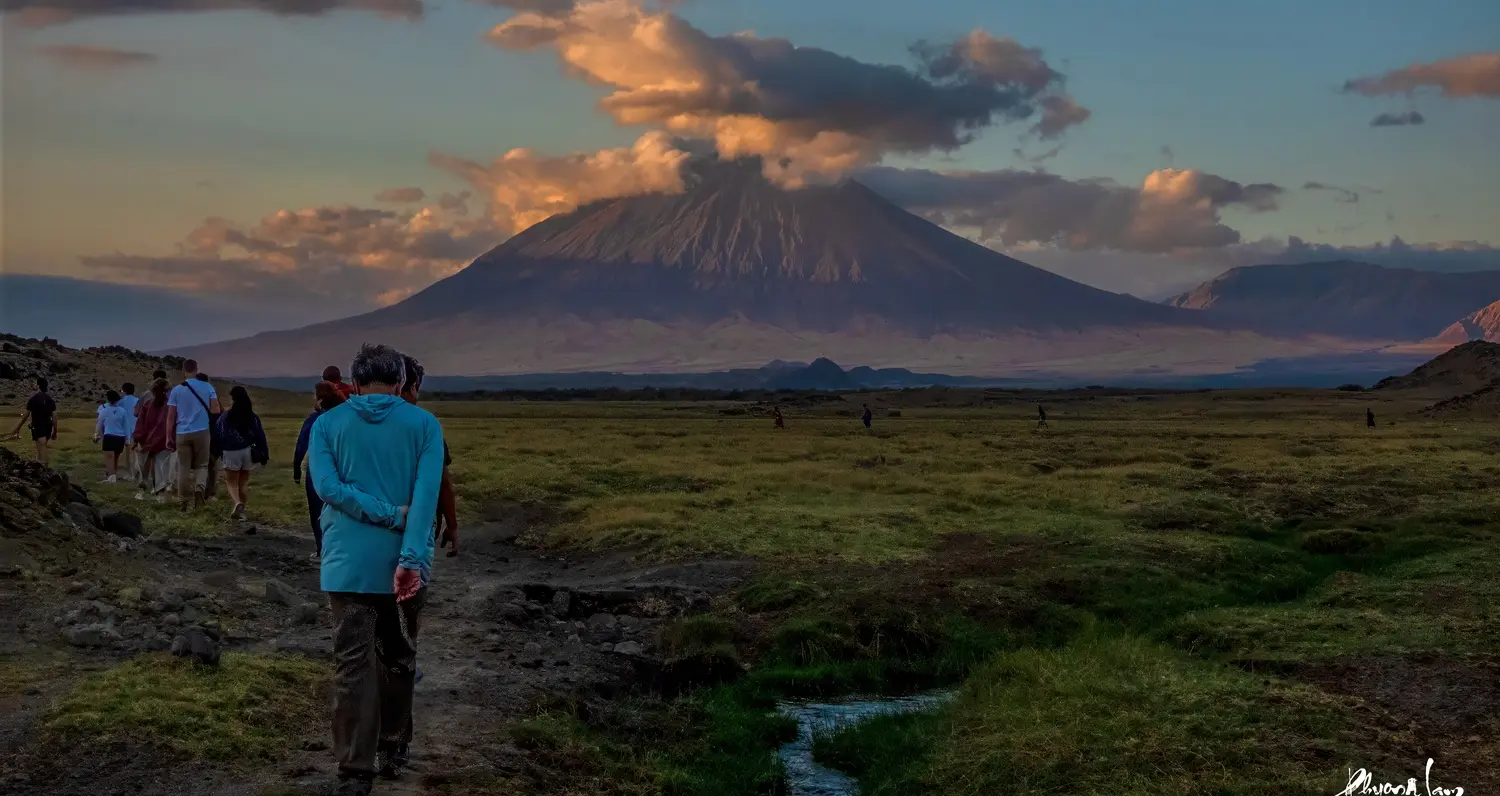
Walking is one of the best ways to experience Lake Natron. The landscape is too interesting to appreciate entirely through a vehicle window. Depending on your itinerary, you can walk around parts of the lake, explore the Engare Sero gorge, visit cultural sites or take on the much more demanding climb of Ol Doinyo Lengai. Walking also gives you a better sense of scale. The lake, volcanoes and Rift Valley walls can feel enormous when you are moving through the landscape on foot. Use a local guide and follow the designated routes, particularly around the lake and culturally sensitive areas.
Ancient Footprints & Geological Landscapes
The surrounding region contains archaeological and geological features that provide clues about the area's much longer history. TAWA lists ancient hominid footprints among the area's attractions, alongside craters, caves, canyons and other Rift Valley geological features. These sites add another dimension to a visit. You begin with the present-day lake and its flamingos, then start seeing the landscape as part of a much older geological and human story.
Best Time to Visit Lake Natron
Lake Natron can be visited at different times of the year, but conditions vary considerably.The most important thing is to think about what you want to do.
June–October
The dry season generally provides more predictable road conditions. The weather is hot, dry and often excellent for landscape photography. This is also a popular period for flamingo viewing and volcano trekking, although actual breeding conditions depend on rainfall and lake conditions.
November–December
The short rains can bring changes to the landscape and surrounding vegetation. The lake may begin receiving more water, and the surrounding plains can become greener.
January–March
This period can be particularly interesting for birdlife and changing lake conditions. Flamingo breeding can occur at different times depending on rainfall and environmental conditions rather than following one rigid calendar.
April–May
The long rains can make access more difficult. Roads may become muddy, and some activities may be affected by weather. If you are visiting during this period, flexibility is important.
Where To Stay
Accommodation around Lake Natron is more limited than around Arusha, Karatu, Ngorongoro and Serengeti. There are camps and lodges around the lake and near Engaresero. For most visitors, staying locally makes much more sense than trying to visit Lake Natron as a rushed day trip. The location of your accommodation matters because many activities begin early. If you are planning a flamingo walk or Ol Doinyo Lengai climb, staying near the activity can make the experience considerably easier.
How to Get to Lake Natron
The journey is generally made by road, often using a capable 4×4 safari vehicle. Road conditions can vary considerably depending on rainfall. That is one reason it is useful to travel with an operator who knows the current route and local conditions. There are also small airstrips serving the wider area, but most visitors incorporate Lake Natron into a road-based itinerary. The journey itself is part of the experience as the landscape becomes progressively more remote.
What To Pack
Lake Natron can be extremely hot, and the combination of sun, dust and walking means practical clothing matters.
- Lightweight breathable clothing
- Neutral-colored clothing
- Wide-brimmed hat
- Sunglasses
- High-SPF sunscreen
- Reusable water bottle
- Comfortable walking shoes
- Shoes that can get wet for the waterfall hike
- Small daypack
- Binoculars
- Camera
- Extra batteries or power bank
- Insect repellent
- Headlamp for overnight volcano trekking