Lake Eyasi overview
Lake Eyasi feels very different from the famous safari destinations nearby. There are no endless Serengeti plains, no busy wildlife-viewing circuit and no long list of Big Five sightings to tick off.
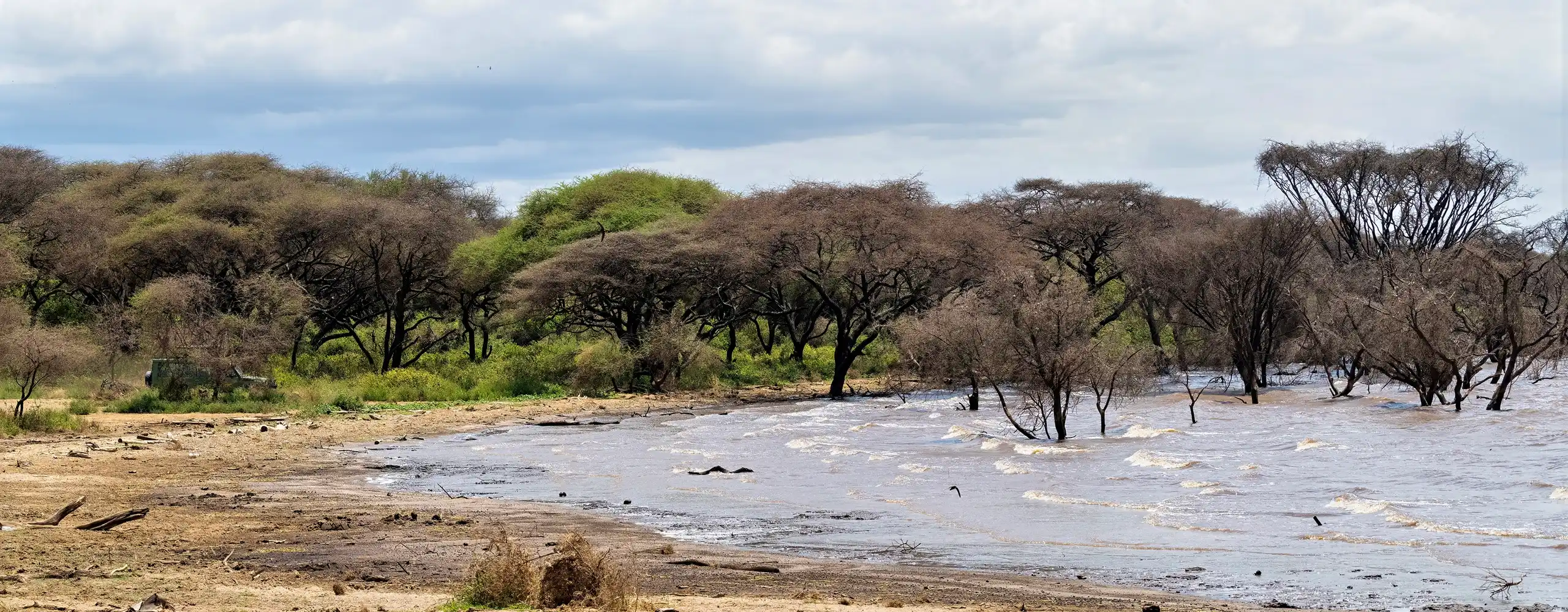
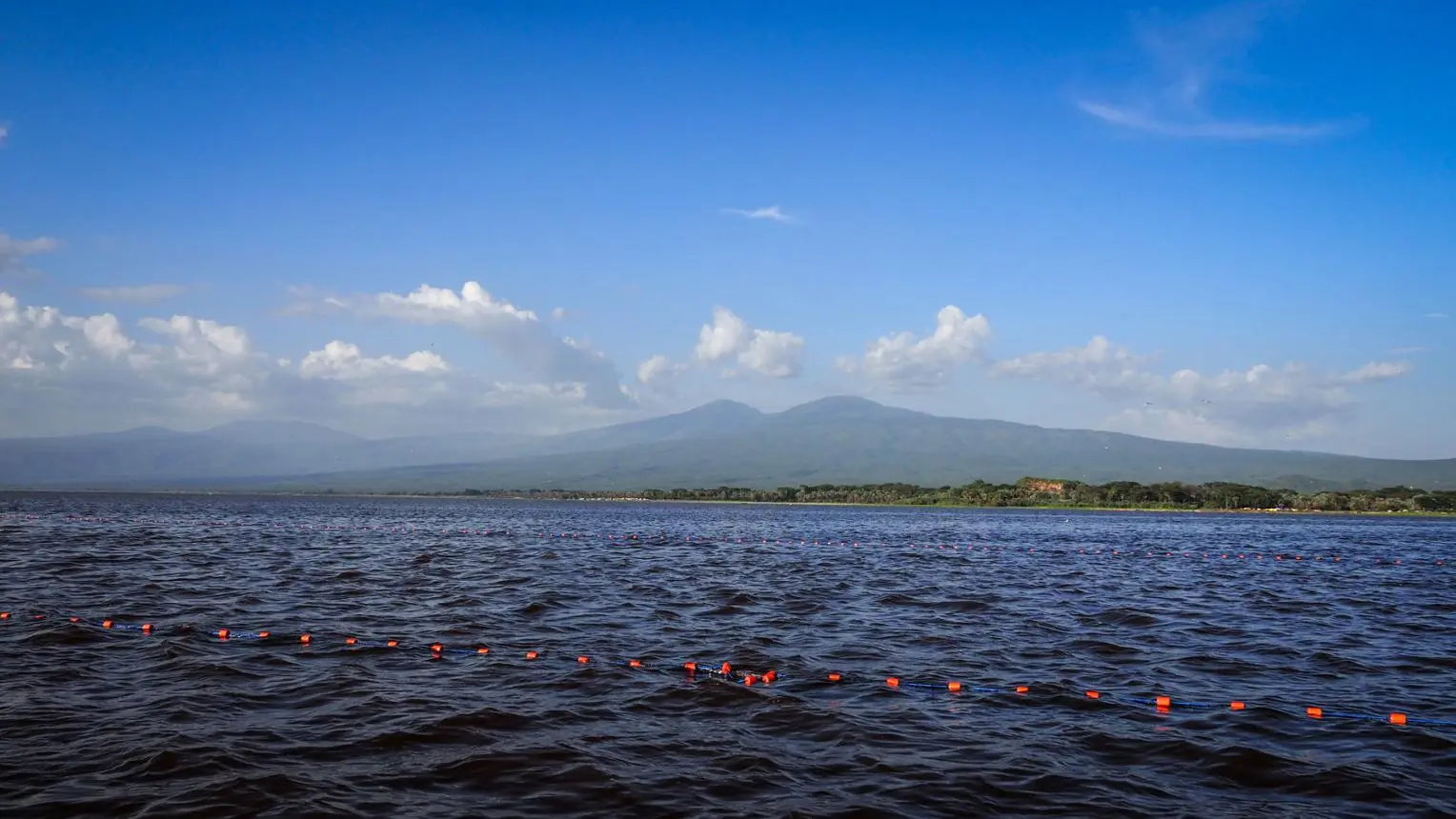
Instead, Lake Eyasi takes you into a quieter part of northern Tanzania, where the landscape is shaped by the Great Rift Valley and where local communities have a deep connection with the surrounding bush. The lake itself is shallow and seasonal. Its appearance changes considerably with rainfall, sometimes holding water and attracting birds, and at other times shrinking back to broad stretches of dry lakebed. But for most travelers, the lake is only part of the story.
The main reason to come here is to spend time with the Hadzabe and Datoga communities and learn about different ways of living in this dry Rift Valley environment. That makes Lake Eyasi one of the most distinctive cultural additions to a Northern Tanzania safari.
What Makes Lake Eyasi Special?
Lake Eyasi offers something that the major safari parks cannot provide in the same way: a much stronger focus on people and local ways of life. The area is home to the Hadzabe, a hunter-gatherer community, and the Datoga, who are traditionally pastoralists and are also known for metalworking and blacksmithing.
A visit can include time with local guides, learning about traditional skills, walking through the surrounding bush and visiting Datoga craftspeople. The experience can feel very different from a normal safari day.
Instead of sitting in a vehicle waiting for an animal to appear, you are learning how people read the landscape, find useful plants, work metal, make tools and adapt to a dry environment. That human connection is what makes Lake Eyasi worth adding to the itinerary.
The Hadzabe
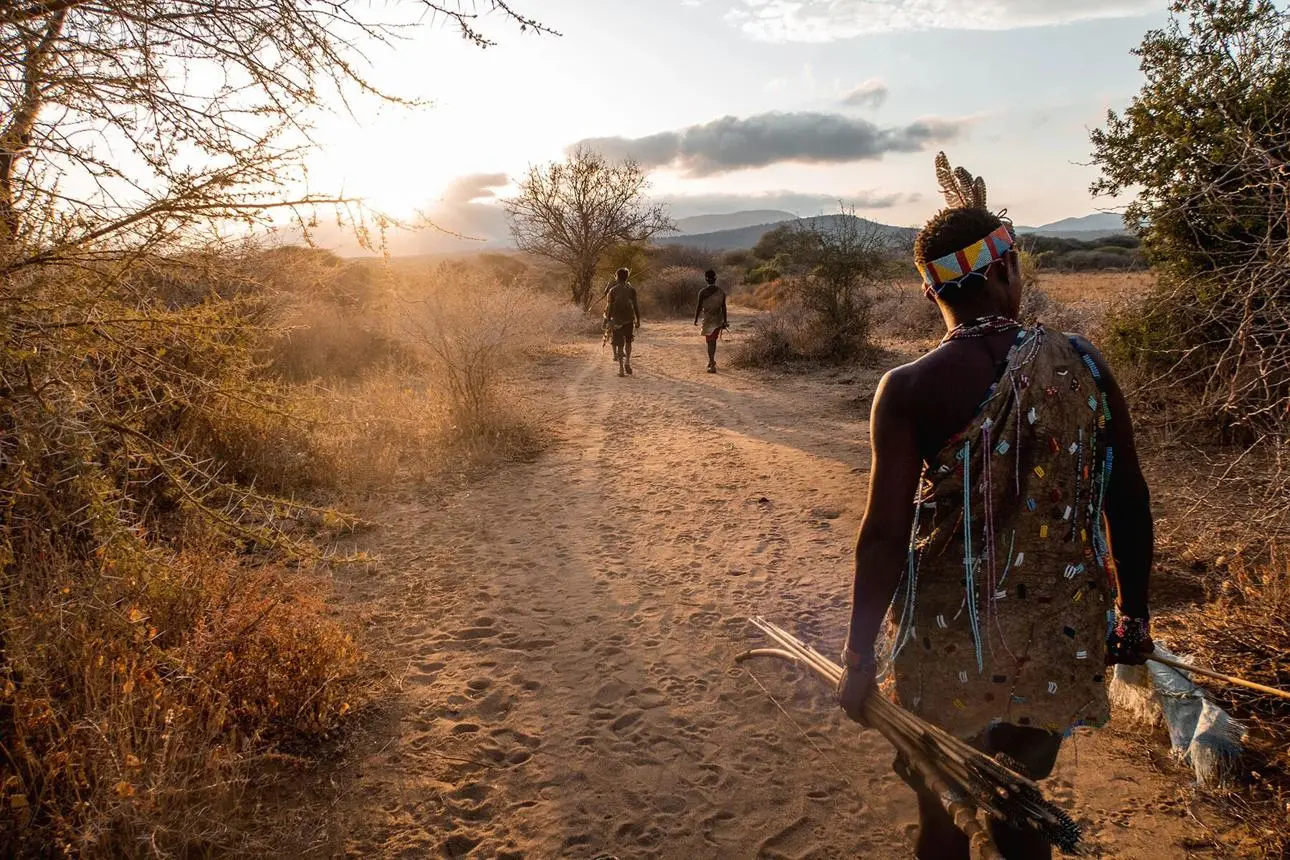
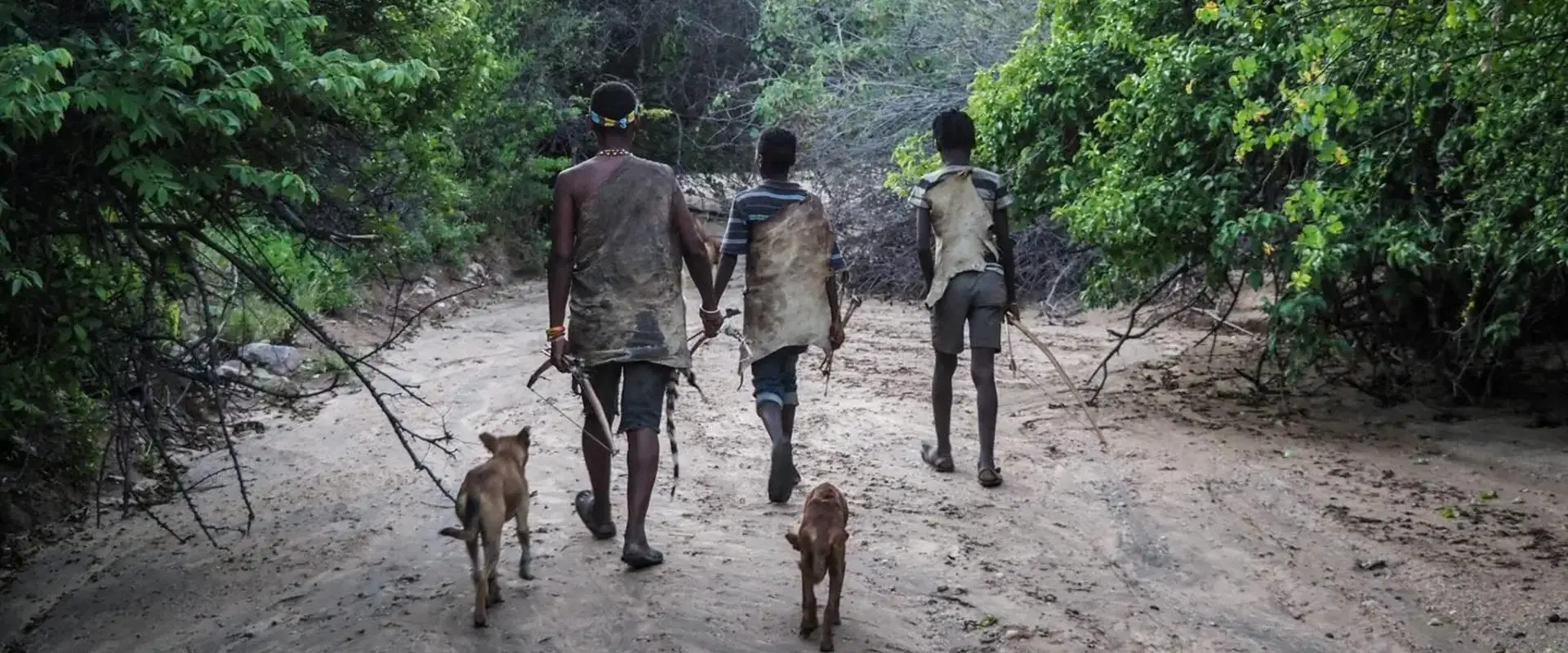
The Hadzabe, also known as the Hadza, are one of the best-known hunter-gatherer communities in Tanzania. Their traditional way of life is closely connected to the bush around Lake Eyasi, and their language is distinctive for its click sounds. A cultural visit may introduce travelers to aspects of traditional hunting, gathering, fire-making, tracking and knowledge of local plants and animals.
The important thing is to approach the experience as a meeting with real people rather than a performance arranged purely for tourists. The Hadzabe are not an attraction to be photographed from a distance. A good visit gives travelers the opportunity to listen, ask respectful questions and understand how the community relates to its environment.
A Morning With the Hadzabe
The early morning is often the most memorable time to visit. A typical experience begins before the day becomes hot, with a local guide accompanying visitors into the surrounding bush. You may learn how tracks are interpreted, how useful plants are identified and how traditional hunting knowledge is passed between generations. The experience is active rather than simply observational.
You are walking through the same landscape where local knowledge has developed over generations. What happens on a particular morning can vary. Wildlife movement, weather and the community's daily activities are never completely predictable.
That is part of the appeal. Rather than expecting a scripted demonstration, arrive with the expectation that you are being invited into a small part of someone's everyday world.
The Datoga
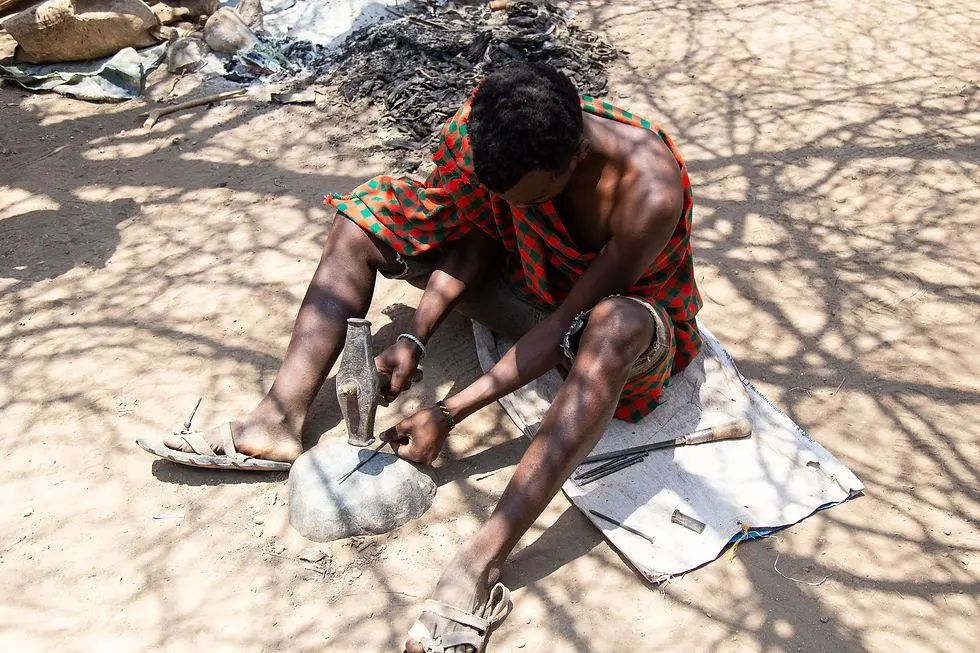
The Datoga are another important community around Lake Eyasi. Traditionally pastoralist, they have their own cultural traditions and a strong reputation for metalworking and craftsmanship.
A visit to a Datoga community can provide a completely different perspective from the Hadzabe experience. Where the Hadzabe visit often focuses on bush knowledge, hunting and gathering, a Datoga visit can introduce travelers to pastoral life, traditional crafts and blacksmithing.
Experiencing both communities can make Lake Eyasi much more meaningful because you begin to see how different communities have developed different ways of adapting to the same broader environment.
Datoga Blacksmiths & Traditional Crafts
Traditional blacksmithing is one of the most interesting experiences around Lake Eyasi. Datoga craftspeople work metal to create tools, jewelry and other useful objects. Watching the process gives you a chance to see the skill involved in turning raw metal into something practical by hand.
It is also a good opportunity to understand that cultural tourism does not have to be about watching a ceremony. Sometimes the most interesting experiences are simple. A craftsperson working at a forge, a conversation with a local guide or an explanation of how an everyday object is made can tell you more about a community than a staged performance ever could.
Lake Eyasi & the Great Rift Valley
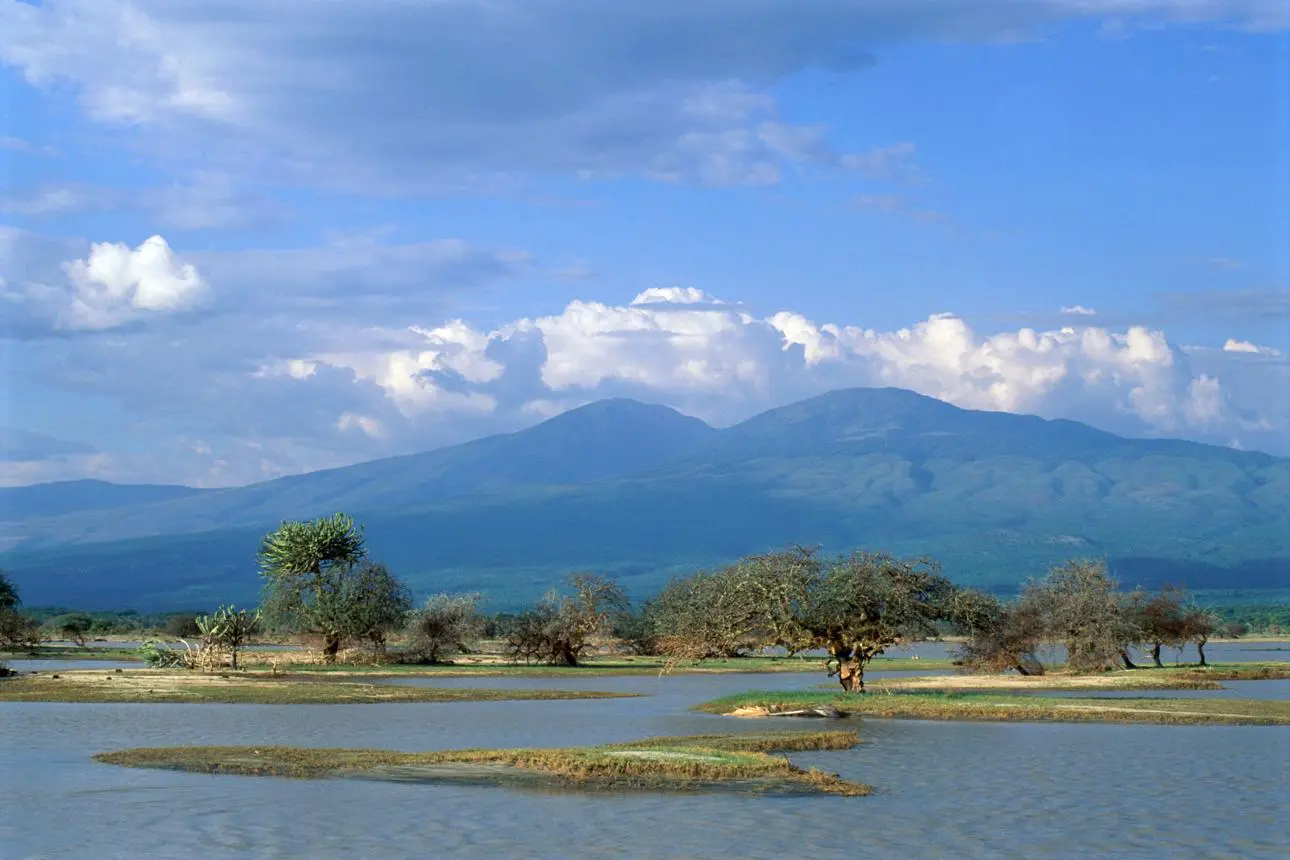
The landscape around Lake Eyasi is part of the Great Rift Valley. Compared with the lush highlands around Ngorongoro, the area can feel much hotter, drier and more open. Acacia and thorn vegetation dominate many areas, while palms and other vegetation can appear around the lake.
The landscape changes dramatically with rainfall. When water reaches the lake, the shoreline can attract flamingos and other waterbirds. During drier periods, the lake can retreat substantially and expose broad areas of dry lakebed. This seasonal change is part of what gives Lake Eyasi its character.
Wildlife & Birdlife
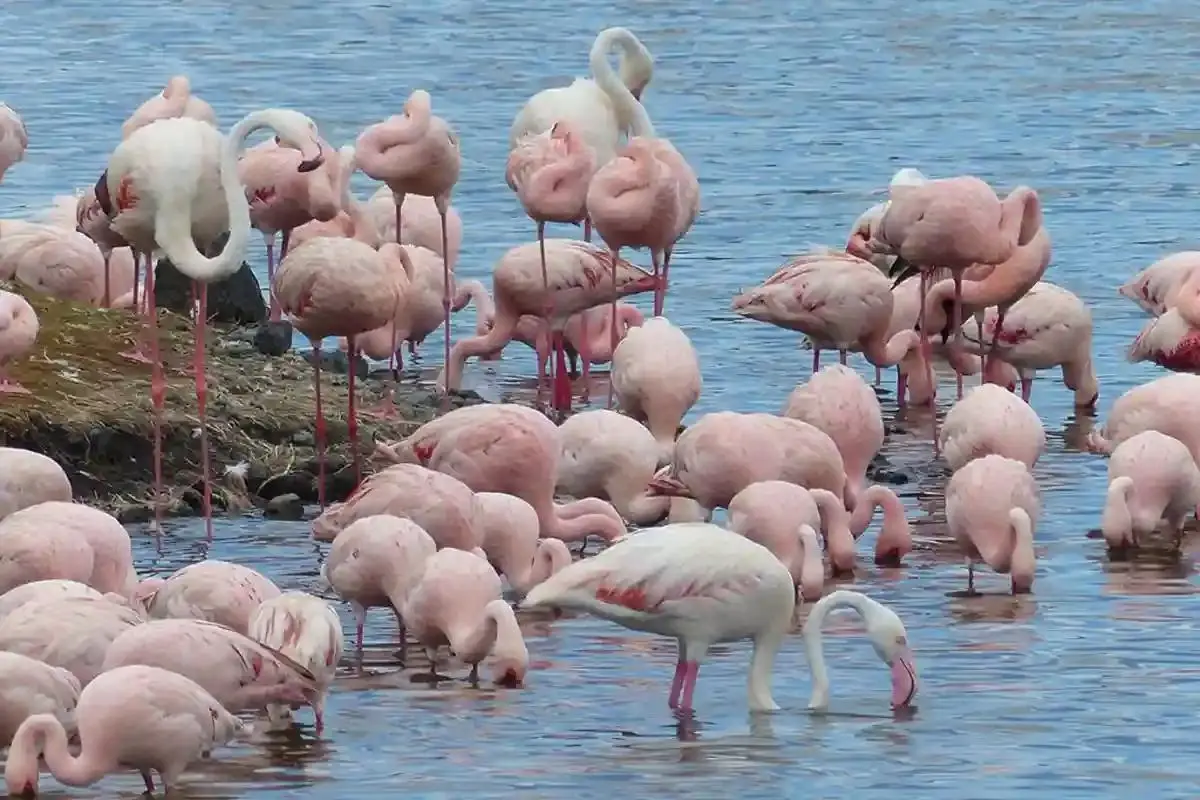
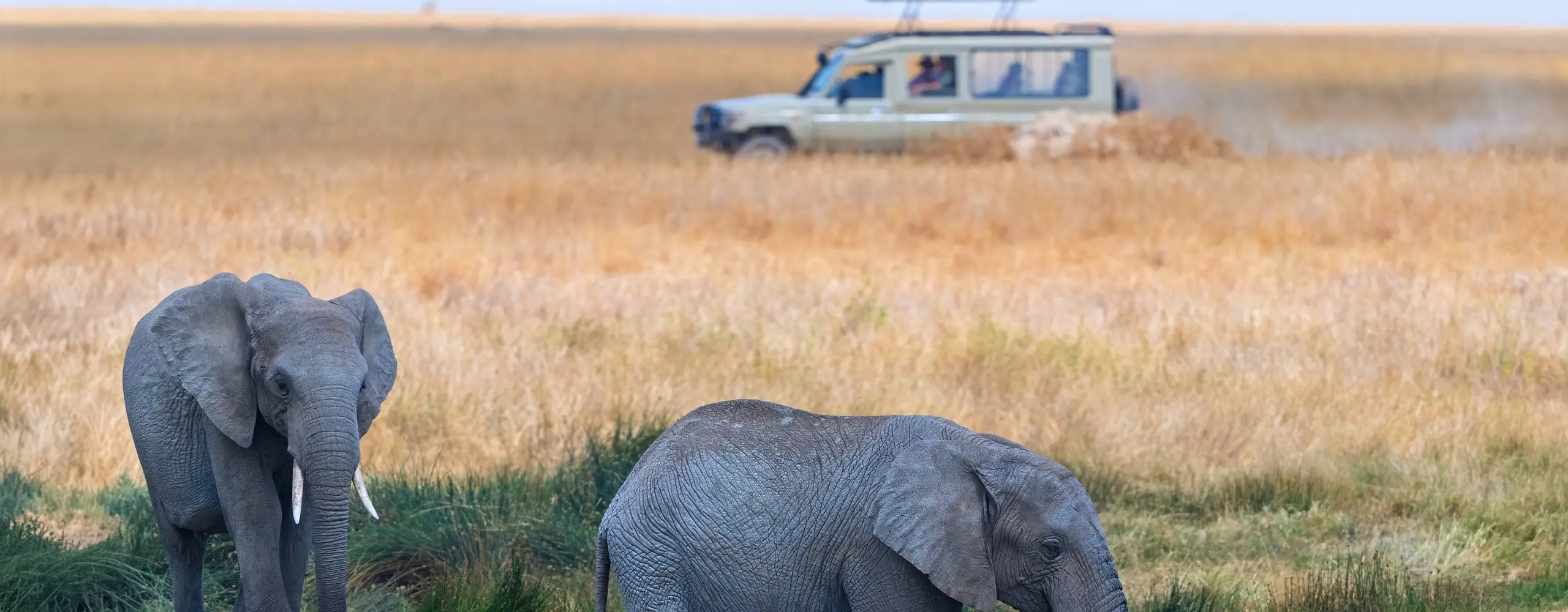
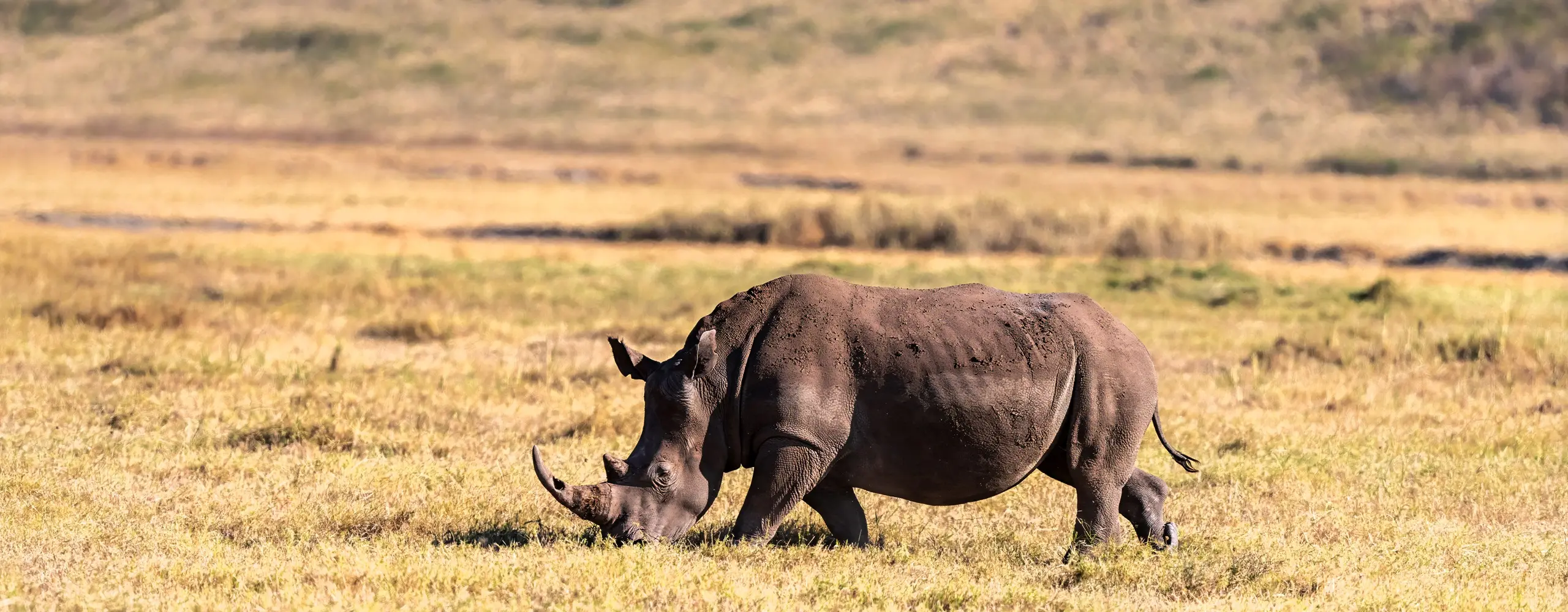
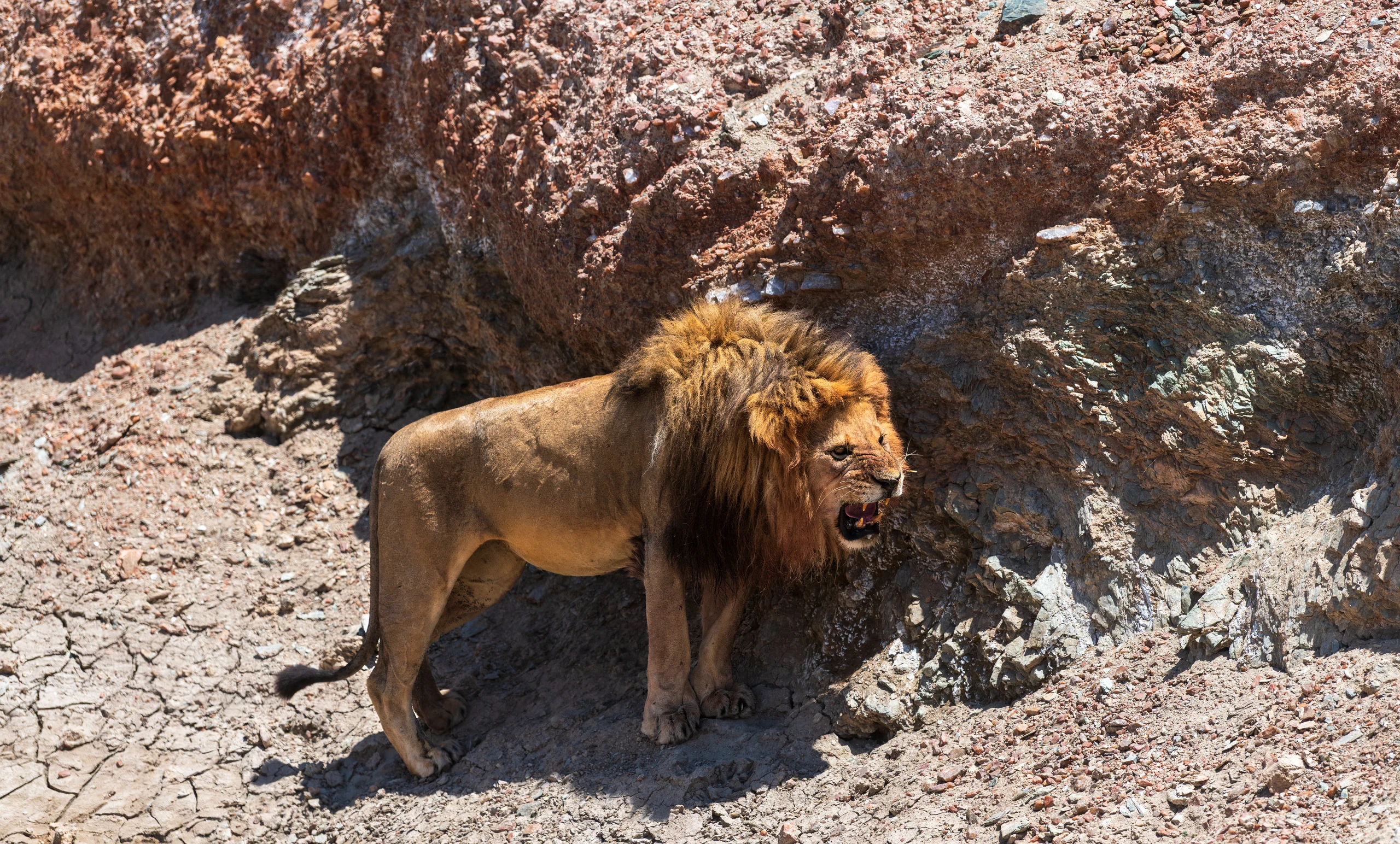
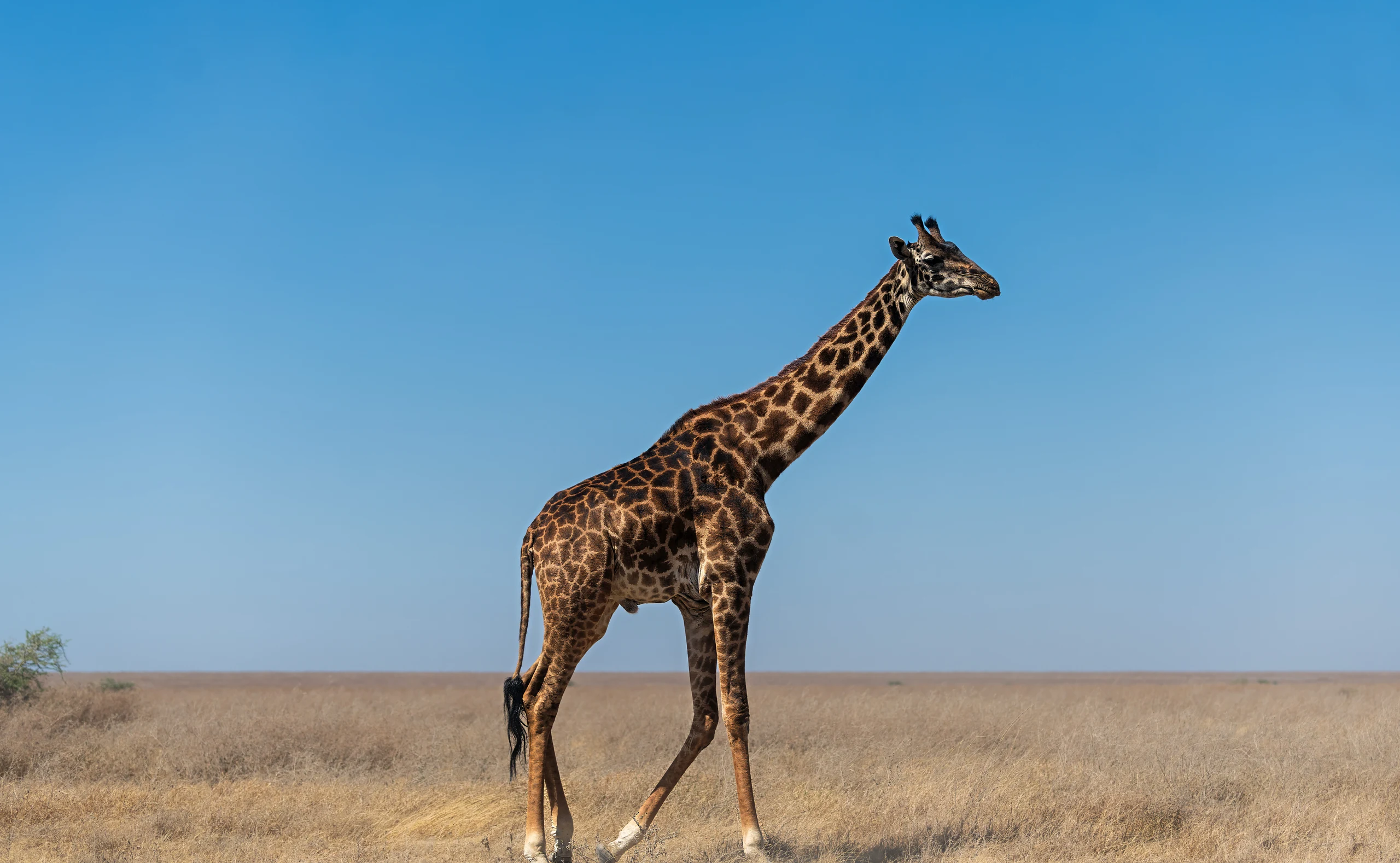
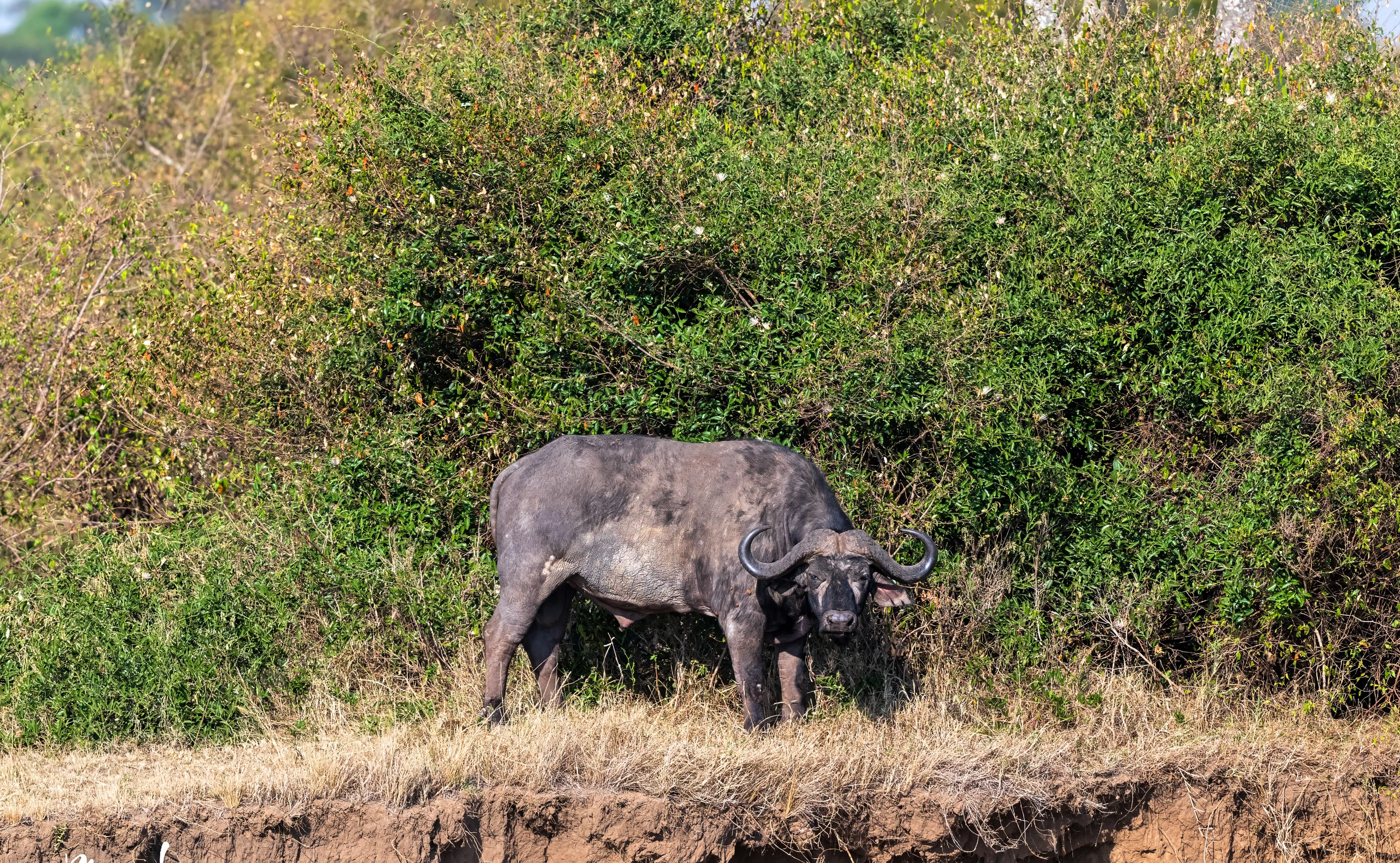
The wildlife experience is much smaller and more closely connected to the landscape. Birdlife can be particularly interesting around the lake when water is present. Depending on conditions, you may see flamingos, pelicans, storks, gulls and other waterbirds. The surrounding bush also supports smaller wildlife, and the cultural experience itself involves learning how local people identify and understand animals in the environment.
For travelers coming directly from Serengeti or Ngorongoro, this difference can actually be refreshing. You are no longer simply asking, “What animals can we see?” You are learning how people live alongside the environment.
Walking & Cultural Experiences
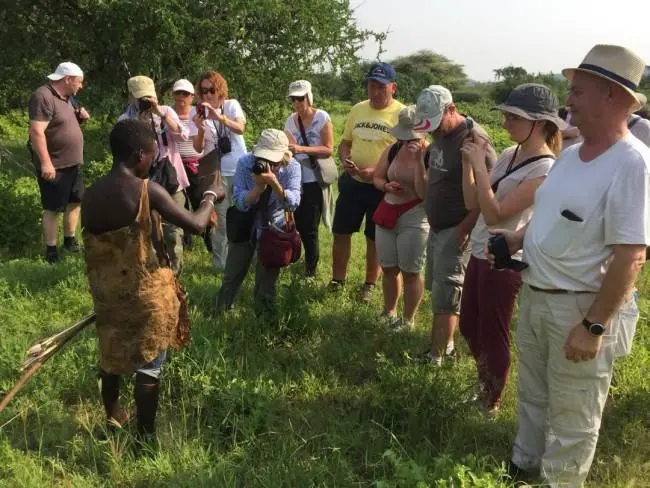
Walking is one of the best ways to experience Lake Eyasi. The terrain is not about covering large distances in a safari vehicle. Instead, walking allows you to notice tracks, plants, birds, insects and other small details. A local guide can explain how particular plants are used, how tracks are interpreted and how people navigate the surrounding bush. Combined with a Hadzabe or Datoga visit, walking can make the experience feel much more personal than a standard sightseeing stop.
Responsible Cultural Tourism
This deserves a prominent place on the Lake Eyasi page. Cultural tourism works best when visitors remember that they are meeting people, not visiting a museum. The best Lake Eyasi visit is not the one where you collect the most photographs. It is the one where you leave with a better understanding of the people and landscape you have visited.
- Ask before taking photographs.
- Listen when local guides explain customs.
- Do not assume that every person wants to be photographed.
- Avoid giving individual people random gifts or money unless your guide or community organization specifically recommends it.
- Choose an operator that works with local communities and makes the arrangements transparently.
Best Time to Visit Lake Eyasi
Lake Eyasi can be visited throughout much of the year, but the landscape changes significantly with rainfall.
June–October
The dry months generally provide easier road conditions and a hotter, more open landscape. The lake can shrink substantially during this period. For travelers mainly interested in the cultural experience, the dry season can be practical because walking conditions are generally easier.
November–December
The short rains can bring fresh vegetation and begin changing the appearance of the lake and surrounding landscape. Bird activity can also become more interesting as water returns.
January–March
This period can offer a mixture of greener scenery and relatively manageable travel conditions. It can work well for travelers who want both cultural experiences and a more varied landscape.
April–May
The long rains can make roads more challenging. The landscape becomes greener, and the lake can hold considerably more water, but muddy roads can make travel slower. If you are visiting during the rains, build some flexibility into the itinerary.
How Long Do You Need?
One night is usually enough for a meaningful Lake Eyasi experience.
Afternoon arrival → Datoga visit → overnight → early morning Hadzabe experience → departure
This gives you time to experience both sides of the cultural landscape without rushing. A day trip is also possible depending on where you are staying and the exact arrangements. However, because the Hadzabe experience can begin early in the morning, staying nearby the previous night often makes the visit much more relaxed. If you are particularly interested in culture, photography or walking, two nights can provide a slower experience.
Where to Stay
Accommodation around Lake Eyasi is more limited than around the major Northern Circuit destinations. That is part of the reason the area feels remote.
Many travelers visit as an extension from Karatu, while others choose accommodation closer to the lake to make an early morning cultural experience easier. When choosing where to stay, look beyond the room itself. The most important question is how conveniently the accommodation connects with your planned cultural experiences and onward safari route. If your itinerary includes an early morning Hadzabe visit, staying closer to the activity can be much more comfortable than making a long pre-dawn drive.
How to Get to Lake Eyasi
Most travelers reach Lake Eyasi by road from the Karatu and Ngorongoro area. The final approach is generally more remote than the main Northern Circuit roads, and road conditions can change with weather.
A 4×4 safari vehicle and an experienced local driver are particularly useful. The journey itself is part of the experience. As you leave the more developed safari routes behind, the landscape becomes increasingly rural and the sense of isolation grows. That transition helps explain why Lake Eyasi feels so different from the major parks nearby.
What to Pack
Lake Eyasi can be hot and dusty, particularly during the dry season. For a pre-dawn walking experience, a small flashlight or headlamp can also be useful. Keep your camera accessible, but remember that photographs should always be taken respectfully and with permission.
- Lightweight, breathable clothing
- Neutral-colored clothing
- Comfortable walking shoes
- Hat
- Sunglasses
- Sunscreen
- Water bottle
- Small daypack
- Camera
- Binoculars
- Insect repellent
- Light jacket for early mornings