A Safari Designed Around Your Family
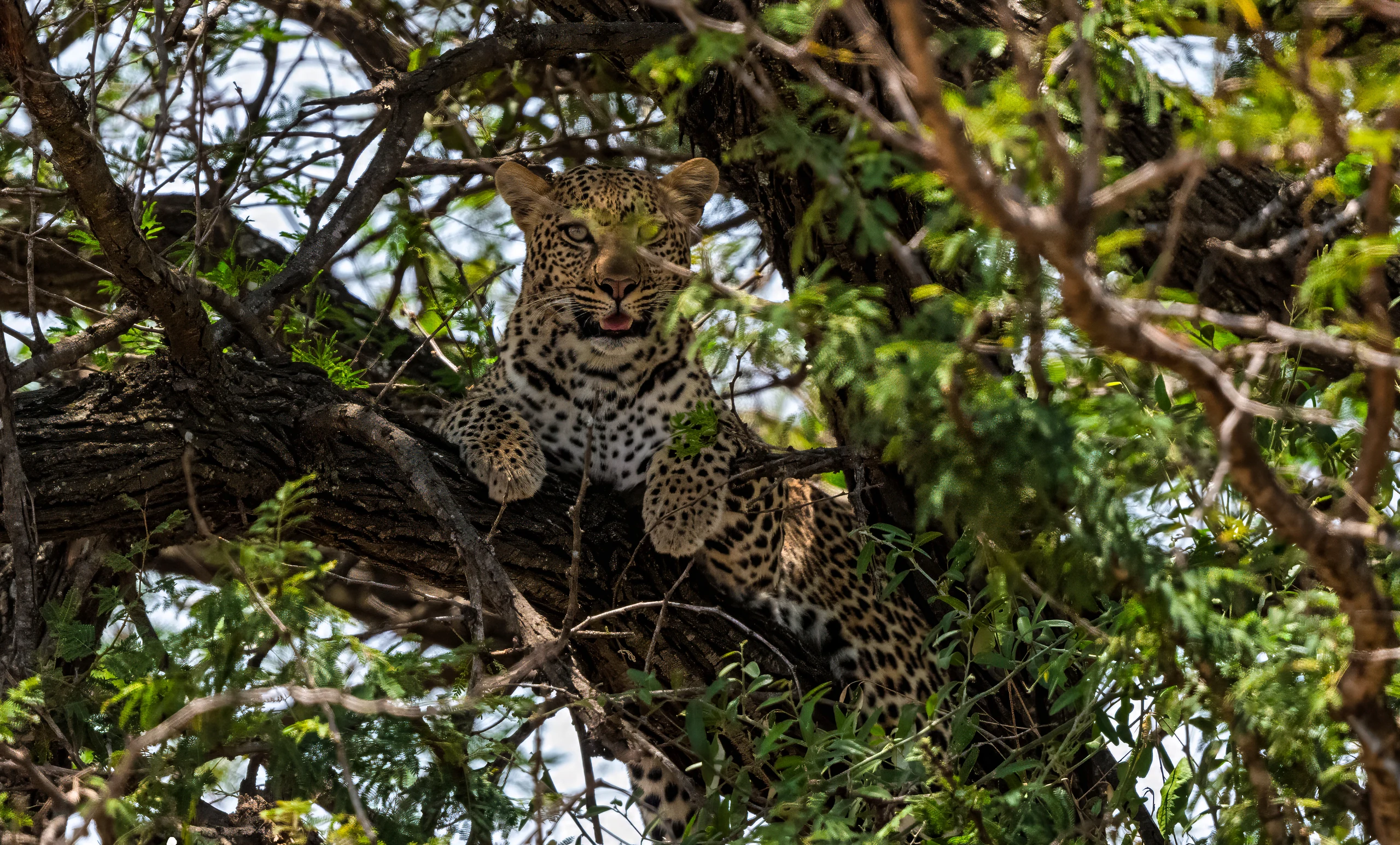
A Tanzania safari can be an incredible family adventure. For children, it is not just a holiday. It is a chance to see elephants walking across the road, watch lions resting under a tree, learn how animals behave in the wild and wake up somewhere completely different from home.
For parents, though, planning a safari with children raises a different set of questions. How long can children comfortably sit in a safari vehicle? Which parks are easiest? What happens if a child gets tired? Is it safe? Which camps actually welcome families? And how do you create a safari that children enjoy rather than simply expecting them to sit quietly and watch animals all day?
The answer is usually in the planning. A family safari does not need to be complicated. It simply needs to be designed around the ages, interests and energy levels of the children traveling with you.
Is Tanzania Good for a Family Safari?
Yes, Tanzania can work very well for families, particularly when the itinerary is paced properly. The Northern Circuit gives families access to several major wildlife destinations, including Tarangire, Ngorongoro and Serengeti.
But the best family safari is not necessarily the one that visits the most parks. Children can become tired from long drives, early mornings and changing accommodation every night.
Instead, give them time to settle into each place. Choose comfortable accommodation. Keep some afternoons free. And make the safari feel like an adventure rather than a school timetable.
Best Age for a Tanzania Safari
There is no single age at which a child suddenly becomes “ready” for a safari. A lot depends on the individual child.
Babies and toddlers
Travel with very young children is possible, but it requires more preparation. Parents should think carefully about driving distances, access to medical services, food, sleep routines and accommodation arrangements.
A private safari is usually much easier than a shared one because you can stop when necessary and adjust the daily schedule around the child.
Young children
Children who are old enough to understand animals and follow basic safety instructions can get a lot from a safari. They may not remember every species they see, but they often remember the experience itself. Seeing a huge elephant from an open-sided vehicle is very different from seeing one in a book.
Older children
Older children can become much more involved. They can keep wildlife checklists, use binoculars, learn animal tracks, photograph wildlife and ask questions about conservation.
Teenagers
Teenagers often enjoy a more active safari. Walking experiences, photography, cultural visits, snorkeling in Zanzibar or other outdoor activities can be added around the game drives. The key is to avoid designing the entire trip around adults’ interests.
Best Destinations for Families
Different parks work for different reasons. For a first family safari, a combination of two or three destinations is often enough. You do not need to visit every park.
- Tarangire — excellent introduction with elephants, baobabs and varied wildlife
- Ngorongoro — spectacular scenery and concentrated wildlife within the crater
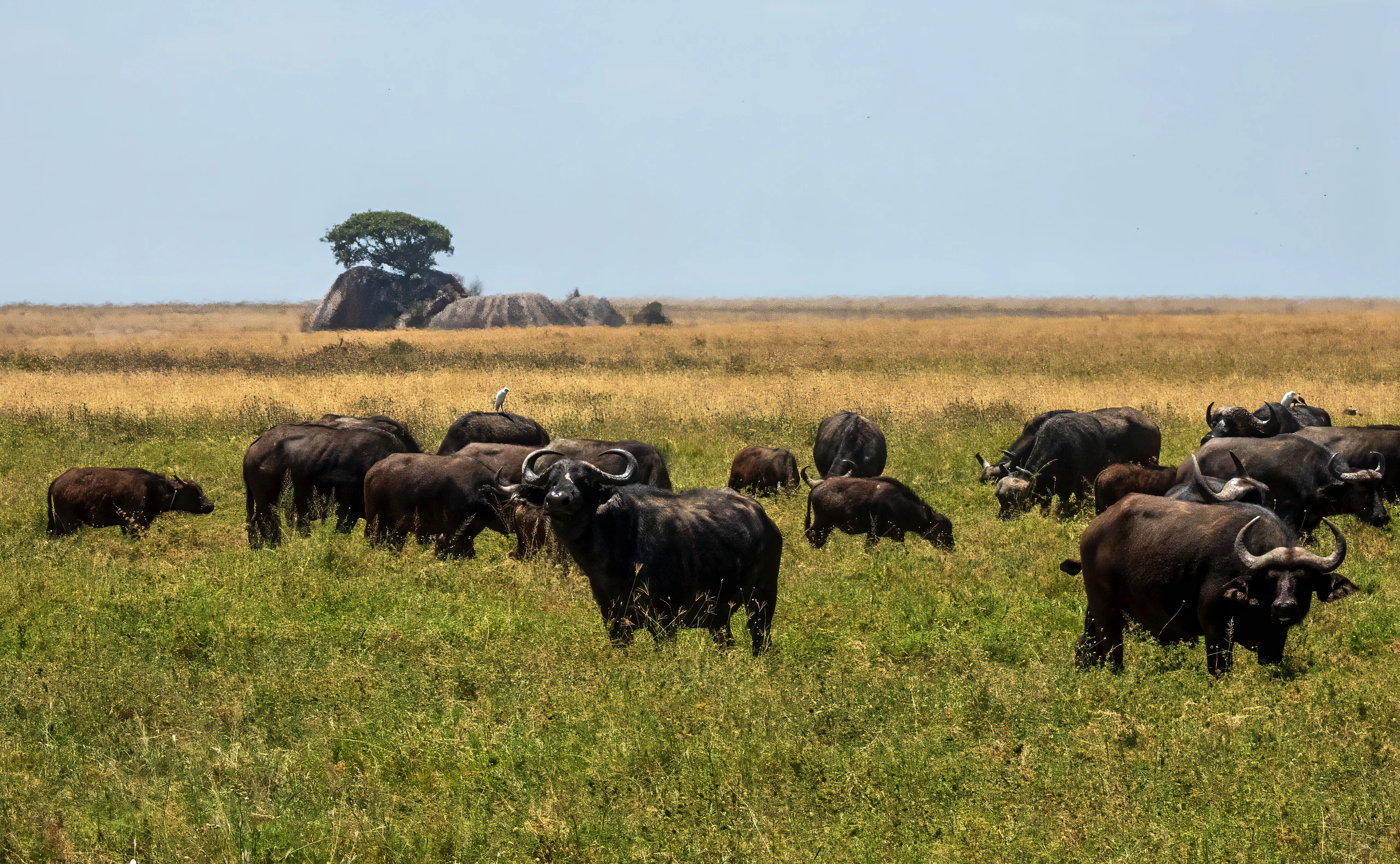
- Serengeti — the biggest sense of wilderness; exciting for predators and migration seasons
- Lake Manyara — forest and lake habitats for a change of scenery
Serengeti With Children
Serengeti can be one of the most exciting places for children. The landscape is enormous, and wildlife can appear almost anywhere. A lion beside the vehicle can turn an ordinary morning into a story the family talks about for years.
The challenge is the distance. Depending on your route, reaching Serengeti by road can involve a long travel day. Air transfers can reduce driving time if they fit your budget and itinerary.
Once inside the park, try not to make every day identical. A morning game drive followed by lunch and some downtime can work better for children than spending every available hour searching for animals.
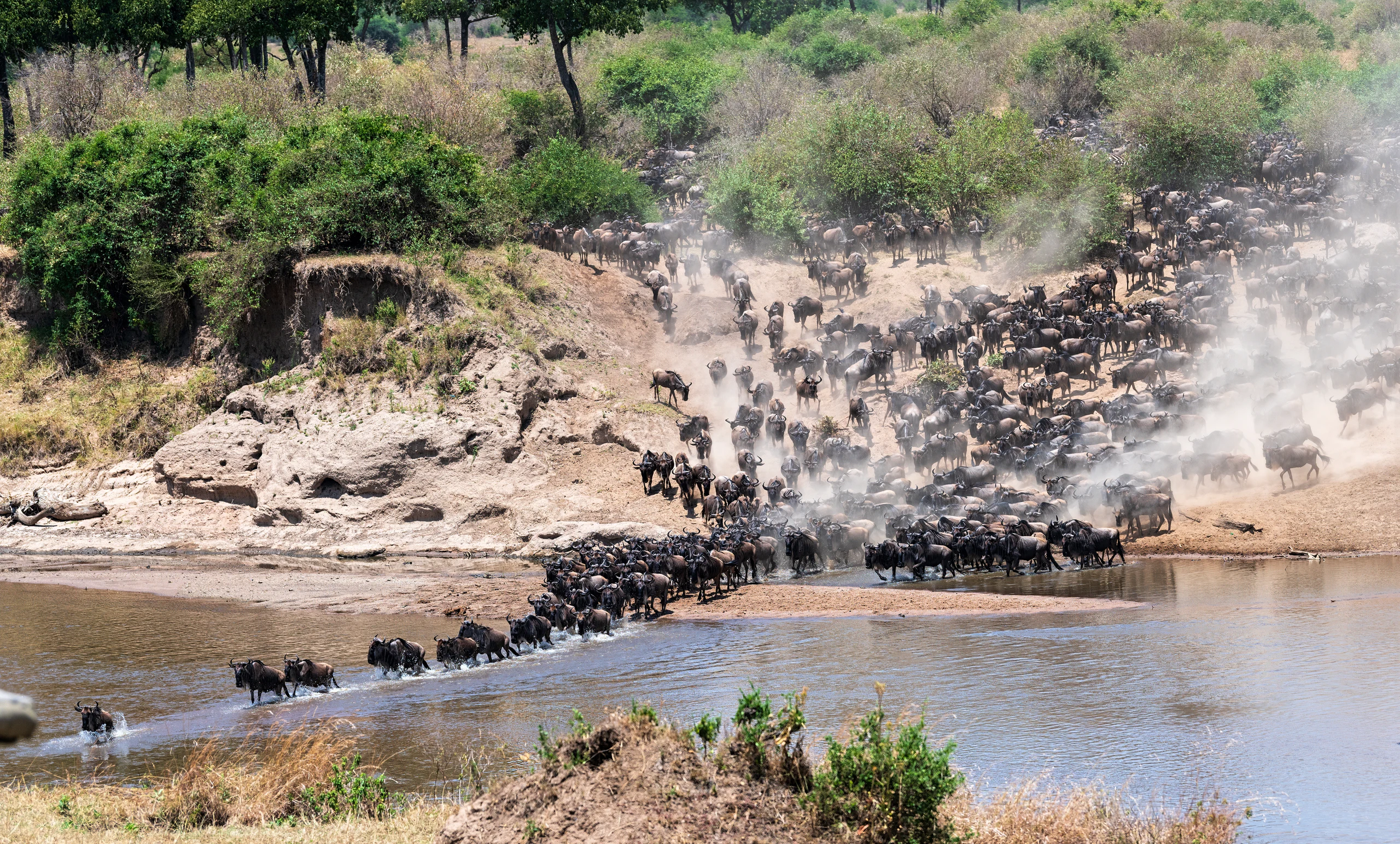
If your children are particularly interested in the Great Migration, explain that migration sightings are seasonal and that even during migration periods, specific animal movements cannot be guaranteed.
Ngorongoro With Children
Ngorongoro is visually impressive before you even reach the wildlife. The crater rim gives you a dramatic view across the enormous volcanic landscape. Then comes the descent into the crater. For children, that change in scenery can make the game drive feel like an adventure.
Wildlife is often relatively concentrated within the crater, making it possible to see several different species without covering enormous distances. Because of this, Ngorongoro can fit well into a family itinerary.
The important thing is to avoid combining a long transfer, a crater game drive and another long transfer on the same day whenever possible.
Tarangire With Children
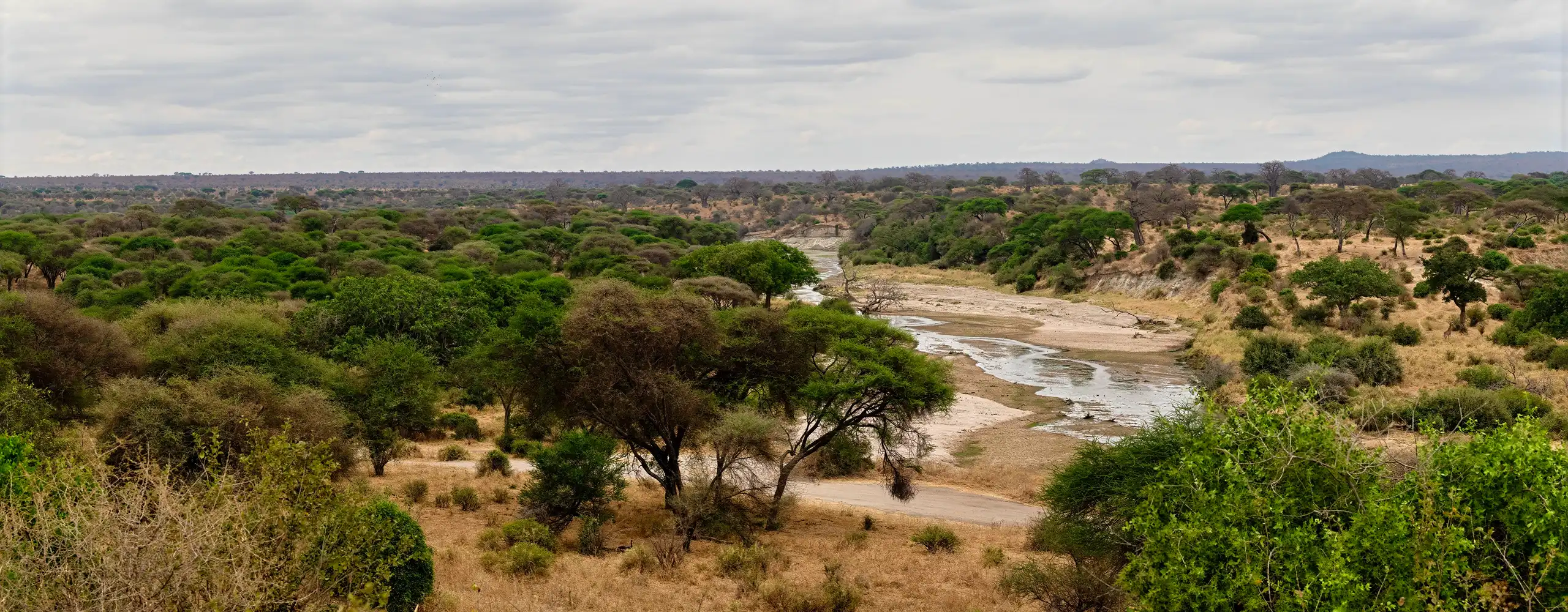
Tarangire can be an excellent first safari destination for families. The landscape is distinctive, with large baobab trees and strong elephant viewing.
The park can also be a good introduction to wildlife because children quickly begin recognizing familiar animals — elephant, giraffe, zebra — and then the questions start. Why does the giraffe have spots? Why do elephants have such large ears? Why are zebras striped? That curiosity is exactly what you want.
Lake Manyara With Children
Lake Manyara provides another change of scenery. Instead of spending the entire safari in open grassland, families can explore woodland, lake habitats and areas around the Rift Valley escarpment.
It can work well as a shorter safari stop. However, you do not necessarily need both Lake Manyara and Tarangire on a short family itinerary. Choose based on the overall route and what your children are most interested in.
Safari With Toddlers
Traveling with toddlers requires a different approach. Keep the days flexible. Do not expect a two-year-old to sit quietly through a six-hour game drive.
Private vehicles are particularly useful because you can stop for snacks, breaks and unexpected needs. Choose accommodation with suitable family facilities and confirm sleeping arrangements before booking.
It is also worth asking about meal options. Familiar food can make a surprisingly big difference when a child is tired after a long day. Most importantly, follow the camp’s safety instructions. Wild animals are never pets, even when children find them fascinating.
Safari With Older Children & Teenagers
Older children can become active participants in the safari. Give them a small challenge each day: who can identify the most birds, who can spot the first giraffe, can they remember the difference between a Thomson’s gazelle and a Grant’s gazelle, or can they photograph five different animal species?
A guide who enjoys working with children can make an enormous difference. Instead of simply naming animals, they can explain tracks, behavior, food chains and conservation. Suddenly the safari becomes something children are doing rather than something they are being taken to.
Choosing a Family-Friendly Safari Vehicle
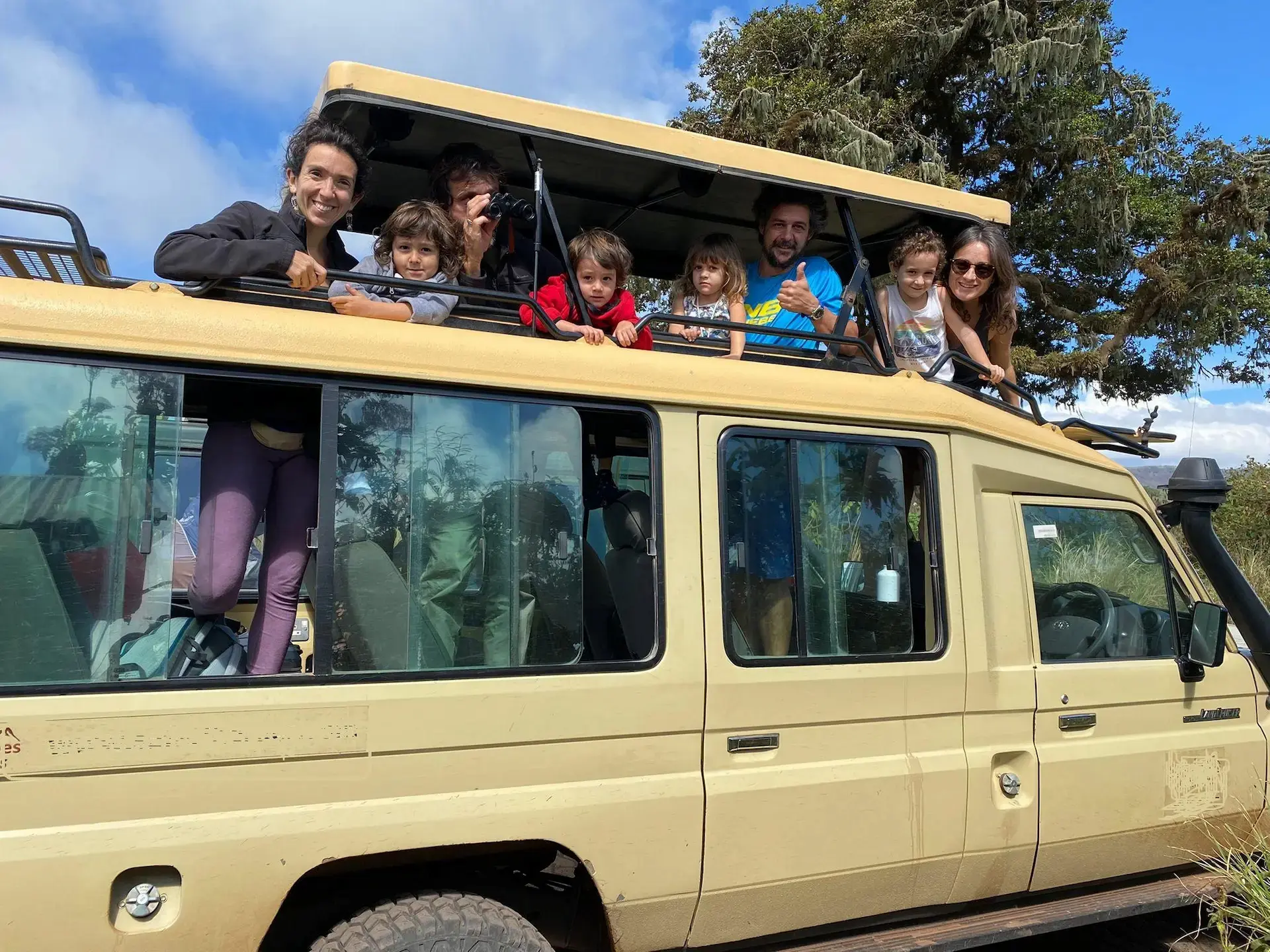
A good safari vehicle should have enough room for everyone to sit comfortably. The vehicle becomes your home for many hours during a safari. Comfort matters. So does the guide — a knowledgeable guide who is patient with children can make a greater difference than an expensive vehicle.
- Number of passengers
- Window and seat configuration
- Roof opening
- Refrigerator or cooler
- Charging points
- Storage space
- Seat comfort
- Availability of child seats
- Vehicle age and condition
Keeping Children Safe Around Wildlife
This is one area where there should be no compromise. Children need to understand that wild animals are not zoo animals.
Before the safari begins, give children a simple rule: if the guide says stop, everyone stops. That one rule is easy for children to remember.
- Never let children wander away from the group at camp
- Follow your guide’s instructions around wildlife
- Stay inside the vehicle except at designated areas
- Do not feed animals
- Do not encourage children to make loud noises to attract wildlife
- Do not approach animals on foot unless the activity is specifically guided and permitted
Making Game Drives Fun for Children
A six-hour game drive can sound boring to a child. But it does not have to be. Turn the drive into a game. Give children binoculars. Create a simple wildlife checklist. Let them keep a safari journal. Ask them to photograph different animals. Teach them how to identify tracks. Ask the guide questions together.
And allow time for breaks. Children do not need to be entertained every second. Sometimes the best thing is simply letting them look out of the window and discover something themselves.
Family-Friendly Safari Activities
Game drives are only part of a family safari. Activities should always be chosen according to the children’s ages and the current rules of the destination. A good family itinerary mixes wildlife with experiences that allow children to move around.
- Short guided walks
- Cultural visits
- Birdwatching
- Bush breakfasts
- Scenic drives
- Wildlife photography
- Conservation talks
- Balloon safaris for appropriate ages
- Zanzibar beach activities
- Stone Town exploration
- Snorkeling and marine activities
Family Safari Lodges & Camps
Accommodation matters more when children are involved. A beautiful camp is not automatically a good family camp. Some small luxury camps have age restrictions because of their remote locations or the presence of wildlife around the property. Always confirm the policy before booking.
- Family rooms or interconnecting rooms
- Extra beds
- Child meals
- Swimming pools
- Babysitting
- Child-friendly activities
- Minimum age policies
- Walking restrictions
- Electricity and charging
- Wi-Fi availability
Family Rooms & Private Tents
If you are traveling with children, having everyone close together can make the evening much easier. Some properties offer family tents or interconnected rooms. Others may place parents and children in separate tents, which may not be suitable for younger children.
Do not assume that “family-friendly” means the same thing everywhere. Ask exactly how the sleeping arrangement works. Also check whether there are security procedures for walking between rooms and dining areas after dark.
Best Time for a Family Safari
Tanzania is a year-round destination, but different seasons create different experiences.
June–October
The dry season is popular for wildlife viewing. Roads are generally easier, vegetation is thinner and animals may gather around water. This can be convenient for families because children are less likely to spend long periods driving through muddy roads.
November–March
The landscape becomes greener. The southern Serengeti and Ndutu region are particularly interesting during the calving period. For children interested in young animals, this can be a fascinating time to visit.
April–May
The long rains bring greener landscapes and can mean fewer visitors. However, some roads become more difficult and some seasonal camps may close. For families, the possibility of weather-related changes should be considered carefully.
How Many Days Do You Need?
A family safari does not need to be extremely long. For many families, 5–8 safari days is enough for a first trip.
A simple itinerary might be: Day 1 Arusha, Days 2–3 Tarangire, Day 4 Ngorongoro, Days 5–7 Serengeti, Day 8 departure. If you have younger children, you may want to slow this down — for example, spend two nights in each major destination instead of changing accommodation every day.
The best number of days is the one that allows everyone to enjoy the safari without becoming exhausted.
How Much Does a Family Safari Cost?
Family safari costs depend on the same factors as any Tanzania safari, but the total is also influenced by the children’s ages and accommodation arrangements.
Children can have different park-fee categories depending on age and current regulations. Always check the current tariff before quoting a final price. For families, it is worth comparing the total trip price rather than focusing only on the per-person rate.
- Number of adults
- Number and ages of children
- Private or shared vehicle
- Accommodation
- Park fees
- Domestic flights
- Activities
- Transfers
- Zanzibar extension
Sample Family Safari Itineraries
These outlines are starting points. Topy Tours adjusts nights, camps and driving days to your children’s ages and energy.
Classic Family Safari
Day 1: Arusha. Days 2–3: Tarangire. Day 4: Ngorongoro. Days 5–7: Serengeti. Day 8: Return. A straightforward introduction to the Northern Circuit.
Slower Family Safari
Day 1: Arusha. Days 2–3: Tarangire. Days 4–5: Ngorongoro / Karatu. Days 6–8: Serengeti. Day 9: Departure. The extra nights reduce packing and unpacking.
Safari + Zanzibar Family Holiday
Days 1–7: Northern Tanzania safari. Day 8: Fly to Zanzibar. Days 9–12: Zanzibar. Day 13: Departure. This works particularly well when children need relaxed beach time after early mornings and game drives.
Safari + Zanzibar With Children
Adding Zanzibar can be a great way to balance the trip. The safari gives children adventure and wildlife. The beach gives everyone a chance to slow down.
Do not make the Zanzibar portion too busy. After a safari, sometimes the best family activity is simply finding a comfortable beach and doing very little.
- Swimming
- Snorkeling
- Boat trips
- Beach time
- Stone Town
- Spice farm visits
- Cultural experiences
What to Pack for Children
Keep the packing practical. Soft-sided luggage is generally easier to manage on safari than large hard suitcases. For younger children, bring familiar snacks and any comfort items they normally need for sleeping.
Clothing
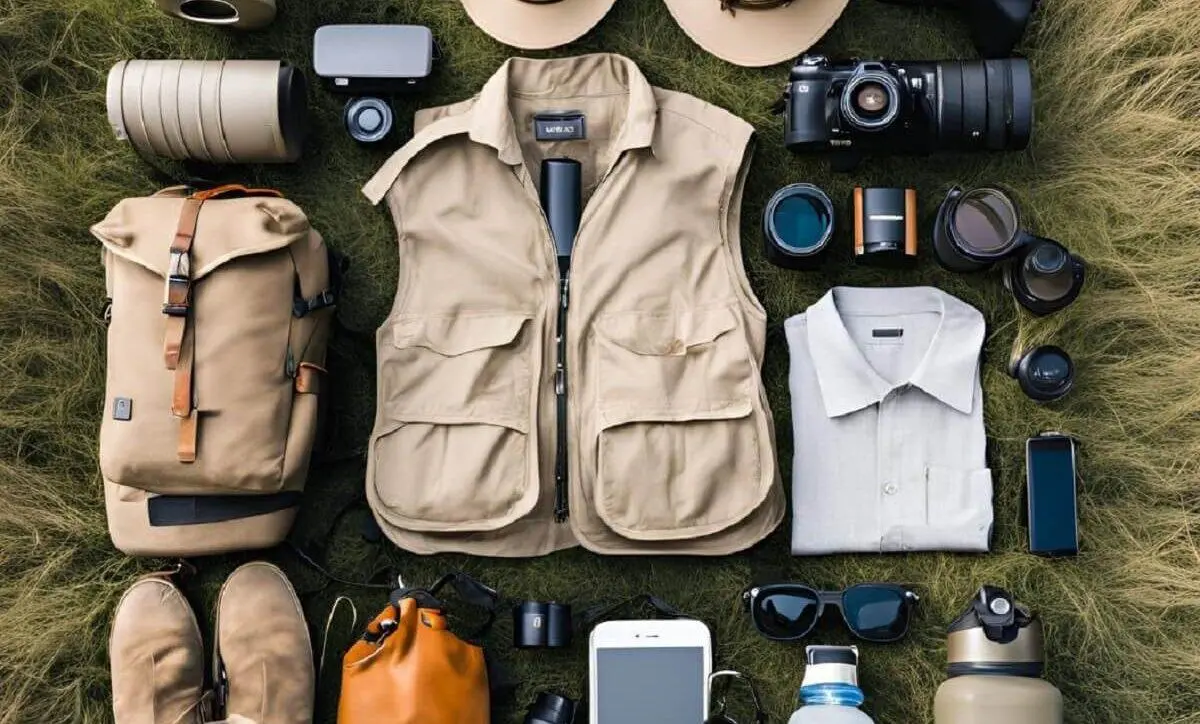
Pack lightweight shirts, comfortable trousers or shorts, a warm layer, hat, comfortable walking shoes, sandals, sleepwear, and swimwear if the accommodation has a pool.
Safari essentials
Bring sunscreen, sunglasses, insect repellent, a reusable water bottle, binoculars, a small backpack, camera, headlamp, hand sanitizer and personal toiletries.
Food, Water & Daily Routine
Children often cope better with safari when the daily rhythm is predictable. You do not need to spend every daylight hour looking for animals. A child who gets two hours in the pool may enjoy the next game drive much more.
Ask camps about children’s menus and meal timing before arrival.
- Early morning: breakfast or light snack, then game drive
- Late morning: return to camp, lunch
- Afternoon: rest, swimming or quiet time
- Late afternoon: shorter game drive
- Evening: dinner, then bed
Family Safari Tips
A few habits make family safaris run more smoothly from the first day.
- Choose a private vehicle when possible — flexibility is valuable with children
- Do not overpack the itinerary — fewer destinations can mean a better experience
- Plan downtime — children need breaks just as adults do
- Bring binoculars — give children their own pair if possible
- Choose the right guide — someone who enjoys explaining wildlife to children
- Keep snacks available — hunger can end a game drive faster than a lack of wildlife
- Let children take photographs — a blurry elephant photo may become their favorite
- Explain wildlife rules before arrival
- Check age restrictions on camps and activities
Common Mistakes
Most family-safari frustrations come from rushing the plan or underestimating how tiring safari days can be for children.
- Trying to visit too many parks — every extra destination means another transfer
- Assuming children will enjoy long game drives without breaks
- Booking accommodation without checking age policies
- Choosing the cheapest vehicle — comfort matters over long hours
- Forgetting downtime — a safari is exciting, but it can also be tiring
- Treating the safari like a zoo visit — animals are wild
- Planning only for adults — give children activities and responsibilities
Plan Your Family Safari
The best family safari is not the one with the longest itinerary. It is the one where everyone comes home excited about what they saw.
For children, that might be the elephant that walked across the road, the lion they spotted first or the night they heard strange sounds outside their tent. For parents, it might simply be watching their children experience something completely outside their normal world.
Give everyone enough time to enjoy it. Choose comfortable accommodation. Keep the driving reasonable. Build in afternoons to rest. And choose a guide who understands that a family safari is about more than identifying animals.
Tanzania gives you plenty to work with. Tarangire can introduce children to elephants and baobabs. Ngorongoro adds a dramatic crater landscape. Serengeti brings the scale and excitement of one of Africa’s great wildlife ecosystems. And Zanzibar can provide an easy, relaxing finish.
The goal is simple: make the safari exciting enough for the children, comfortable enough for the parents, and memorable enough for everyone.