Central vs Northern vs Southern Serengeti
The Serengeti migration is constantly moving, so where you stay can matter just as much as when you travel. The southern, central and northern parts of the park each play a different role in the annual journey.
The Southern Serengeti is where the cycle begins with calving. The Central Serengeti becomes part of the northward journey as the herds spread across the plains. Further north, the Northern Serengeti is where the migration reaches the Mara River and the famous late-season crossings can take place.
There is no single "best" region for the migration. The right choice depends on the month you visit and which part of the journey you want to experience.
Southern Serengeti — The Beginning of the Migration Cycle
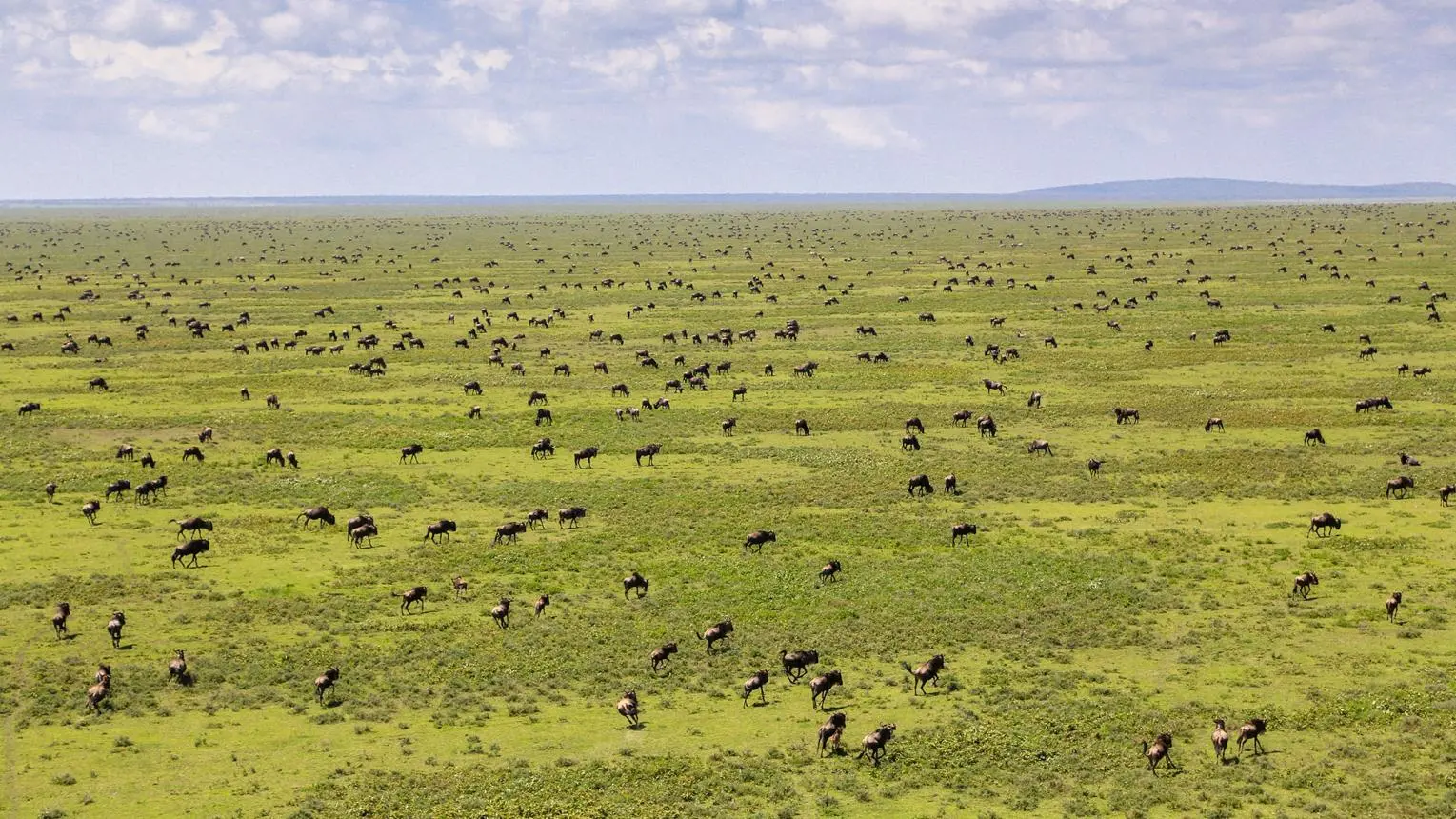
The southern Serengeti and Ndutu area are where the migration begins its annual cycle. After the seasonal rains, the short-grass plains become rich grazing grounds and large numbers of wildebeest gather here.
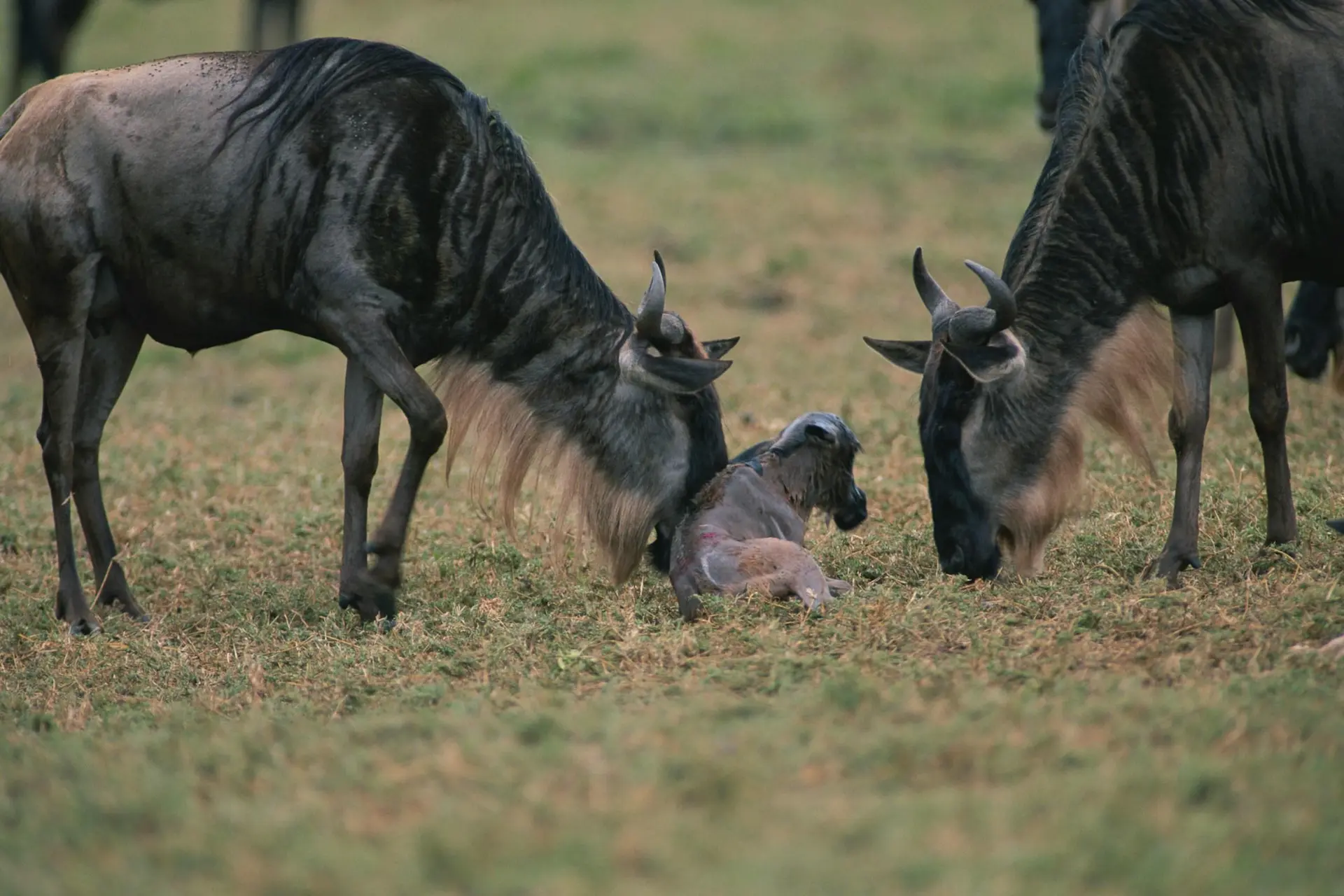
This is the heart of the January to March calving season. Instead of watching herds cross a river, you are surrounded by newborn calves, mothers and huge concentrations of wildebeest. Predators are also drawn to the area, making lions, cheetahs and hyenas an important part of the experience.
For travelers who want to see the migration at its most intimate, Southern Serengeti offers something very different from the dramatic river crossings further north.
What the Southern Serengeti migration feels like
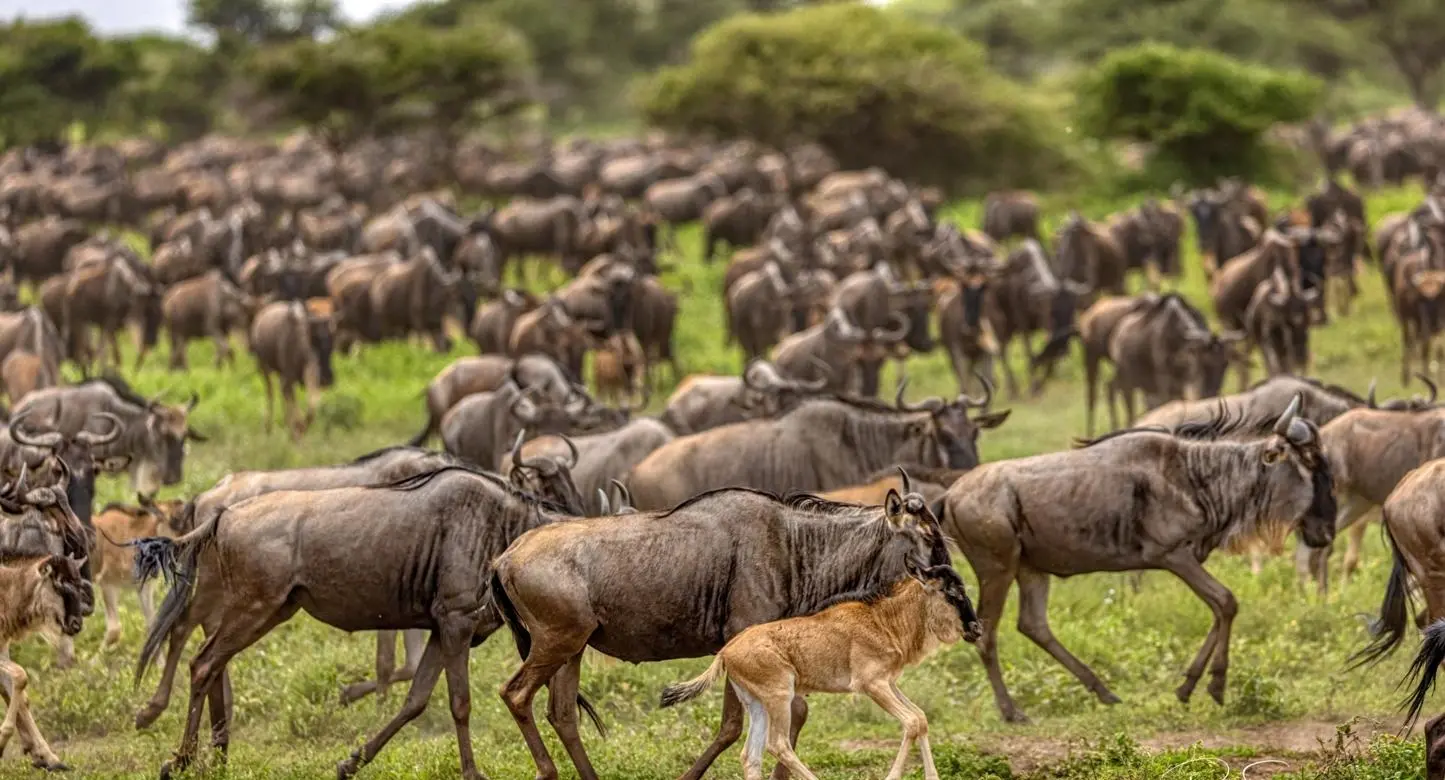
The experience here is less about one big event and more about being surrounded by life.
You might watch a newborn calf take its first steps, follow a herd across the open plains or spend an hour watching a cheetah move through the grass. The landscape can feel incredibly busy during peak calving, yet there are also long, quiet moments when the only sound is the movement of the herd.
- Best migration focus: January–March
- Main experience: Calving, newborns, predators
- Key area: Ndutu and Southern Serengeti
Central Serengeti — Following the Herds North
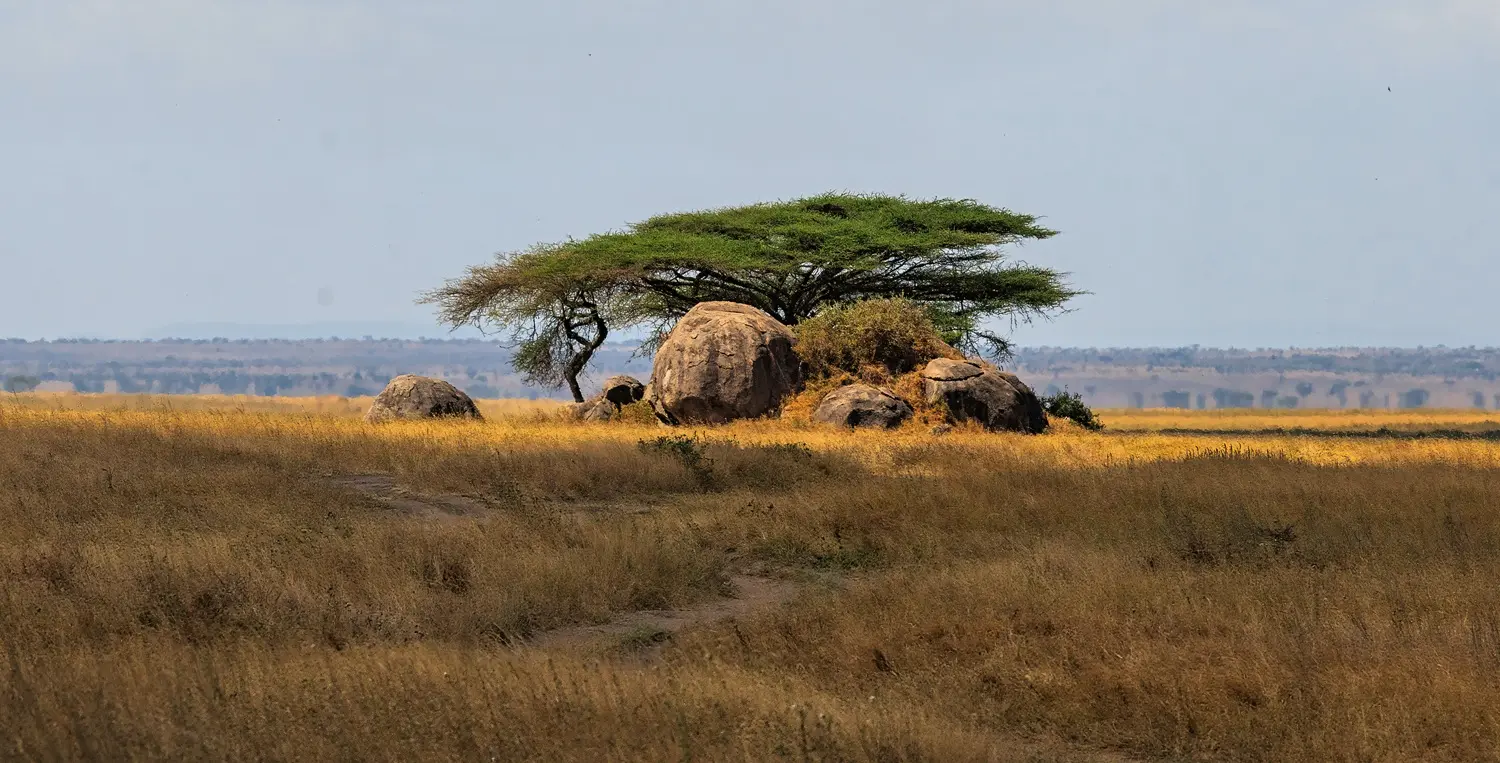
Central Serengeti sits between the southern calving grounds and the northern migration areas. As the season changes, the herds begin spreading northward through the central plains.
This part of the journey is less associated with one famous event. There is no equivalent of the Ndutu calving concentration or the Mara River crossing. Instead, the experience is about following the movement of the herds as they travel, feed and regroup.
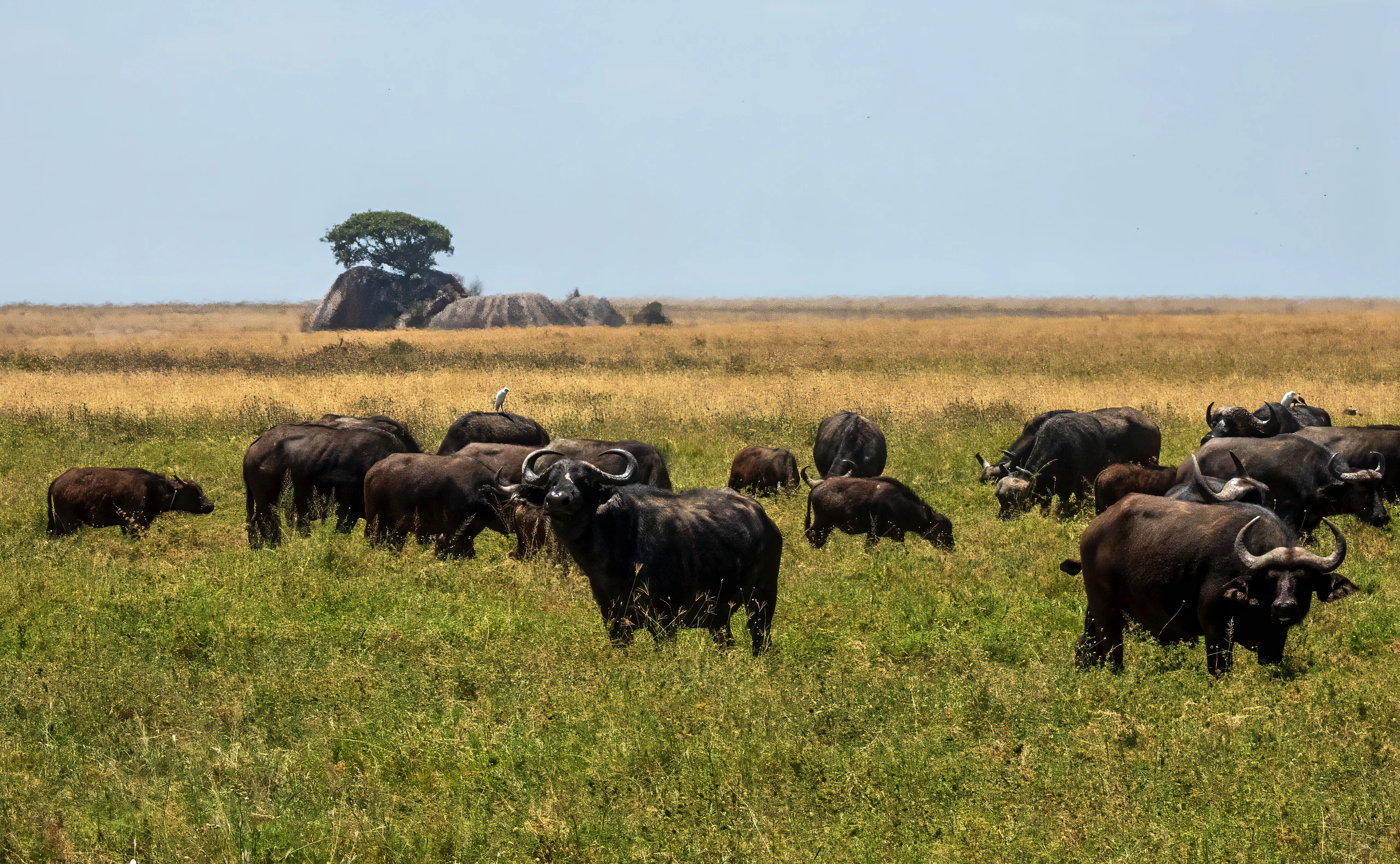
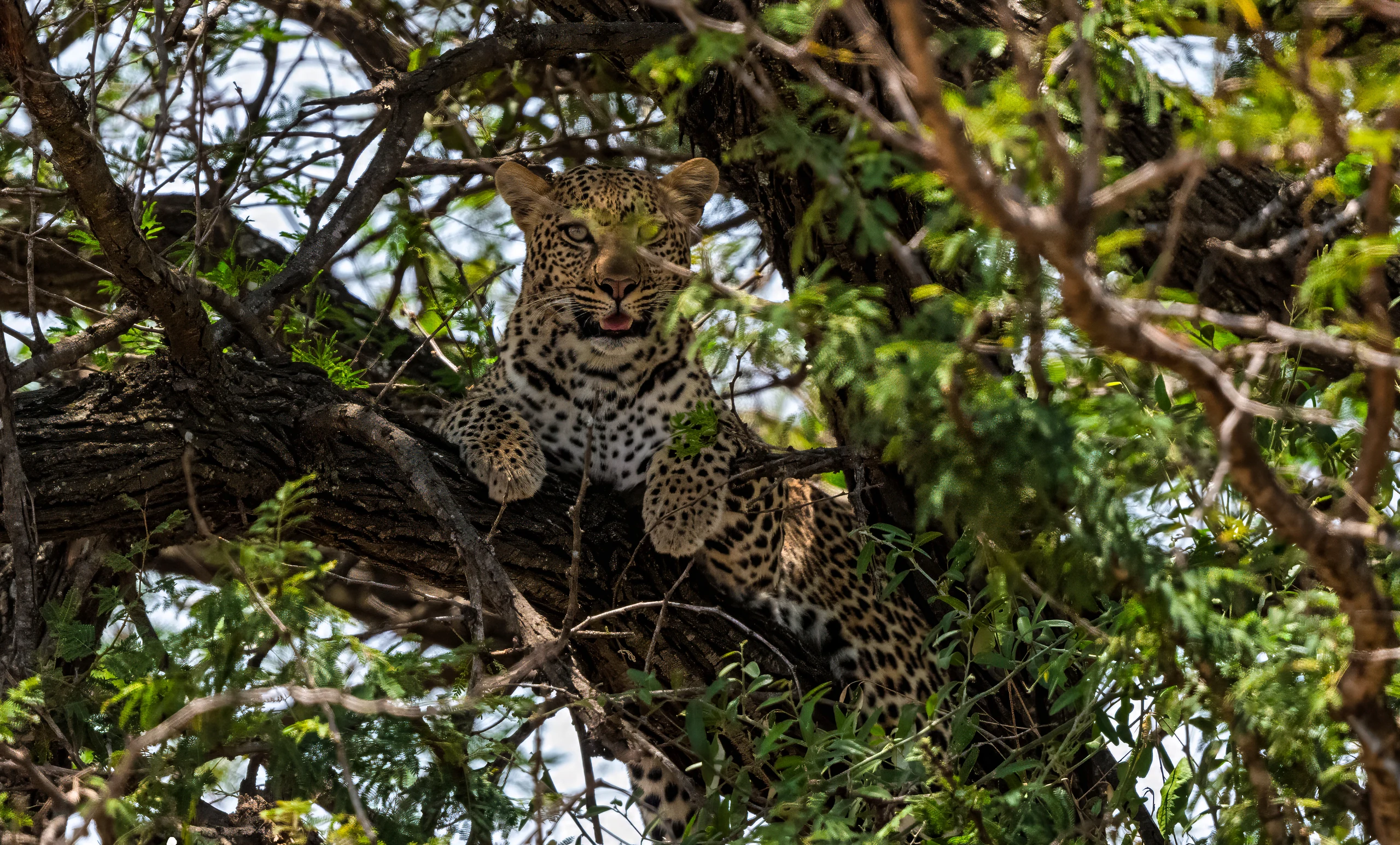
The central Serengeti also has an important advantage: its resident wildlife does not depend on the migration. Lions, leopards, cheetahs, elephants, buffalo and other animals remain in the region throughout the year.
That makes Central Serengeti particularly useful if you want to combine the migration with classic Serengeti wildlife rather than spending the entire safari following the moving herds.
What the Central Serengeti migration feels like
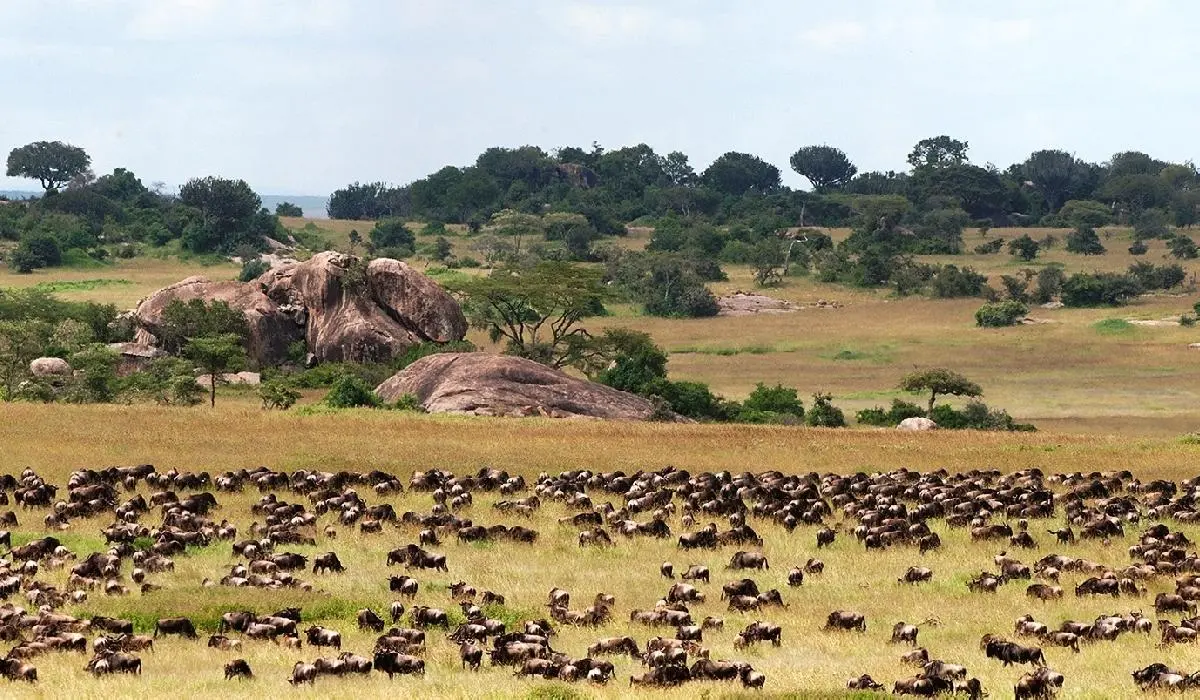
This is the part of the journey where the migration feels most like a journey.
You may see large herds moving across the plains one day and then find them much farther north a few days later. The exact location depends heavily on rainfall and grazing conditions, so your guide's local knowledge becomes particularly important.
The central Serengeti also has an important advantage: its resident wildlife does not depend on the migration. Lions, leopards, cheetahs, elephants, buffalo and other animals remain in the region throughout the year.
Northern Serengeti — The Mara River & Northern Migration
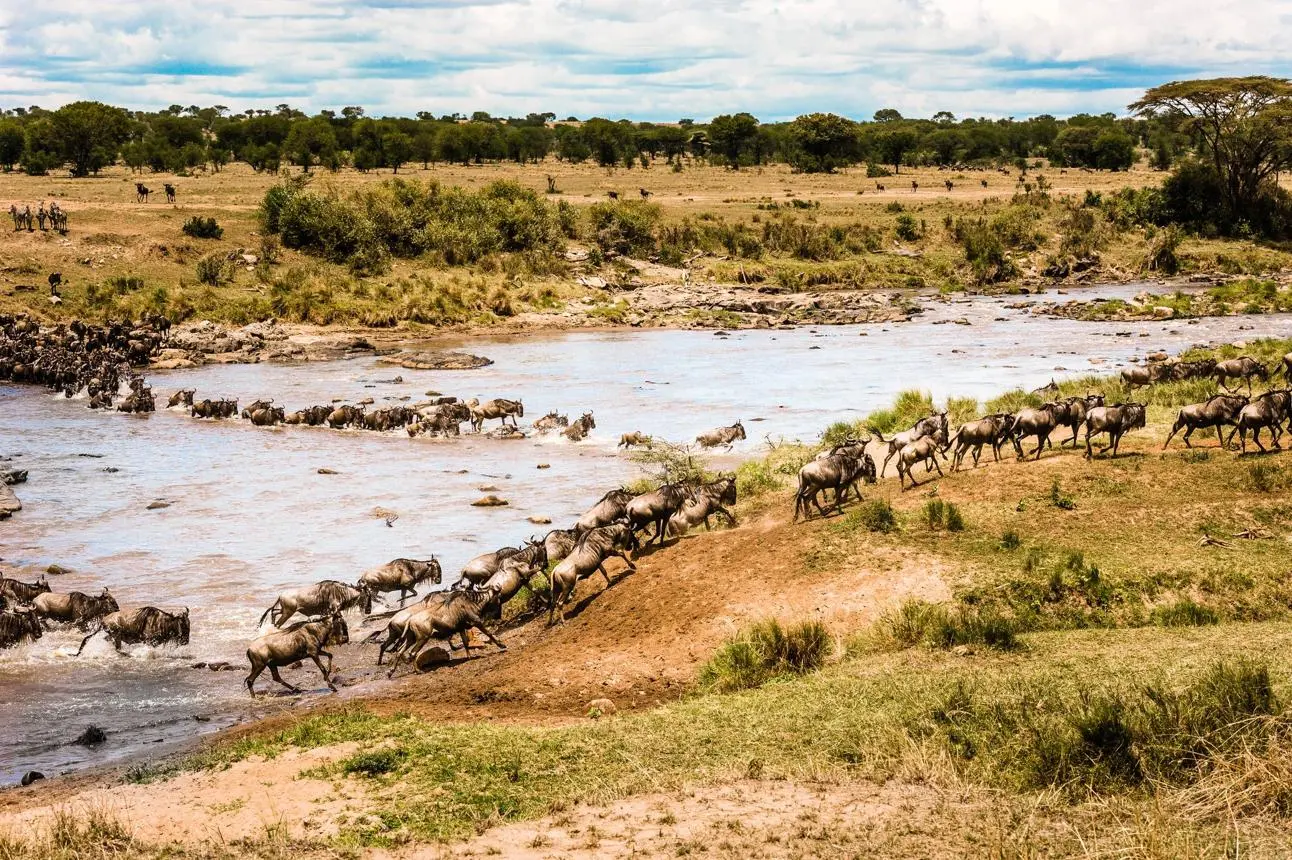
By the later part of the year, the migrating herds reach the Northern Serengeti.
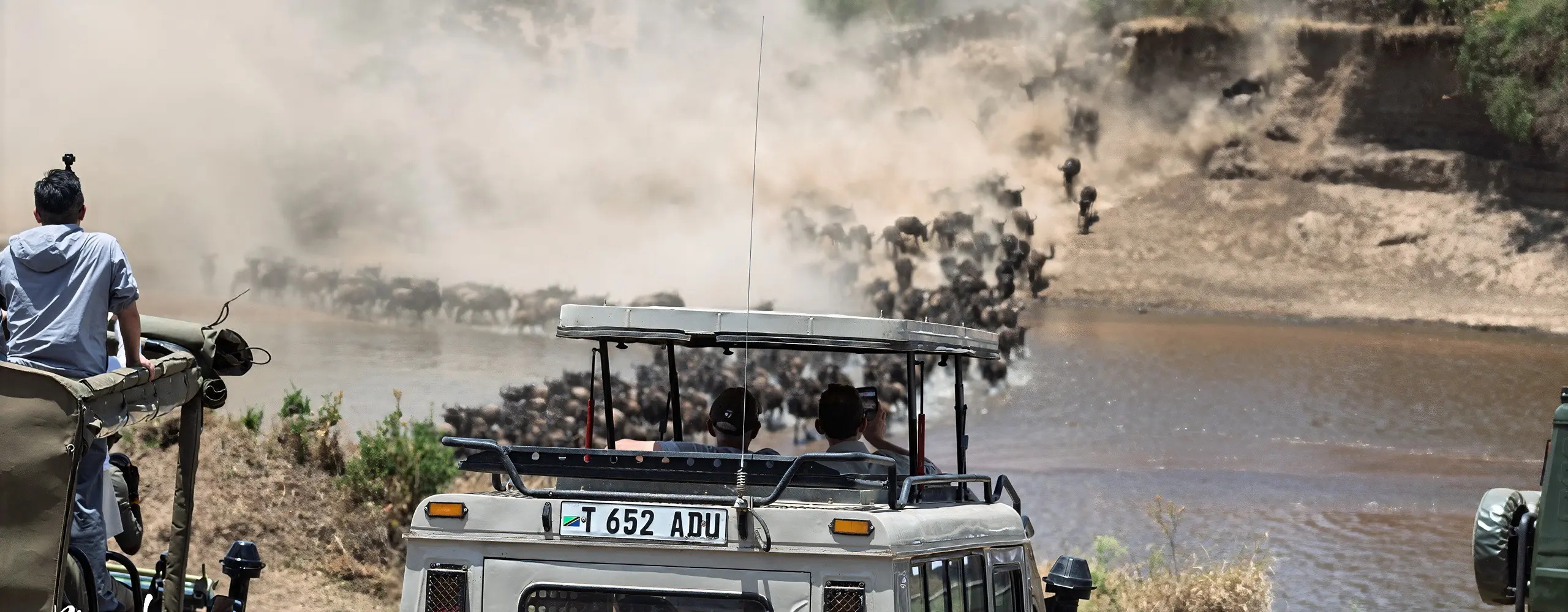
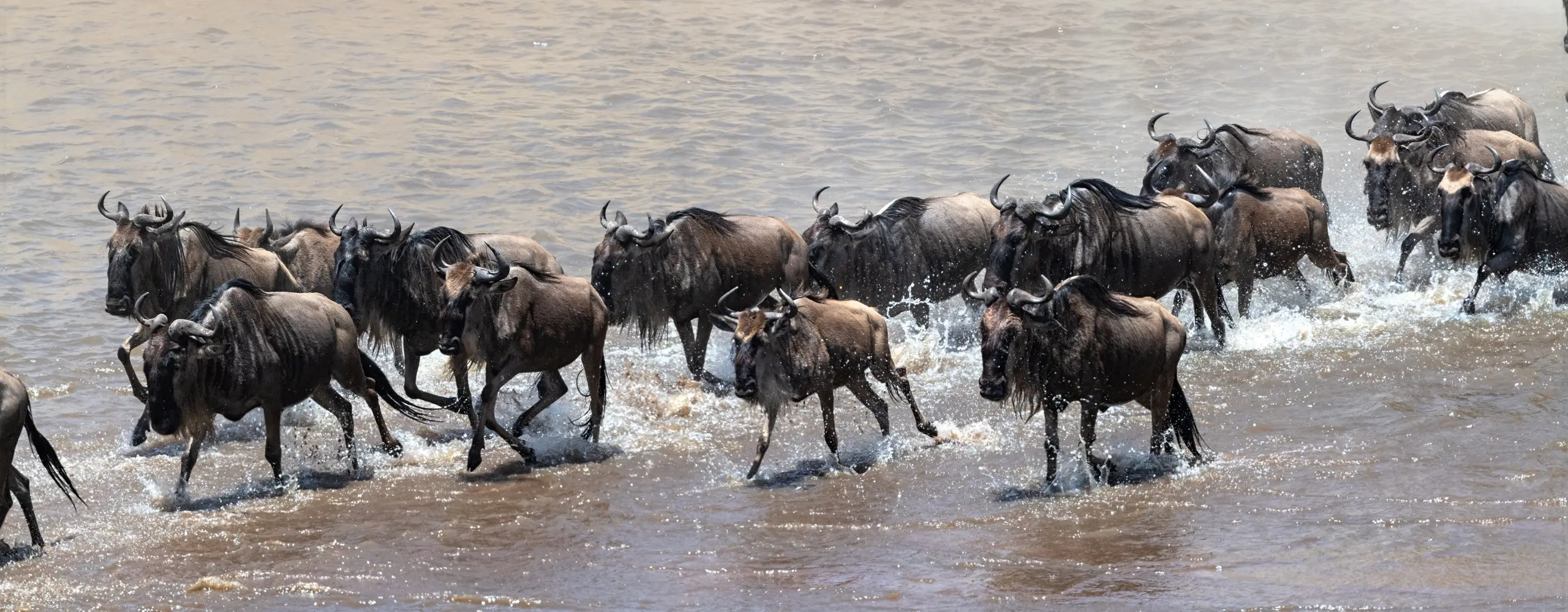
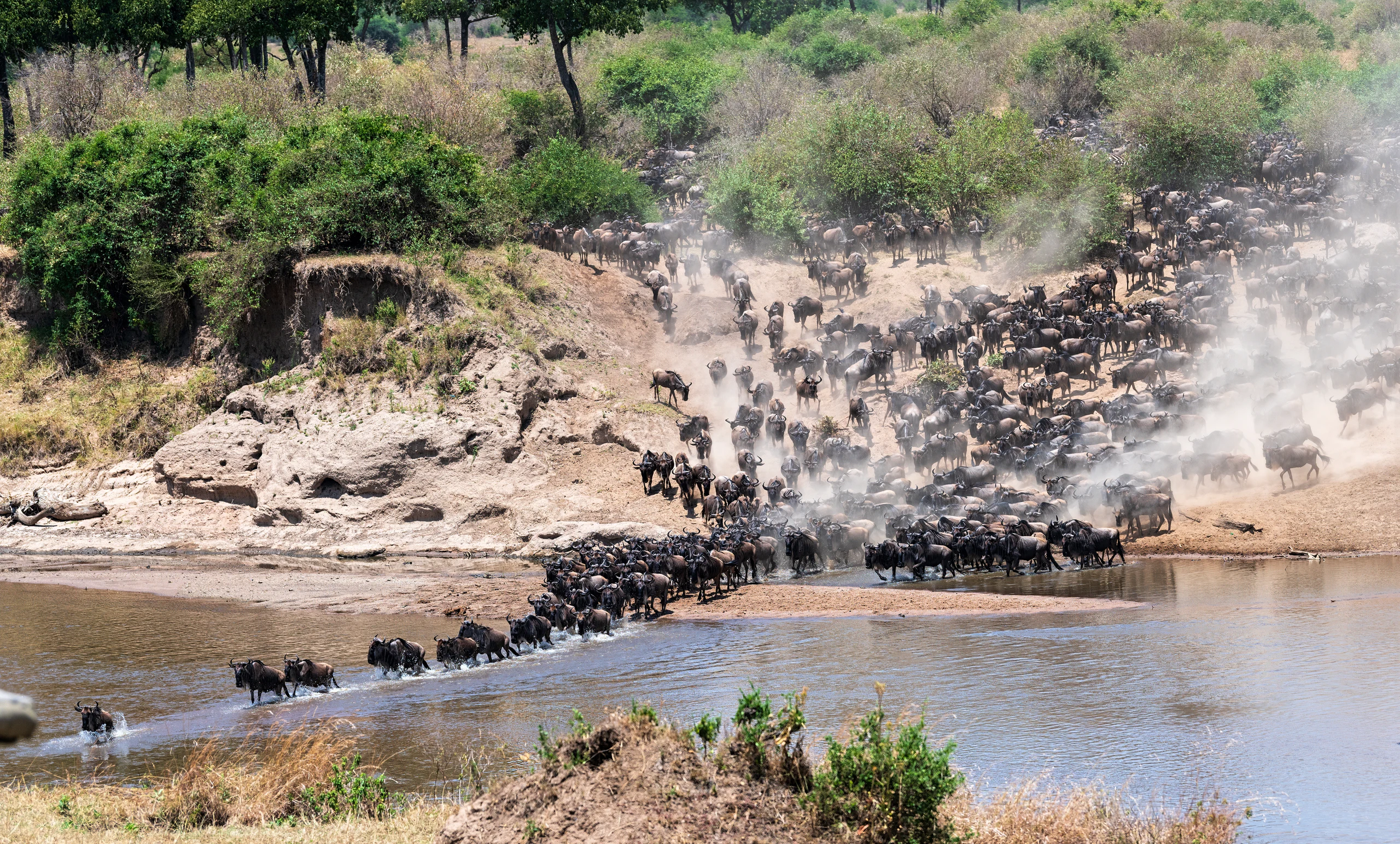
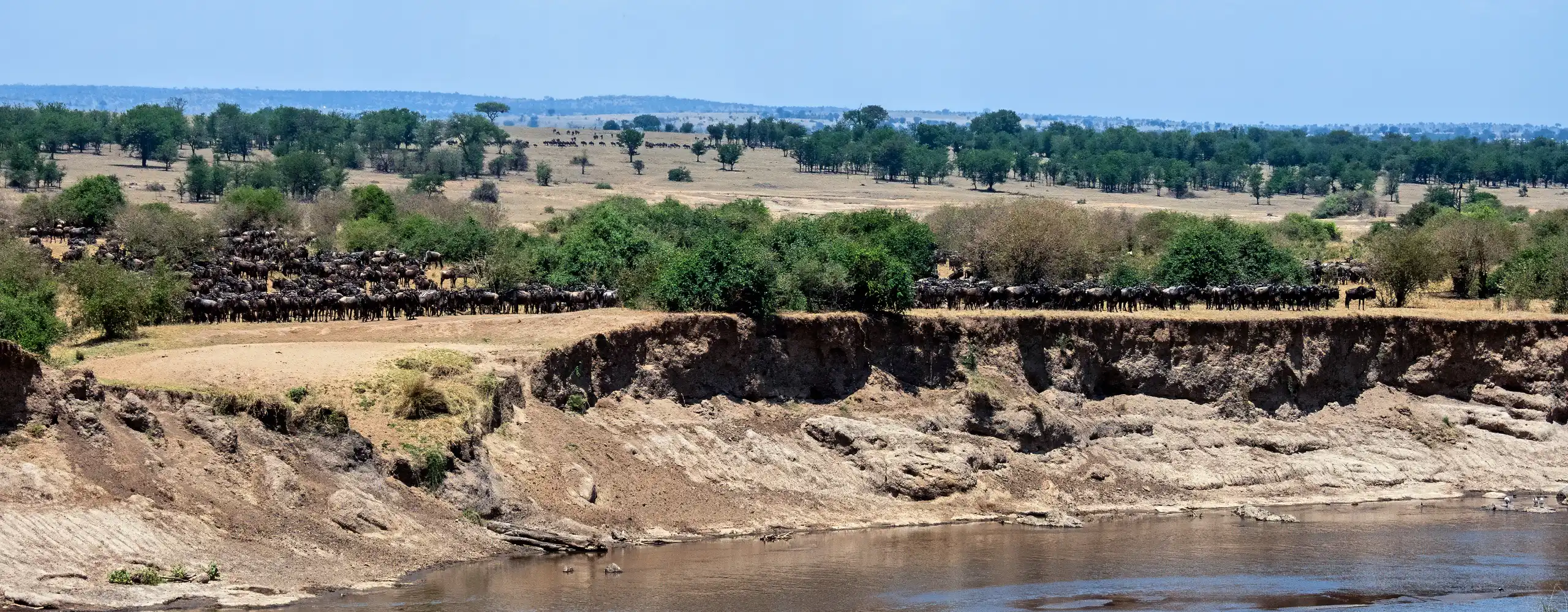
This is the region most closely associated with the Mara River crossings. From roughly July through September, and sometimes into October depending on conditions, large herds can gather around the river before attempting to cross.
The anticipation is a major part of the experience. A herd may gather at the riverbank for hours, move along the edge, disappear into the woodland and return later. Sometimes the animals cross almost immediately. Sometimes they never cross while you are watching.
The Northern Serengeti is therefore about more than the crossing itself. The landscape is more remote and rugged than the central plains, and the northern migration can bring huge concentrations of wildlife into the area.
What the Northern Serengeti migration feels like
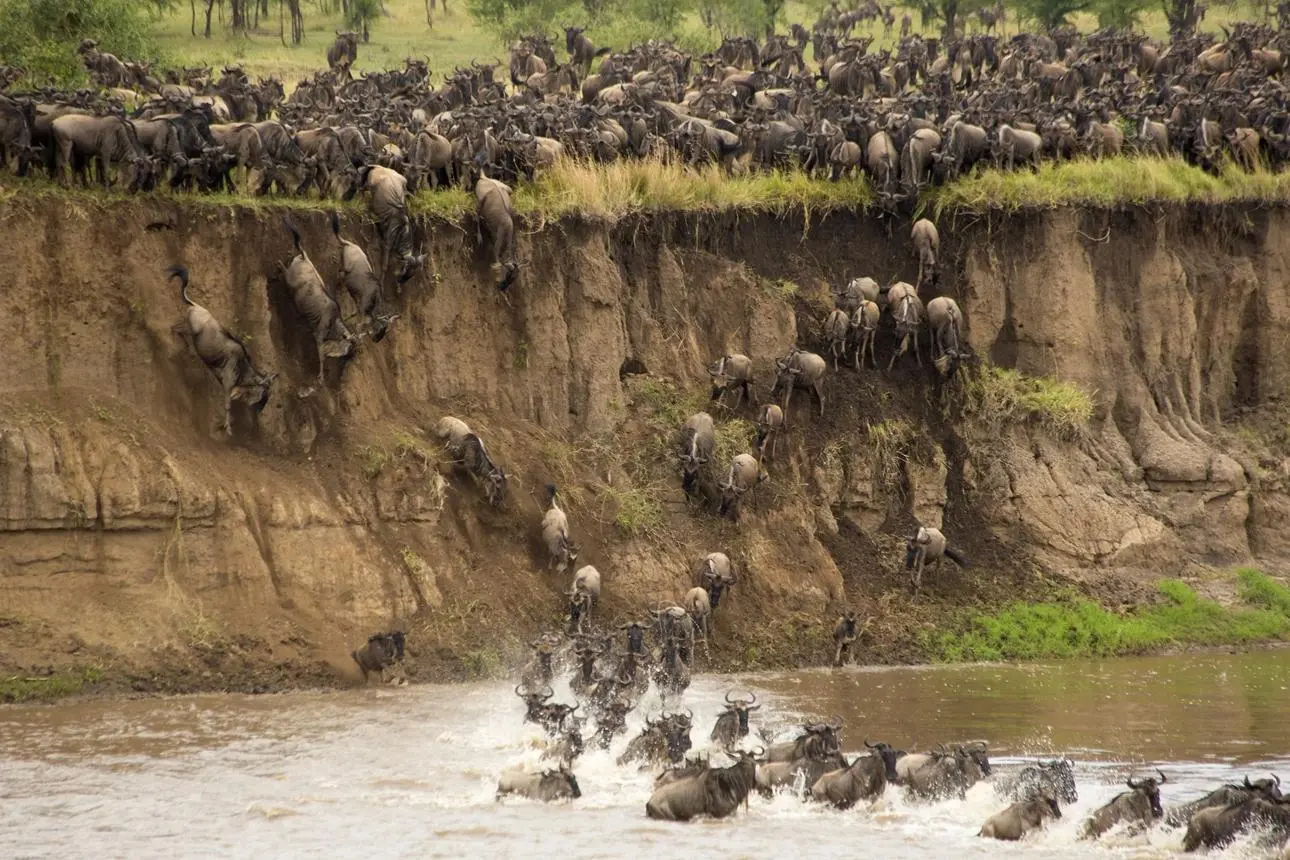
There is a lot of patience involved.
You might spend the morning watching thousands of wildebeest gather near a river, never knowing whether they will enter the water. Then, without warning, one animal takes the first step and the entire scene changes.
That uncertainty is what makes the experience so memorable — and why no responsible safari operator can promise a crossing.
- Best migration focus: July–September
- Main experience: Northern migration, Mara River, large herds
- Key areas: Kogatende, Mara River, Lamai
What You Can Expect in Each Region
The three regions offer very different migration experiences. The choice is therefore less about which region is better and more about which part of the migration you want to experience.
- Southern Serengeti: Think newborn calves, large concentrations of wildebeest and intense predator activity.
- Central Serengeti: Think moving herds combined with excellent resident wildlife and classic Serengeti landscapes.
- Northern Serengeti: Think huge herds, remote landscapes and the possibility of witnessing a Mara River crossing.