Ndutu Calving Season Overview
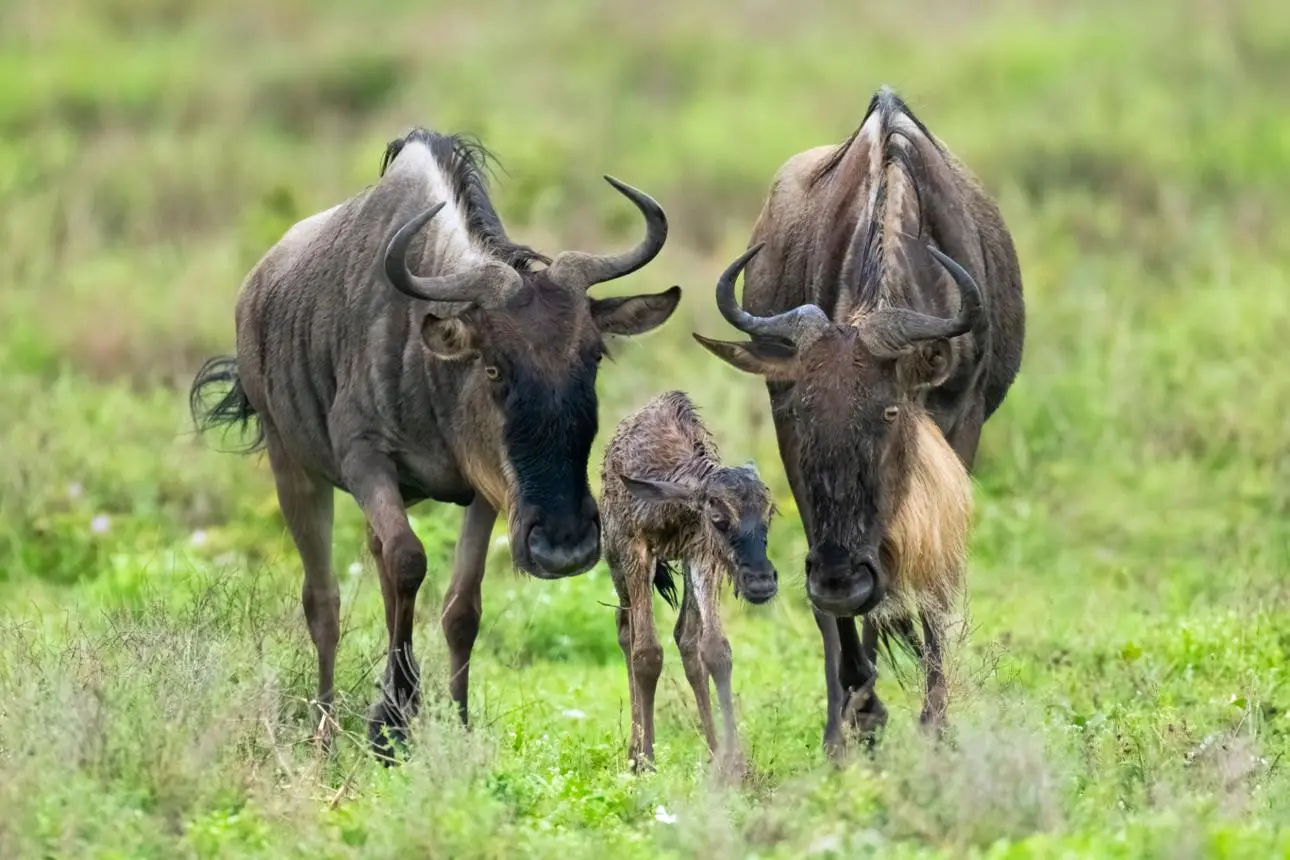
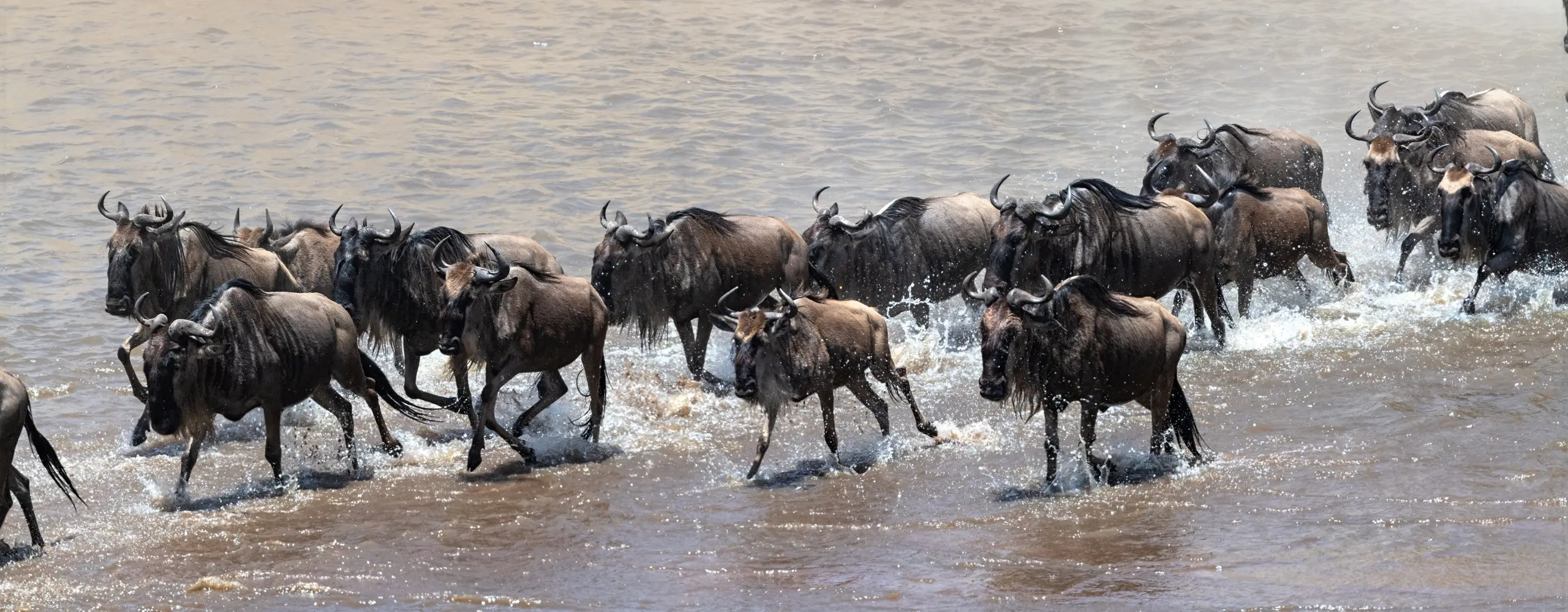
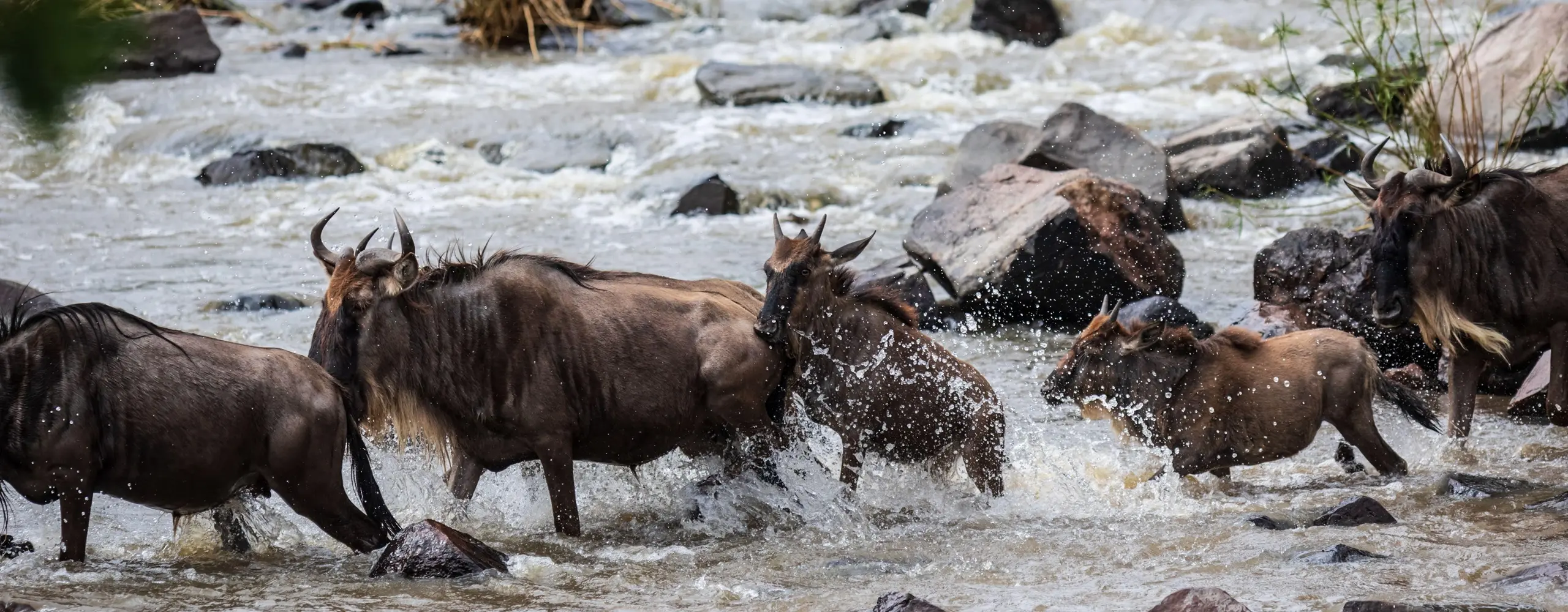
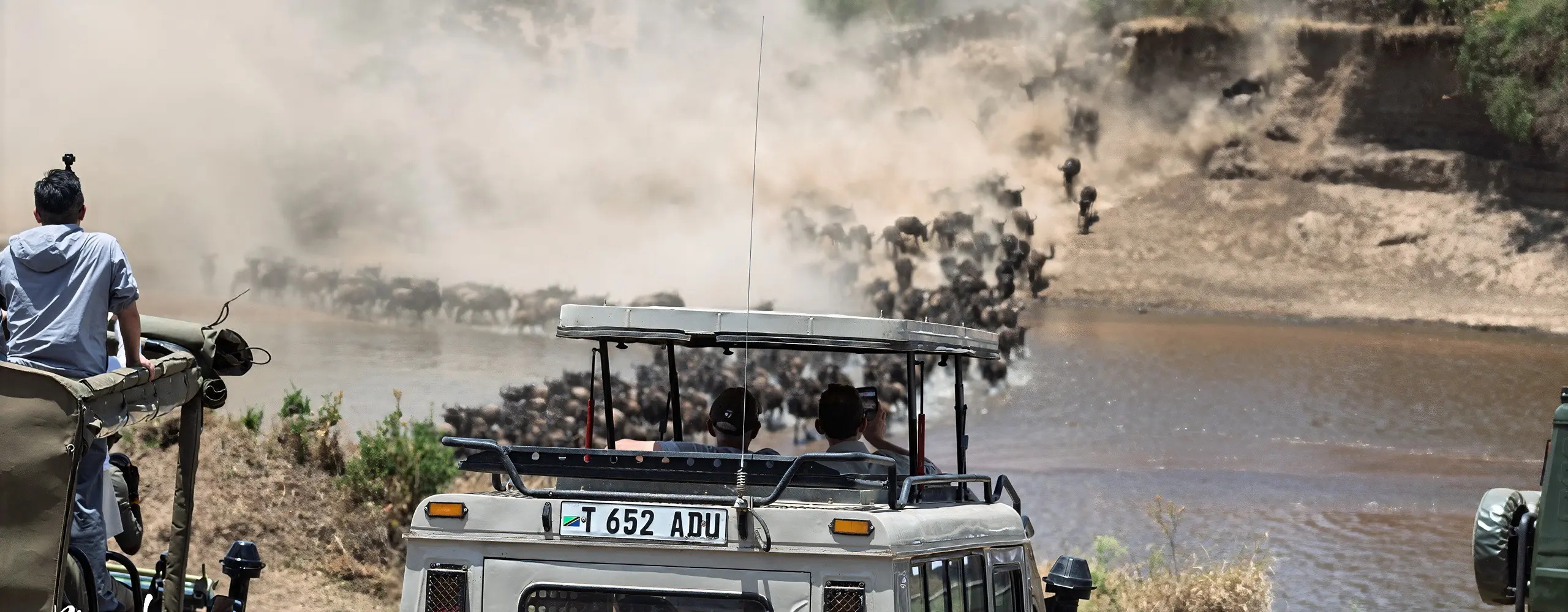
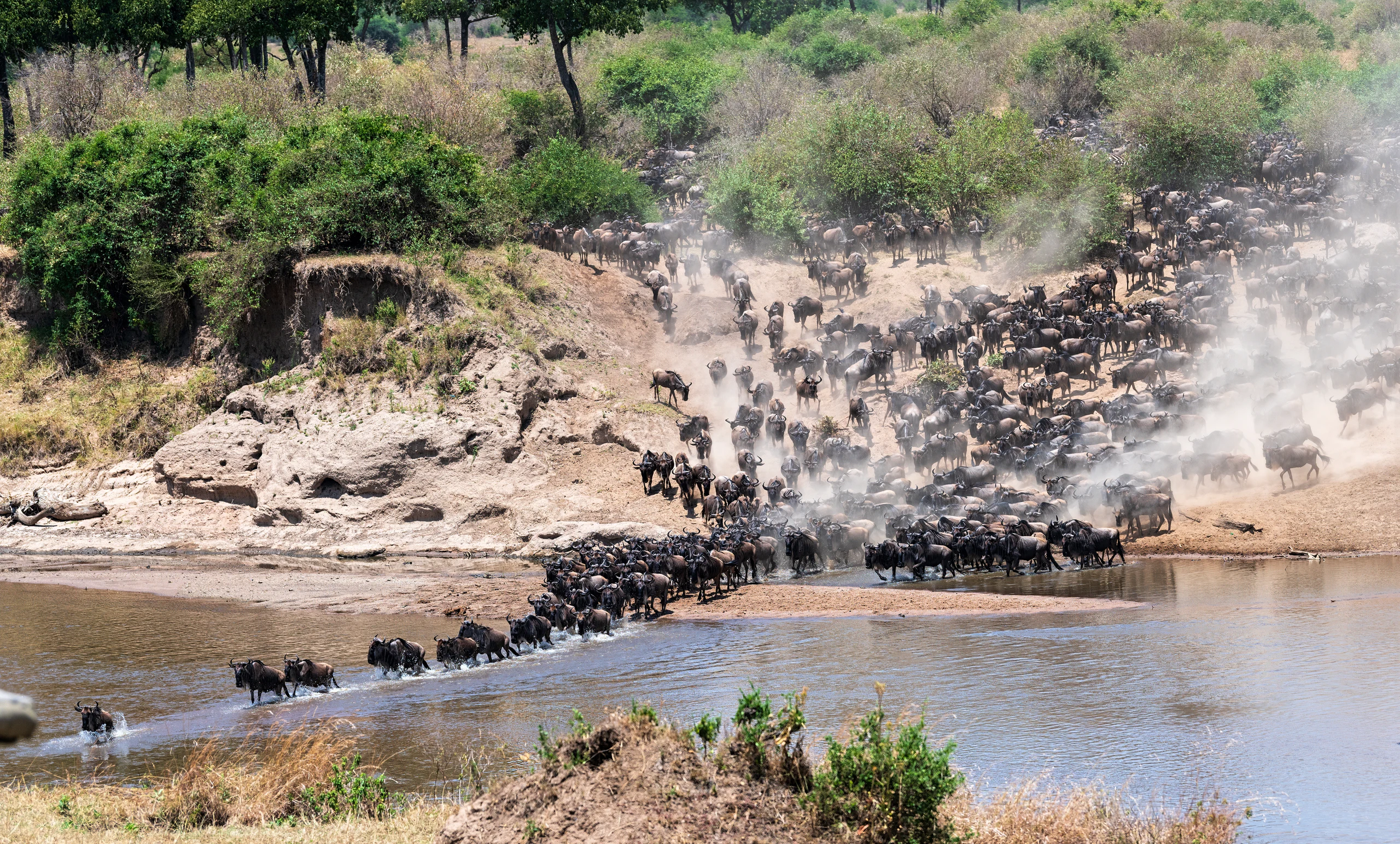
There is something very different about visiting Ndutu during calving season. Instead of waiting for one dramatic event, you are surrounded by life everywhere you look. Wildebeest gather across the short-grass plains, mothers give birth, tiny calves take their first steps and predators follow closely behind. It can feel almost overwhelming at times because the whole landscape is moving at once.
Why the Wildebeest Come to Ndutu
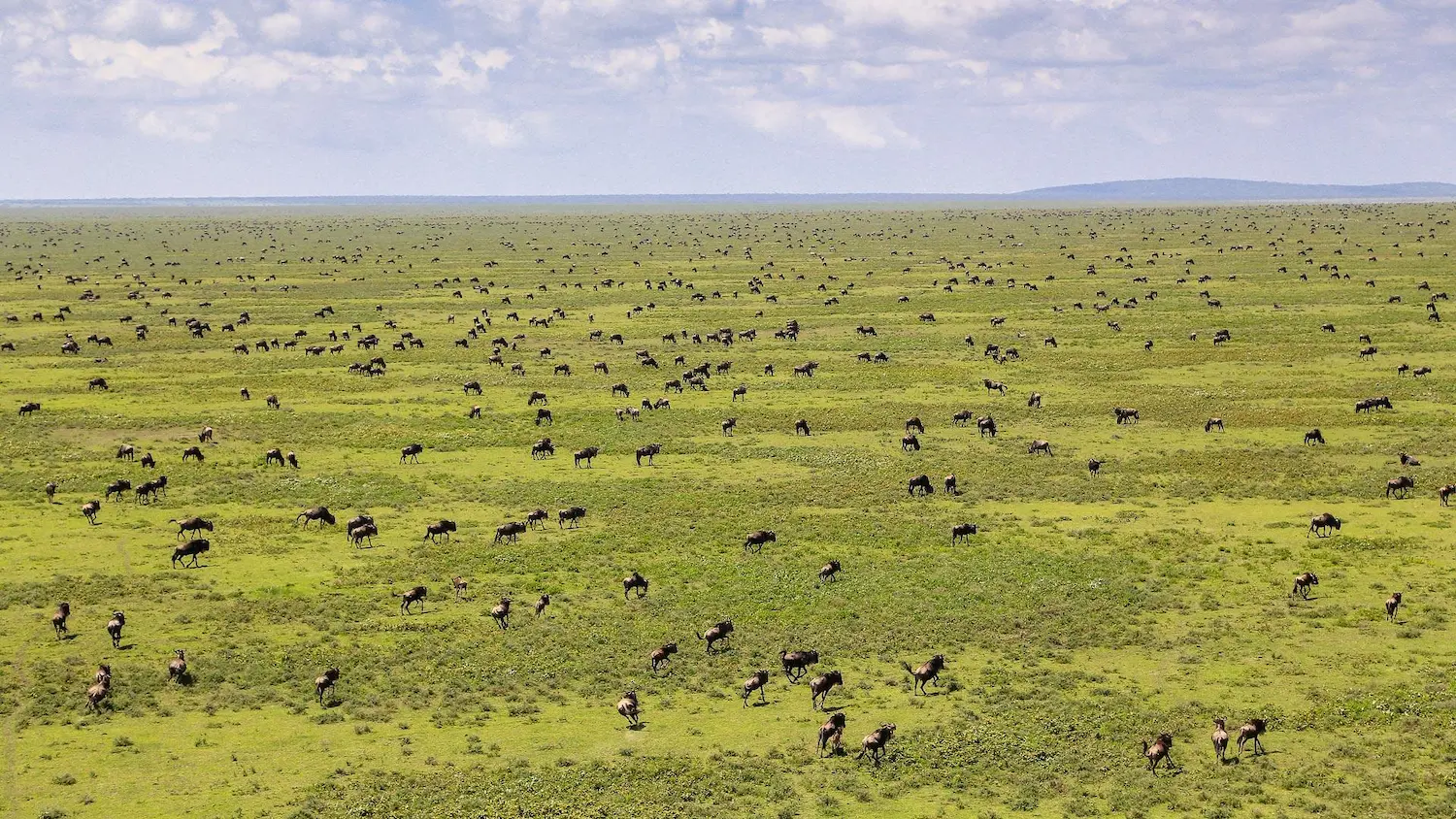
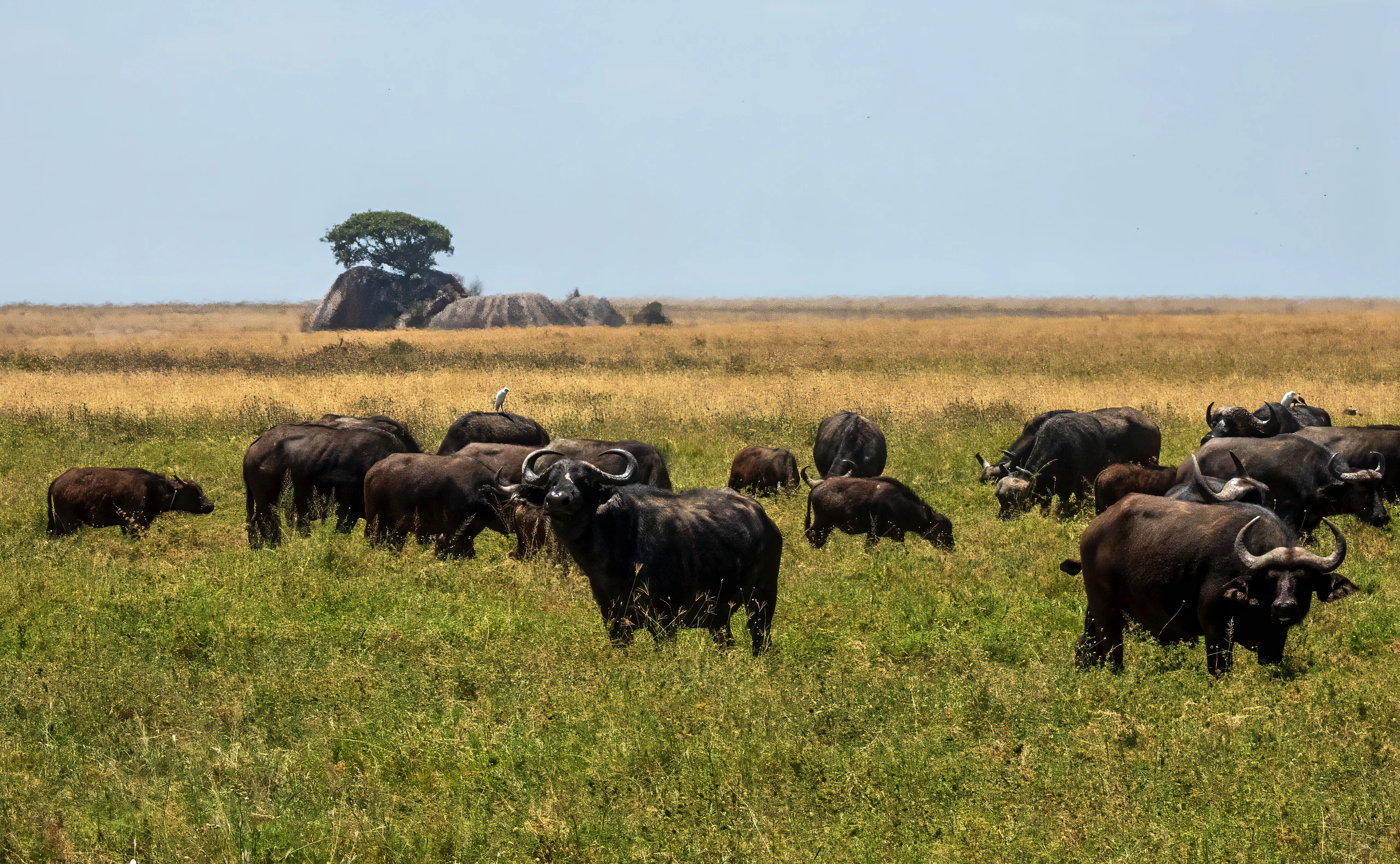
The atmosphere is birth, urgency, and wide-sky photography. You are not dependent on a single riverbank moment. Instead, you spend days among mega-herds, watching maternal behavior, scavenger dynamics, and big-cat hunting strategy.
When Is Calving Season?
Calving generally takes place from January through March, with the largest concentration of births usually happening around February. The exact timing depends on the rains, so it can shift from one year to another. If seeing newborn calves is your main reason for visiting, January through February is the period to focus on, while March can still offer excellent wildlife viewing as the young calves become stronger and the herds begin moving again.
What Happens During Peak Calving
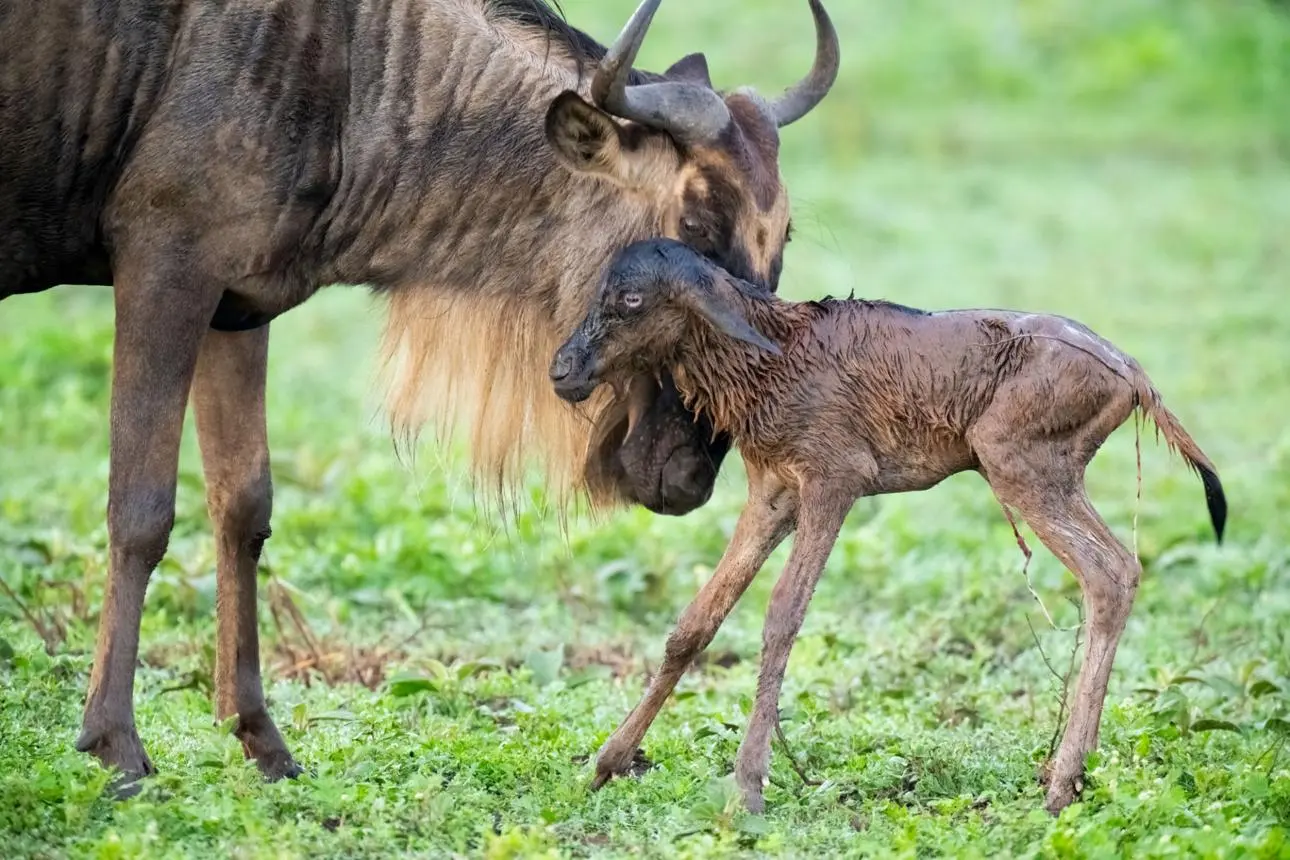
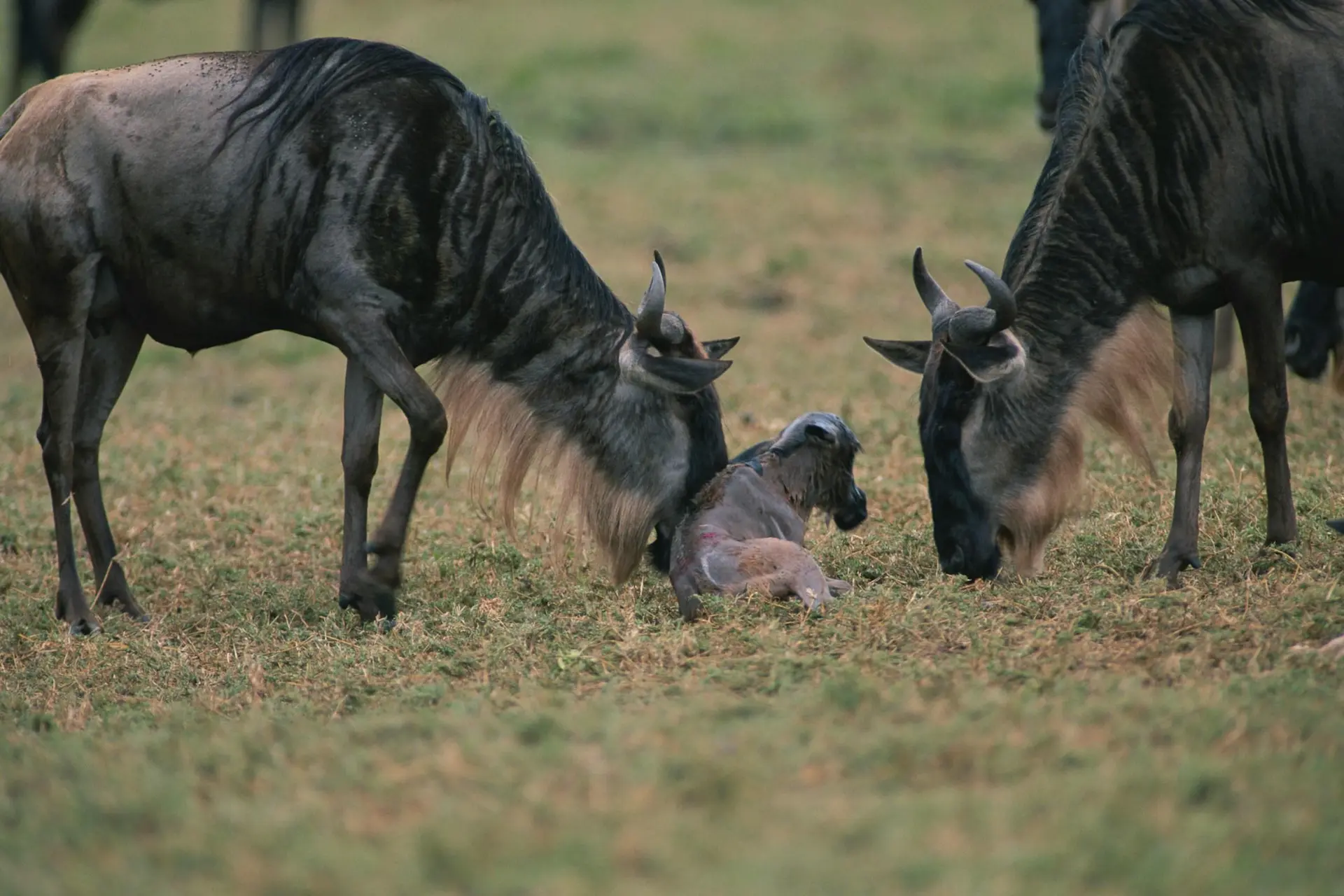
At the height of the season, the plains can be filled with wildebeest as far as you can see. Thousands of calves may be born around the peak of the season, creating an almost constant cycle of births, nursing and movement. A newborn calf has very little time to find its feet — it can stand surprisingly soon after birth and must quickly learn to stay close to its mother. With so many young animals in one place, the atmosphere on the plains is unlike any other time of the migration.
The Predators Follow the Herds
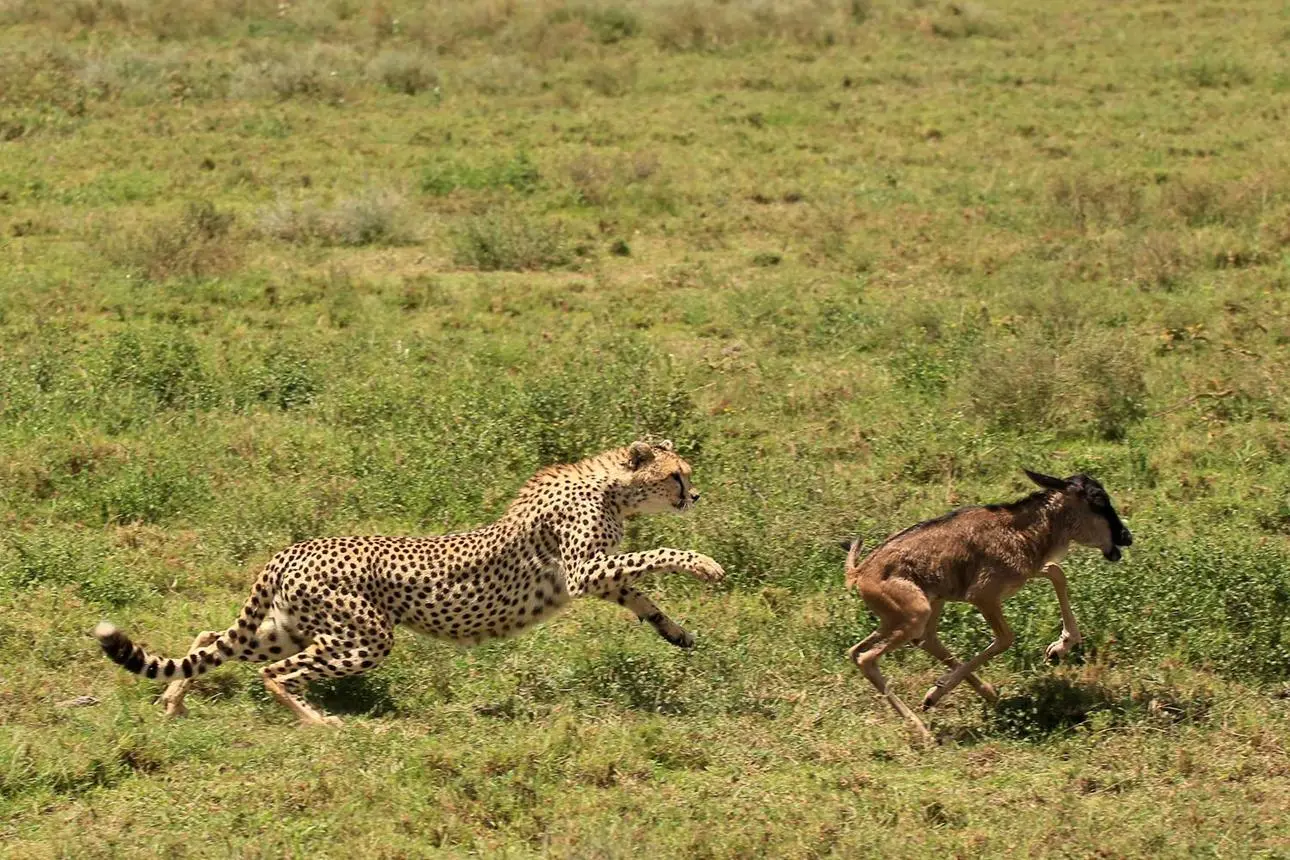
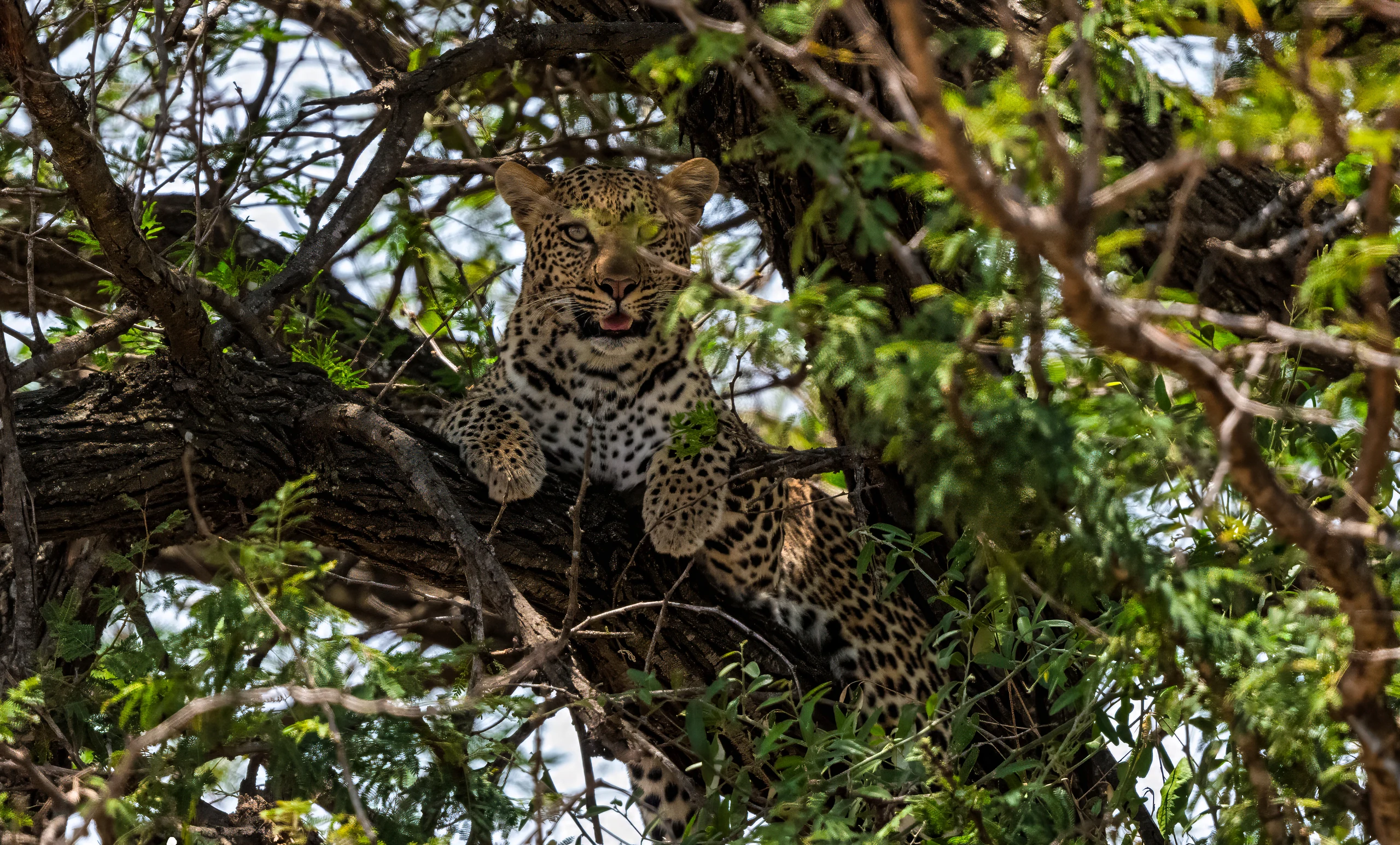
Where there are thousands of newborn calves, predators are never far away. Lions, cheetahs, spotted hyenas and jackals are all drawn to the southern plains during calving season. Cheetahs are particularly interesting to watch here because the open grasslands give them plenty of room to stalk and chase. A game drive can begin with newborn calves and suddenly turn into a predator encounter a few minutes later.
A Morning on the Ndutu Plains
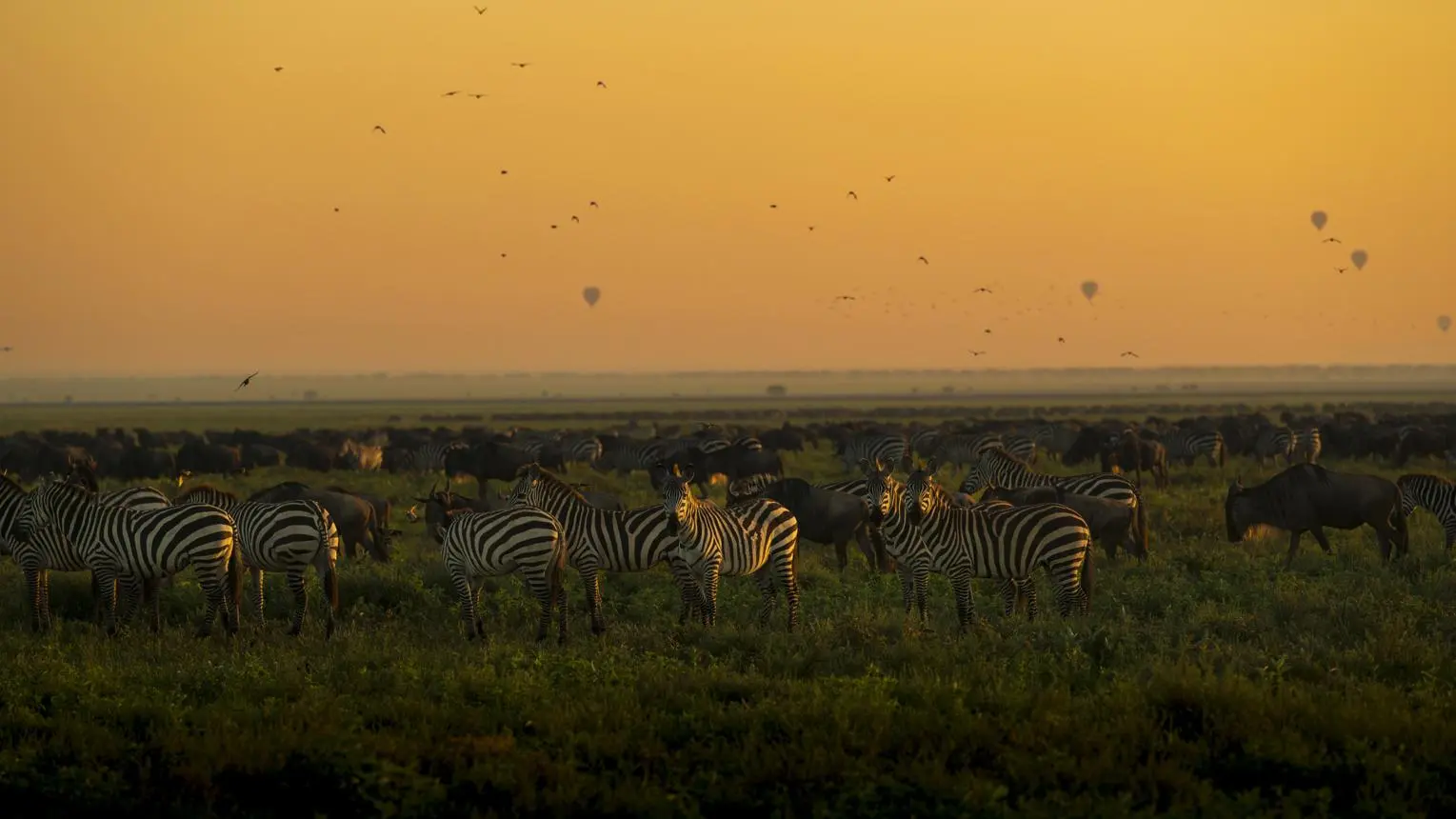
A morning game drive in Ndutu often starts quietly. The light is soft, the plains are still cool and wildebeest are spread across the grass. You might find a mother standing beside a newborn calf, a group of zebra moving through the herd or a cheetah scanning the horizon. Then something changes — a predator appears, a birth begins or a herd suddenly starts moving. These small moments are what make a calving-season safari so rewarding.
Ndutu in January, February and March
January is when the season begins to build, with the herds settling across the southern plains and more calves appearing. February is usually the heart of the calving season, when births and predator activity are at their most concentrated. By March, many calves are stronger and the herds begin to move away from the southern plains, but the area can still be green and full of wildlife.
Where to Stay for Calving Season
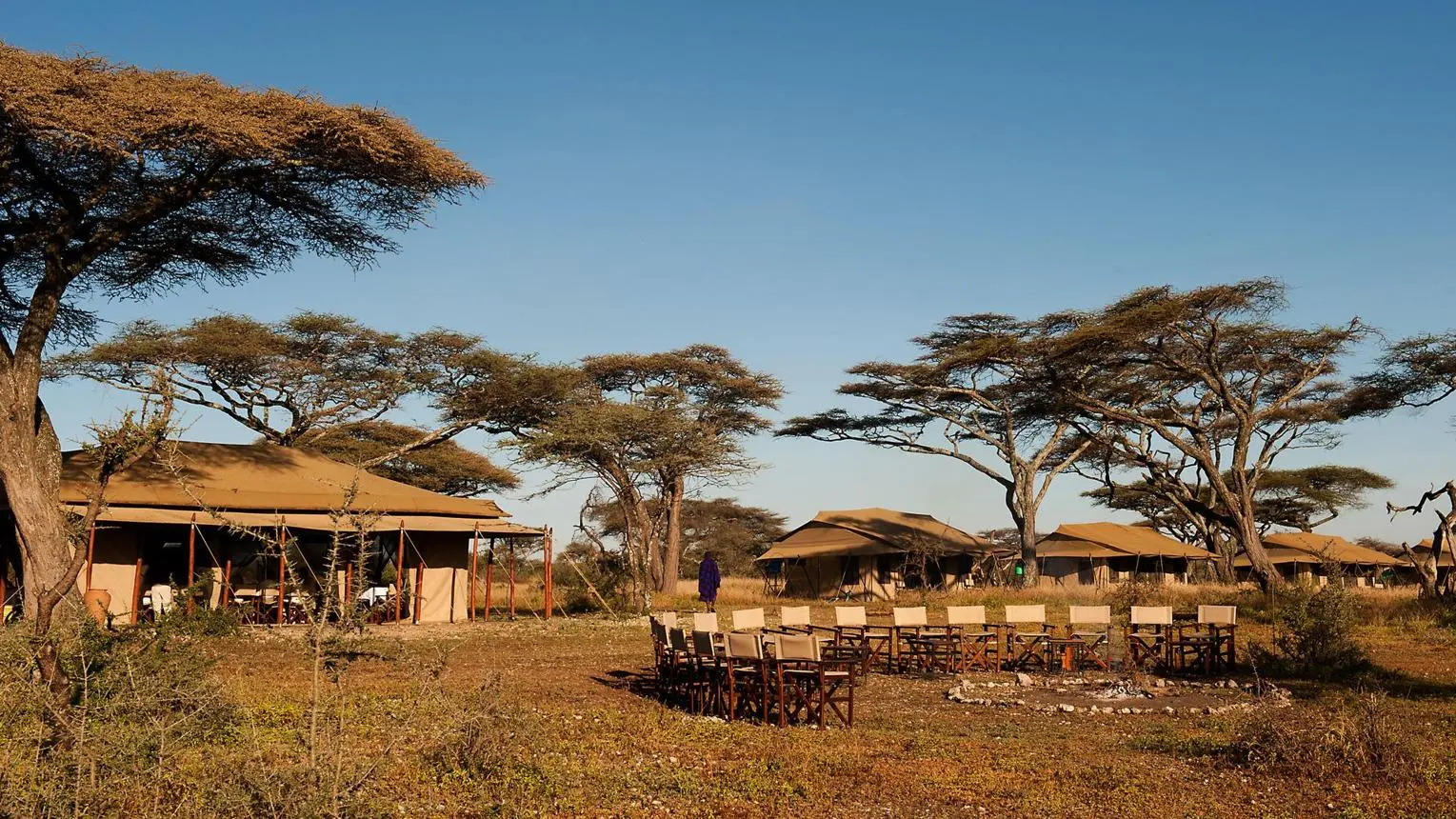
For a calving-season safari, where you stay matters. Being in or close to the Ndutu area means you can spend more time on the southern plains instead of making long drives just to reach the herds. Seasonal and mobile camps are particularly useful because they are positioned around the migration during this part of the year. A few nights in the right area can make the difference between spending your mornings with the herds and spending them on the road.
Photography During Calving Season
Ndutu is a wonderful place for wildlife photography because the landscape is open, the grass is green and there is activity in almost every direction. Newborn calves, protective mothers, predators and large herds all create different opportunities. The changing weather can also bring dramatic skies and beautiful light. The best photographs, however, often come from being patient rather than chasing action — sometimes the scene develops right in front of you if you simply wait.
Planning Your Ndutu Calving Safari
If calving season is the main reason for your trip, give yourself several nights in the southern Serengeti rather than trying to see everything in one day. The more time you have, the more opportunities you have to see births, young calves, predators and the everyday life of the herds. You can also combine Ndutu with the Ngorongoro Crater and other northern Tanzania destinations, creating a safari that follows the migration without making the entire trip dependent on one wildlife event.