Mara River crossing overview
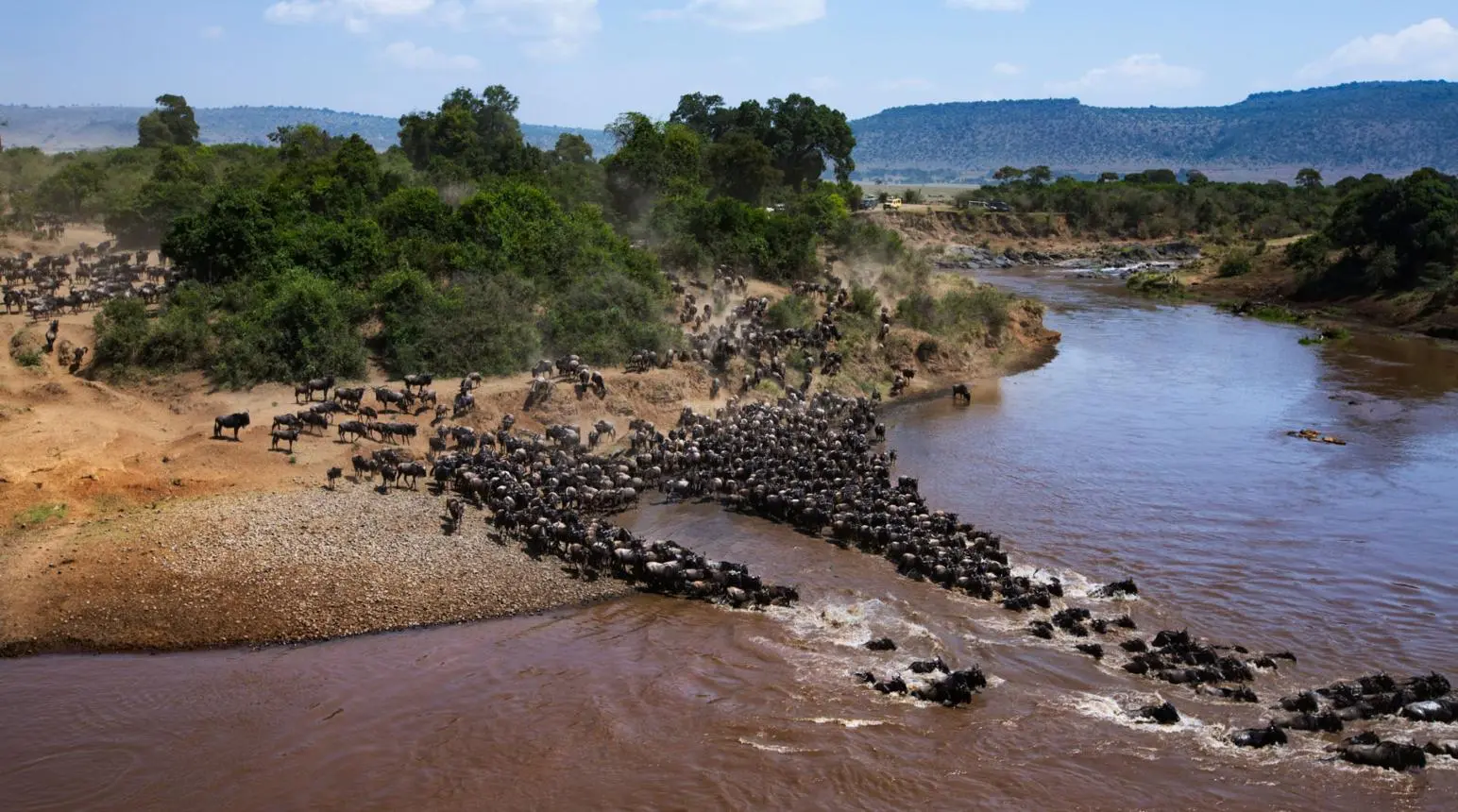
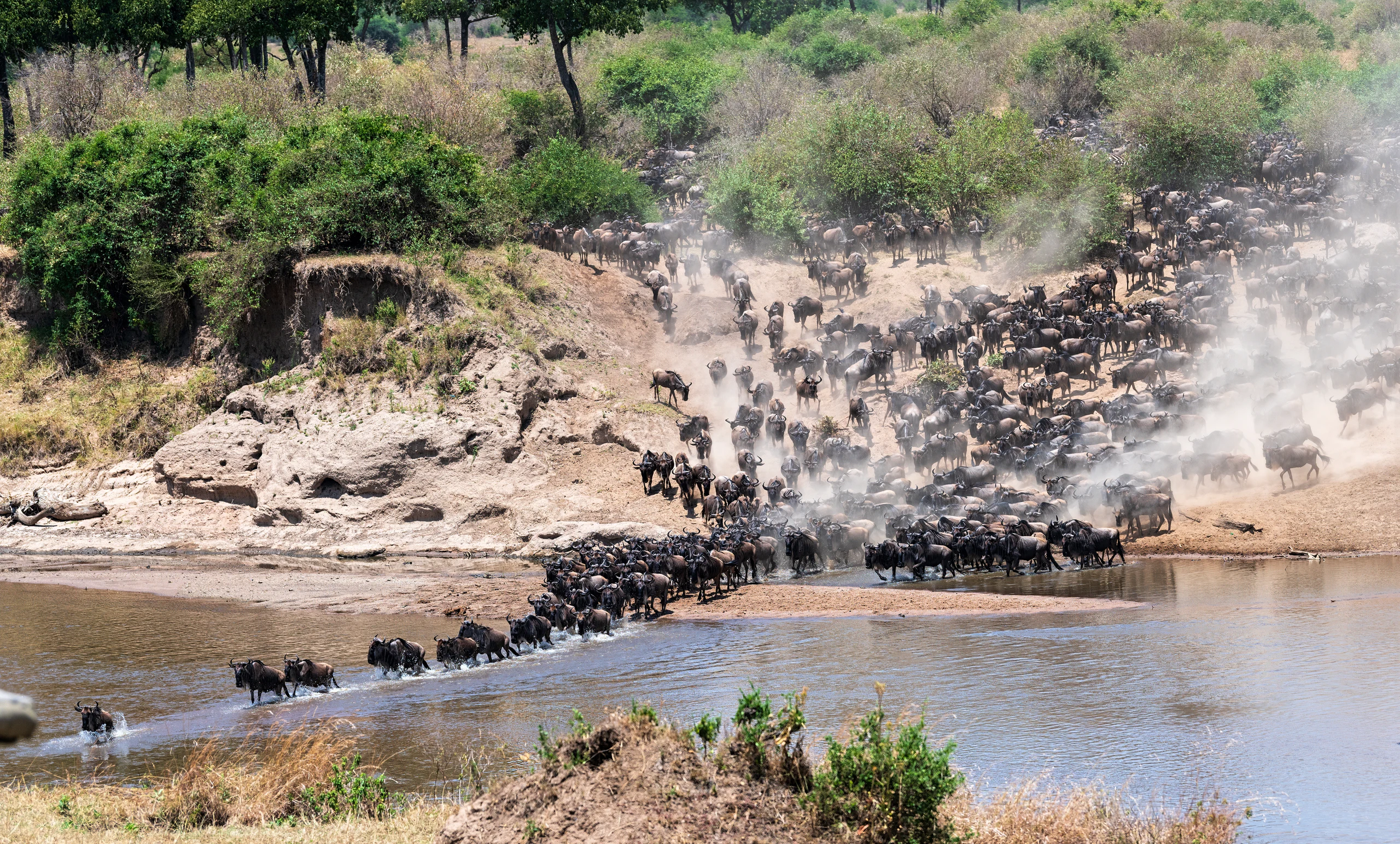
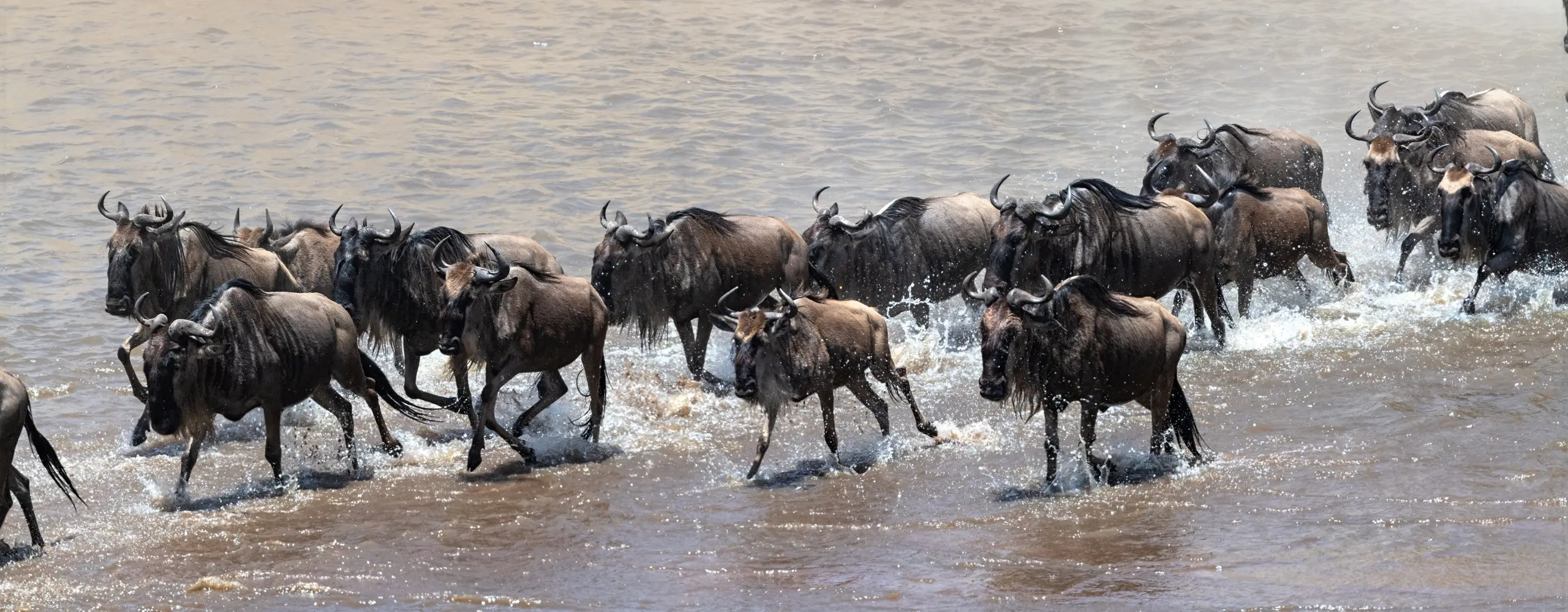
The Mara River crossing is one of those safari moments that can be difficult to describe until you see it for yourself. Thousands of wildebeest and zebra gather along the river, sometimes for hours, before one animal finally makes the decision to enter the water. When the herd follows, everything can happen very quickly. It is exciting, dramatic and completely natural — but there is never a guarantee that a crossing will happen while you are there.
Why the Mara River Crossing Is Unpredictable
The hardest thing about planning for a river crossing is accepting that the animals are in charge. A herd may reach the river and wait for hours, move along the bank, enter the water and suddenly turn back. They may also choose a different crossing point altogether. Rain, river levels, the movement of the herd and the behavior of individual animals can all change what happens. This uncertainty is part of the experience.
When Do the Mara River Crossings Happen?
The main crossing season in the Northern Serengeti is usually from around July to September, although the exact timing changes from year to year. Late July through mid-September is often a good period to plan around, but migration dates cannot be treated like a timetable. Some herds may arrive earlier, while others may stay in the area later. The best approach is to give yourself enough time in the region rather than plan your entire safari around a single day.
Where to See the Mara River Crossings
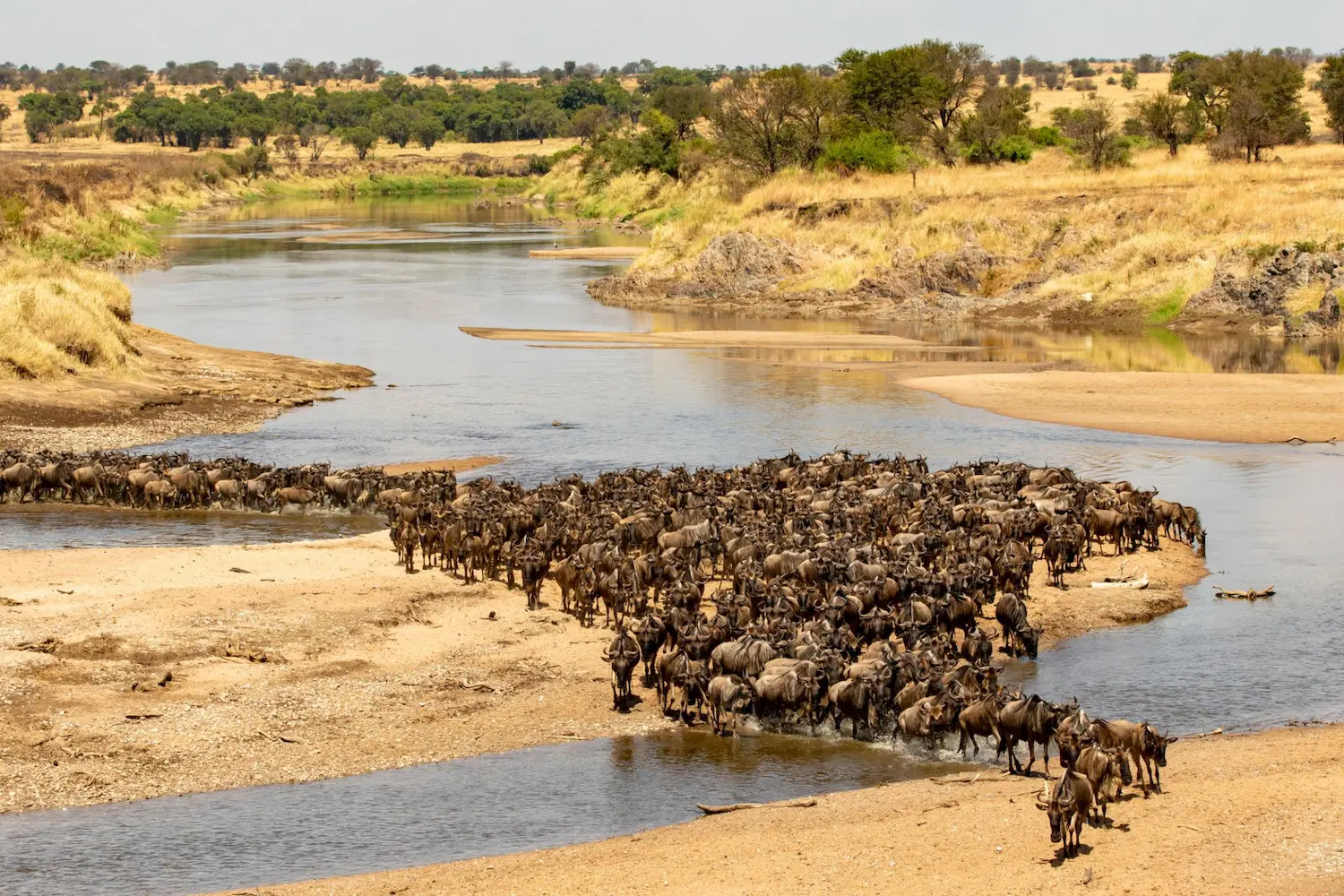
On the Tanzanian side, the best-known crossing areas are in the Northern Serengeti around Kogatende and the Mara River. Staying in this part of the Serengeti during migration season puts you much closer to the herds when they are moving through the area. Exactly where the animals will be on any particular day is impossible to know, which is why having a knowledgeable guide and staying in the right area can make such a difference.
Crowds and Vehicles During Crossing Season
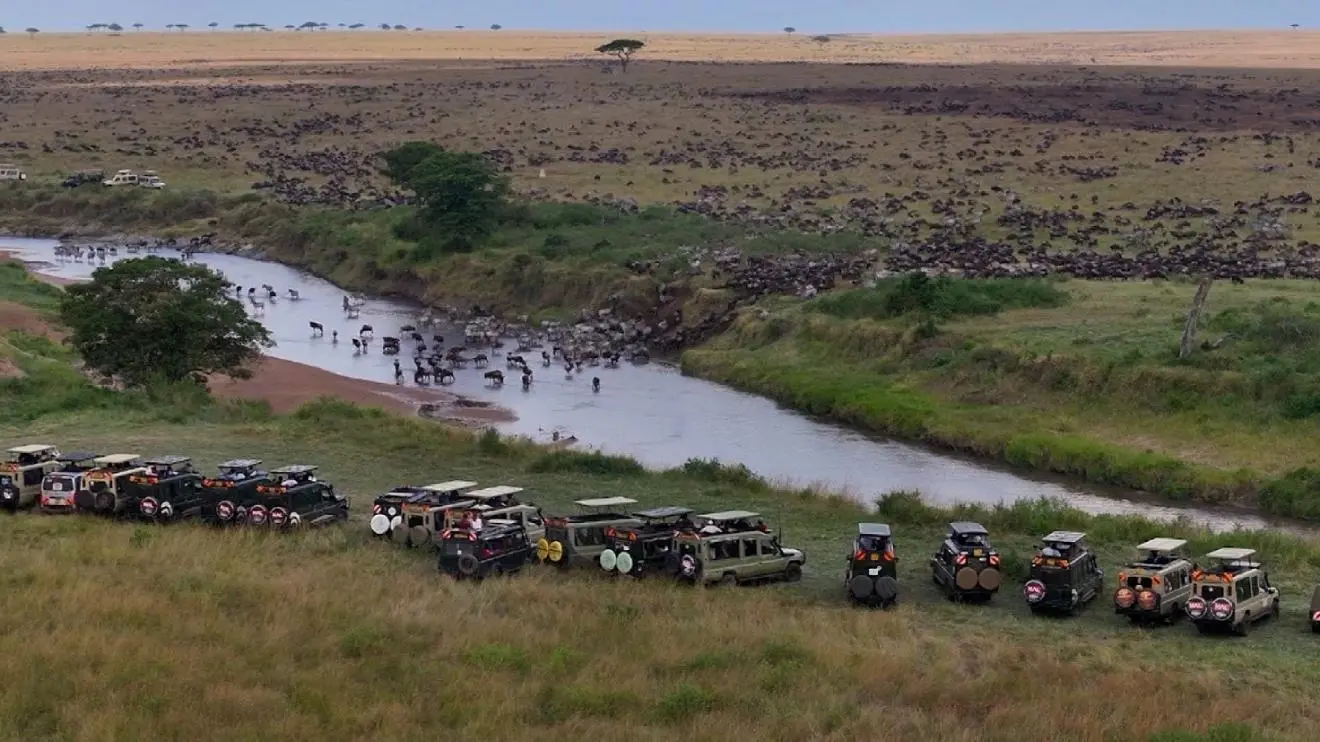
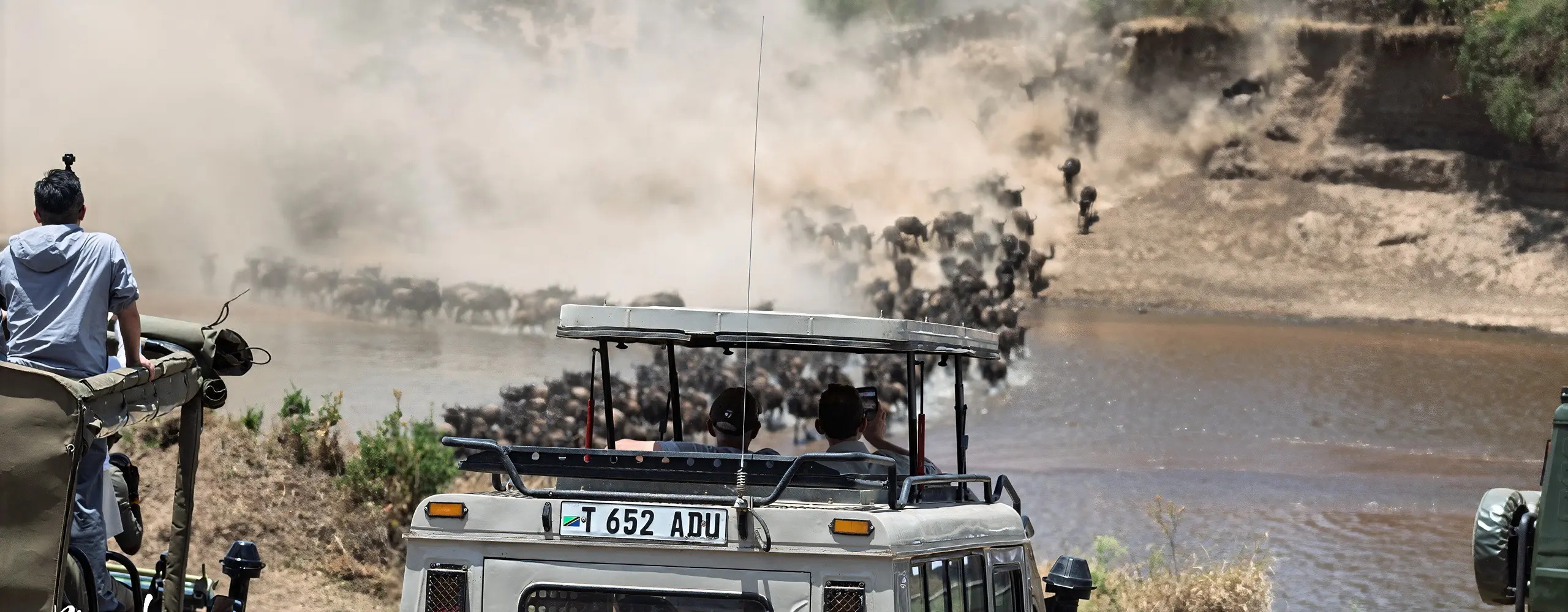
The popularity of the Mara crossing also brings more safari vehicles. When a large herd gathers at a crossing point, several vehicles may quickly arrive because everyone wants to see what happens next. Some days can therefore feel quite busy, especially around well-known crossing points. Choosing a good camp location, traveling with a private vehicle and working with an experienced guide can give you more flexibility and help make the experience feel less rushed.
What a River Crossing Actually Looks Like
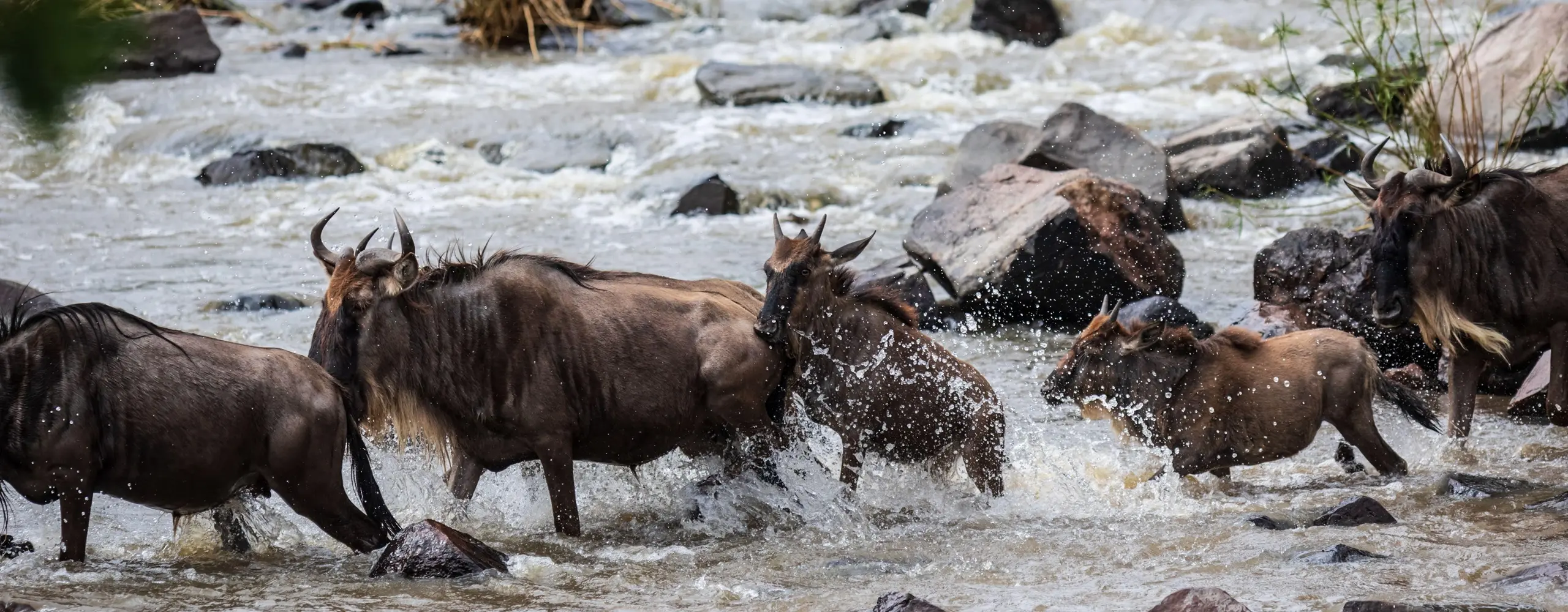
A crossing often begins very quietly. You may see a huge herd gathered on the riverbank, apparently doing very little. Then, after a long wait, one wildebeest moves toward the water and others begin to follow. Within moments, hundreds of animals can be scrambling down the bank and into the river. The water, steep banks, strong currents and crocodiles make the crossing dangerous, and watching the herd navigate these obstacles is what makes the experience so powerful.
How to Plan a Safari Around the Crossing
If seeing a Mara River crossing is important to you, give yourself time. Spending several nights in the Northern Serengeti gives you a much better opportunity to follow the herds and wait for the right moment. Your guide can adjust the day's plans based on recent sightings and movement in the area. This is one of those experiences where flexibility is far more valuable than trying to follow a fixed schedule.
Responsible & Ethical River Crossing Viewing
A river crossing should always be about watching the animals, not trying to make the animals perform for visitors. Experienced guides know when to give a herd space, when not to move closer and how to avoid interfering with the animals' route. It is also important to be patient. Sometimes the most responsible thing to do is simply wait quietly and let the animals decide what happens next.
Why You Should Never Expect a Guaranteed Crossing
Even if you visit at the right time of year and stay beside the Mara River, you may not see a crossing. The herd may cross somewhere else, arrive after you have left or decide not to enter the water at all. No honest safari operator can guarantee otherwise. A good migration safari should still be rewarding without a river crossing, because the Northern Serengeti itself offers exceptional wildlife, landscapes and opportunities to watch the migration unfold.
Planning Your Northern Serengeti Stay
We plan Northern Serengeti stays with the migration in mind, rather than promising a particular crossing on a particular day. Depending on your travel dates and what is happening on the ground, we can allow several nights in the north and adjust the wider itinerary around the movement of the herds. The goal is to put you in the right region with enough time and flexibility to give nature a chance to surprise you.