Roof of Africa
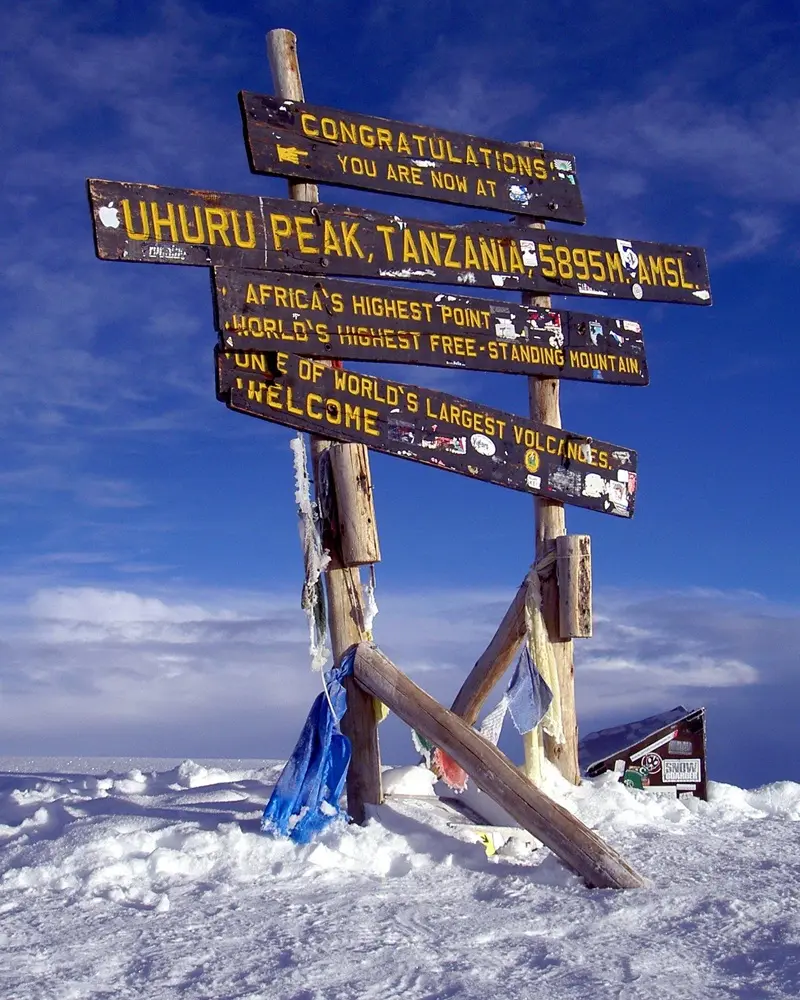
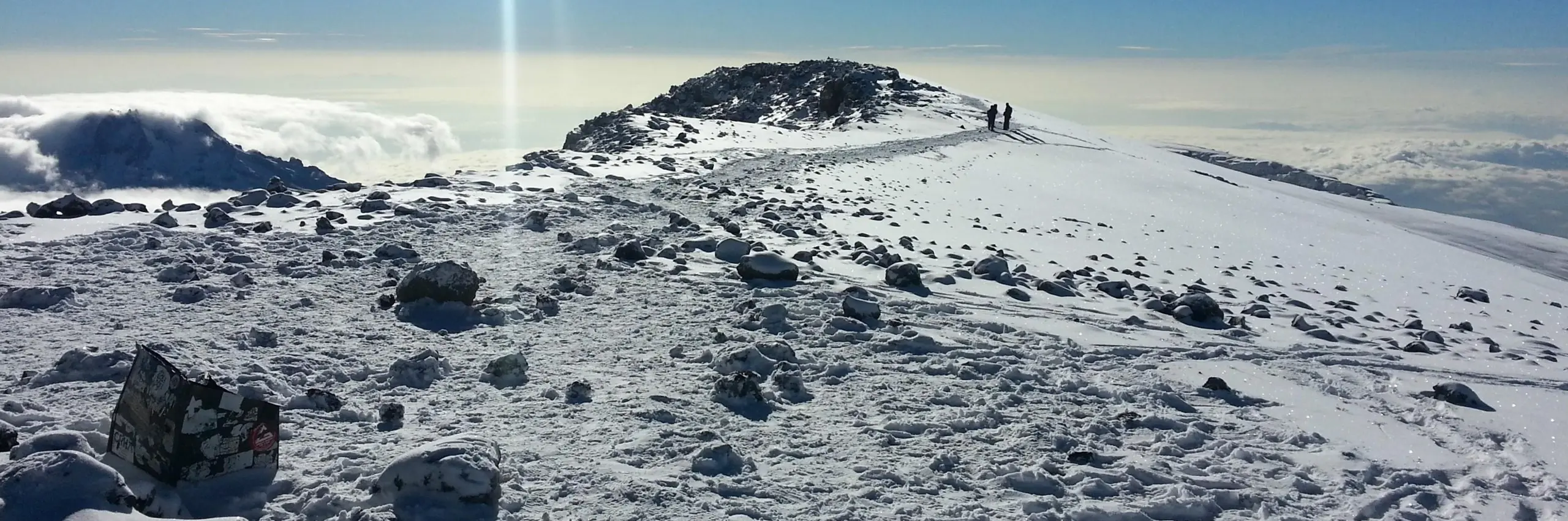
Stand on Uhuru Peak, 5,895 m, the highest point on the continent.
Mountains
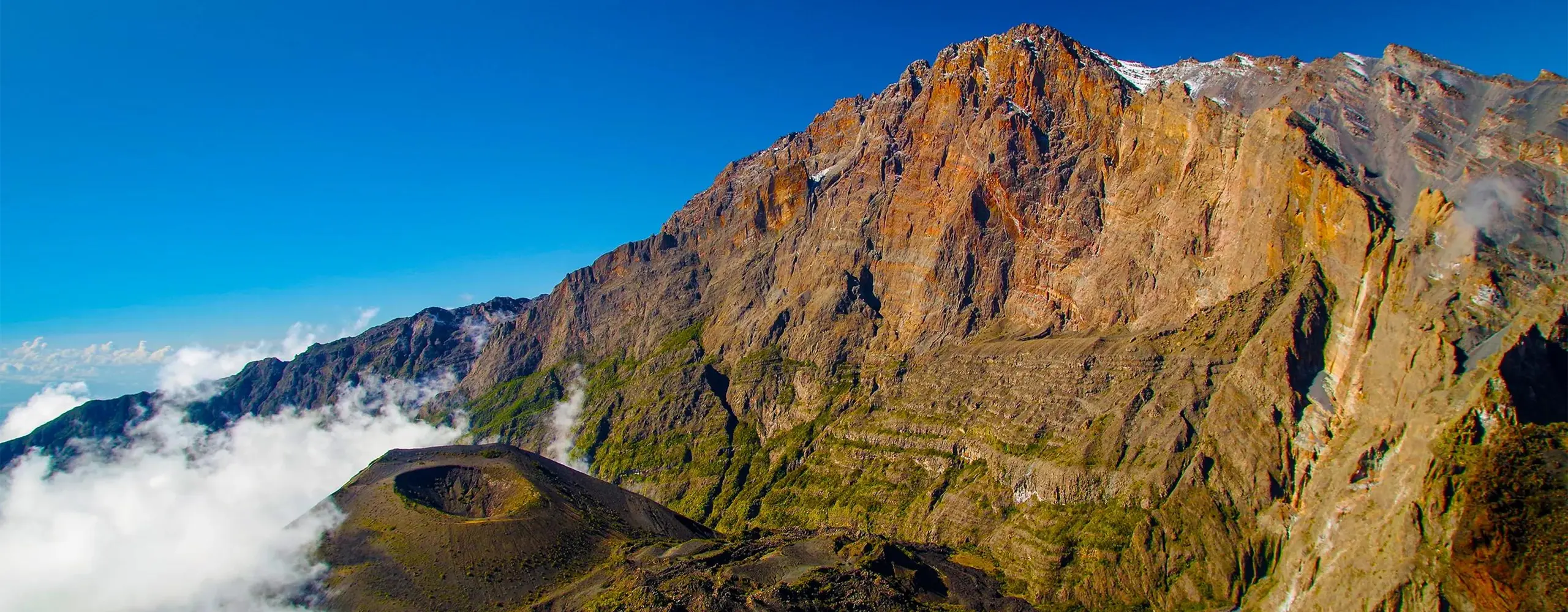
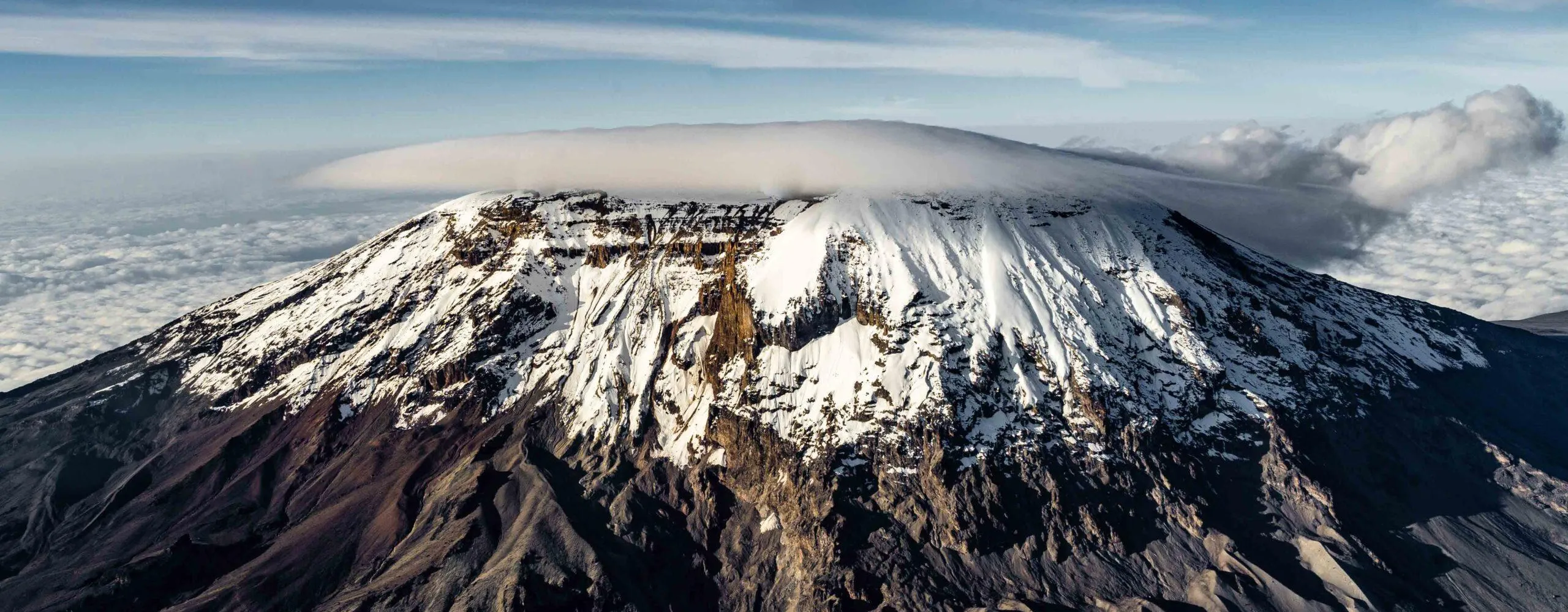
Kilimanjaro is the highest mountain in Africa and the tallest free-standing mountain in the world. You do not need climbing experience to reach Uhuru Peak, but you do need good fitness, the right route and enough days to acclimatise. Along the way you walk through rainforest, heath and moorland, alpine desert and finally the cold summit zone.
Stand on Uhuru Peak, 5,895 m, the highest point on the continent.
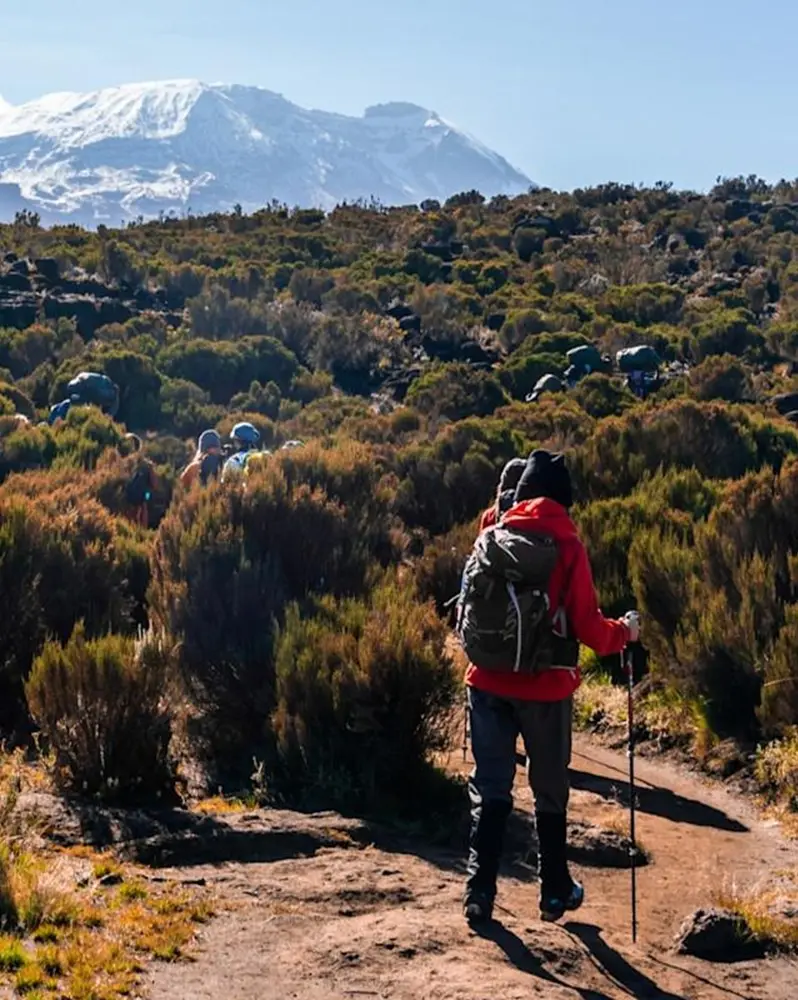
Cross rainforest, moorland and alpine desert in a single trek.
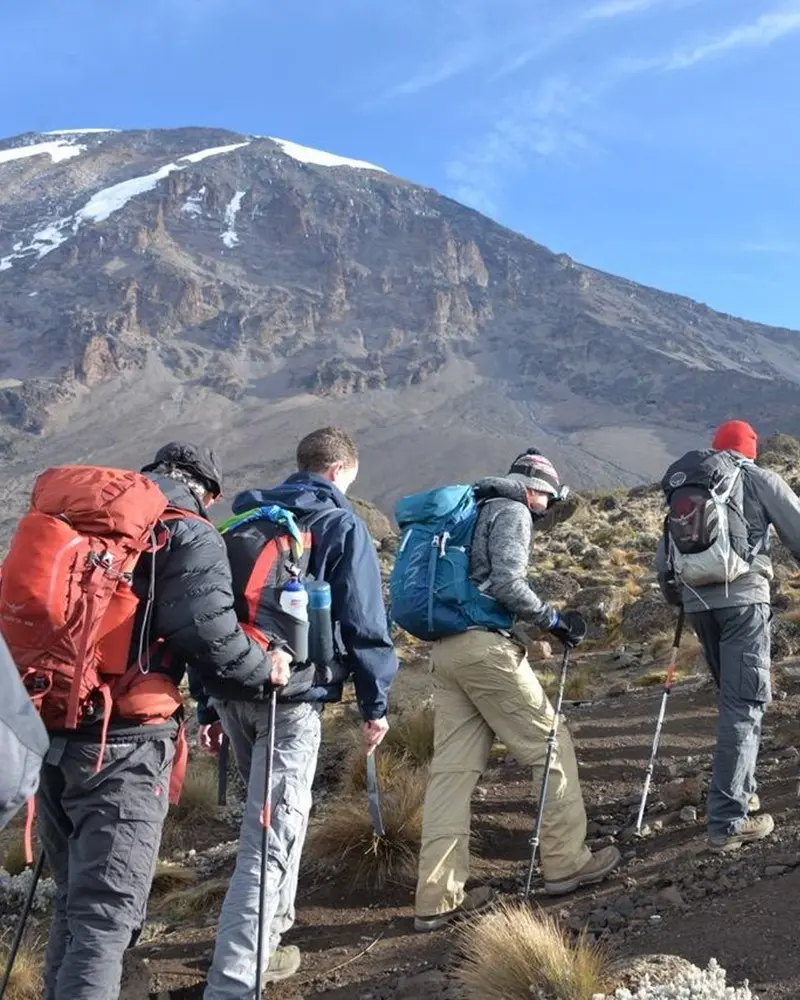
A long hike rather than a technical climb — pace and acclimatisation are key.
There are six main routes to the summit. Longer routes give your body more time to adjust to the altitude and usually improve your chance of reaching the top.
6–7 days
Popular and scenic, climbing from the south-west with good acclimatisation via the Barranco Wall.
7–8 days
Starts in the quiet west, crosses the Shira Plateau and has excellent acclimatisation.
5–6 days
The only route with hut accommodation; gentler gradient but less time to acclimatise.
6–7 days
Approaches from the north near the Kenyan border — drier and quieter, with a gradual climb.
5–6 days
The steepest and most direct route — only for experienced, very fit hikers.
8–9 days
The longest route, circling the quiet northern slopes with the best acclimatisation.
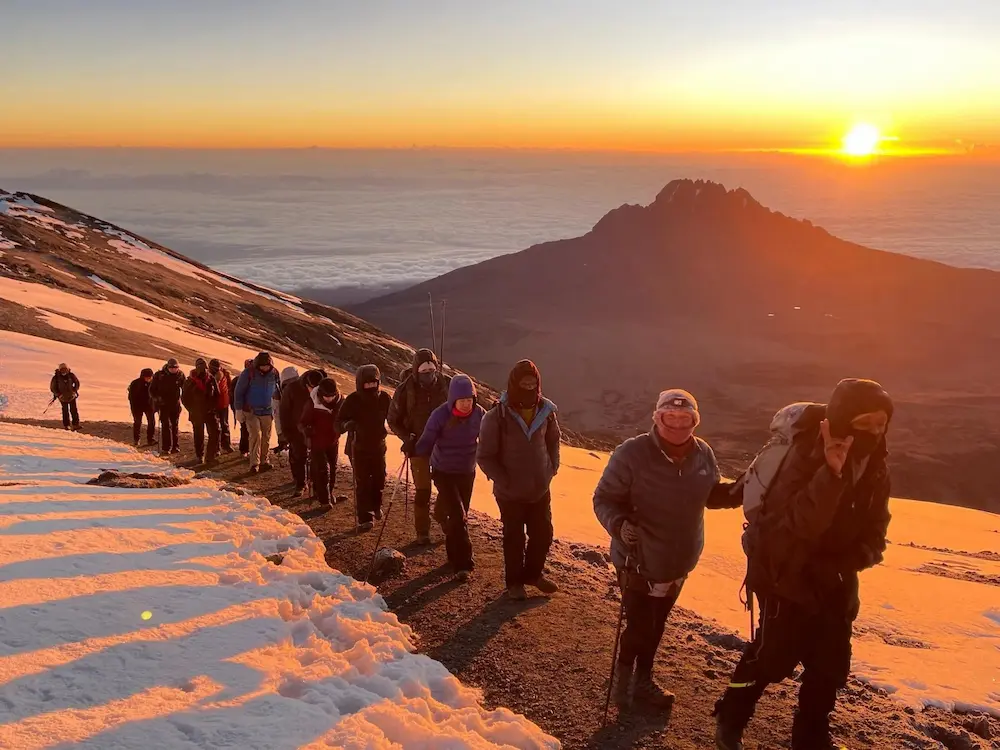
Most days are long, steady walks, but summit night is cold, steep and very tiring. Altitude — not technical difficulty — is the main challenge, and it can affect fit people too.
Regular hiking, stair climbing or long walks in the months before help a lot.
Usually 6–8 hours up in the dark and cold, then a long descent the same day.
Thin air above 4,000 m makes everything slower — walking slowly is essential.
Patience and a steady pace matter as much as strength.
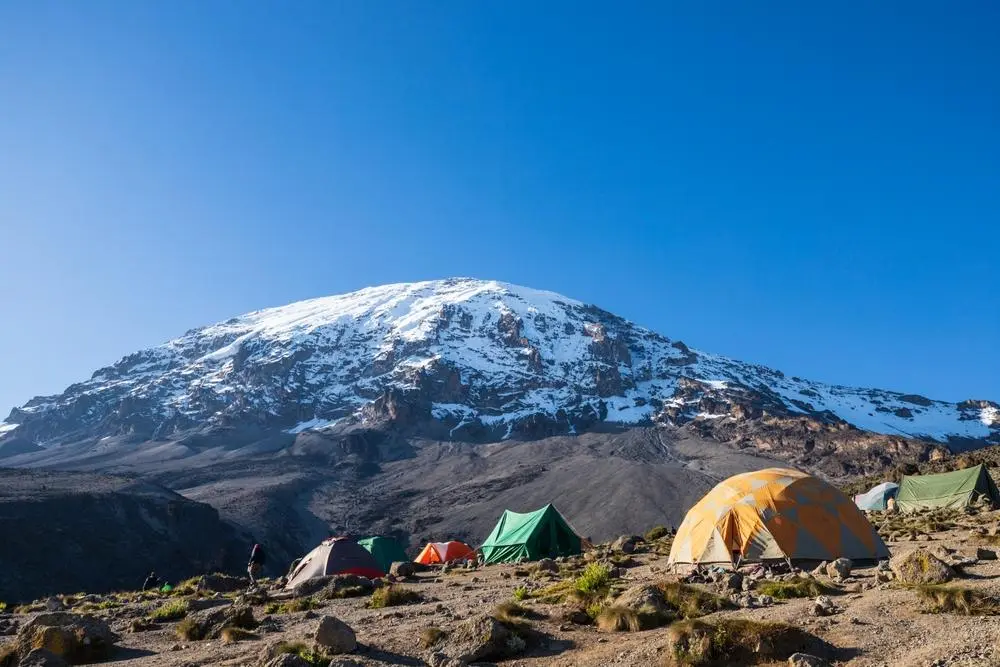
A typical well-paced climb. Every route has its own camps and daily distances; we tailor the plan to your route and dates.
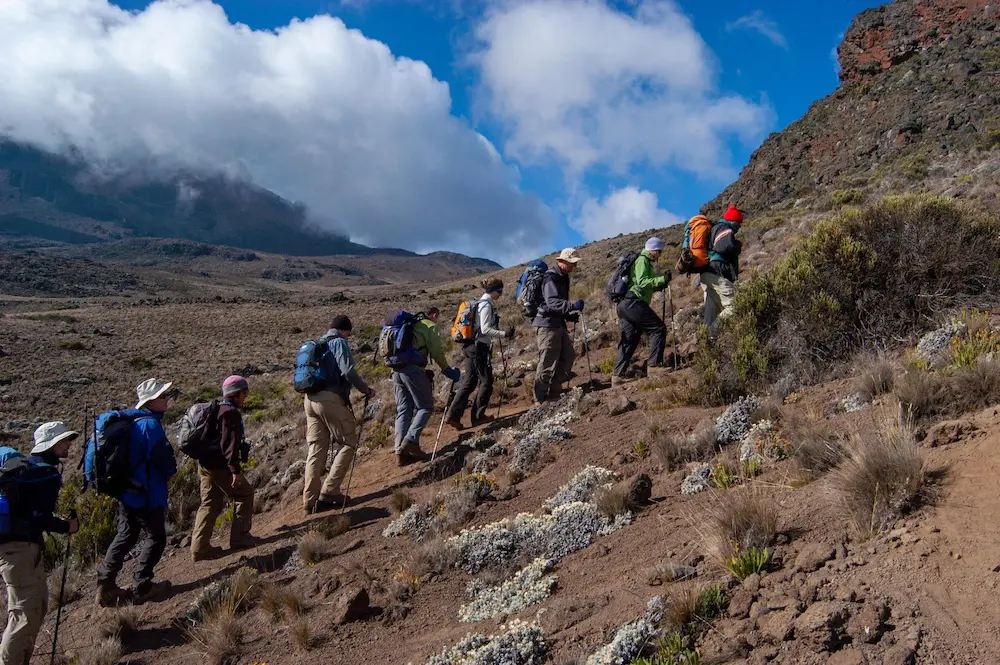
The driest months, January to early March and June to October, are the most popular. Kilimanjaro can be climbed all year, but the long rains from March to May make trails wet and views limited.
Short dry season
Usually clear and a little warmer, with fewer climbers than mid-year.
Main dry season
The most popular window — stable weather and cold summit nights.
Long rains
Wet and cloudy; few climbers and not recommended for most.
Short rains
Climbable with good gear and flexible expectations.
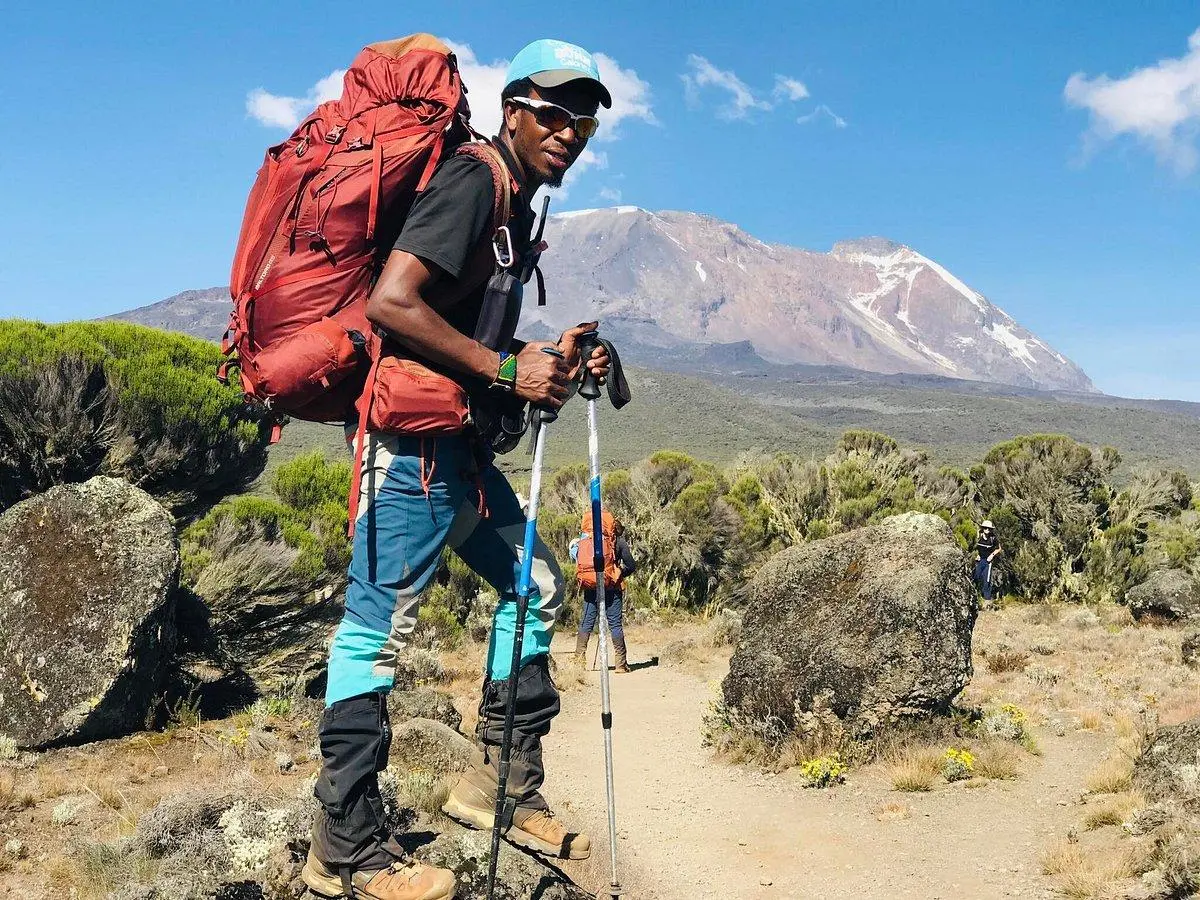
Temperatures range from warm forest to well below freezing at the summit. Layers are everything; we send a full kit list when you book.
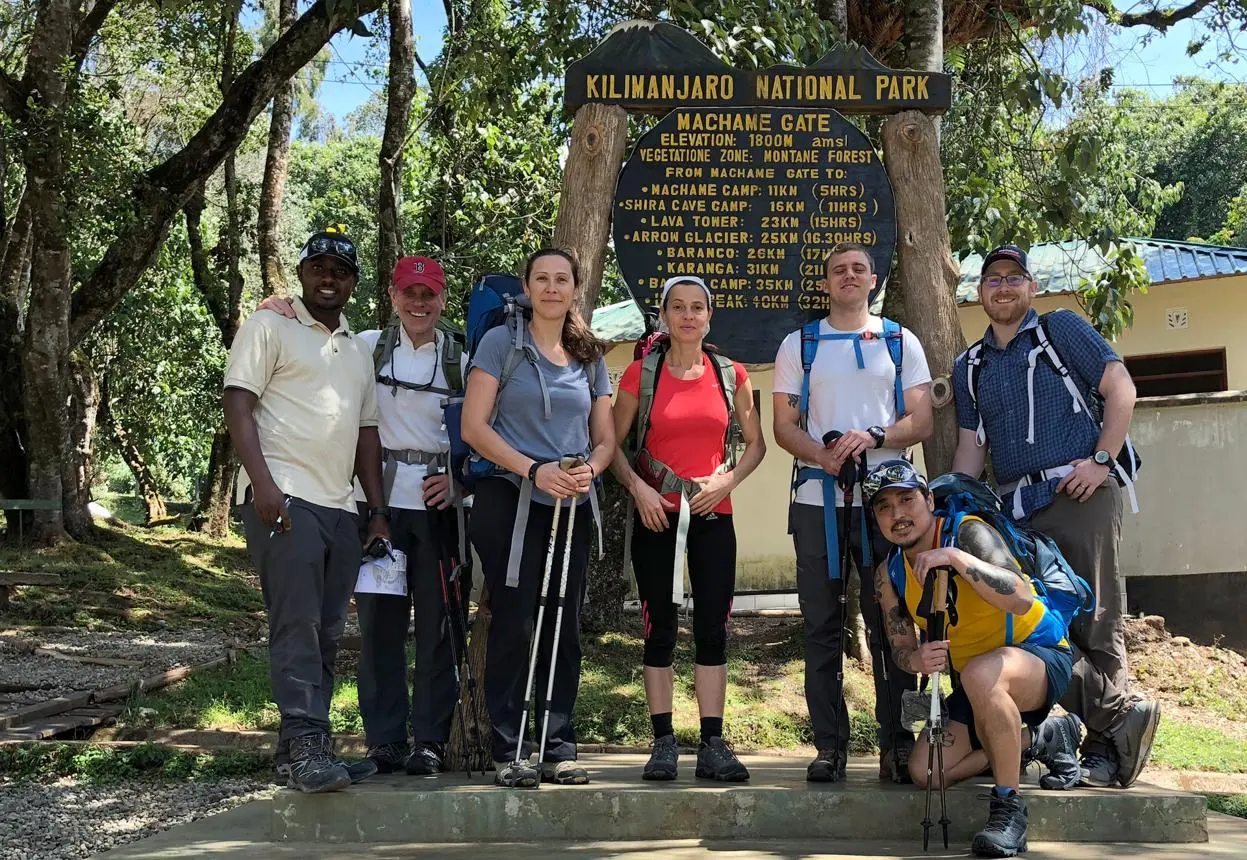
Kilimanjaro National Park is managed by Tanzania National Parks (TANAPA). Climbers must go with a licensed operator and registered guide; park fees are paid through your operator and change from time to time.
Conservation, camping or hut and rescue fees are charged per person per day — we include current fees in your quote.
Independent climbing is not allowed; every climb needs a registered guide.
Guides, cooks and porters make the climb possible; tipping is customary.
Contact us for an up-to-date price for your route, group size and dates.
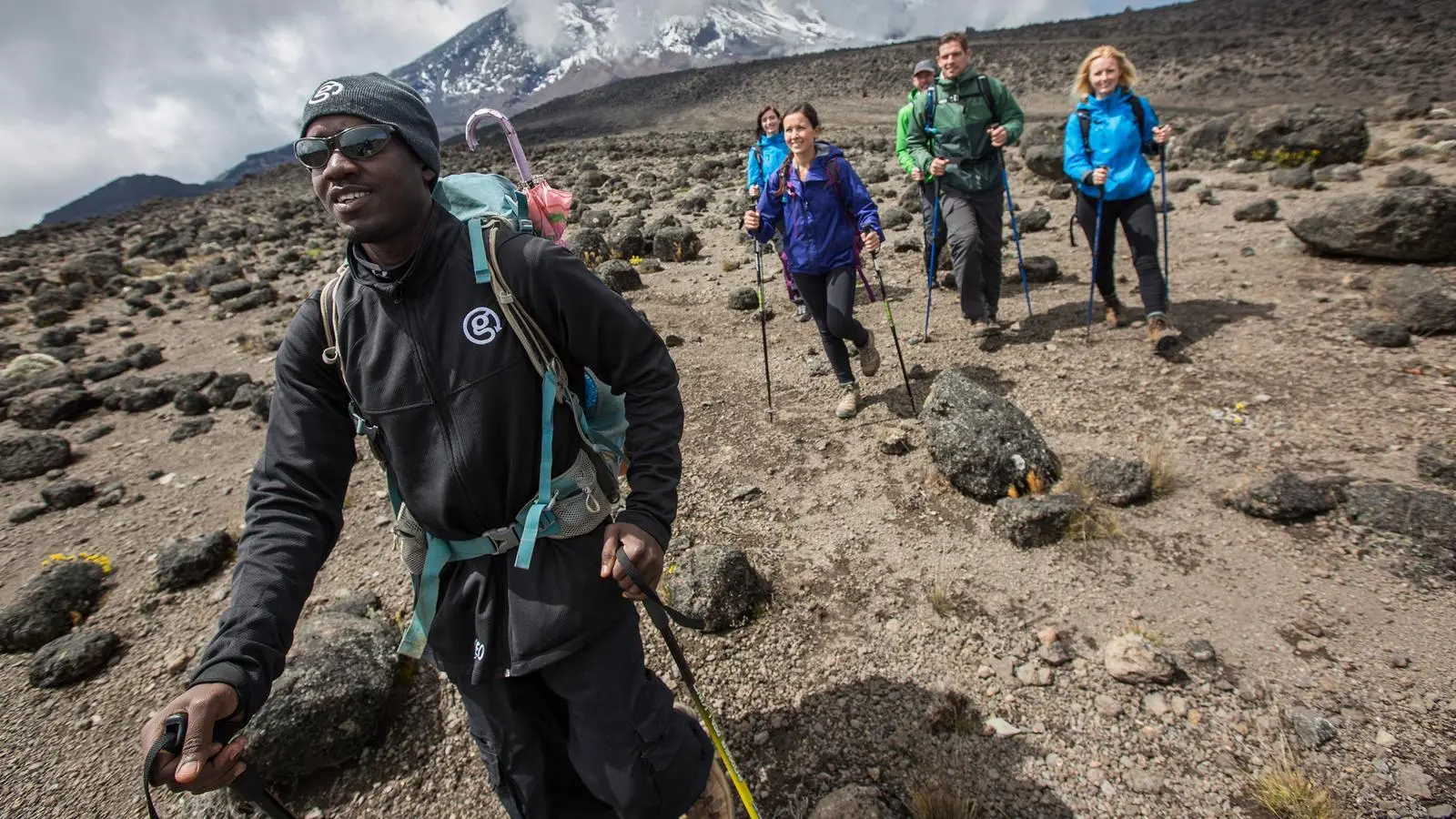
Altitude sickness can affect anyone. Choosing a longer route, walking slowly and listening to your guide are the best ways to stay safe and enjoy the climb.
“Pole pole” — slowly, slowly — is the golden rule on the mountain.
Routes that walk high and sleep lower help your body adapt.
Guides monitor how you feel and decide when it is safer to descend.
Get travel insurance that covers high-altitude trekking and see your doctor before you go.
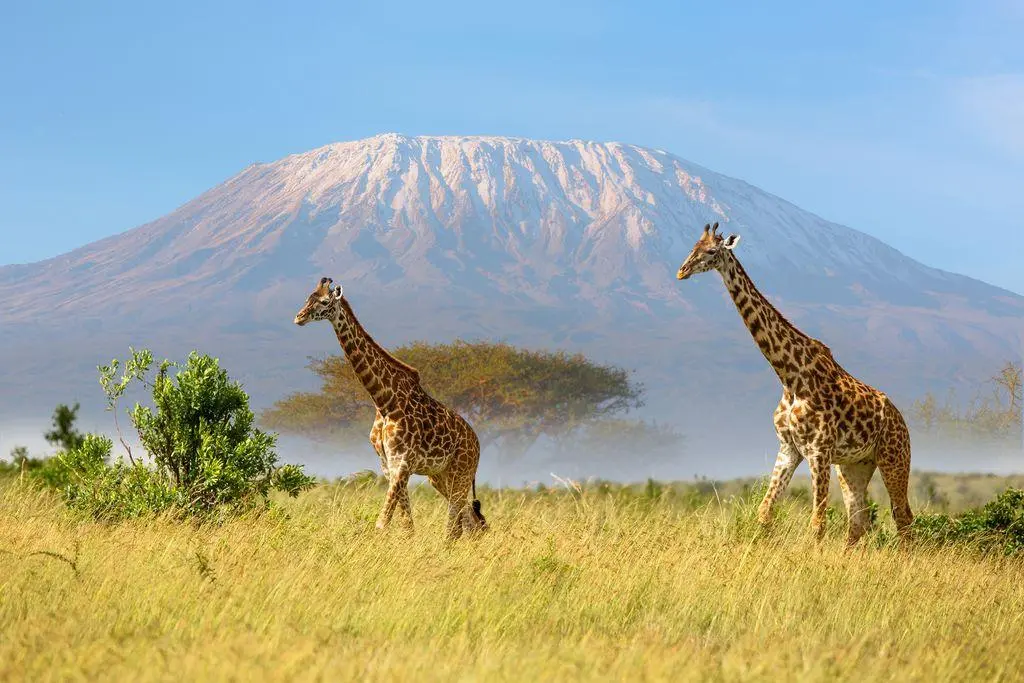
After the climb, most guests rest with a few days on safari in Tarangire, Ngorongoro or the Serengeti, or relax on the beaches of Zanzibar. Climbing Mount Meru first is a good way to acclimatise.
Pair this Park with other Northern Circuit highlights
Tell us your dates, experience and preferred route — we will plan a safe, well-paced climb and the perfect safari or beach afterwards.